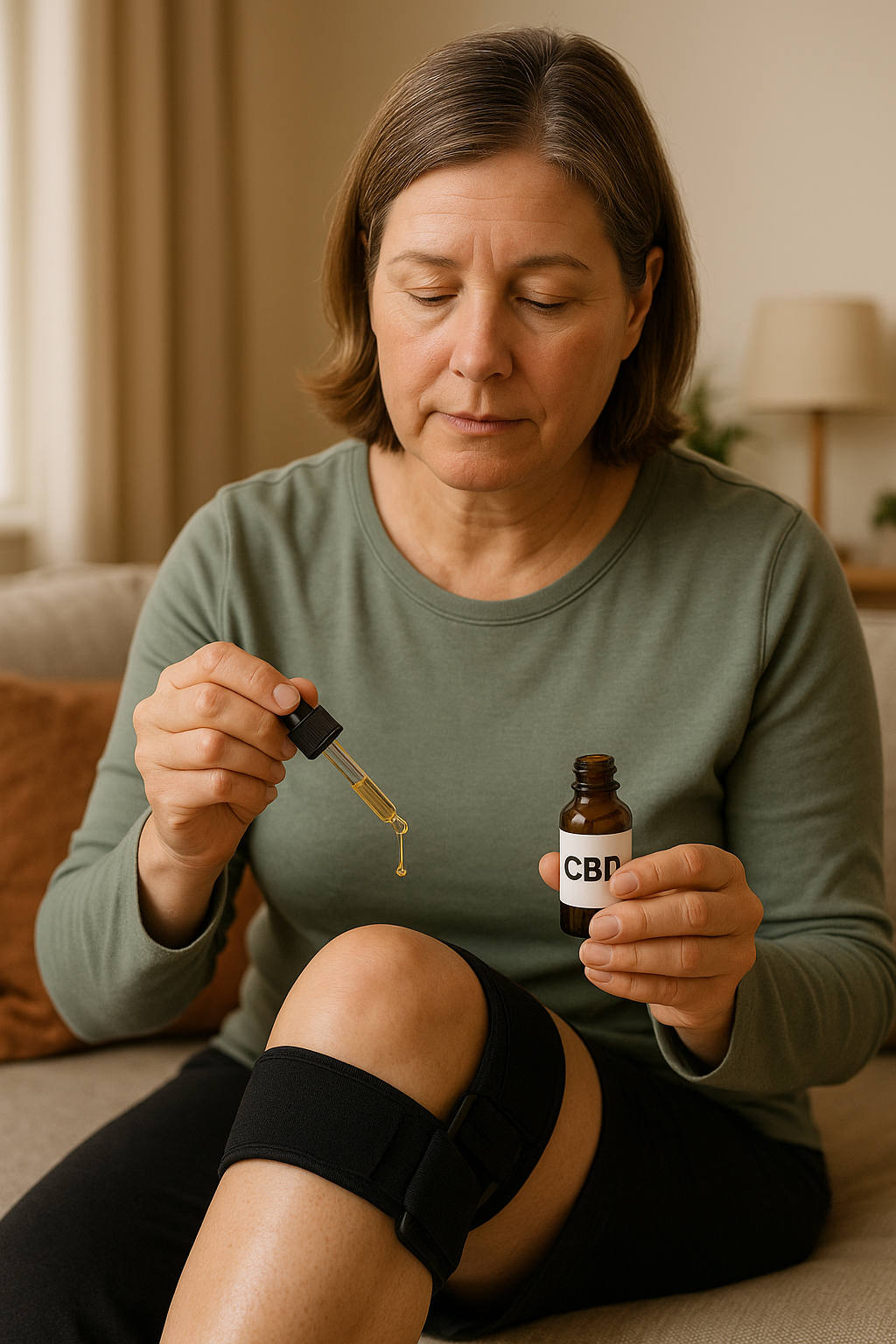
CBD Oil for Joint Pain and Inflammation: What Actually Works (and What Doesn’t)
Three years ago, I got a call from my cousin. She was almost in tears, frustrated after another sleepless night thanks to her arthritic knees. She’d tried NSAIDs, heat, turmeric, you name it. Her voice was a little sheepish: “Sarah, what do you really think about CBD oil for joint pain?”
Why Joint Pain Feels Like a Never-Ending Battle
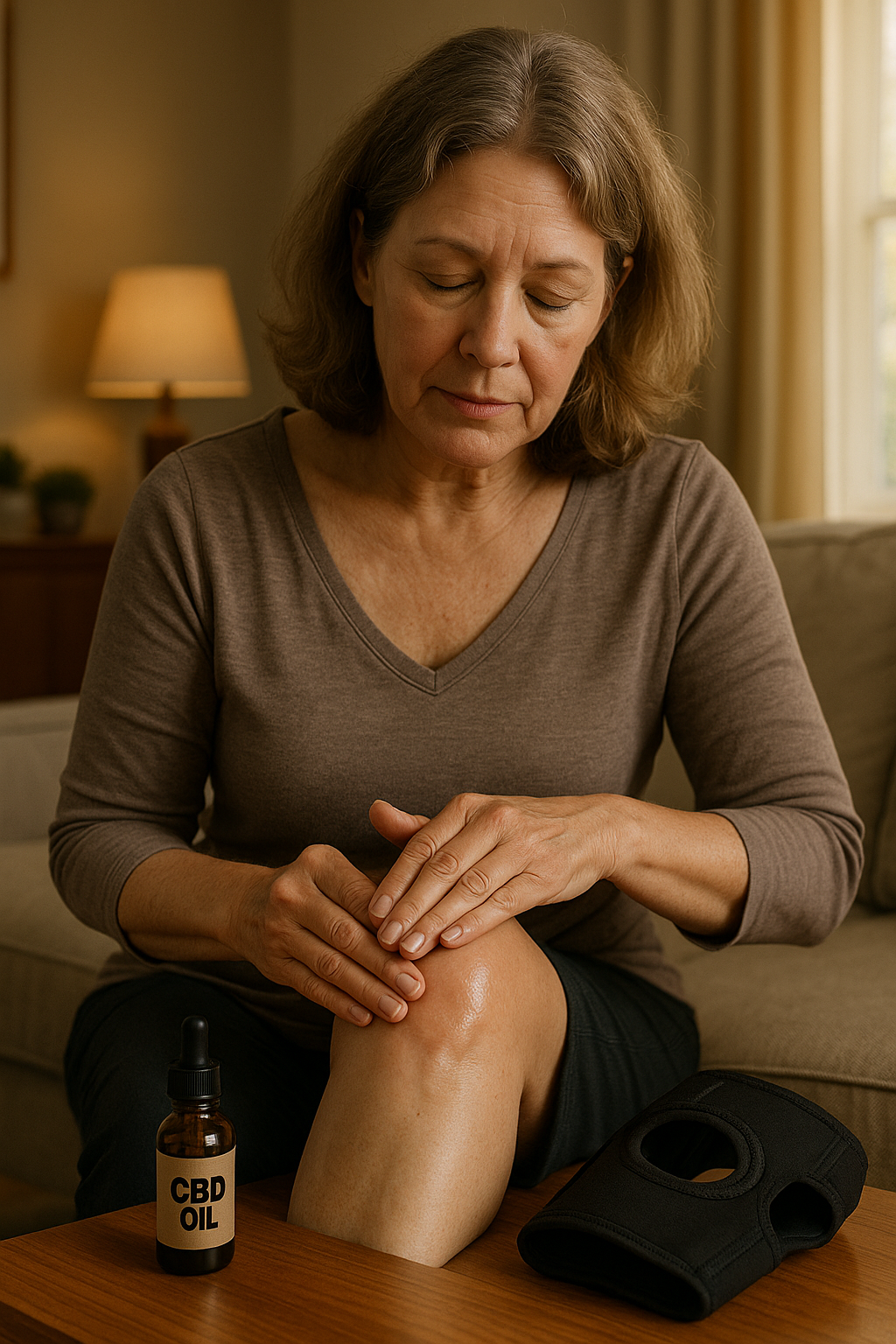
If you’re living with chronic joint pain — arthritis, post-injury inflammation, or one of those mystery aches that shows up out of nowhere (I see you, 50-somethings) — you know it’s not just physical. It messes with your sleep, your hobbies, sometimes even your mood. And let’s be real: “just push through” advice from well-meaning friends can border on infuriating.
I’ve spent over 12 years working as a physical therapist. I see the toll that relentless pain and swelling takes on people’s lives. And lately, I get asked about CBD oil almost every week — at my clinic, in my inbox, from my own family. There’s so much hype, so many wild claims, and a real hunger for something (anything!) that doesn’t come with a long list of side effects.
But here’s the thing: Most articles either oversell CBD as a miracle or dismiss it outright. The truth? It lives somewhere in between.
Breaking Down the Science: What Does CBD Oil Actually Do?
Let’s cut through the noise. CBD, or cannabidiol, is a non-psychoactive compound found in hemp and cannabis plants. Unlike THC, it won’t get you high, but it interacts with your body’s endocannabinoid system — a network of receptors involved in pain, inflammation, mood, and even sleep cycles.
Here’s where it gets interesting. In 2015, researchers published a review in Bioorganic & Medicinal Chemistry highlighting CBD’s anti-inflammatory properties in animal models. More recently, a 2020 study in the journal Current Opinion in Rheumatology acknowledged CBD’s potential for reducing joint inflammation. But — and this is a big but — high-quality human research is still a work in progress.
What we do know: In several small human studies, topical CBD (applied to the skin) and oral CBD both showed promise for pain relief, particularly in arthritis and neuropathic pain. For example, a 2018 randomized trial found that CBD gel reduced knee pain in osteoarthritis patients by an average of 32% compared to placebo. Still, results are mixed, and not everyone gets the same level of relief.
How Does It Work?
CBD seems to tamp down inflammation by inhibiting certain cytokines (those pesky proteins that drive joint swelling and pain). It also acts on TRPV1 receptors — the same ones targeted by capsaicin (that spicy compound in chili peppers sometimes used in pain rubs). There’s some evidence it may reduce pain signaling in the nervous system, too.
In English? For some people, it quiets the body’s “ouch” signals and dials down that constant, nagging inflammation in the joints.
The Real-World Side: Who Actually Benefits?
I always tell my patients: CBD isn’t a miracle, but it’s also not snake oil. I’ve had folks with mild to moderate osteoarthritis (think: morning stiffness, persistent ache, occasional sharp twinges) tell me topical CBD creams or oils took the edge off — especially when paired with gentle movement or heat therapy.
On the flip side, some people feel nothing. I’ll be honest — I have a handful of rheumatoid arthritis patients who spent $60 on a fancy tincture and got more benefit from a good old-fashioned heating pad (Pure Enrichment PureRelief XL Heating Pad is still one of my favorites for deep joint relief, by the way.)
And — here’s where opinion divides: Some people swear by CBD for sleep, which indirectly helps with joint pain by allowing the body to heal. Research backs this up in part; a 2019 Colorado survey found 66% of CBD users reported better sleep and 42% noted less pain. But remember, these are self-reported numbers, not gold-standard clinical trials.
CBD Oil: Oral vs. Topical (and Why It Matters)
If you’re nodding along, you might be thinking: “Okay, but should I swallow it or rub it on?”
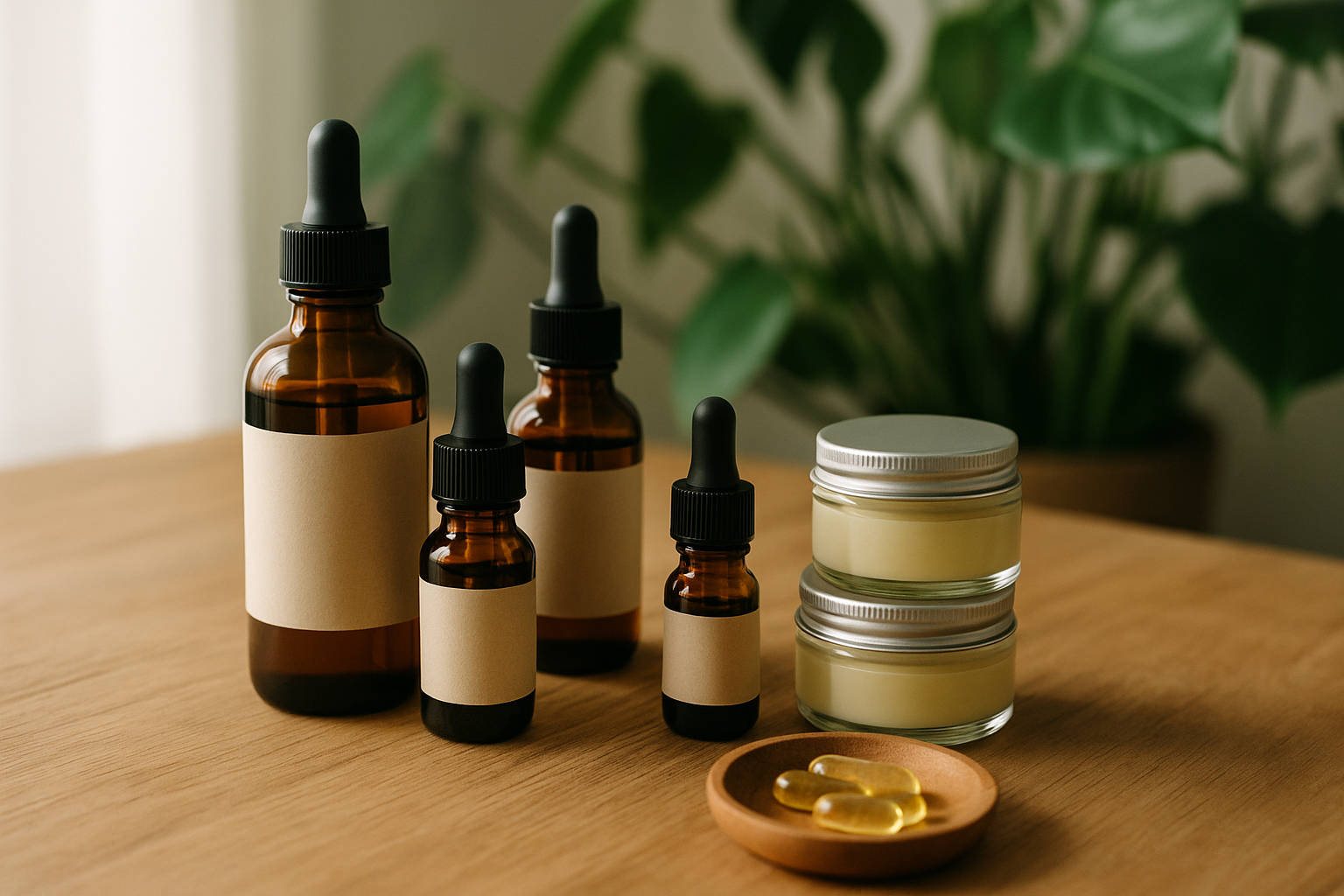
Topical CBD (creams, balms, roll-ons) is absorbed primarily into local tissues. In theory, it’s perfect for targeting a cranky knee or a swollen knuckle. The upside? Minimal systemic effects — you’re unlikely to get drowsy, and the risk of drug interactions is lower. The downside? If your pain is deep (think: hip or spine), topical products may not be potent enough to reach the source.
Oral CBD (oils, capsules, gummies) circulates through your whole body. This means it might help with stiffness or widespread pain, but you also risk mild side effects: drowsiness, dry mouth, and rare stomach upset. Dosage matters — most studies use 20mg to 50mg per day for arthritis, but products on shelves range wildly from 5mg to 150mg per dose. Start low, go slow. And talk to your doctor before you add CBD, especially if you’re on blood thinners or have liver concerns.
Buyer Beware: Quality, Labeling, and “Snake Oil” Pitfalls
This is where my inner skeptic takes over. The CBD industry is…let’s call it the Wild West. A 2017 study in JAMA showed that 69% of CBD products sold online were mislabeled — some had zero CBD, others were loaded with THC. I always advise patients to look for third-party testing (often called “COA” or certificate of analysis), preferably with a QR code on the package that links to lab results.
Some red flags: brands making wild claims (“cures arthritis overnight!”), products with no dosing instructions, or anything that looks suspiciously cheap. Quality CBD isn’t going to cost $5 for a month’s supply — there’s just no way.
As a physical therapist, I can’t endorse a specific CBD brand (I’m pretty picky about what I recommend), but I’ll say this: Stick with companies that publish test results, use US-grown hemp, and offer clear dosing info. If you’re overwhelmed, write down your top 2-3 choices and ask your pharmacist or doctor for their take. Or, check out science-forward review sites that compare purity and effectiveness head-to-head.
Mixing CBD with Other Joint Pain Strategies
Look, I’m a movement specialist — so I’d be remiss not to mention that CBD works best as part of a bigger game plan. That means regular, gentle exercise (even 10 minutes of daily stretching can shift the dial), anti-inflammatory nutrition, and sometimes strategic use of heat, ice, or compression. My own mother-in-law swears by pairing a CBD cream with a Modvel Compression Knee Brace for her gardening knees — she says it’s a one-two punch that lets her stay active a little longer each day.
And don’t sleep on sleep. If joint pain is stealing your rest, that’s a pain amplifier in itself. For some, CBD really does help “quiet the chatter” at bedtime — but so can magnesium, guided relaxation, and sticking to a screen-free wind-down routine.
But What About the Risks?
CBD is generally considered safe, but it’s not completely risk-free. Potential side effects include fatigue, diarrhea, changes in appetite, or — rarely — liver enzyme changes. If you’re taking prescription meds, especially blood thinners (like warfarin) or anti-seizure drugs, talk to your doctor first. There are some drug interactions worth taking seriously.
Pregnant or breastfeeding? Skip CBD altogether. There’s just not enough safety data yet, and I’d rather you err on the side of caution.
The Real Kicker: What Actually Helps Most
If you’re looking for a magic bullet, I wish I had one in my clinical toolkit. CBD can help some people — especially those with low-to-moderate arthritis pain, or who can’t tolerate NSAIDs long-term. When used as part of a full pain management plan, it’s sometimes enough to get folks moving again. For others, it’s more like a helpful sidekick than a solo hero.
Here’s a practical rundown from my patient logs and published research:
- Topical CBD: Best for targeted joint pain (knees, hands, elbows). Often effective within 30-60 minutes if it’s going to help at all.
- Oral CBD: May assist with widespread pain and sleep, but go slow with the dose. Full effects can take 1-2 weeks.
- Combine with movement: CBD plus a gentle exercise program (like the ones in Treat Your Own Knees) gives the best shot at lasting relief.
- Check labels: Only use CBD brands with third-party testing. Don’t be shy about emailing companies for lab reports.
- Set realistic expectations: Relief is usually partial — not total — and it may take trial and error to find the right product or dose.

Fresh Takeaways: What I Tell My Patients Now
Honestly? I’ve become less of a skeptic and more of a cautious optimist about CBD oil. It’s not the miracle cure some sites push. But for my patients who’ve tried the usual suspects and want to avoid more pills, CBD is often worth a shot — especially if quality, transparency, and realistic expectations are part of the game plan.
My checklist for new CBD users:
- Start with topical for joint pain, oral for widespread aches or sleep issues.
- Begin with the lowest effective dose. Wait at least a week before upping it.
- Always check with your healthcare provider (especially if you’re on other meds or have liver concerns).
- Track your symptoms in a notebook — did pain levels or sleep actually change after a week?
- Combine with evidence-based movement. Even 5-10 minutes makes a difference.
And if you hit a wall, don’t forget: proven, safe options like heating pads, compression sleeves, and joint-friendly exercise aren’t going anywhere. Sometimes, it’s the combo — not a single magic solution — that finally makes room for real relief.
Final Thoughts: The Next Chapter in Managing Joint Pain
Could CBD oil be the missing piece for you? Maybe. I’ve seen it help enough people that I’m open-minded — as long as you’re clear-eyed about what to expect. Track your results, stay skeptical about outlandish promises, and use it as one tool (not the only tool) in your pain-fighting toolkit.
If you’ve tried CBD for your joint pain, shoot me an email. I love hearing what actually works for real people — because, let’s be honest, the research is still catching up to our lived experiences. And sometimes those “out-of-the-box” solutions are the ones that move us forward, one step (or one less-aching knee) at a time.
Wishing you less pain, more movement, and plenty of good days ahead.
Dr. Sarah Mitchell, DPT
Senior Health Editor, JointReliefReviews
12+ years experience treating osteoarthritis and chronic joint conditions, licensed physical therapist, advocate for evidence-based pain management.