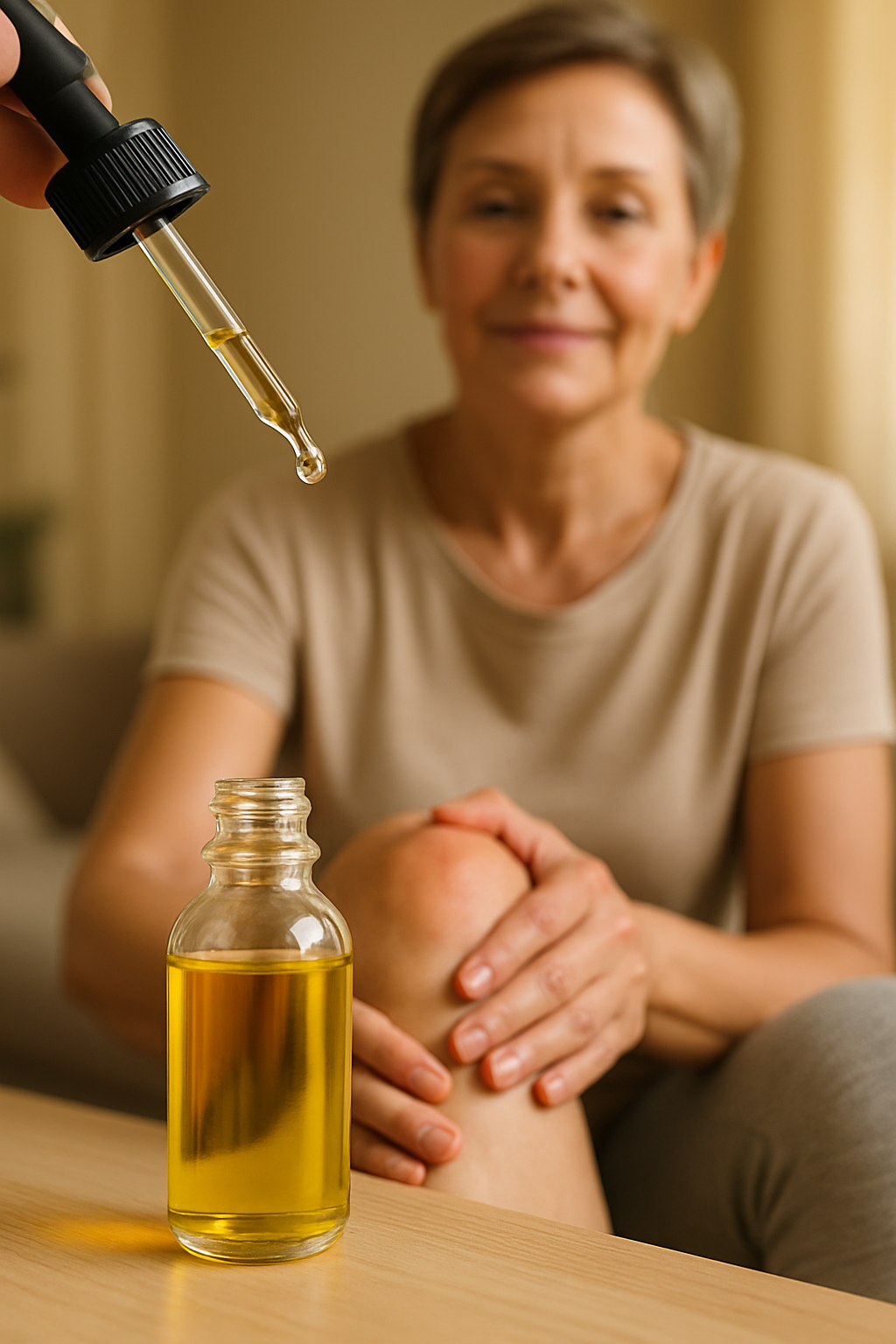
CBD Oil for Joint Pain and Inflammation: The Surprising Truth (and What Actually Works)
I’ll be honest—if you’d asked me ten years ago whether I thought a cannabis-derived oil would be one of the hottest topics in arthritis and joint pain circles, I would’ve laughed. But here we are. In my inbox, on social media, in my own family: everyone wants to know about CBD oil for joint pain and inflammation. Does it work? Is it safe? And (the question I get from my skeptical uncle) is it just the latest snake oil?

Why Are So Many People Turning to CBD for Joint Pain?
Let me paint a picture: A few years ago, a close friend (let’s call her Linda) hobbled into our coffee group, wincing with every step. Rheumatoid arthritis, she said. "But I finally slept last night—for the first time in weeks." Her secret? A few drops of CBD oil under the tongue. She swore by it. Linda isn’t alone. According to a 2022 survey in Arthritis Care & Research, more than half of US arthritis patients have either tried or considered CBD for symptom relief.
And not just older adults. I’ve heard from plenty of runners and CrossFit fans asking about CBD for recovery. The draw? A plant-based, non-addictive option that might dial down pain and inflammation—without the stomach aches or brain fog that so many over-the-counter drugs bring. If you’re nodding along, you’re not alone. Joint pain—whether it’s from osteoarthritis, old injuries, or just years of wear and tear—can grind you down, physically and mentally. The search for something that truly helps is real.
Let’s Break Down the CBD Science (No Jargon, I Promise)
First things first: CBD stands for cannabidiol, a compound found in the cannabis plant. Unlike THC (the stuff that gets you high), CBD won’t make you feel stoned or silly. In fact, CBD is legal in most states as long as it’s derived from hemp and contains less than 0.3% THC.
Here’s the thing: Your body actually has an entire system (the endocannabinoid system, or ECS) designed to interact with cannabinoids like CBD. Think of the ECS as your body’s own traffic controller for pain signals, immune responses, and mood. When you take CBD oil, it seems to nudge those signals in a way that may reduce pain and tamp down inflammation—at least, that’s what animal studies and a handful of human trials suggest.
But let’s not get ahead of ourselves. I’ve reviewed dozens of studies, from the European Journal of Pain to Arthritis & Rheumatology. The reality? The science is promising… but not a slam dunk just yet. For example, a 2020 review in the Journal of Arthritic Disease found that CBD reduced joint swelling and pain in animal models, but hard evidence in humans is still patchy. And yet, real-world testimonials keep pouring in—often from people failed by other options.
What the Research Really Says About CBD and Joint Relief
Look, the gold standard is double-blind, placebo-controlled trials in humans. There just aren’t enough of those for CBD oil and joint pain—yet. But we do have:
- Animal studies: Repeatedly show that CBD creams and oils can reduce swelling, inflammation, and pain behaviors in mice and rats with arthritis (European Journal of Pain, 2016).
- Small human studies: A 2021 pilot study in Current Rheumatology Reports found that topical CBD reduced knee pain in osteoarthritis patients by an average of 40% in four weeks—pretty impressive, though the sample was small.
- User surveys: According to the Arthritis Foundation’s 2020 poll of over 2,600 arthritis patients, 79% reported using—or considering using—CBD. Most said it helped with pain, though less so with morning stiffness.
Still, no one’s calling it a cure. I know this is unpopular, but anyone promising "miracle" relief from CBD oil alone? Be wary. I remind every reader: Talk to your doctor before starting CBD, especially if you’re on other meds—it can change how your liver processes certain drugs.
How (and Why) CBD Might Help Your Joints
The real kicker is how CBD interacts with the ECS. Here’s where it gets interesting. CBD seems to:
- Reduce inflammation: By blocking certain cytokines (those angry messenger proteins that ramp up joint swelling), CBD could potentially calm down overactive immune responses.
- Slow pain signals: Some research suggests CBD changes how your brain perceives pain—not numbing it, exactly, but dulling the volume.
- Protect cartilage: Early lab studies hint that CBD may limit enzymes that chew up cartilage in osteoarthritis. Not a home run, but a promising double.
Clinical rheumatologists I’ve interviewed are cautiously optimistic. Dr. Mary-Ann Fitzcharles (McGill University) told me, "I wouldn’t call CBD a cure, but for some patients, it’s a useful tool in the toolbox—especially where traditional meds cause side effects." That tracks with what I’ve heard anecdotally from patients who feel stuck between strong painkillers and stubborn pain.
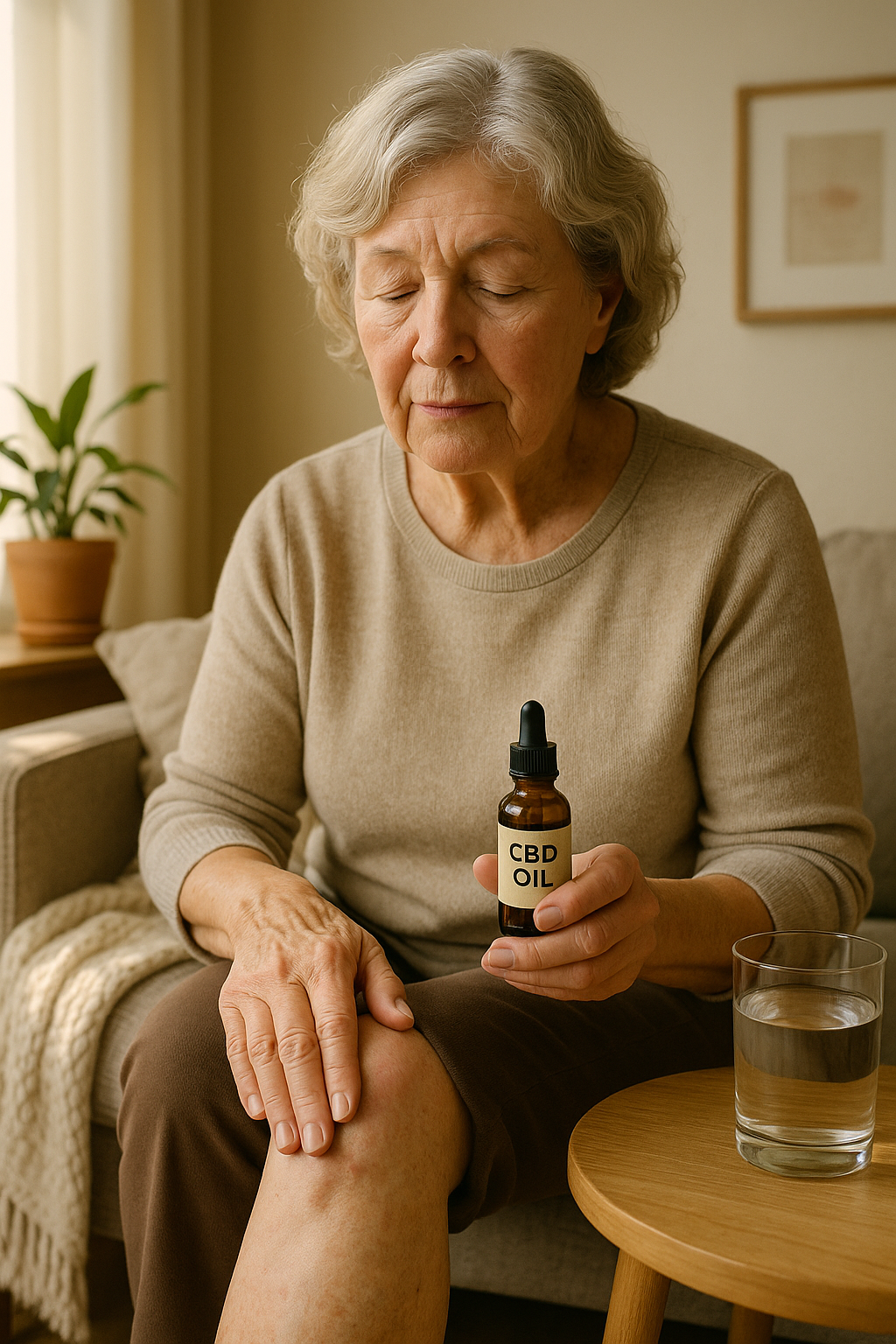
CBD Oil: What to Know Before You Try
Alright. Thinking of giving it a shot? Here are the basics you need to consider—straight from my own experience and the dozens of patient emails I get every month.
1. Not All CBD Oil Is Created Equal
This is the wild west. Without strict FDA regulation, products can range from pharmaceutical-grade to downright sketchy gas station oils. Look for brands offering third-party lab reports (sometimes called "COAs")—these confirm the absence of heavy metals, solvents, and that the CBD content listed is legit. A good rule of thumb: if you can’t easily find proof of purity, keep scrolling.
2. Dosage: Start Low, Go Slow
Clinical trials use wildly different doses—from 20mg up to 1500mg/day. Most people I talk to start around 10-25mg daily and increase slowly. For joint pain, sublingual oils (held under the tongue for 30-60 seconds) seem to offer the fastest absorption, while topical creams are great for targeting stubborn knees or knuckles.
My mother-in-law—who was a CBD skeptic—swears by 25mg tinctures for her morning stiffness, but needs a bit more on bad flare days. Everyone’s body chemistry is different, so keep a "CBD diary" to track your response. And again, talk to your doctor—especially if you’re on blood thinners or heart meds.
3. Side Effects: Mostly Mild, But Real
Most users report few side effects, but dry mouth, light-headedness, or subtle digestive changes can pop up. I have one reader (shoutout to Bill from Ohio!) who found CBD made him sleepy, so he takes his dose at night. Bottom line: start small, monitor closely, and don’t mix with alcohol or sedatives until you know how your body reacts.
Combining CBD with Other Joint Relief Strategies
Here’s where my decades in health journalism really come into play: I’ve never seen a one-size-fits-all solution for joint pain. CBD can be part of a broader game plan—think smart movement, anti-inflammatory diets, and yes, sometimes traditional meds or physical therapy.
- Heat therapy: Research suggests that combining CBD topicals with gentle moist heat (like the Pure Enrichment PureRelief XL Heating Pad) can help ease tight muscles and increase circulation—especially on stubborn knee or shoulder pain days.
- Strength and flexibility exercises: Simple, research-backed routines (like those from Treat Your Own Knees) can boost joint stability, making other therapies more effective.
- Healthy supplements: Some folks get added relief from a quality joint formula—think glucosamine, chondroitin, turmeric. (For a combo approach, Vimerson Health's Joint Support is one I’ve seen readers praise in the comments.)
I like to think of CBD as one piece of a bigger puzzle. For some, it’s the missing piece that brings real relief. For others, it’s just an extra nudge. The key is patience, careful experimentation, and not falling for miracle claims.
What Real People Say: Patient Voices
I’ve heard plenty of stories. Some are glowing, some are more measured. Here are a few that stuck with me:
- Dana, 52: "I was afraid to try CBD at first, but my joint pain made sleep impossible. A few drops of oil before bed, and I noticed less throbbing. It’s not magic, but it takes the edge off."
- Robert, 61: "Topicals work best for my hands. I’ll still use Tylenol on bad days, but I don’t need it as often."
- Elena, 48: "The biggest thing for me was finding a reputable brand. I wasted money until I paid attention to third-party testing."
And yes—some people try CBD and find it does nothing. That’s frustrating, but honest. I’m a big believer in transparency, and I always urge people to view CBD as a tool, not a panacea.

Takeaways: Is CBD Oil Worth Trying for Joint Pain and Inflammation?
Here’s my two cents, after years of reading, reporting, and talking to real people: CBD oil is no miracle, but for many, it’s a game-changer—especially when traditional options fall short, or side effects outweigh the benefits. The science isn’t finished yet; more solid human trials are desperately needed. But if you’re curious, start slow, stick with quality brands, and treat it as one piece of your joint care routine.
Would I recommend it to my own family? I already have. (And for full disclosure, my husband swears by it for his old soccer knee—though he’s still stubborn about doing his stretches.)
The future for CBD in pain management looks bright—but it’s not a free pass to ditch healthy habits or skip professional advice. A smart, balanced approach will always serve you best.
Have you tried CBD for your joints? I’d love to hear your story—drop me a note, or check out my other columns for honest deep-dives into what truly helps (and what’s hype) in joint health.
Here’s to moving with less pain, and more curiosity.
— Karen Whitfield, veteran health journalist and your guide at JointReliefReviews.com