
CBD Oil for Joint Pain and Inflammation: Everything I’ve Learned as a Physical Therapist
I’ll never forget the first time a patient walked into my clinic clutching a small green bottle, eyes hopeful. “Sarah, have you heard about this CBD stuff? Can it help my knees?” This was back in 2017, when CBD had just started popping up in coffee shops and corner pharmacies. Fast-forward a few years, and now nearly every week, someone asks me about CBD oil for joint pain and inflammation. If you're reading this, chances are you’re wondering the same thing — could CBD finally be the thing that actually helps those creaky, stubborn joints?
The Unspoken Frustration of Living with Joint Pain
Look, I get it. I see people every day who are genuinely fed up. You ice, you stretch, you pop the Tylenol — but your knees still bark when you get out of the car, or your hands throb every morning before you even hit the coffee pot. I’ve watched my own mother-in-law quietly wince through family dinners, just hoping not to be the center of attention. It’s exhausting. It’s isolating. And it’s not as simple as “just exercise more,” no matter what certain influencers claim.
If you’re nodding along, you’re not alone. Joint pain affects nearly 1 in 4 adults in the U.S., according to the CDC. That’s more than 58 million people. And while osteoarthritis usually gets all the headlines, there’s a whole soup of other culprits: rheumatoid arthritis, lupus, old injuries, and plain-old ‘wear and tear.’
How Does CBD Oil Work for Joint Pain? The Real Science (Not Hype)
Here’s the thing: Most headlines make CBD oil sound like a miracle — “cures inflammation,” “melts away pain,” “no side effects!” But as someone who’s spent years in the weeds of clinical research (shoutout to PubMed), I want to set the record straight. CBD — or cannabidiol — is a non-psychoactive compound from the cannabis plant. It won’t get you high. What it does do is interact with your body’s endocannabinoid system, which is involved in things like pain, inflammation, and mood.
But here’s where it gets interesting. Animal studies (like the 2017 work in European Journal of Pain) show that topical CBD can reduce arthritis-related inflammation and pain in rats. Human research is still catching up — but there are a few actual clinical trials worth mentioning. In 2020, a small but real randomized trial published in Arthritis Care & Research found that CBD gel reduced knee pain in some people with osteoarthritis, but not dramatically. Another meta-analysis from 2022 in Journal of Orthopaedic Research concluded that, while CBD appears safe, “large well-controlled studies are still needed” before we can make any sweeping promises.
That said, I’ve personally worked with dozens of patients who swear by their CBD routine. Maybe it’s the placebo effect (which, by the way, is not a dirty word in pain management). Or maybe, for some, CBD is tapping into those inflammatory pathways in a way that actually matters. The short version: we have hints, not guarantees. You have to try it for yourself.
CBD Oil vs. Other Joint Pain Solutions: How Does It Stack Up?
I’ll be honest — I was skeptical at first. In my own practice, I’ve seen people get much more mileage out of classic approaches: physical therapy, anti-inflammatory diets (think Mediterranean), even a well-fitted Modvel Compression Knee Brace for knee support. These are time-tested, with decades of solid studies behind them. But — and this is a big but — some people just don’t tolerate NSAIDs, or they want to avoid more meds, or they need another tool in their toolbox. That’s where CBD oil wins points: it’s generally well-tolerated, and you can use it alongside other remedies without a ton of risk.
Topical gels, oils, and roll-ons: These deliver CBD directly where you hurt. In theory, this bypasses the liver (unlike oral forms) and minimizes systemic side effects. Oral tinctures: These might be more useful for widespread pain or inflammation, but you’ll want to start low and go slow — most clinical studies use daily doses ranging from 50mg to 300mg, and everyone metabolizes CBD differently. (Pro tip: Always talk to your doctor before mixing CBD with blood thinners or other prescriptions.)
What About Side Effects? Is CBD Oil Safe?
Compared to opioids or even high-dose NSAIDs, CBD is refreshingly low on drama. Most common side effects are mild: sleepiness, dry mouth, or — occasionally — an upset stomach. I had one patient who took CBD gummies and felt “weirdly giddy” for a few hours, but that was rare (and probably related to a mislabeled product; quality really matters here!).
The real kicker? The supplement market is the wild west. In 2017, the Journal of the American Medical Association found that nearly 70% of online CBD products were mislabeled — some had no CBD at all, others had more THC than advertised. Look for brands that provide third-party lab testing and clear dosing instructions. If you can't find that info, move on.
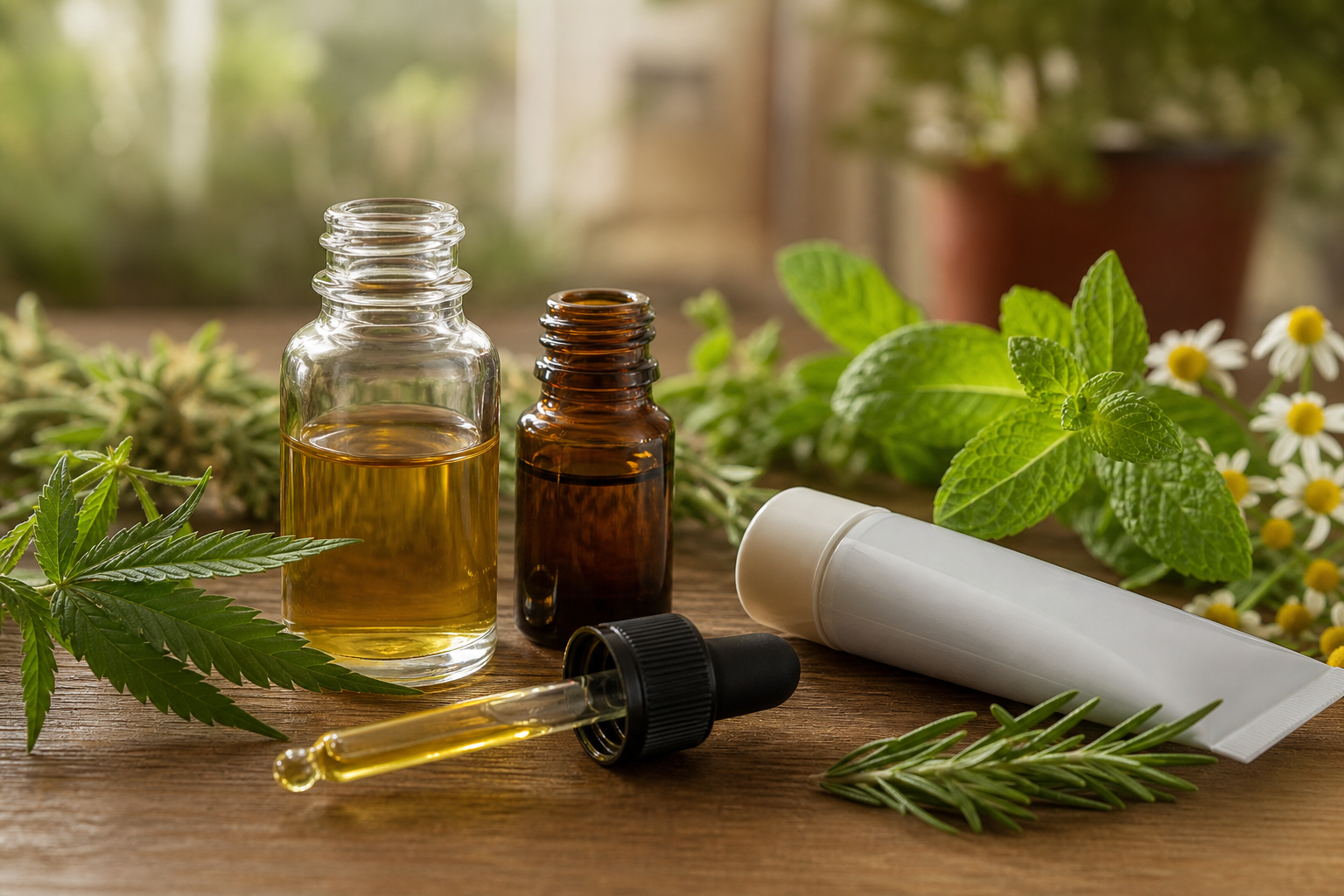
How to Actually Use CBD Oil for Joint Pain: Tips from the Clinic
Here’s what I tell my patients:
- Start with a topical. Creams or roll-ons let you target that cranky thumb or stubborn knee without the guesswork of oral dosing. Massage a small dab onto clean skin, wait 30 minutes, and see how you feel.
- Choose full-spectrum CBD when possible. These formulas include other beneficial compounds (terpenes, minor cannabinoids) that may boost effectiveness. But — if you’re worried about drug tests, opt for broad-spectrum or isolate CBD with 0% THC.
- Document your symptoms. I have patients keep a simple log: “Knee pain before: 7/10. After: 5/10, lasted 2 hours.” Patterns matter more than any one-off experience.
- Check for interactions. If you're on blood thinners, anti-seizure meds, or cholesterol drugs, ask your doctor first. I know, broken record — but CBD really can mess with some meds. Safety first.
- Set realistic expectations. CBD oil isn’t magic, but for some, it offers a real edge when layered with movement, bracing, and lifestyle changes.
Beyond CBD: Other Science-Backed Ways to Soothe Joint Pain
I’ve reviewed dozens of supplements on JointReliefReviews, and honestly, there are some with much more established track records than CBD. Glucosamine sulfate (1500mg daily) and chondroitin (800-1200mg) have been studied for decades, especially in the BMJ and Arthritis & Rheumatology. A combo formula like Vimerson Health Glucosamine Chondroitin Turmeric MSM & Boswellia brings together several heavy-hitters for inflammation and cartilage health. (I keep a bottle in my own home office.)
Then there’s movement. I know — groan — but even gentle, joint-friendly exercises can “oil the hinges,” as my grandpa used to say. If you want structure, the book Treat Your Own Knees by Jim Johnson, PT, has made a difference for dozens of my patients. The exercises are simple but sneakily effective, and you don’t need fancy gear or tons of time.
CBD Oil, Placebo, and Why Relief (Sometimes) Still Counts
Let’s talk about the “P” word: placebo. Here’s the unpopular opinion — I love a good placebo effect. If using CBD oil helps you garden longer, sleep through the night, or say yes to a walk with your grandkids, does it really matter why? Pain is complicated. In the Journal of Rheumatology, even gold-standard joint interventions rarely provide 100% relief; more often, we’re aiming for “enough to live your life again.” If you find that in a bottle of CBD, I say embrace it (responsibly).
Of course, be honest with your doctor, especially if you’re on other medications or have liver issues. And try not to break the bank on fancy packaging — most reputable brands cost $40–$80/month for a decent dose, and anything labeled as a ‘miracle cure’ is a red flag.

What’s the Best Way to Find Reliable CBD Oil?
Word of mouth is helpful, but check for third-party lab results — a legit company will show you exactly how much CBD (and THC) is in their product. Avoid brands that are cagey about sourcing, extraction methods, or testing. I also remind my patients to start low (10–20mg), track effects, and adjust gradually. For those who prefer not to ingest anything, topicals are a safe bet.
And don’t be afraid to “layer” your pain relief. Many folks use CBD as a piece of their plan — alongside bracing, heat therapy, and joint-protective strength work. The goal isn’t perfection. It’s progress.
What the Research Still Can’t Tell Us (Yet)
The reality? We’re still in the early innings. The FDA has yet to approve CBD for joint pain (except for rare seizure disorders). Most studies are small, short-term, and can’t control for all the confounding factors — placebo, expectations, day-to-day fluctuations in pain. Still, the safety profile is reassuring, and for many, the benefits seem to outweigh the risks, especially when other options have failed.
I’ll keep reading the literature and asking my patients for their unfiltered reviews. My promise: if the science changes, so will my advice.
Fresh Takeaways: Should You Try CBD Oil for Joint Pain?
- If you’re struggling with joint pain and want to avoid more meds, CBD oil (especially topicals) is worth a safe, thoughtful trial.
- Look for reputable brands, start low, and track your results honestly.
- CBD works best when combined with movement, joint support, and (sometimes) traditional supplements.
- Be honest with your doctor, especially about side effects, other medications, or if you have liver problems.
- Relief matters, even if some of it comes from “expectation” — don’t discount the value of feeling better.
If you’re still on the fence, you’re in good company. The science is still evolving, but for many, CBD oil is a gentle, low-risk experiment that can fit alongside the rest of your joint care plan. And if you ever have questions, drop me a line — I read every email, and I love hearing what actually works for real people.
Take care of those joints. Movement is precious; let’s keep you moving.
Dr. Sarah Mitchell, DPT
Senior Health Editor, JointReliefReviews
Licensed Physical Therapist | 12+ years clinical experience in osteoarthritis, chronic pain, and joint health