
The Day My Uncle Threw Out His Cane: A True Story of Living With Bone on Bone Knee Pain
I’ll never forget watching my uncle at a family BBQ, standing shaky on the grass, cane in hand, hovering near the potato salad instead of joining the bocce game. He’s stubborn as an ox—Vietnam vet, two-time marathoner—yet, he’d quietly told me his left knee was "done for." His doctor had called it: severe osteoarthritis, essentially bone on bone. The grinding, stabbing pain had gotten so bad he’d stopped walking to the mailbox. That kind of pain? It’s not just an annoyance. It’s a total life disrupter.

Bone on Bone Knee Pain: Why It’s So Brutal
If you’re reading this, I’m guessing you know the feeling: pain that flares when you get up from a chair, stiffness that won’t quit, maybe even grinding noises (the medical term is "crepitus") every time you bend your leg. Bone on bone means what it sounds like—the cartilage that once cushioned your knee joint is, well, mostly gone. Now your bones are rubbing against each other, causing pain, swelling, and movement that feels anything but smooth.
And the kicker? There’s no magical fix. I hear heartbreaking stories every week from readers who’d give anything for an easy cure. Truth is, the best treatments for bone on bone knee pain are a mix of science, smart tools, and (I know, nobody wants to hear it) often some lifestyle changes. I’ve spent years in clinics and gyms with folks just like my uncle—there are ways to get relief, and some might actually surprise you.
What the Research Says (and What It Doesn’t)
Let’s clear the air about something: No supplement, brace, or gadget will "regrow" knee cartilage that’s truly gone. The Journal of Rheumatology published a 2022 meta-analysis—over 8,000 patients—confirming that standard glucosamine and chondroitin (think 1500mg glucosamine sulfate daily) might help with mild OA symptoms, but don’t reverse severe tissue loss. I wish it were different, honestly.
But if you’re nodding along, you’re not alone. According to Arthritis & Rheumatology, nearly 14 million Americans live with what doctors call “advanced knee OA.” About half of them report pain even at rest. The real issue is how to live better with what you’ve got—and possibly delay surgery (or make it less miserable if it does come).
Here’s the thing: Pain is complicated. Inflammation, mechanical stress, muscle weakness, and even central sensitization (when the nervous system exaggerates pain signals) all play a role. That’s why the best approach is rarely just one thing. It’s a toolkit—a few battle-tested strategies pulled from research, clinical practice, and a fair bit of trial and error.
Smart Strategies That Can Actually Help (No Fairy Dust Required)
1. Movement—Yes, Even With Bone on Bone
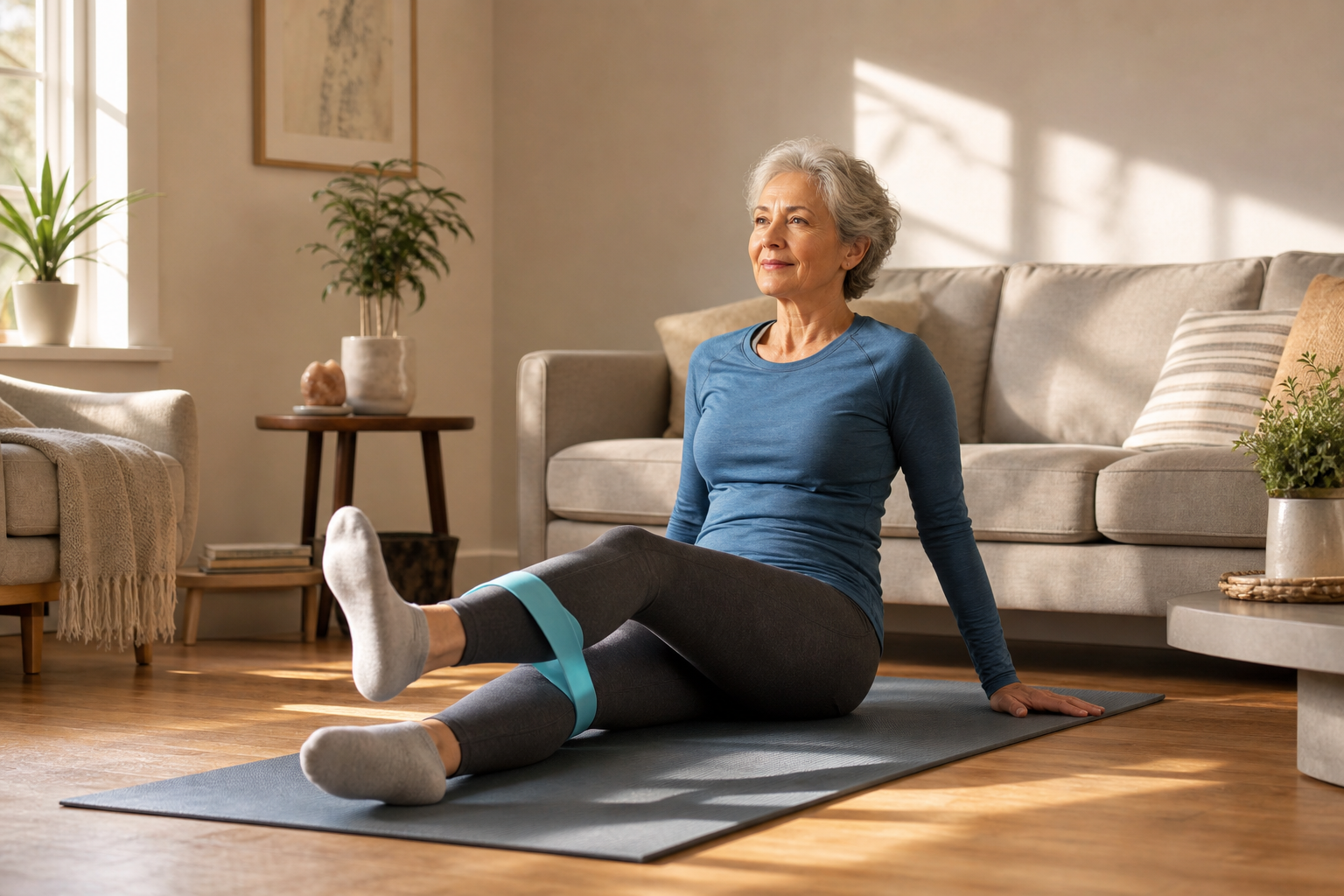
I know, the idea of moving more when your knee feels like it’s full of sandpaper sounds bonkers. But hear me out. Several studies (BMJ, 2021) show that low-impact movement—walking, gentle cycling, aquatic exercise—can actually reduce pain and improve joint function. Why? Because motion lubricates the joint and strengthens the muscles that protect your knee. That’s not just science, that’s real-life magic. Even my uncle, who swore he was too far gone, got measurable relief once he committed to walking 10 minutes a day, rain or shine.
Start slow. Even two minutes of gentle, pain-free movement is a win. If you can up it to 5-10 minutes, even better. Aquatic classes at the Y are gold—water supports your weight and soothes the joint at the same time. If you’re stuck for ideas, I often recommend Treat Your Own Knees by Jim Johnson—it’s $11 and written by a physical therapist who actually gets what it’s like to hurt. The book covers simple exercises that don’t require a gym or fancy equipment. (I used some of these moves with my own mother-in-law, and she still thanks me every Thanksgiving.)
2. Bracing and Compression—When (and How) It Helps
Look, braces aren’t magic, but they can be a game-changer for the right person. There are two main types I see help folks with bone on bone knee pain:
- Compression sleeves – These provide gentle support and warmth to the joint. Nothing fancy, but many of my clients report less pain during daily errands and workouts. The Modvel Compression Knee Brace (sold as a pair, under $15) is wildly popular—75,000+ reviews, breathable material, anti-slip design. I’m not saying it’ll make you run marathons, but it helps you tolerate movement and get through the day.
- Stabilizing braces – If your knee gives out, a medical-grade brace with side stabilizers and a patella gel pad (like the NEENCA Professional) can offer more support. It’s especially useful if you also have ligament weakness or your knee wants to buckle.
My two cents: Try a basic sleeve first. If you need more, upgrade. But always listen to your body—and don’t wear any brace 24/7. Muscles need to work, too.
3. Topical Relief: Does It Work?
Here’s where it gets interesting. Topical NSAIDs—think Voltaren Arthritis Pain Gel—have become mainstream thanks to FDA approval of diclofenac sodium for osteoarthritis. Large randomized trials (see BMJ, 2020) show that Voltaren can offer pain relief for moderate OA, often with fewer side effects than oral pills. Is it a cure? No. But applying it 2-4 times daily can take the edge off, especially during flare-ups. I keep a tube in my gym bag.
If your skin is sensitive or you have questions about drug interactions, check with your doctor before trying any topical treatment.
4. Hot and Cold: Simple, But Effective
Most of my clients swear by either heat or ice—sometimes both in the same day. Heat (like a heating pad or warm bath) soothes stiffness and improves blood flow before activity. Cold (ice packs, frozen peas) helps with swelling or after you’ve overdone it. Which to choose? It’s partly personal preference. The Pure Enrichment PureRelief XL Heating Pad is a client favorite for at-home use, but honestly, a cheap hot water bottle works too.
And—because I get asked this weekly—don’t put ice directly on skin, and keep sessions to 15-20 minutes at a time.
What About Injections and Surgery?
Now for the elephant in the room: When is it time to see an orthopedic surgeon? Look, not every person with bone on bone knee pain needs a replacement. But if your pain is uncontrolled, mobility is tanking, or you’ve lost sleep for weeks, it’s worth the conversation. Steroid injections can provide temporary relief (sometimes a few weeks to a few months), but repeated injections may weaken tissue over time (Journal of the American Medical Association, 2017). Hyaluronic acid (the "rooster comb" shot) gets mixed reviews—some feel better, others notice zilch.
Knee replacement? It's major surgery, but for the right person, it can truly change a life. The rehab is tough (no sugarcoating that), but over 90% of folks see significant pain reduction and better mobility within a year, per the American Academy of Orthopaedic Surgeons (2021). The real challenge is timing—don’t rush in, but don’t wait until you’re housebound either.
I’ve coached dozens of post-op patients. The happiest ones? They went into surgery as strong and active as possible, with realistic expectations and a solid support system.
Nutritional Approaches: What’s Worth Your Time?
Here’s where controversy creeps in. I know everyone wants a supplement that will regrow cartilage. I’ll be honest—most over-the-counter joint pills make bold promises and deliver mild results at best. There’s some evidence for anti-inflammatory diets (think Mediterranean style: lots of veggies, fish, olive oil, nuts) easing general inflammation, but results are usually subtle and take weeks to months to notice.
Omega-3s (in fatty fish or supplements) have some low-grade evidence for pain reduction (Cochrane Review, 2018), but don’t expect miracles. As for turmeric/curcumin? Maybe a tiny benefit, but only at high doses (usually more than you’ll find in a typical grocery store bottle). And—again, because I care—talk to your doctor before starting any new supplement, especially if you’re on blood thinners or have liver or kidney issues.
Lifestyle Tweaks That Make a Big Difference
You’ve heard it before, but weight loss—if you have weight to lose—can be a game-changer. The math is brutal: every extra pound adds about four pounds of pressure across the knee. Even a 5% drop in body weight (say, 10 lbs for a 200-lb person) can mean a measurable reduction in pain and improved function (Arthritis Care & Research, 2019). Not easy, but absolutely worth the effort if possible. Small changes—fewer sugary drinks, an extra lap around the block—add up. Celebrate the wins, no matter how tiny.
And don’t underestimate sleep. Poor sleep can worsen pain (and vice versa). If you’re tossing and turning, mention it to your healthcare provider. Sometimes adjusting pain meds, a better pillow, or even a hot bath before bed can help.

What I Tell My Own Family: Honest Takeaways
Here’s my real-world, no-BS summary of what I’ve seen work best for bone on bone knee pain—whether you’re 55 or 85:
- Stay as active as your pain allows. Movement is medicine. Even small amounts.
- Use braces, sleeves, or topical relief as tools, not crutches. They make life easier. Just don’t become dependent.
- Hot/cold therapy soothes, but won’t fix structural damage. Use it for symptom control.
- Nutrition matters, but it’s not a miracle cure. An anti-inflammatory diet can help, especially if you’re overweight.
- Talk to your doc about injections or surgery if pain and function are out of control. Don’t wait until you’re miserable 24/7.
Most importantly: Don’t go it alone. Find a physical therapist, strength coach, or even an online support group. I’ve literally seen lives change with the right team and a little patience.
Final Thoughts: You’re Not Broken
I know how frustrating bone on bone knee pain can be. It can steal your independence, your hobbies, your sleep—heck, even your mood. But you’re not broken. With the right mix of science-backed treatments, a few trusted tools (like the Treat Your Own Knees book, a Modvel Compression Knee Brace, or Voltaren Gel), and some honest support, you can take back a measure of control. I’m rooting for you. And if you have questions, my inbox is always open.
Stay strong, move smart, and take it one step at a time.
James Chen, MS, CSCS
Exercise Scientist, JointReliefReviews.com