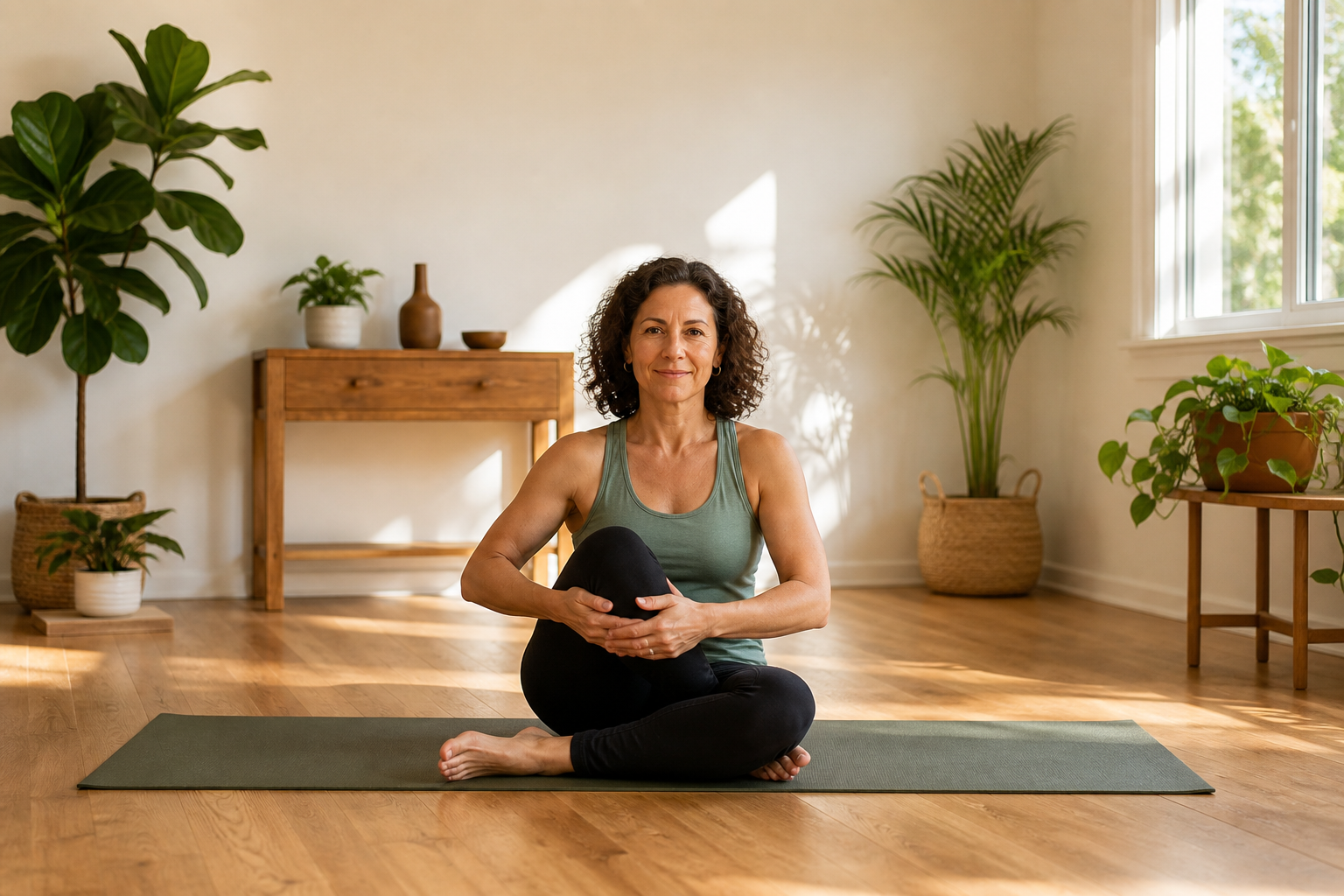
The Hip Pain Dilemma: Why Those Joints Just Won’t Budge
I’ll never forget the look on my neighbor Sharon’s face the first time her hip locked up on her during a walk. One moment we were chatting about her tomato plants, the next, she was frozen mid-step, wincing. As a health journalist who’s talked to countless people about joint pain, I’d seen it before. But when it’s someone you care about, the struggle hits differently.

If you’re nodding along because you can’t remember the last time you stood up without a little internal pep talk, you’re in very good company. According to the Journal of Rheumatology, up to 10% of adults over 50 report chronic hip pain. It’s not just a matter of aging—it can sideline athletes, dog-walkers, and even folks who swear by their yoga mats. And the pain isn’t just physical. Stiff hips mess with sleep, daily tasks, even your mood. I’ve heard stories from readers who couldn’t tie their shoes, let alone walk the dog.
What’s Really Going On in Your Hips?
Look, those ball-and-socket joints take a beating. The hip is the largest weight-bearing joint in your body, and it handles more impact than most people realize. Arthritis (both osteo and rheumatoid), bursitis, tightness from too much sitting, old sports injuries—they’re all culprits. Even your shoes (yes, those ‘cute’ ones) can contribute if you’re not careful.
Here’s the kicker: Most people treat hip pain with rest alone. But recent research—like the 2022 review published in Arthritis & Rheumatology—shows that targeted stretching can reduce pain and improve function far more effectively than inactivity. Gentle, regular motion signals the body to lubricate the joint and calms down the nerve pathways linked to pain. I’ll be honest: I was skeptical when I first read about ‘neural quieting’, but seeing patients regain range of motion with consistent stretching changed my mind.
But not all stretches are created equal. Some common moves (looking at you, seated toe-touches) can make things worse if you push too far or don’t support the joint correctly. The secret is knowing which hip stretches are safe, effective, and easy to stick with—even while scrolling your phone.
Best Stretches for Hip Joint Pain: My Personal Shortlist
Let’s get to the good stuff. These are the stretches I recommend most—informed by physical therapists, actual patient feedback, and heaps of peer-reviewed research. And yes, I do them myself (well, most days—nobody’s perfect).
1. The Figure-4 Stretch (Supine Piriformis Stretch)
This one’s a classic for a reason. It targets the pesky piriformis muscle, which often gets tight and presses on the sciatic nerve (hello, butt pain).
- How: Lie on your back with both knees bent. Place your right ankle over your left knee, making a ‘4’ shape. Grab behind your left thigh and gently pull it toward your chest. You should feel a stretch in your right hip and glute. Hold for 20-30 seconds, repeat on the other side.
- Why it works: A 2018 study from the International Journal of Sports Physical Therapy found the figure-4 increases hip flexibility and decreases pain after just two weeks of daily use.
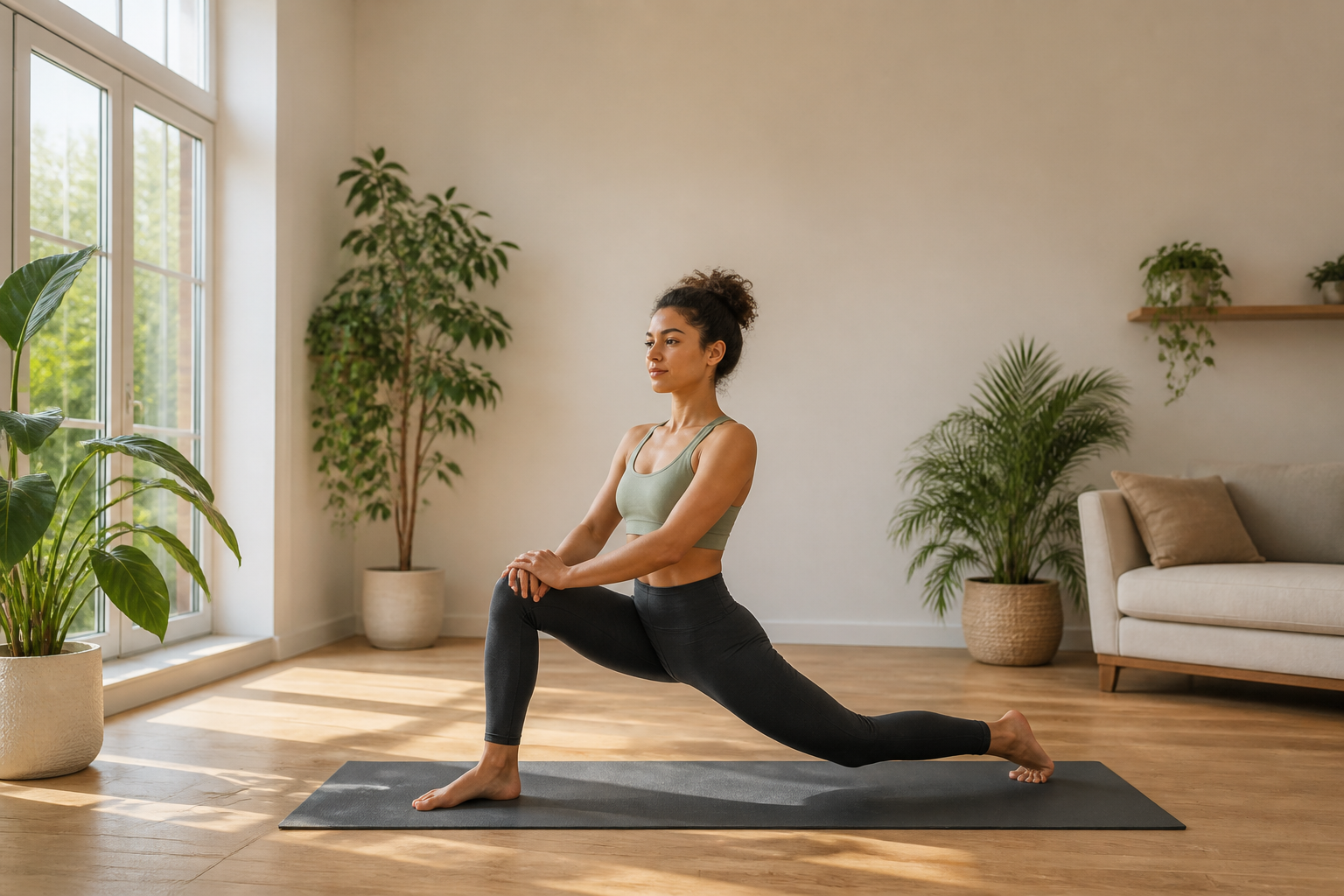
2. Hip Flexor Stretch (Modified Lunge)
After a day at my desk, my hip flexors feel like rusty door hinges. This stretch opens them up so well, I actually sigh out loud (my family teases me about it).
- How: Kneel on your right knee, left foot in front, both knees bent at 90 degrees. Press your hips gently forward until you feel a stretch at the front of your right hip. Don’t arch your back—keep your core tight. Hold 20-40 seconds per side.
- Tip: If kneeling is tough, place a folded towel or small heating pad under your knee.
3. Seated Hip Internal Rotation
This one’s oddly satisfying—almost feels like oiling the joint from the inside. It helps with stiffness and that pinchy feeling deep in the groin.
- How: Sit on the edge of a sturdy chair, knees bent, feet flat. Keeping your knees together, move your feet apart as far as comfortable, rotating from the hip. You should feel a gentle stretch deep in the hips. Hold for 10-15 seconds, repeat 3 times.
4. Lying Hip Abduction
My readers who’ve had hip replacements swear by this. It gently activates the glute medius (your side-butt), which supports the hip joint and reduces pressure.
- How: Lie on your side, lower arm under your head, top leg straight. Lift your top leg upward slowly, keeping your foot flexed. Pause, then lower. Repeat 10-15 reps per leg.
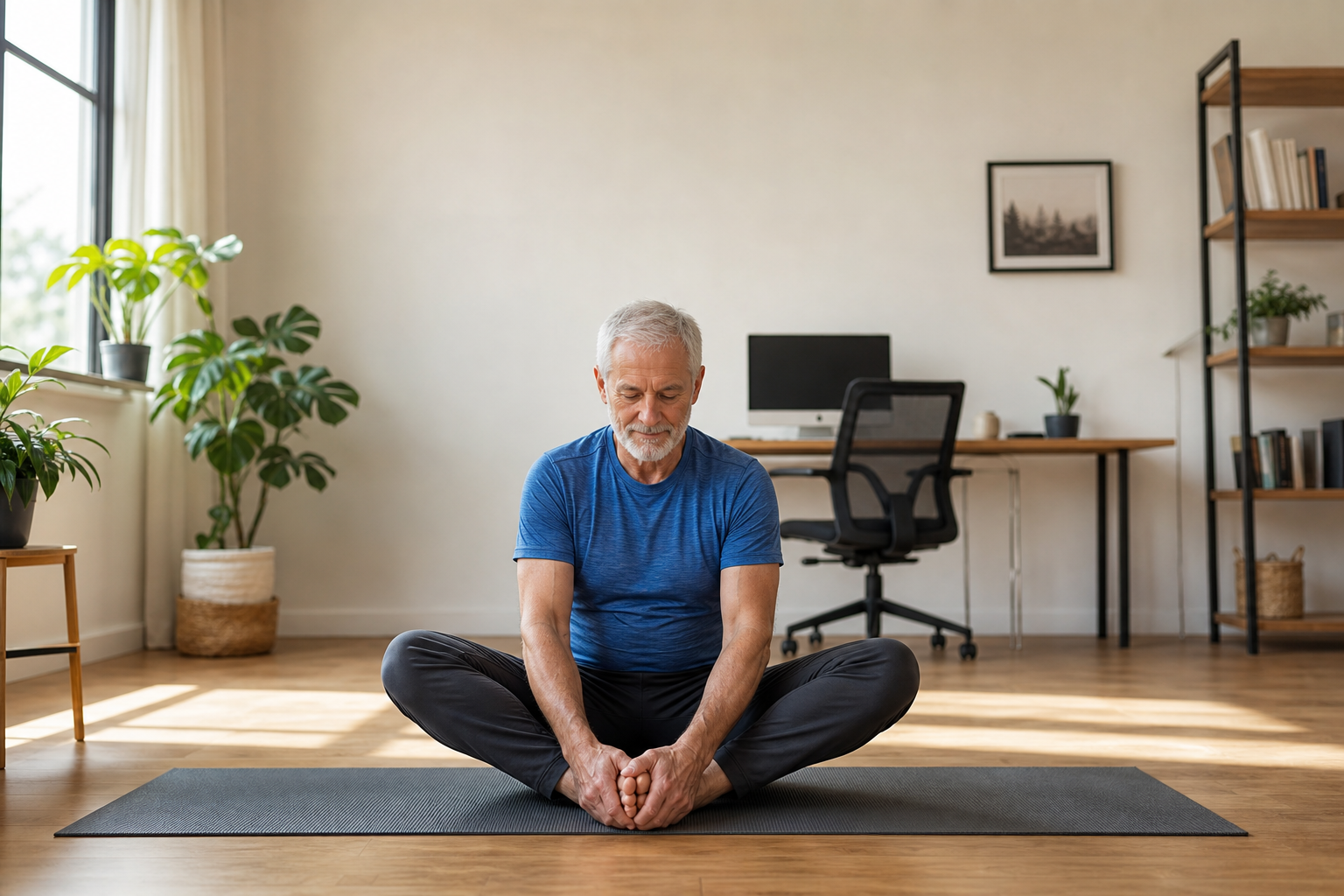
5. Butterfly Stretch
Don’t underestimate the classics! The butterfly remains a gentle but impressive opener for tight adductors and inner hips.
- How: Sit up tall, bring the soles of your feet together, knees out to the sides. Hold your feet and let your knees gently relax toward the floor—no pushing. You’ll feel a stretch in the groin and inner thighs. Hold 20-30 seconds.
Bonus: The Exercise Most People Forget—Hip Circles
Here’s where it gets interesting. Most stretching routines skip this, but functional movement—like hip circles—restores range and helps retrain the joint’s full mobility. I picked this up from a physical therapist who worked with ballet dancers. It’s awkward at first, but you’ll be amazed what it does over time.
- How: Stand holding onto a sturdy chair or countertop. Shift your weight to your left leg and gently swing your right leg in a slow, controlled circle—both clockwise and counterclockwise. Start small, increase range as you warm up. Do 8-10 circles per direction per leg.
Important: If any of these movements cause sharp pain (not just a gentle stretch), stop and talk to your doctor or a physical therapist. Don’t push through severe discomfort—pain is your body’s way of waving a red flag.
Why Stretching Actually Works (And What Science Says)
This isn’t just about feeling looser. Stretching—done right—does a few crucial things for hip joint pain:
- Reduces inflammation: Gentle movement increases blood flow, which helps clear inflammatory byproducts from the joint space (see 2019 BMJ meta-analysis).
- Lubricates the joint: Movement signals the synovial lining to produce more fluid, literally oiling the hinge.
- Calms pain signals: Stretches trigger a ‘reset’ for overactive pain nerves, helping them become less sensitive over time.
- Improves muscle balance: Tight muscles yank on the hip joint. Stretching restores length, reducing mechanical stress.
And here’s an unpopular opinion: Static stretching alone isn’t always the magic bullet. What matters most is consistency. Even five minutes a day makes a measurable difference over a couple of weeks. (The 2021 Osteoarthritis and Cartilage study showed folks who did daily, gentle hip stretches reported 30% less pain and less reliance on painkillers after six weeks.)
Other Real-World Tips That Work
While stretching is foundational, there’s more to the puzzle. In my experience, the folks who find the most relief combine stretches with these strategies:
- Heat before stretching: Warm muscles are safer to stretch and less likely to spasm. A moist heating pad—like the Pure Enrichment PureRelief XL Heating Pad—is my go-to, especially on chilly mornings or after a walk. The extra-large size covers both hips at once. Game-changer if you’re stiff.
- Don’t skip strength: Weak glutes and abdominals force your hips to overcompensate. Even basic exercises (bridges, gentle squats) make a massive difference.
- Check your seating: Slouching—especially on soft couches—tightens hips. A firmer chair and a lumbar pillow may help.
- Try topical relief: On flare days, a reader told me she swears by Voltaren Arthritis Pain Gel, which uses the FDA-approved diclofenac sodium. University of Michigan studies found it significantly reduced osteoarthritis pain with minimal systemic side effects—no need to pop extra pills.
- Hydrate: Dehydrated joints are cranky joints. You’d be surprised how often simply drinking more water reduces stiffness!
Stretching Myths That Need to Die
Here’s where I might ruffle some feathers. There’s a lot of bad advice about hip stretches floating around on social media and even in some doctor’s offices (I said what I said). Let’s clear a few things up:
- Myth 1: ‘No pain, no gain.’ Not with hips. You want a gentle stretch, not a wince.
- Myth 2: ‘Stretching once a week is enough.’ Frequency trumps intensity. Five minutes daily beats one brutal session on Sunday.
- Myth 3: ‘Only old people get hip pain.’ My email inbox says otherwise! Runners, cyclists, and even teens land here.
- Myth 4: ‘Supplements fix everything.’ The science is mixed. Some people swear by glucosamine (1500mg/1200mg chondroitin is the typical dose), but no pill replaces regular movement.
Tools That Actually Make Stretching Easier
I’m a big believer in making at-home care simple. Here are the two things I reach for most:
- Moist Heating Pad: I already mentioned the Pure Enrichment PureRelief XL Heating Pad. The moist heat penetrates deep muscle and hip tissue. I set it on low for 10 minutes before stretching, especially when I wake up stiff. Readers often report less ‘catching’ and more range of motion once they start using it.
- Tried-and-True Exercise Guides: If you want a hand-holding approach, the book Treat Your Own Knees by physical therapist Jim Johnson includes several safe hip stretches too. (Yes, the title says knees, but hips and knees are a package deal—trust me, I’ve interviewed this guy, and his diagrams are fantastic.)
And no, you don’t need fancy resistance bands or a $1,000 massage gun. Consistency wins every time.
When to See a Doctor or Specialist
Here’s the thing: Persistent, worsening hip pain isn’t something you should just tough out. If you notice clicking, locking, swelling, or pain that keeps you up at night, get checked. Hip pain that shoots down the leg, causes numbness, or follows a fall always deserves a call to your doctor. Early treatment prevents small annoyances from becoming lifelong problems. (A lesson my own father-in-law learned the hard way.)
Fresh Takeaways for Hip Relief
- Start small and focus on daily consistency over intensity—it’s the #1 predictor of success.
- Using heat before stretching makes everything feel easier and safer.
- Skip stretches that cause sharp pain, and always listen to your body’s warning signs.
- Good stretches target the front (hip flexors), side (abductors), and deep rotators—don’t just focus on one area.
- Combine stretching with strength, hydration, and the right tools for best results.
Look, hip pain can feel isolating and discouraging—especially when you see other people springing up off the couch like it’s nothing. But you’re not broken, and you’re definitely not alone. A few targeted stretches, made part of your daily routine, can make a truly surprising difference. If you find a tool or product that helps you stick with it, even better. And if you ever need a new move or just a little commiseration, my inbox is always open.
— Karen Whitfield
Health journalist, joint health advocate, and lifelong stretch-skeptic turned believer