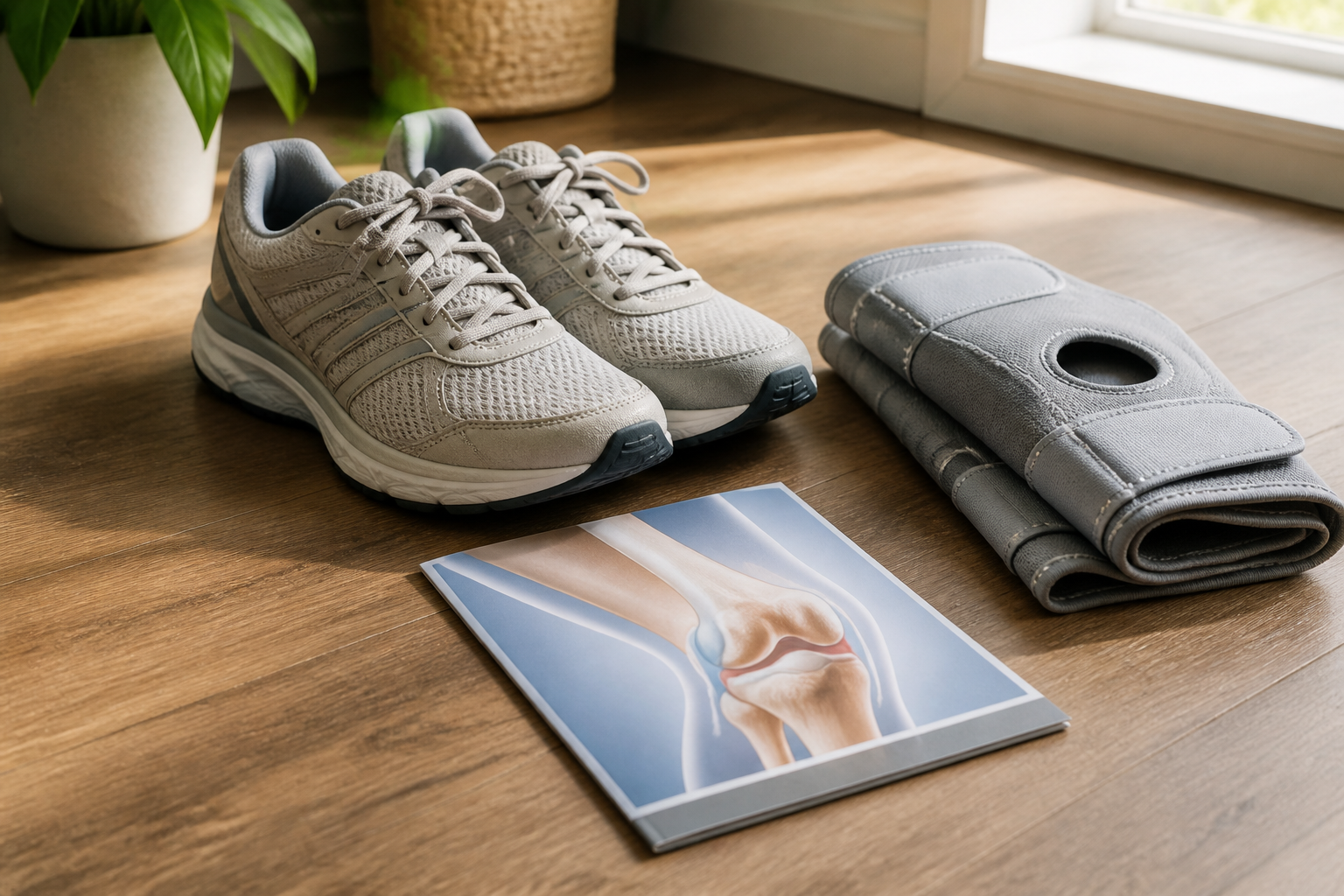
The Best Shoes for Walking with Knee Arthritis: What Actually Makes a Difference?
I’ll start with a story. A couple of years ago, a reader—let’s call her Joan—emailed me about her daily walks turning into limping, grimacing struggles. She’d done everything "right": watched her weight, did her quad sets, tried supplements... but her knees screamed every time she walked more than a half mile. Joan was only 52, but her cartilage was thinning fast (confirmed by her orthopedist, unfortunately). She asked me the same thing I hear in my clinic almost weekly: "Are there really shoes that help with knee arthritis, or is it all marketing?"
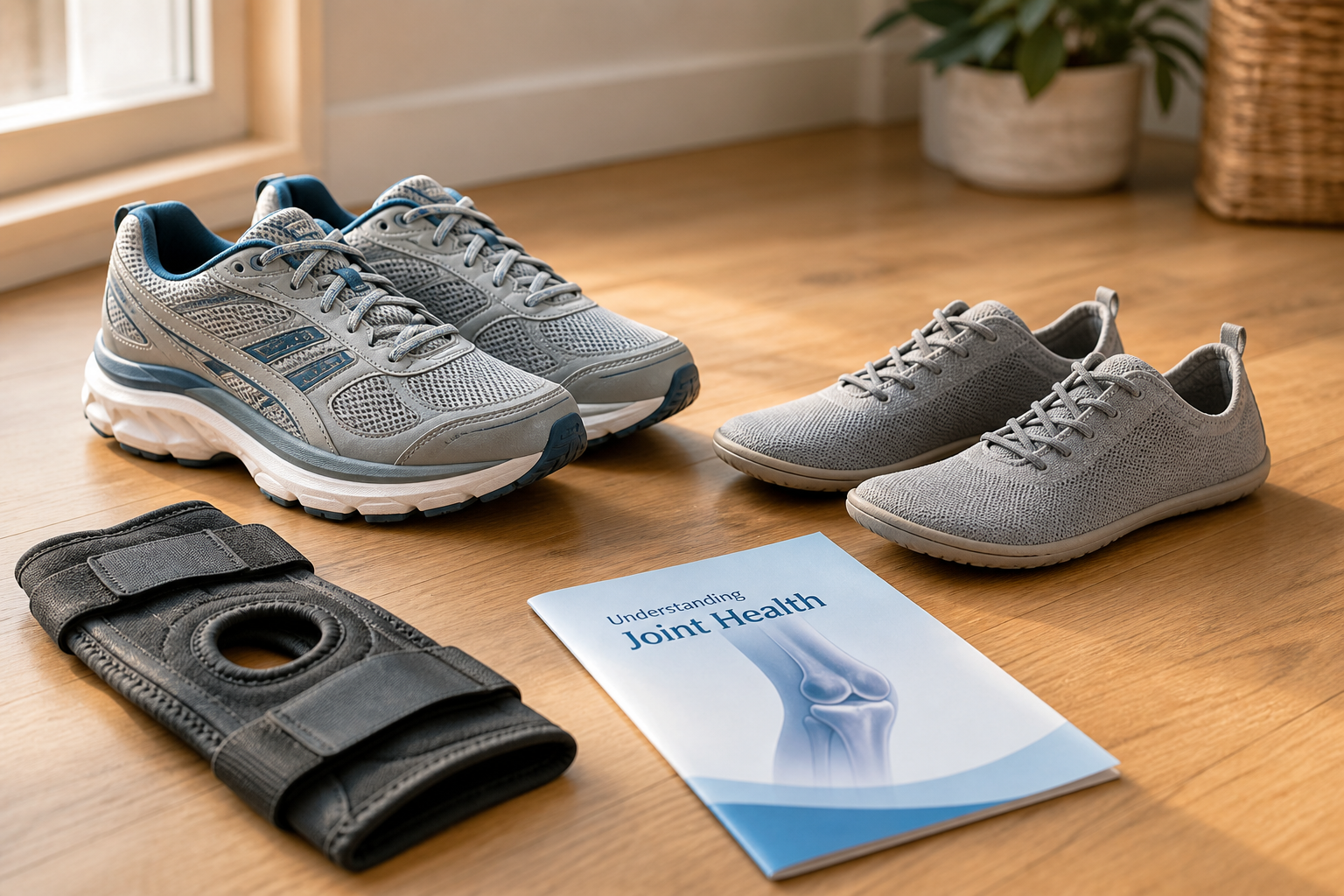
Look, I’ve been a physical therapist for more than a decade, and I’ll be honest—shoe companies love to slap “arthritis-friendly” on just about anything. But here’s the thing: some shoes do make a real difference for knee arthritis. Others? They might actually make things worse. The trick is knowing what features to look for (and what to avoid).
Walking with Arthritic Knees: The 3AM Aches Are Real
If you’re reading this, you probably know the cycle. You want to stay active—because, yes, movement is good for joints according to Arthritis & Rheumatology (2016)—but after a few blocks, every step feels like someone’s sticking a knitting needle under your kneecap. Maybe you’ve tried inserts. Maybe you’ve even splurged on fancy sneakers. Still, those dull aches come creeping back at 3AM.
I get it. My own mother-in-law has knee osteoarthritis, and buying shoes felt like spinning a wheel—sometimes she’d find a pair that worked for a month, then the support would flatten, and the pain would creep back. That’s why I take shoe recommendations personally. Too many patients get stuck in this loop: buy, hope, limp, repeat.
Knee Arthritis and Shoes: What the Science Says
Let’s cut through the noise. The best research on footwear and knee osteoarthritis boils down to two things: load distribution and shock absorption.
- Load Distribution: Certain shoes can actually change how much force goes through the inside (medial) part of your knee—the area most often affected by arthritis. A 2013 study in the Annals of Internal Medicine found that flat, flexible shoes (like minimalist sneakers or some walking sandals) reduced knee loading during walking. But—and here’s where it gets interesting—people with moderate to severe arthritis often felt worse in those minimal shoes due to lack of support.
- Shock Absorption: Shoes with a cushioned sole help dampen the impact on arthritic joints. Multiple studies (BMJ 2016, Journal of Rheumatology 2019) confirm that shock-absorbing footwear can reduce pain—especially on hard surfaces.
But it’s not just about foam or air bubbles. The right shoe needs to match your foot shape, walking pattern, and how progressed your arthritis is. That’s why “the best shoe” isn’t one-size-fits-all (pun intended).
The Goldilocks Principle: Finding the "Just Right" Shoe
Here’s what I tell patients, friends, and—yes—my own family. If your shoes are too soft (think: memory foam slippers), you’ll sink in and lose stability. Too stiff, and your knees will feel every jolt. You want a combination of moderate cushioning, mild arch support, and a slightly flexible sole. Extra points for a wide toe box and a secure heel.
And the heel matters! If you’ve got a high heel (even in “fashion sneakers”), your knee joint takes extra stress. I remember a patient—let’s call him Mike—who insisted his old basketball sneakers had “great arch support,” but the thick, raised heel was quietly wrecking his knees with every step. Once we swapped him into a lower-profile walking shoe, he was shocked by the difference in a week.
Top Features to Look For (And a Few to Avoid)
- Low Heel Drop: Aim for a heel-to-toe drop of 4mm to 8mm. Anything higher pitches your weight forward, increasing knee stress.
- Cushioned, But Not Mushy: The midsole should compress slightly under your weight—but bounce back, not flatten.
- Roomy Toe Box: Your toes should wiggle freely. If you’ve got bunions (which often tag along with arthritis), this is non-negotiable.
- Sturdy Heel Counter: Press the back of the shoe—if it collapses, the shoe won’t control your stride.
- Lightweight Build: Heavy shoes sap energy and can alter your gait, according to the Journal of Orthopaedic Research (2018).
- Avoid: Slip-ons (unless they’re snug), high heels, completely flat minimalist shoes (for most with moderate/severe arthritis), and shoes with no arch support.
If you’re nodding along, you’re not alone. I’ve tested dozens of shoes on real patients—different body types, walking styles, and stages of arthritis. The same mistakes pop up again and again: “pillow” shoes with no support, or ultra-stiff shoes that turn every step into a stomp. Both can backfire, especially for arthritic knees.

What About Orthotics and Inserts?
Orthotics can be a game-changer if your foot mechanics are part of the problem. Overpronation (foot rolling in), high arches, or uneven leg length can all increase knee strain. Custom orthotics are pricey, but even over-the-counter versions (like those from Dr. Scholl’s or Superfeet) help some patients. In a 2017 BMJ Open study, nearly 48% of participants with knee OA reported moderate pain improvement with quality insoles.
But here’s the kicker: if your shoes are unsupportive out of the box, even the world’s best insert won’t save you. Shoes come first, then inserts. (And always bring your orthotics with you when trying on new shoes—trust me.)
Do Certain Brands or Models Stand Out?
I get more emails about shoe brands than almost any other topic. Hoka, Brooks, New Balance, Asics—the "big four"—all make shoes with solid shock absorption and support. But within each brand, you’ll find a dizzying range. My advice? Ignore the fads. Look for models marketed as “walking” or “max cushion running” shoes rather than bare-bones trail or fashion sneakers.
Three models my patients love (and I’ve tried myself in the clinic): Brooks Addiction Walker, Hoka Bondi, and New Balance 928. All have moderate heel-to-toe drop, a wide base, plush-yet-firm cushioning, and good stability rails. Don’t be afraid to try on men’s or women’s versions—the fit can differ widely even at the same size.
How to Test a Shoe (And What Most People Miss)
Don't just stand in the shoe—walk at least 10-15 steps. Here’s the real test:
- Bend the shoe at the toe. It should flex, but not fold completely in half.
- Twist the shoe. A little torsion is fine, but it shouldn’t wring like a towel.
- Press the heel counter. It should feel sturdy and resist collapse.
- Check your alignment: Looking down, make sure the shoe doesn’t tilt your ankle in or out.
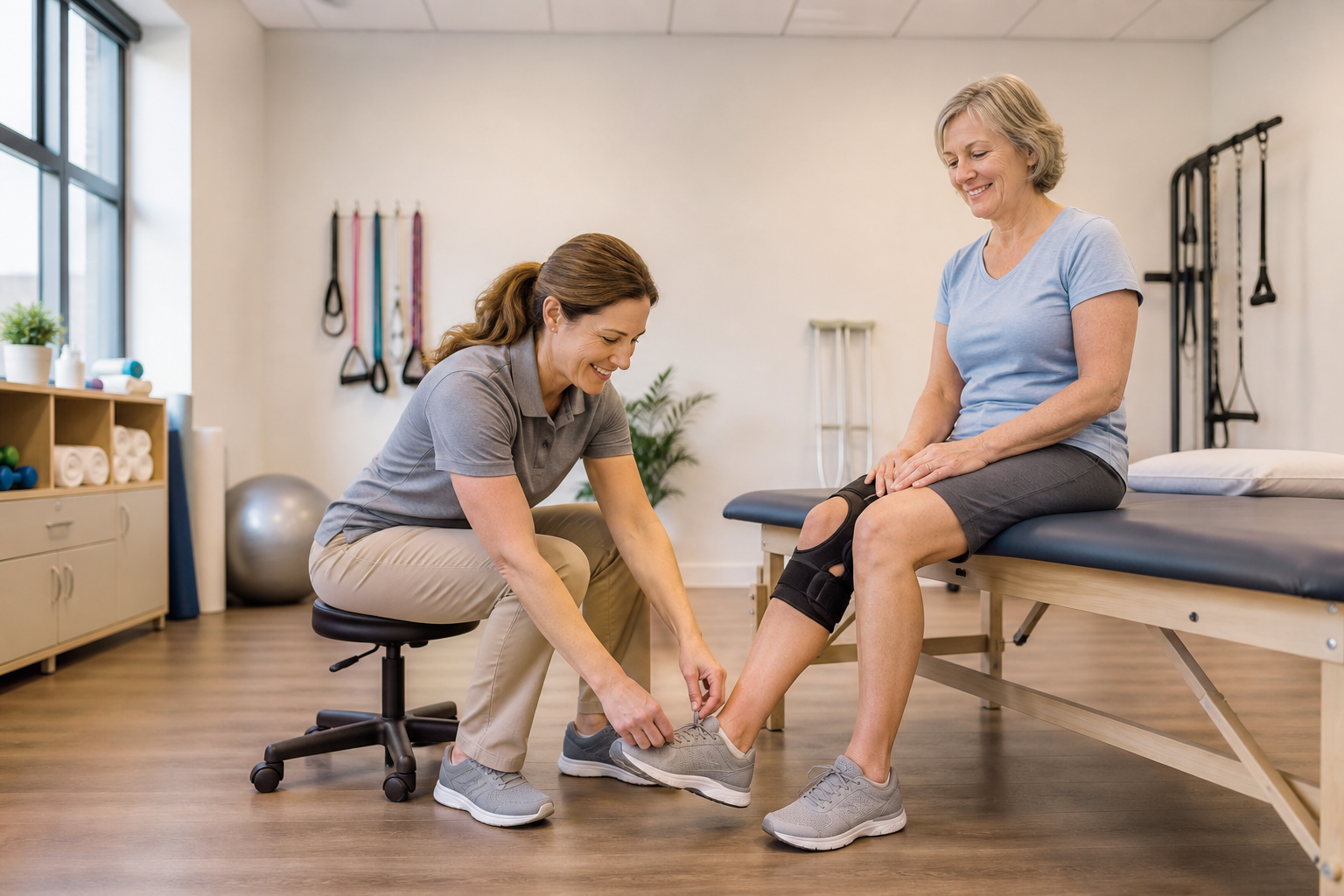
And—if you’re dealing with swelling (which comes with the knee arthritis territory), try shoes in the afternoon when your feet are largest. Bring your own socks and, if you use them, your knee brace too.
Shoe Shopping Traps: What to Skip
Here’s what most articles won’t tell you: "Extra-cushion" slippers and memory foam clogs often make arthritic knees worse over the long haul. Why? They let your feet drift, which subtly twists the knee with every step. I’ve also seen expensive “barefoot” shoes create major issues for folks with established arthritis—they’re fine if you’re 22 and running marathons, but not when your cartilage is thinning.
Lifestyle Tweaks That Compound Shoe Benefits
Shoes are just one (crucial) piece of knee-friendly walking. In my clinic, we combine the right footwear with:
- Strengthening: Focus on quads, hamstrings, and hip abductors. I often recommend Treat Your Own Knees by Jim Johnson—the exercise instructions are simple but research-backed. (I keep a copy in my waiting room, not kidding.)
- Knee Bracing: If you need a little stability, especially on long walks, something like the NEENCA Professional Knee Brace offers compression and side support without being bulky. One patient swears it’s the only way she gets through her daily dog walks without limping home.
- Pacing Yourself: Two 10-minute walks are often better than one 30-minute slog. And don’t be afraid to rest—your cartilage (and your spirit) need it.
Oh, and rapid-fire tip: Don’t ignore shoe lifespan. Most walking shoes lose their support after 350-500 miles, even if they still look good. I tell my patients—mark the date on your calendar, or use a running app just to keep track.
Some Final Thoughts (and a Bit of Myth-Busting)
You don’t need to spend $200 to get the best shoes for walking with knee arthritis. In fact, I’ve seen some of the pricier “luxury” brands fall flat—literally—after a few months of regular use. Focus on function over fashion, and don’t buy without trying them on and walking outside the store, if possible.
Most importantly: Shoes alone won’t magically fix knee arthritis, but they can dramatically reduce pain and boost your confidence to stay active. And staying active (even gentle walking) is one of the few proven ways to slow arthritis progression, per Arthritis Care & Research (2021). If you’re on the fence, ask your physical therapist—or shoot me an email. I love hearing what shoes work for real people out in the wild.
Keep in mind, none of this replaces medical advice for severe pain, locking, or instability—if your knee is giving out or swelling dramatically, talk to your doctor.
Takeaways for Real-World Knees
- Choose shoes with moderate cushioning, mild arch support, a roomy toe box, and a low heel drop.
- Avoid overly squishy or ultra-rigid shoes. Your knees (and balance) will thank you.
- Pair your shoe choice with exercise, pacing, and—if needed—support like a knee brace for best results.
- Focus on comfort and support over brand names or fads. Your joints care about biomechanics, not logos.
If you’re struggling to find the “just right” shoe, don’t get discouraged. Sometimes it takes trying a few pairs. But the real win? Finding something that lets you keep moving, enjoy the outdoors, and push those 3AM aches a little further into the past. That’s why I do what I do.
Wishing you happy, pain-free steps.
Dr. Sarah Mitchell, DPT
Senior Health Editor, JointReliefReviews