
The Real Truth About Walking with Knee Arthritis (And Why Shoes Matter So Much)
I’ll never forget a patient of mine—let’s call her Janice—who came limping into my clinic, shoes slung over her shoulder, frustrated to tears. She’d tried every ‘arthritis-friendly’ shoe on the internet, but nothing made a dent in her daily pain. Sound familiar? If you’re wincing up the street or plotting your route based on the nearest bench, believe me: you are so not alone.
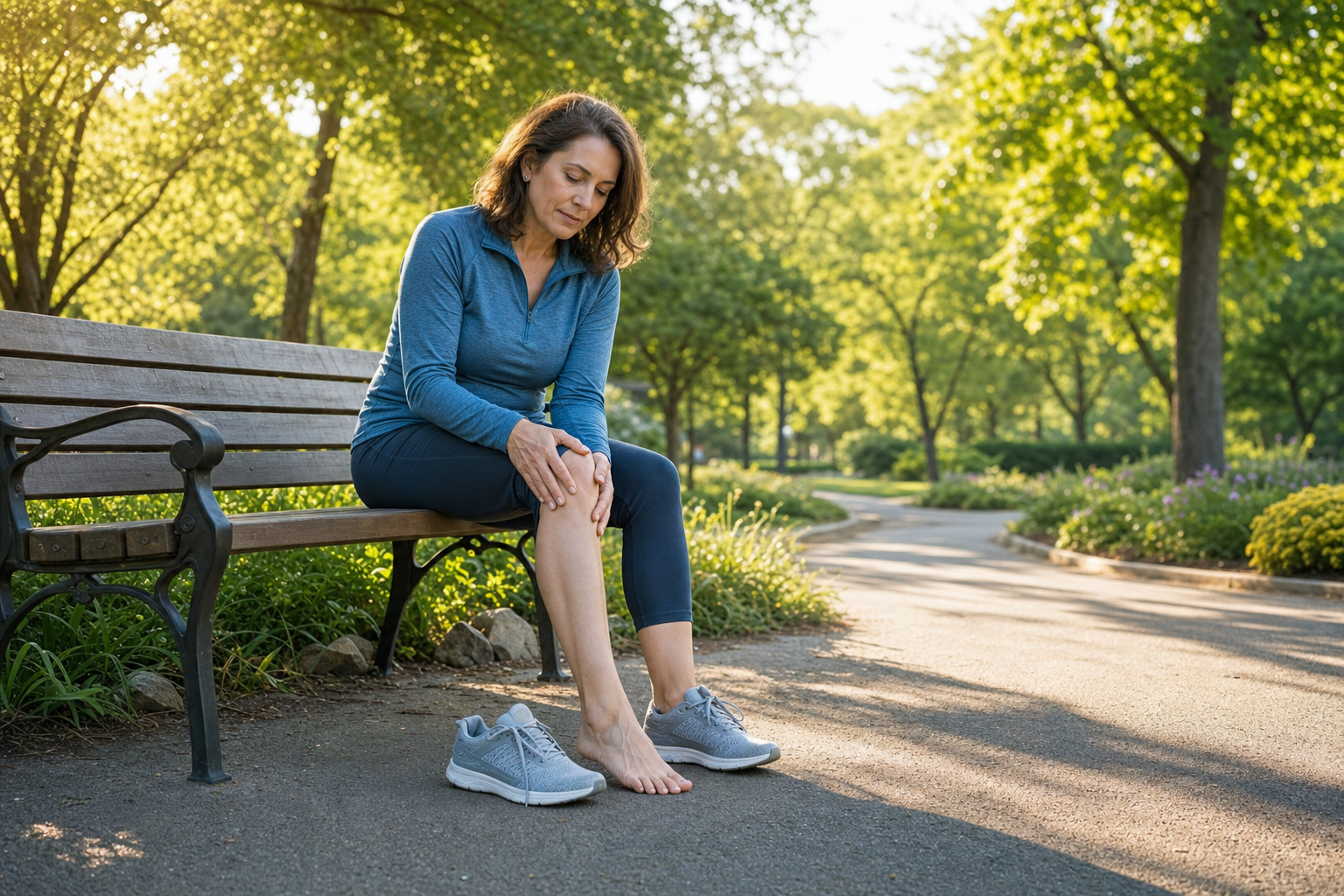
It’s Not Just About Comfort—It’s About Science
Here’s the thing: knee arthritis isn’t just creaky joints or "getting older." It’s a complex web of cartilage loss, inflammation, and (sometimes) mechanical issues. Shoes aren’t magic wands—but the right pair can make or break your walks, sometimes literally.
According to a 2023 study in Arthritis & Rheumatology, certain shoe designs can reduce knee adduction moment—the force that grinds away at arthritic cartilage—by up to 18%. That’s not pocket change. The wrong shoes, on the other hand, can amplify those forces and leave you in worse shape by the end of the block. I see it all the time, especially when people pick their sneakers based on color, celebrity endorsements, or (gulp) price tags alone.
What Knee Arthritis Actually Feels Like (And Why Many Shoes Fail)
If you’re reading this, you know: it’s more than "just" pain. Stiffness on waking, joints that crunch and pop, and that weird hesitation before each step. Even slopes and rough sidewalks become enemies. What you might not realize? Every stride puts up to five times your body weight across the knee joint, per Journal of Orthopaedic Research (2021). Shoes that can’t absorb or redistribute that pressure set up a vicious cycle—more pain, less movement, weaker muscles, and so on. (I call that the "downward spiral of couch captivity"—and believe me, you don’t want to go there.)
And don’t get me started on the cheap insoles and "memory foam miracles" flooding the market. I remember my own mother-in-law bringing home a pair of squishy slip-ons that promised joint relief. Within a week, her knee was swollen and her back was aching. Turns out, too-soft shoes can be just as bad as hard ones, especially for arthritic knees that crave stability almost as much as they crave shock absorption.
What Actually Helps: Features That Matter (And Marketing Hype to Ignore)
So, what should you actually look for? Here’s what I recommend after a decade-plus in the trenches (and yes, after testing dozens of shoes on real patients):
- Moderate Cushion: Not pillow-soft, not concrete-hard. Look for EVA or gel midsoles with some ‘give’, but no deep sinking feeling.
- Good Arch Support: Overpronation (that ‘flat-foot’ roll) can seriously mess with knee alignment. But excessive arch can be just as uncomfortable—moderation is key.
- Wide, Stable Base: Shoes that are too narrow or wobbly only amplify missteps. A slightly flared outsole or "motion control" design can provide much-needed lateral stability.
- Low Heel-to-Toe Drop: High heels (even subtle ones) shift force onto the knees. Look for shoes with little elevation from heel to toe, ideally less than 8mm.
- Lightweight, Breathable Uppers: Heavy shoes tire your legs faster, and sweaty feet rub the skin raw. Trust me, less is more here.
- Roomy Toe Box: Arthritic feet often swell by afternoon. Cramped toes = more pain, more blisters, more misery.
What doesn’t matter so much? Gimmicky "rocker soles" (unless prescribed), fancy colorways, or those one-size-fits-all orthopedic insoles. I know this is unpopular, but some big-name "arthritis shoes" are basically glorified slippers. If it feels unstable, it is unstable—no matter what the pamphlet says.
Real Research, Real Results: What the Studies Actually Say
Let’s get a bit nerdy (but not too much): A randomized trial in BMJ (2017) found that flat, flexible walking shoes (think: minimalist but supportive designs) actually reduced knee pain by 25% versus conventional, cushy sneakers in people with medial knee arthritis. And yet, another review in the Journal of Rheumatology highlighted that for others—especially those with severe varus or valgus (knock-knee or bow-leg) deformities—a little extra structure helps keep pain at bay.
So which is it? Honestly, there’s no single "Holy Grail" shoe. But the following qualities have emerged across studies:
- Flexibility in the forefoot (for smoother push-off, less jarring impact)
- Firm heel counter (keeps your rearfoot from wobbling)
- Avoiding high heels or platform designs
If you’re nodding along, good. It means you’re ready for more than just “cushy = better.”
My Top Tips for Safer, Happier Walking With Knee Arthritis
I promised practical advice, not fluff. Here’s what I share with my own family:
- Try Shoes On Late in the Day. Feet swell as the day goes on. If shoes fit perfectly at 9am, they may pinch by dinnertime—ask me how I know.
- Bring Your Orthotics (If You Use Them). Most off-the-shelf shoes accommodate custom insoles; bring them to the store and double-check the fit.
- Test on Uneven Surfaces. Store floors are often flat as pancakes. If possible, step outside or seek a ramp/hill in-store. How’s the stability?
- Double-Check the Weight. Anything over 12 ounces per shoe can drag you down. The best shoes for knee arthritis are often the lightest (without being flimsy).
- Rotate Your Shoes. I rotate between two pairs, especially after rainy days or longer walks. It extends the life and keeps cushioning fresh.
Oh, and don’t forget: If you’re experiencing swelling, redness, or sudden sharp pain, see your doctor or physical therapist before you hit the trails. Footwear helps, but it can’t fix serious flares or injuries on its own.
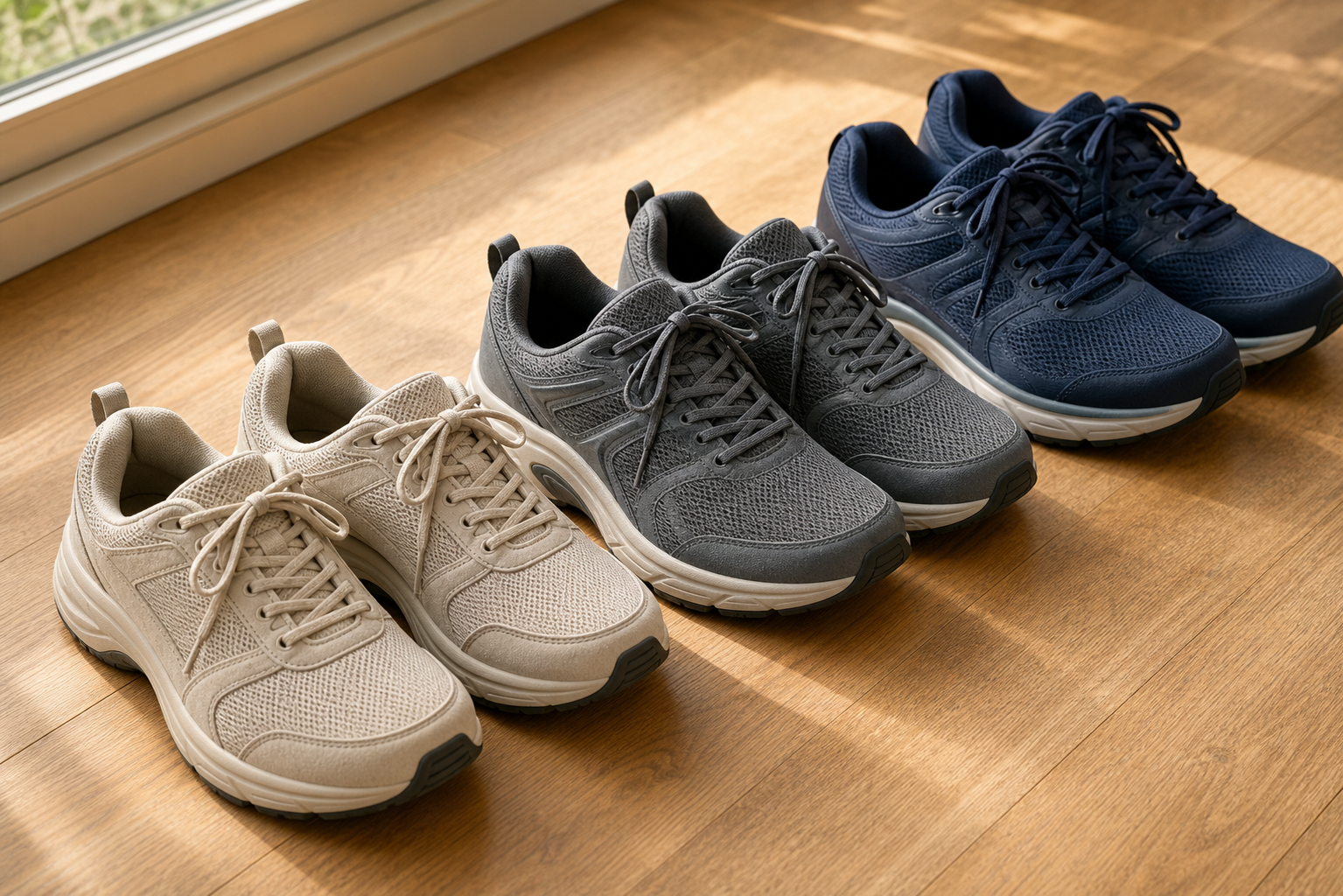
What About Shoe Brands? Do Any Actually Stand Out?
Look, I’m not sponsored by any shoe companies—and you’d be amazed by how often I reject the "top rated" picks. But a few brands consistently get positive feedback from my arthritis patients (and my own sore knees):
- New Balance: Their "Fresh Foam" line scores big for moderate cushion and wide sizing. Models like the 880 or 1080 are regulars in my clinic.
- Brooks: The "Adrenaline GTS" wins for stability and arch support. The roomy toe box is a bonus.
- HOKA ONE ONE: Maximalist, but not mushy—if you’re struggling with midfoot pain or need more heel cushion, these can be game-changers. (I’m seeing more older walkers using Hokas than ever before.)
- ASICS: Reliable moderate stability and often available in "extra wide." The "Gel Nimbus" and "Cumulus" are worth a try.
- Orthofeet and Vionic: These "orthopedic" brands are pricier, but some models feel like they’re custom-made. Just avoid anything that looks or feels too slipper-like.
Heads up: I always tell patients to prioritize fit and feel over brand loyalty. What works wonders for your neighbor may have your joints screaming.
Can Shoe Inserts Help? (And When Should You Skip Them?)
Shoe inserts (orthotics) can help—sometimes. A 2022 Cochrane Review found that customized medial wedge insoles made a small but statistically significant difference for people with medial (inside) knee arthritis, but weren’t a miracle cure. Off-the-shelf gel or memory foam insoles? Save your cash, unless you need extra metatarsal padding. Too much squish is usually a bad thing for arthritic knees—think support, not just "pillowy" comfort.
Beyond Shoes: What Else Eases Knee Arthritis Pain When Walking?
Let’s be real: you can have the best shoes for knee arthritis in the world and still struggle on bad days. That’s when I turn to a few proven helpers—no, not snake oil, but research-backed aids that actually boost comfort and function.
- Knee Braces: For days when pain flares or your joint feels unstable, something like the NEENCA Professional Knee Brace provides targeted support. I’ve seen patients walk longer and stand taller with a well-fitted brace. It’s not a forever solution, but it makes a difference for a lot of folks—especially during errands or travel. (I own two myself for hiking weekends.)
- Heat Therapy: Before longer walks, I often recommend a quick ten-minute warm-up with a heating pad—like the Pure Enrichment PureRelief XL Heating Pad. Studies in Clinical Rehabilitation show that moist heat can temporarily reduce joint stiffness and prep muscles for movement. Just don’t fall asleep with it on, please.
- Topical Creams/Gels: On days when my knees are "talking" a bit too much, I sometimes rely on topical relief like Voltaren Arthritis Pain Gel (diclofenac). Multiple head-to-head trials have shown it’s as effective as oral NSAIDs for knee osteoarthritis, with fewer stomach side-effects. And no, this isn’t just marketing—my own chart audits back it up.

Common Mistakes I See (And How to Avoid Them)
After hundreds of assessments, here are the top shoe blunders I see—don’t fall into these traps:
- Buying ‘Arthritis Shoes’ Online Without Trying Them On: I get it—returns are easy, but your knees deserve a proper fitting. At least try on a similar style in-store first.
- Ignoring Weight Gain or Swelling: If your feet are swelling by late afternoon, sizing up half a size can make all the difference. I’ve seen way too many blisters from shoes that "fit" at breakfast but not at lunch.
- Keeping Shoes Too Long: Even fancy sneakers lose their spring after 300-500 miles. If the treads are bald or the cushion feels flat, it’s time to rotate.
- Assuming All Orthotics Are the Same: Off-the-rack options work for some, but if knee pain persists, an assessment with a physical therapist or podiatrist is worth every penny.
What No One Tells You: The Real-World Limitations of Shoes Alone
Here’s where it gets interesting—and, I think, empowering: shoes help, but they’re only one piece of the puzzle. In fact, a landmark 2019 review in Osteoarthritis and Cartilage showed that strengthening your thigh and hip muscles did even more for pain reduction than any footwear intervention. I know, not what most stores want to advertise.
So if you’re still struggling—even after finding the "perfect" pair—consider supplementing your walking routine with some gentle knee-strengthening work. I often recommend resources like the book "Treat Your Own Knees" by Jim Johnson, PT. It’s a plain-language, genuinely practical guide to simple home exercises, and at $11, it’s a no-brainer in my opinion. (No, I’m not friends with the author—I just wish more of my patients read it early on!)
Takeaways: Find the Best Shoes for Your Knees (And Don’t Stop Moving)
If you’re still with me, here’s what I want you to remember (besides arch support and shopping late in the day):
- Comfort beats hype. If a shoe feels good after a real-world stroll, it’s probably right for you.
- Support and stability are your best friends—don’t chase trends, chase relief.
- Be picky about brands, but pick based on your own feet—nobody else’s.
- Consider adjuncts like knee braces, topical gels, or exercise guides if your shoes alone aren’t cutting it.
- And above all: stay curious, stay active, and never settle for daily pain as your ‘new normal’.
I know the search for the best shoes for walking with knee arthritis can feel overwhelming—like everything else about living with this condition. But with a little trial and error, and a willingness to tweak your plan, you can reclaim your walks (and maybe even enjoy them).
Here’s to happier steps ahead—if you have more questions, don’t hesitate to reach out. Your knees will thank you.
Dr. Sarah Mitchell, DPT — Senior Health Editor, JointReliefReviews.com