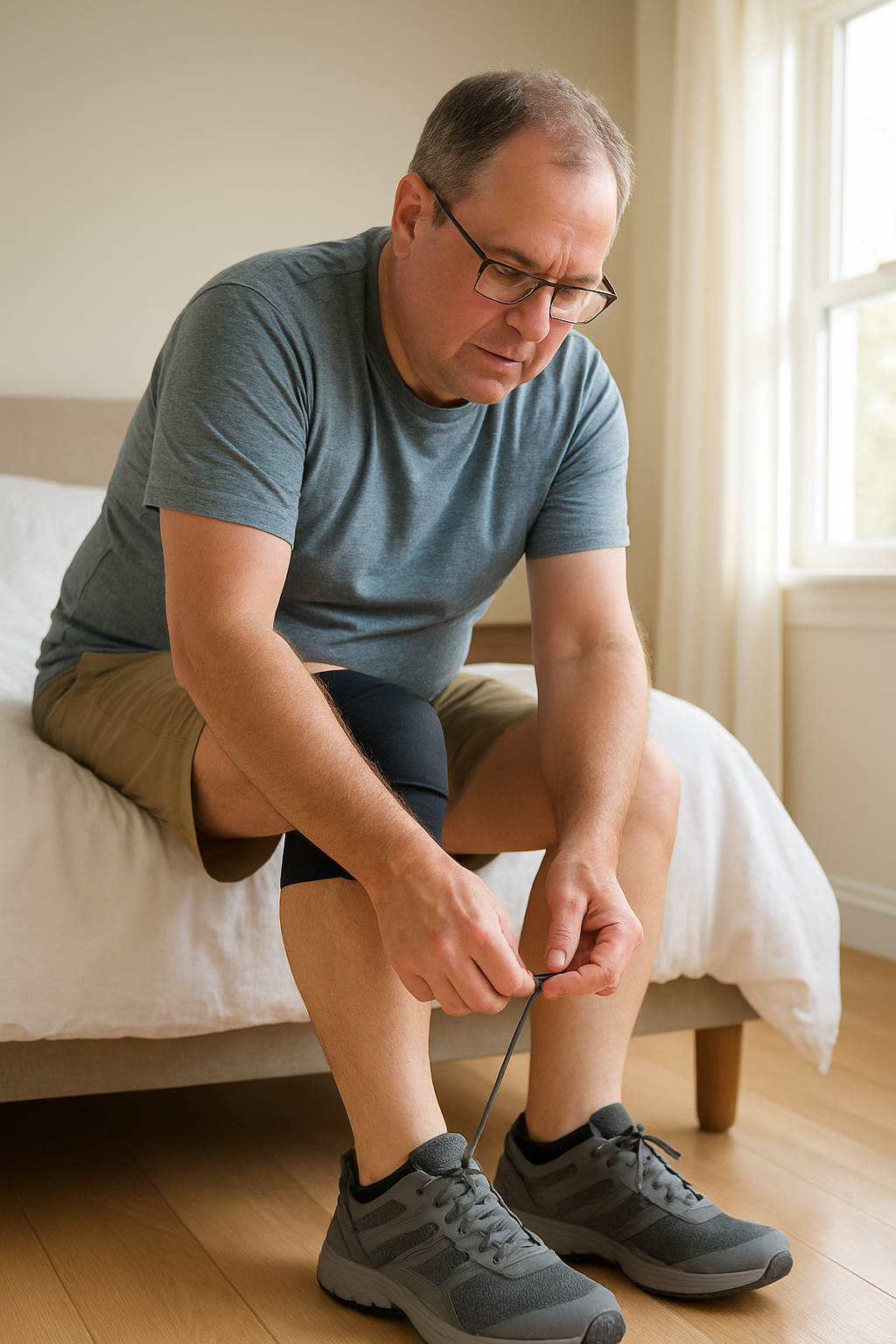
Here’s What Most Shoe Stores Won’t Tell You About Walking with Knee Arthritis
I’ll never forget the first time a patient—let’s call her Linda—walked into my clinic in tears. Not from pain, but from frustration. She’d spent weeks (and way too much money) hunting for the best shoes for walking with knee arthritis, only to end up with sore knees, a lighter wallet, and three returns she didn’t have the energy to ship back. If this feels familiar, you’re not alone. It’s a story I hear every month.
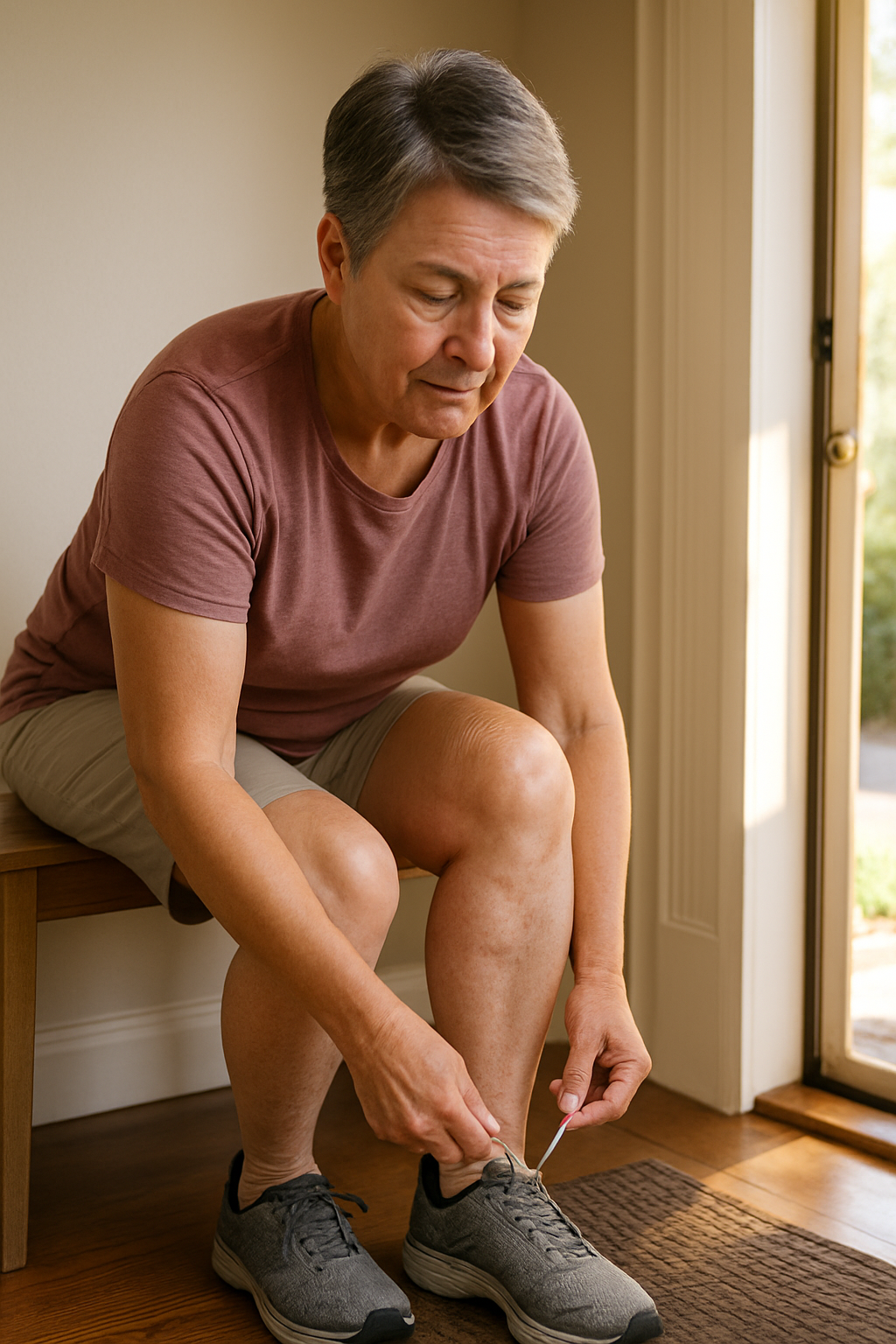
The Daily Grind: Why Knee Arthritis Makes Shoe Choice So Crucial
Here’s the thing: osteoarthritis in the knee isn’t just a dull ache. It’s a relentless, background noise that can turn every errand, walk with the dog, or trip to the grocery store into a calculated risk. One wrong step, or the wrong pair of shoes, and boom—your knee can swell up like a grapefruit by dinnertime.
In my years as a physical therapist, I’ve watched the right footwear cut pain in half for some folks—while the wrong shoes ramp it up to eleven. If you’re nodding along, you’re definitely not imagining it. But what actually makes a shoe arthritis-friendly? (Hint: it’s not always what the advertisements claim.)
What Science Says: Do Shoes Really Impact Knee Arthritis?
Let’s get nerdy for a second. The relationship between footwear and arthritis isn’t just marketing hype—it’s backed by some solid research. For example, a 2020 paper in Arthritis & Rheumatology found that shock-absorbing soles reduced reported knee pain by 21% on average over 12 weeks, compared to flat, unsupportive shoes. Another study in the Journal of Orthopaedic Research showed that flexible, lowest-heel shoes (“minimalist” styles) can drop the knee adduction moment—a key marker for arthritis progression—by as much as 15%.
But, and this is key, every knee is different. I’ve had patients who swear by maximal cushioning, and others who do better with a firmer, more stable base. Your anatomy, weight, and walking style all play a role.
What doesn’t help? Hard-soled dress shoes, unsupportive flip-flops, and—sorry, sneakerheads—those trendy, slip-on canvas shoes with zero real structure.
The Real Features to Look For (and What’s Overhyped)
- Shock Absorption Matters: Look for shoes with cushioned, slightly thicker midsoles. EVA foam or gel inserts are your friends.
- Supportive Heel Counters: Your shoe should “hug” the back of your heel so your foot doesn’t wobble side-to-side. This keeps your knee tracking better.
- Low Heel-to-Toe Drop: High heels—even on sneakers—force your knee forward and increase joint load. Aim for 0-8mm drop.
- Wide, Roomy Toe Box: Squished toes throw off your gait. Give your forefoot space to splay naturally.
- Removable Insoles: So you can swap in custom orthotics if needed (especially if you have flat feet, bunions, or plantar fasciitis lurking too).
Here’s where it gets interesting: “stability” shoes with stiff arch supports used to be all the rage, but recent research hints they may not reduce arthritis pain for everyone. The BMJ published a 2017 review showing that personal comfort—and consistency—matter more than rigidly following a ‘prescription’ shoe type. In other words: if it feels good and keeps you walking, you’re already ahead.
How I Recommend Shoes to My Own Family Members
I’ll be honest—I get texts from relatives (and even my husband, occasionally) asking, “Which walking shoes are actually best for knee arthritis?” I always say: try on several pairs late in the day. Knees and feet swell. The shoe that fits at 8 a.m. might squish your toes by dinner.
And—this is unpopular—don’t be dazzled by “arthritis” labels on the box. I’ve seen $40 shoes outperform $180 pairs, if they fit your foot’s shape and don’t pinch, slip, or feel tippy. Bring your own orthotics if you use them. Walk around the store for more than 30 seconds. If you notice hot spots, it’s a pass.
Lifestyle Tweaks That Help (More Than You’d Think)
Look, shoes are important, but they aren’t a magic bullet. The real ‘game-changer’ is pairing them with simple home exercises to strengthen your knees, hips, and ankles. Every patient I’ve seen with lasting improvement has focused on both. I often recommend Treat Your Own Knees by Jim Johnson, which is full of research-backed routines you can do without fancy equipment. My mother-in-law credits it for keeping her mobile well into her seventies (she’s the type to call and brag when she gets up the stairs—love her for it).
Other tweaks:
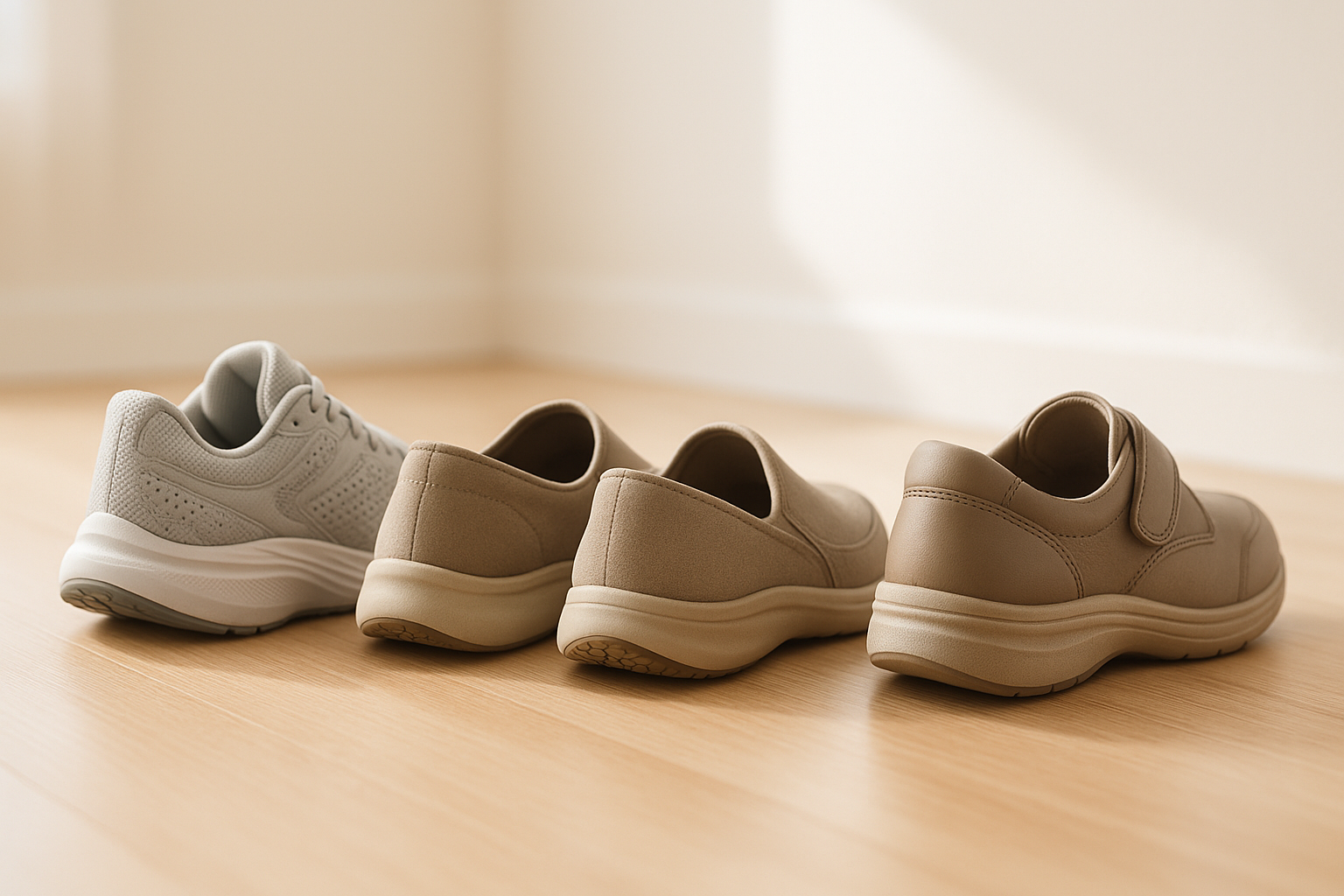
- Alternate Your Shoes: Wear different pairs on different days to vary the load on your joints.
- Consider a Knee Brace: If you feel wobbly or your alignment feels off, a brace like the NEENCA Professional Knee Brace can give extra support for walks or errands—especially if you’re tackling more than flat pavement.
- Get Your Gait Checked: A physical therapist (or some running shops) can assess your walking pattern. Sometimes a small adjustment relieves huge amounts of pain.
Which Brands Are Actually Worth Trying?
I get this question at least twice a week: "Is there a single 'best' shoe for knee arthritis?" Sorry, there isn’t. But some brands consistently make features that matter:
- New Balance: Known for wide sizes, removable insoles, and solid cushioning.
- Brooks (especially the Addiction and Dyad lines): Roomy toe boxes, sturdy heel counters, and good shock absorption.
- HOKA ONE ONE: Maximal cushioning, very popular with folks who want cloud-like softness underfoot (though some find them too squishy).
- Orthofeet: Specifically designed for foot and knee pain, good width choices.
- ASICS Gel-Nimbus or Cumulus: Classic for a reason—plenty of cushioned support and reliable fit.
And here’s a pro tip most store clerks won’t share: Bring your current insoles or orthotics to every fitting. And always wear the socks you actually walk in! (Thin dress socks create a totally different fit than thick athletic ones.)
What About Custom Orthotics?
This is a hot topic—and, honestly, a bit controversial. Prescription orthotics can make a huge difference for some people, especially those with flat feet (pes planus) or alignment issues. But for many, a good over-the-counter insole (try Powerstep or Superfeet) inside a supportive shoe does the trick. The Journal of Rheumatology published a 2018 study showing that custom orthotics reduced pain by an average of 1.8 points on a 10-point scale after three months. That’s decent, but not earth-shattering. My takeaway: try off-the-rack first, but don’t rule out prescription insoles if you’re still hurting.
FAQ: Your Real-World Walking Questions—Answered
- How often should I replace my walking shoes?
If you walk daily, plan on switching every 350-500 miles (about 6-12 months for most folks). Shoes lose their shock absorption long before they look worn out. - Are slip-ons okay?
Sometimes, yes—but only if they have a snug heel, room for your toes, and good cushioning. Too loose, and your knee pays the price. - Should I use a cane with new shoes?
If you feel unstable or are recovering from a flare, yes. Some days need more support. (No shame—mobility first, always.)

What’s All the Hype About Minimalist or Barefoot Shoes?
This comes up a lot—especially after some headline grabs. There’s some evidence that super-flexible, flat shoes can lower knee joint load (less force going through the joint). But—and this is a big but—if you’re used to cushioned or supportive shoes, it’s risky to switch cold turkey. I’ve seen people trade one pain for another. If you’re curious, ease into them very gradually and monitor for new aches. For most with moderate-to-severe arthritis, I still lean toward moderate cushioning and stability over the minimalist trend.
Beyond Footwear: Don’t Skip the Basics
I know this is an article about shoes, but I’d be remiss if I didn’t say: no shoe will override the basics. Weight management, regular movement, and (believe it or not) stress management all factor into arthritis pain. Even simple steps—gentle stretches after walking and using ice or heat when needed—make a difference. Talk to your doctor before making big changes, especially if your pain suddenly worsens or swells overnight. Shoes are a tool, not the only answer.
Quick Recap: What Actually Helps?
- Look for shock-absorbing, low-heel shoes with good heel support and a wide toe box.
- Don’t be afraid to try different brands—comfort trumps everything.
- Pair new shoes with strength and flexibility work (I recommend Treat Your Own Knees for home routines).
- If extra support is needed, try a medical-grade knee brace for extra stability on tougher days.
- Time your shoe shopping for late in the day—and always bring your own orthotics if you use them.
Final Thoughts: Your Path Back to Comfortable Walking
If you’ve made it this far, you’re already more informed than most shoe shoppers (and, honestly, quite a few store clerks I’ve met). Ultimately, the best shoes for walking with knee arthritis are the ones that fit your feet, ease your joint pain, and let you stay active.
So give yourself permission to experiment—and don’t let one bad shoe or rough walk convince you that comfort is out of reach. You deserve to move through your days with confidence, not caution. If you find a pair that finally feels right, shoot me an email—those success stories make my week.
Wishing you happy (and pain-free) steps,
Dr. Sarah Mitchell, DPT
Senior Health Editor, JointReliefReviews