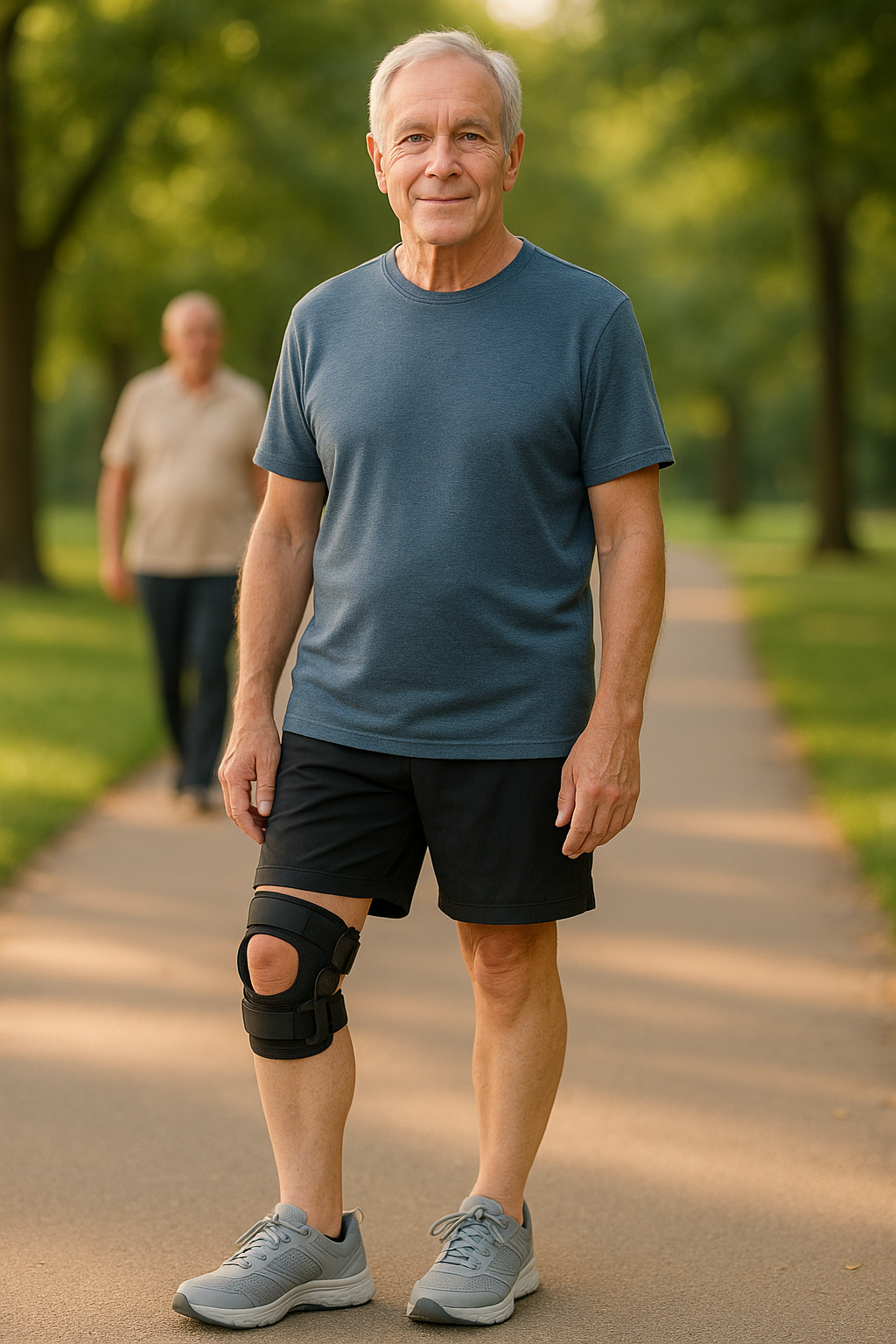
Best Shoes for Walking with Knee Arthritis: What Really Works (From a Chiropractor’s Perspective)
My cousin Maria called me just last month, her voice tight with frustration: "Mike, I finally want to start walking again, but every step just shoots pain through my knees. I tried fancy sneakers, even those 'orthopedic' slip-ons — nothing helps. What shoes actually work for knee arthritis?" If you’re nodding along, you’re not alone. Knee arthritis doesn't just sap your energy — it can hijack your daily routine. And the wrong shoes? They make it worse.
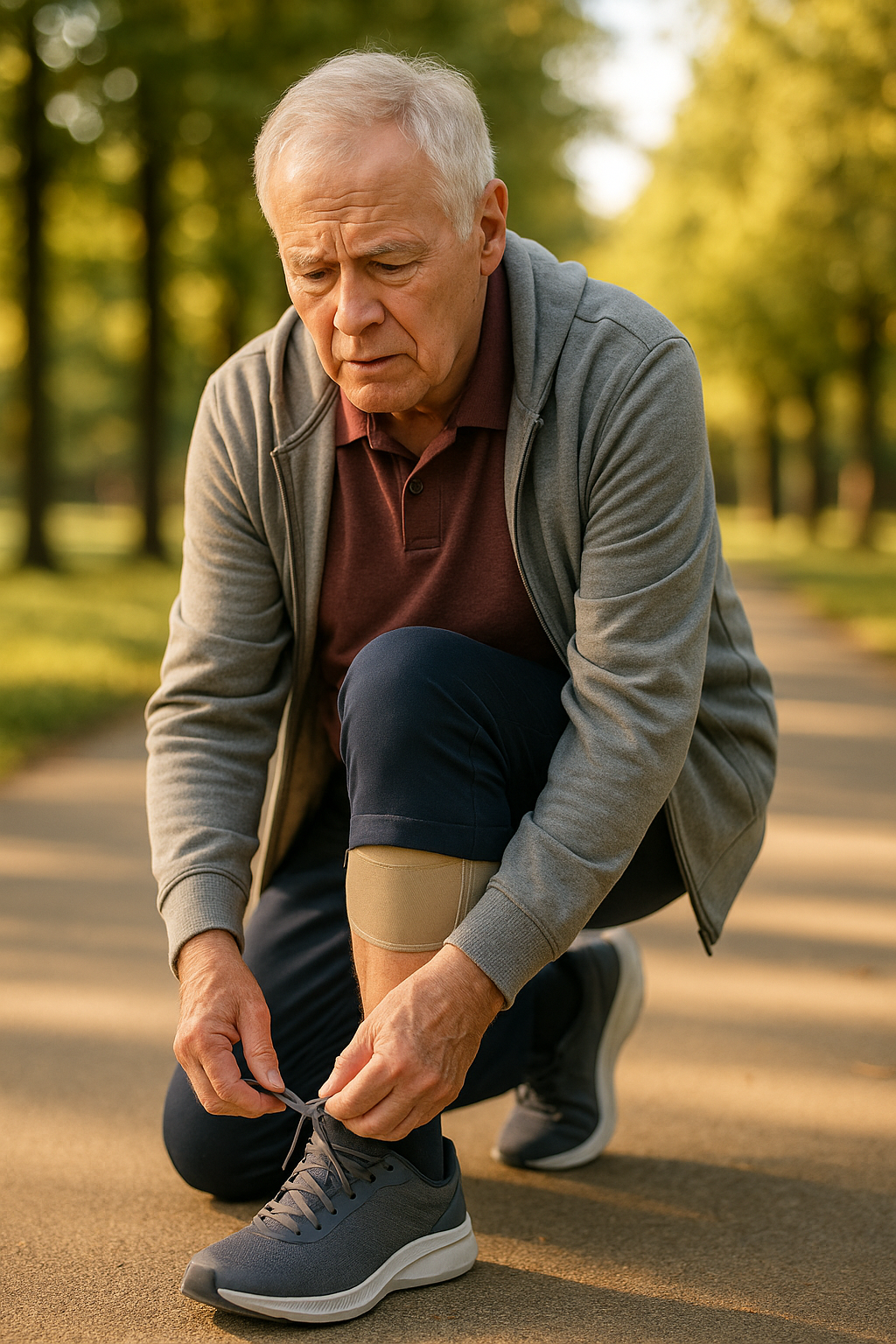
I Get It—Walking with Knee Arthritis Is a Minefield
I’ve treated hundreds (maybe thousands) of knees over the past decade. Some were the classic "I used to run marathons, now stairs are my Everest" types. Others just wanted to enjoy a pain-free stroll around the block with grandkids. But here’s the thing: almost everyone underestimates how much shoes matter. Sure, anti-inflammatories and physical therapy have their place (and so do braces, which I’ll get to), but daily steps are where the joint battle is won or lost.
Why is picking the right shoe so tricky? Simple. Most athletic shoes are designed for appearance or speed, not for joint protection. I see this mistake all the time: folks spend $150 on running shoes, only to discover they encourage too much motion, too little support, or the wrong kind of softness. The result? More pain, more swelling, and less motivation to move at all.
What Knee Arthritis Actually Does to Your Gait
First, a bit of science (but I’ll keep it human). Osteoarthritis, the most common type, wears down the cartilage cushioning your knee — and that loss of padding creates friction, swelling, and pain. According to the Journal of Rheumatology (2017), people with knee OA unconsciously alter their stride: shorter steps, less flexion, more force on the inside of the knee. That means shoes that amplify impact or twist your foot the wrong way can make things exponentially worse.
Here’s where it gets interesting: a 2022 study in Arthritis & Rheumatology found that even subtle changes in shoe cushioning and arch support can shift the load on your knee by 10-15%. You might not feel it at first, but over thousands of steps? That’s the difference between "not bad today" and "where’s my ice pack?"
And let me bust a myth right now—more cushioning isn't always better. A hyper-soft sole can let your foot collapse, straining your knees even more. (I know, it's counterintuitive. Took me years to truly believe this… until I saw the data and, frankly, felt it in my own knees after a decade in the profession!) Shoes need to balance shock absorption with real, structured support. That’s the sweet spot.
What to Look for in a Walking Shoe If You Have Knee Arthritis
- Stable, yet flexible sole — You want a shoe that gently guides your foot, not one that “steers the ship” for you. The sole should flex at the ball of your foot, not in the middle (which can destabilize your stride).
- Low, wide heel — Flared or built-up heels throw off your knee mechanics. Look for a heel that’s not too high (no more than 1.5 inches, ideally closer to 0.5-1 inch) and wide enough to prevent wobbling.
- Supportive arch (but not rock-hard) — Too much arch support can be as bad as too little. For most folks with knee arthritis, a gentle, contoured support helps keep your foot aligned without forcing it into an unnatural position.
- Lightweight construction — Heavier shoes may seem “secure,” but each extra ounce increases the load on your knees with every step. I usually tell patients to lift the shoe in one hand: if it feels heavy after 30 seconds, it’s too much.
- Spacious toe box — Arthritis doesn’t just affect knees; toes, too, can get cranky. A roomy front gives your foot space to spread, helping your gait stay more natural.
One more thing: look for shoes with removable insoles. Why? Custom orthotics — or even specialty over-the-counter insoles — can do wonders for knee alignment, but only if you can swap them in.
Shoe Types That Usually Work Well (and Ones to Avoid)
I’ll be honest: not every brand or style works for everyone. But after reviewing dozens of shoes on real knees (including my mother-in-law’s picky joints), here’s what tends to help:
- Walking shoes — These are not "running" or "cross-trainers." True walking shoes are flatter, more stable, and don’t exaggerate heel-to-toe roll.
- Light hikers — These offer stability plus a bit more grip and protection. Go for models with flexible forefoot, not stiff mountaineering types.
- Slip-ons with structure — Some slip-ons (think Skechers Go Walk or certain Ecco models) combine ease of use with a surprisingly stable base. But beware soft, floppy styles. Test by twisting the shoe at the midfoot — it should resist.
What to skip? Anything with:
- High heels or wedges
- Minimalist (barefoot) styles — unless prescribed by a skilled therapist
- Platform soles
- Heavy-duty trail runners with aggressive treads (they often twist the knee)
Talk to your doctor or podiatrist before radically changing your footwear. Especially if you have balance issues or complex alignment problems. I’ve seen more than one patient swap to "healthy" shoes, only to stumble and lose confidence. Start slow. Let your body adjust.
Do Shoes Actually Reduce Knee Pain? The Data
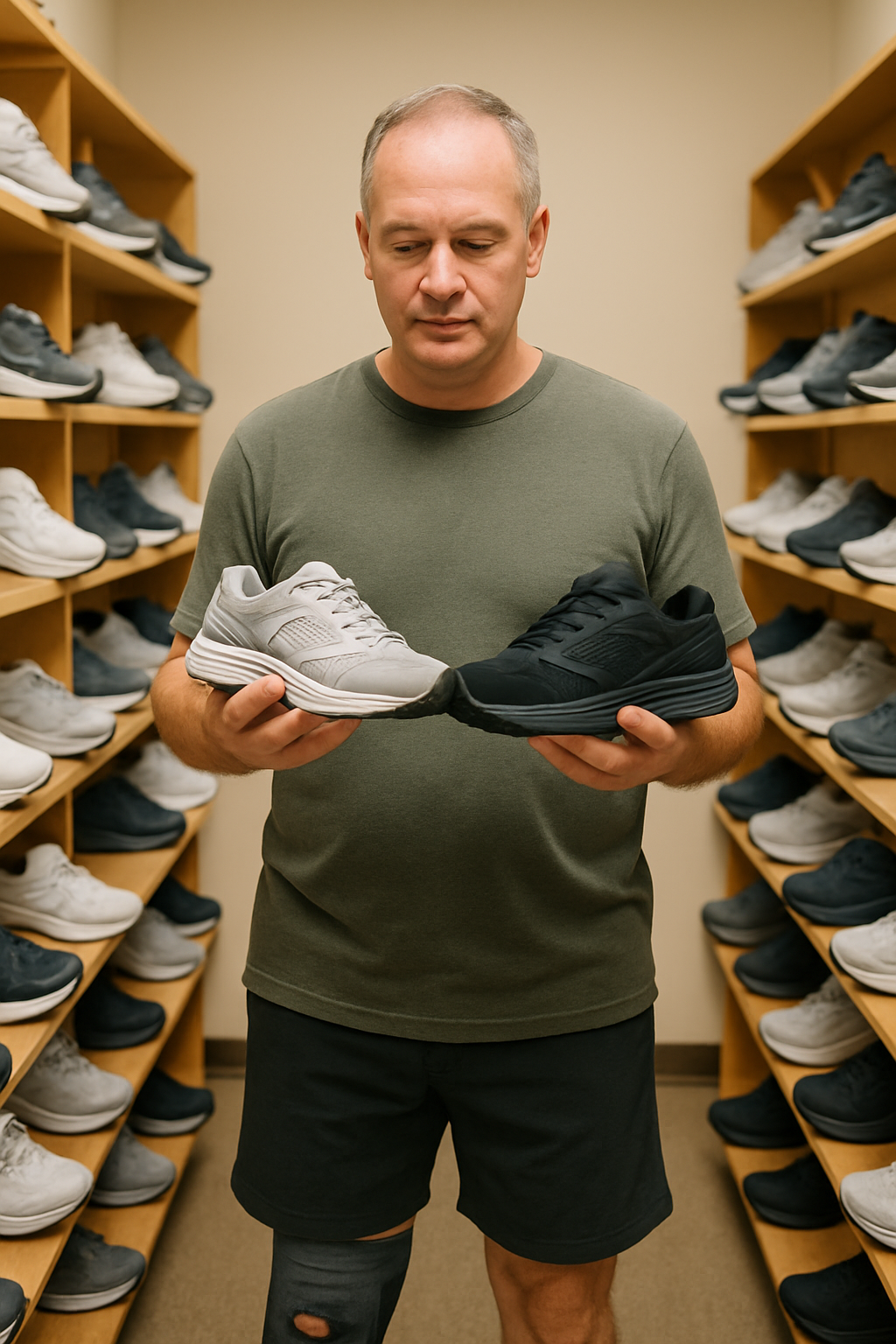
Here’s the real kicker: several clinical studies say yes, the right shoes can significantly reduce knee pain. A 2018 randomized trial published in BMJ found that older adults with knee OA who switched to structured, "stability" walking shoes reported a 22% reduction in daily pain scores after 12 weeks, compared to standard sneakers. (That’s with no medication changes, by the way.)
Another study from the Journal of Geriatric Physical Therapy (2021) saw improvements in pain, balance, and even walking speed after participants wore supportive shoes for three months. The catch? The benefits faded if folks switched back to their old "comfy" (but floppy) shoes. Consistency matters. I see this every week: stay with your proper shoes — even at home, if floors are hard.
Can Shoes Replace a Knee Brace or Physical Therapy?
This comes up a lot in my clinic. Look, shoes are foundational, but they’re not magic. The best results I see in patients come from a combo approach: supportive shoes, targeted exercises, and — when needed — knee supports like braces.
One device I routinely recommend for moderate to severe arthritis flares is the NEENCA Professional Knee Brace. (I own three myself — one at home, one at the clinic, one for travel, because these things walk off with grateful patients!) The side stabilizers and gel pad make a huge difference for folks whose knees wobble or swell after longer walks. If you’re dealing with instability, or you notice soreness during rather than after your walk, this can be a game-changer. And yes — you can pair it with the right shoes for double the support. Just watch out for a too-snug fit; you want snug, not circulation-stopping tight.
My Top Tips for Shoe Shopping with Knee Arthritis
- Test in the afternoon: Feet naturally swell as the day goes on. Always try shoes late in the day, wearing the socks you’ll walk in.
- Bring your orthotics: If you use custom or over-the-counter insoles, bring them to the store or have them nearby if ordering online. Remove the standard insole and pop yours in — does the shoe still fit well?
- Walk on multiple surfaces: Don’t just stand. Take a real walk on carpet, tile, and (if you can swing it) outside. Listen for uneven clicking or slipping. That’s a red flag.
- Bend and twist test: Flex the shoe at the toe — it should bend at the ball, not midfoot. Then try twisting the shoe lengthwise: some resistance is good, but you shouldn’t feel like you’re wringing out a towel.
Look, shoe shopping can be overwhelming. A reader emailed me last week after trying on fourteen pairs at three stores — and leaving in tears. If that’s you, remember: focus on fit and function over brand name or looks. Your knees don’t care about trendy colors. If you find one model that actually lets you walk a block or two without a grimace, buy two pairs if possible. (Manufacturers love to "improve" designs, which often ruins what worked.)
Best Practices: Beyond Shoes
Let’s zoom out for a second. The "best shoes for walking with knee arthritis" aren’t a complete solution — they’re one piece of a puzzle. If your knees still feel hot and ache after a walk, consider some add-ons:
- Moist heat therapy: A quality heating pad like the Pure Enrichment PureRelief XL Heating Pad can soothe post-walk inflammation. I keep one by my reading chair. The moist heat penetrates deeper, and its auto-shutoff means you won’t accidentally fry your skin.
- Simple home exercises: Jim Johnson’s book Treat Your Own Knees is one I hand out more often than business cards. The exercises are gentle, doable at home, and — best of all — backed by solid research. Even five minutes a day makes a difference over the long haul.
- Consistency above all: It’s not about walking miles. It’s about walking a little, every day, in the right shoes, and celebrating those wins. Too many people quit after a "bad knee day" and never try again.
If you have advanced arthritis, severe alignment problems, or are recovering from injury or surgery, talk with your medical team before changing your routine. (No article, not even from an old pro like me, can replace personalized medical advice.)
Quick Answers to Common Questions
Q: Do expensive shoes work better for knee arthritis?
Not always. Some $40 shoes outperform $140 pairs, especially if they fit your foot and support your stride. Focus on fit, structure, and support — not logo or price tag.
Q: Can I use running shoes for walking with knee arthritis?
Maybe. Some running shoes now include stability features, but many have a high heel drop or too-soft midsole. Look for models marked "walking" or "motion control." Or, even better, try on a few and let your knees be the judge.
Q: Is it okay to add over-the-counter insoles?
Absolutely. Just make sure the shoe can accommodate them. Some insoles, like Superfeet or Powerstep, offer extra arch and heel support, but test for comfort and knee response over a full day, not just a ten-minute trial.
Takeaways: My Best Advice from Years in the Clinic
If I could sum up a decade of advice into a handful of tips, it would be these:
- Shoes matter more than most people think — they’re the foundation for every step you take.
- Structure beats softness. Don’t fall for memory foam hype if it lets your feet collapse.
- If you find a make and model that truly reduces pain, stick with it (and buy a spare pair).
- Use insoles, braces, and heat therapy as needed — they’re not crutches; they’re tools.
- Start slow if you’re changing shoe style. Give your body a week or two to adjust.
And, as always, stay honest with yourself. If walking still hurts, don’t white-knuckle it. Bring your shoes to your doctor or physical therapist. Sometimes, a quick gait analysis or a shoe tweak is all it takes to give you your walking life back.
If you’ve got a specific shoe model that’s changed your life, shoot me an email — I love adding patient-tested picks to my clinic list. One last thing: movement is medicine, even if it’s just around the block. Don’t let perfect be the enemy of "pretty good today." Your knees (and your mood) will thank you.
Dr. Michael Torres, DC is a licensed chiropractor and certified nutrition counselor who has worked with patients managing knee arthritis — and their footwear — for over a decade. You can find more honest reviews and tips at JointReliefReviews.com.