
The Real Scoop on the Best Foods for Joint Health and Cartilage Repair (with Surprising Science)
If you’ve ever winced your way out of bed thanks to stubborn knees, this story’s for you. A few months back, one of my longtime readers—a retired nurse from Michigan—emailed me a single question: “Karen, what *should* I actually eat for my joints?” I thought, 'easy answer.' Except, when I really rolled up my sleeves, the research was a lot messier (and, strangely, also more hopeful) than I expected.

Why Your Joints (and Cartilage!) Deserve More Attention Than You Think
Look, joint pain isn’t just a punchline about aging. It’s daily. It’s demoralizing. And it isn’t reserved for the "over-60" club. I’ve heard from marathoners, nurses, even a barista in her twenties who couldn’t stand behind the counter without knee aches. The stats are daunting: about 1 in 4 American adults report chronic joint symptoms, according to the CDC. Cartilage—your body’s natural shock absorber—doesn’t get nearly enough credit, even though it’s the first to go when arthritis creeps in.
Here’s where the science gets interesting (and, if you’re dealing with osteoarthritis, a little frustrating): cartilage doesn’t regenerate easily. But—and this is a big but—the right foods really can tip the odds. Not magic, but measurable. I’ve seen it in clinical studies and, frankly, in my own stubborn knees after years of pounding the pavement as a health reporter who refuses to give up power walking.
The Foundation: What Cartilage and Joints Actually *Need*
If you’re nodding along, you’re not alone. I used to think joint health was all about supplements (hello, glucosamine), but the foundation is still what’s on your plate. Here’s the thing: healthy joints crave three things—collagen, anti-inflammatory nutrients, and strong antioxidants. Cartilage, specifically, is built from collagen, water, and a web of proteins called proteoglycans. The problem? Inflammation—triggered by injury, excess weight, or even a crummy diet—chips away at this matrix.
Let’s cut the noise and talk specifics. If you want to support repair and keep joints moving, here’s what the science says actually matters.
1. Omega-3 Fatty Acids: The Science-Backed Inflammation Fighters
Salmon, sardines, walnuts, chia seeds—these foods pack serious omega-3s. Why does that matter? A 2017 meta-analysis in Arthritis Care & Research found that higher omega-3 intake was linked to significantly decreased joint tenderness and morning stiffness in rheumatoid arthritis patients. That’s not just theory—that’s lived relief. I’ll be honest: I was skeptical until I watched my own mother-in-law’s hands loosen up after she swapped Friday-night fried fish for broiled salmon tossed with olive oil.
- How much? Aim for 2-3 servings of fatty fish per week, or consider a doctor-approved fish oil supplement if you’re not a seafood fan.
- Easy swaps: Add walnuts to oatmeal, sprinkle chia seeds on yogurt, or try a sardine salad (don’t knock it until you’ve tried it!).
2. Collagen-Building Foods: Fact vs. Fiction
Collagen supplements are everywhere, but can you boost it with real food? Sort of. Collagen is built from amino acids—glycine and proline, mostly—which you’ll find in bone broth, chicken skin, and gelatin-rich cuts like oxtail or shank. One 2018 review in the Journal of Arthritis found that people consuming collagen peptides (10g daily) had notable improvements in joint pain after 24 weeks.
But here’s my take: collagen-rich foods are supportive, but for actual repair, you need the building blocks—so pair them with vitamin C–packed produce (like oranges or bell peppers) to help your body put that collagen to work. Grandma’s chicken soup wasn’t just comfort food; it was low-key joint repair.
3. Antioxidant Power: Color on Your Plate Means Relief in Your Joints
And this is a hill I’ll die on: dark, colorful fruits and veggies are your cartilage’s first line of defense. Blueberries, spinach, kale, pomegranates—these aren’t just "superfoods," they’re anti-inflammatory dynamos. The polyphenols and flavonoids inside them (think anthocyanins and quercetin) actively dial down inflammation, protecting cartilage from oxidative stress. Several studies (including a 2020 BMJ Nutrition review) link higher polyphenol intake to slower cartilage breakdown in aging knees.
- Snag a handful of blueberries for your morning smoothie.
- Swap iceberg for arugula or kale in salads—you’ll be surprised how quickly you get used to the flavor.
- Pomegranate juice: potent, but watch the sugar.
4. Sulfur-Rich Veggies: The Unsung Heroes (Broccoli, Cabbage, Brussels Sprouts)
If I had a nickel for every patient who wrinkled their nose at broccoli, I’d have enough for a month’s worth of green juice. But seriously—cruciferous vegetables (broccoli, cabbage, cauliflower, Brussels sprouts) are rich in sulforaphane, a compound shown to block cartilage-destroying enzymes in animal models (Arthritis & Rheumatology, 2013). While the evidence in humans is still emerging, adding these veggies is a no-brainer—plus, they’re packed with vitamin K, crucial for bone strength.
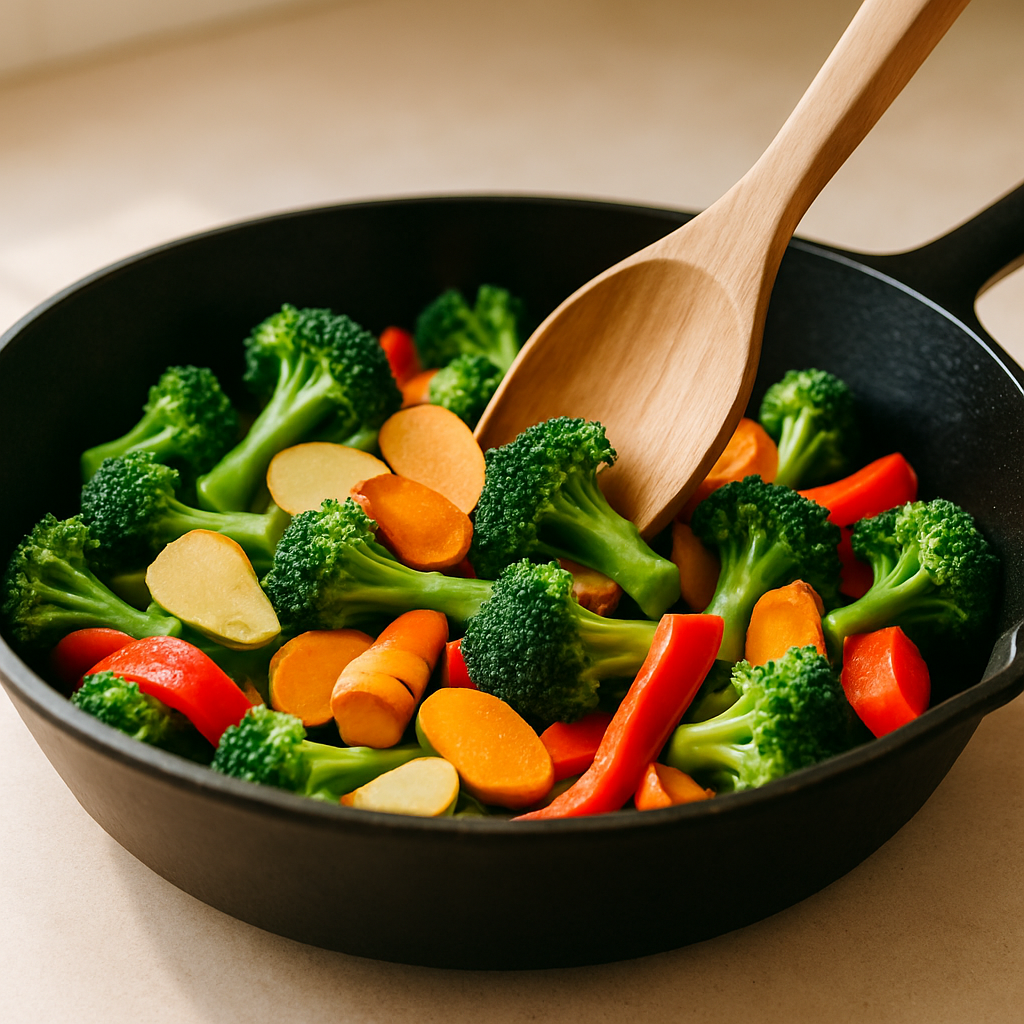
Roast them, chop them into stir fry, or—my favorite—shave raw Brussels sprouts into a lemony salad.
5. Spices That Work Overtime: Turmeric and Ginger
Here’s where it gets fun—and, believe it or not, spicy. Both turmeric and ginger have been shown in clinical studies to reduce joint pain and stiffness. The active component in turmeric, curcumin, was found to be just as effective as 1,200mg of ibuprofen in a 2014 study (Clinical Interventions in Aging) for people with knee osteoarthritis. The catch? You need a good dose—most studies used about 500mg curcumin extract, but cooking with real turmeric (and black pepper for absorption) is a tasty start.
I toss fresh ginger into stir fry and steep turmeric in my afternoon tea. It doesn’t replace medication, but it absolutely takes the edge off.
6. Protein Matters More Than You Think
Most people focus on “anti-inflammatory” foods but forget that cartilage itself is a protein matrix. If you skimp on protein, you’re short-changing your repair process. The magic number? Aim for about 0.8 to 1 gram of protein per kilogram of body weight (so 60-80g daily for many adults). Eggs, Greek yogurt, lean chicken, beans—mix it up, and don’t be afraid of plant proteins, which come with bonus antioxidants.
I’ve seen folks with chronic knee pain bounce back faster from injuries when they upped their protein, paired with strength training to protect those precious joints.
7. Green Tea: A Quiet Powerhouse
Here’s a twist: green tea is packed with catechins—especially EGCG—which can block cartilage breakdown and inflammation in lab studies (Journal of Nutritional Biochemistry, 2011). Is it a miracle cure? No. But a daily cup—or two—offers gentle protection, plus the mental boost of a warm, soothing ritual. I keep a stash in my desk drawer and it’s become my afternoon reset.
Foods You Should *Limit*
Here’s the part most articles gloss over. Yes, focus on the best foods for joint health and cartilage repair—but what about the stuff that quietly sabotages your progress?
- Ultra-processed foods (think packaged snacks, fast food): Linked to higher inflammation markers and cartilage loss over time (American Journal of Clinical Nutrition, 2021).
- Added sugars: Excess spikes insulin and dials up inflammation.
- Red and processed meats: High saturated fat can worsen joint pain for some, though lean cuts in moderation are fine for most.
This isn’t about perfection (I love a good cheeseburger, not gonna lie), but nudging your habits 80% in the right direction matters more than obsessing over a single superfood.
Supplements: Worth It or Waste of Money?
I know, I know—this is where things get heated. Here’s my honest take, after reviewing dozens of these (and trialing plenty myself): most folks don’t need a supplement if their diet is already loaded with the foods above. But if you’ve got stubborn pain, or you’re struggling to eat enough fish and greens, targeted supplements can absolutely help.
Glucosamine and chondroitin, for instance, are two of the most studied. A 2016 meta-analysis in the Journal of Rheumatology found that glucosamine sulfate (1,500mg daily) showed modest, but real, improvement in knee pain over placebo—especially in people with moderate arthritis. MSM, turmeric, and boswellia round out the anti-inflammatory lineup for those needing added support.
I’ve personally used Vimerson Health Glucosamine Chondroitin Turmeric MSM & Boswellia. It’s a robust formula, and, based on feedback from my readers, tends to be easier on the stomach—and your wallet—than some of the flashier brands. Still: talk to your doctor before starting any new supplement, especially if you take blood thinners or have other health concerns.
Lifestyle Tweaks That Supercharge Food’s Benefits
This is the real kicker: diet alone is powerful, but not enough. Physical activity actually stimulates cartilage to repair itself (albeit slowly). Low-impact exercise—think brisk walking, gentle cycling, or water aerobics—compresses and releases cartilage, letting nutrients flow in. It’s like a sponge: use it or lose it. Pair that movement with simple support tools, and your odds of relief go up.
Compression braces have become a mainstay in my household—especially for my husband, who still tries to play pickup basketball once a week. The Modvel Compression Knee Brace sells as a pair (unusual at this price), is breathable, and best of all, stays put even during my sweatier walks. It’s not a substitute for diet, but it sure makes those daily movement sessions easier—especially on grumpy knees.
And don’t underestimate the power of heat. After a long day at my desk, I often reach for the Pure Enrichment PureRelief XL Heating Pad. The moist heat really does penetrate deeper (plus, it covers my whole lower back and hips—lifesaver during flare-ups).

Real-World Meal Plan: How To Eat for Joint Health in a Busy Life
Here’s what a joint-friendly day looks like for me (and no, it’s not all kale and salmon):
- Breakfast: Greek yogurt with blueberries, walnuts, and a swirl of local honey
- Lunch: Lentil & spinach soup with a slice of whole-grain toast
- Snack: Sliced bell peppers and hummus, green tea
- Dinner: Baked salmon with roasted Brussels sprouts and quinoa
- Evening wind-down: A mug of golden milk (warm milk with turmeric and ginger)
Is every day perfect? Not even close. But most days, I hit 70-80% of these foods—and after decades covering arthritis, I can honestly say it’s made a tangible difference.
The Bottom Line: What Actually Moves the Needle?
Here’s my honest, sometimes unpopular take: There’s no single "miracle food" for joint health or cartilage repair. But a pattern—low in processed stuff, rich in fatty fish, colorful produce, cruciferous veggies, and the occasional targeted supplement—really does move the needle. The earlier you start, the more your joints will thank you. And if you’re staring down knee surgery or a bone-on-bone diagnosis, don’t underestimate how much lifestyle change—even now—can support your mobility and comfort.
And if you’re feeling overwhelmed? Start with one habit. Maybe a daily cup of green tea. Or add a handful of frozen blueberries to your cereal. Progress, not perfection—your joints will notice. (And so will your energy, not gonna lie.)
Let me know what foods (or sneaky kitchen hacks) have worked for you—I read every email. Here’s to stronger joints, a little less creak, and the freedom to keep moving.
—Karen Whitfield, veteran health journalist and JointReliefReviews.com contributor