How to Reduce Joint Inflammation Naturally—What Actually Works (and What Doesn’t)
I remember my mother-in-law, always first on the dance floor at family weddings, telling me last year, “James, I just can’t move like I used to—the ache in my knees is winning.” I hear that story, or some version of it, almost every week from clients. And here’s the thing: joint inflammation isn’t just a pesky twinge that comes and goes. It can quietly hijack your mornings, your workouts, even how you climb the stairs at home. The real kicker? You don’t have to accept it as your new normal.

If You’re Wondering: “Why Won’t This Swelling Just Quit?”
Look, I get it. In my years as a strength coach and exercise scientist, I’ve watched the same cycle: You try to stay active, eat your veggies, and maybe even down a turmeric latte or two… but the swelling and stiffness keep coming back. Arthritis (osteo or rheumatoid), overuse, and even your body’s own immune response can crank up the inflammatory fire in your joints. Sometimes it’s a quiet burn; sometimes it’s a roaring blaze after a single round of pickleball.
Most articles will rattle off generic advice—ice it, “rest more,” take NSAIDs—which only scratches the surface. But if you’re nodding along, wishing for less pain, more freedom, and maybe a night’s sleep without that deep ache, stick with me. Because there are proven, natural tactics that help. Not all of them are obvious, and not all are equally effective. But the evidence is out there—if you know where to look.
What’s Really Going On Inside Your Inflamed Joints?
Here’s what most people don’t realize: joint inflammation is your immune system’s way of trying to protect and repair. Trouble is, sometimes it gets stuck in overdrive. Cytokine molecules—tiny chemical messengers—flood the joint, bringing extra blood flow and immune cells. Useful after an injury, not so great if it becomes a daily occurrence. That’s what leads to swelling, soreness, warmth, and that notorious morning stiffness (often the first sign, according to a 2017 review in Arthritis & Rheumatology).
For older adults, inflammation tends to stick around longer, partly due to age-related immune changes and wear on cartilage. If you’ve ever wondered why your joints seem puffier or more tender after certain foods, exercise, or even a bad night’s sleep—yup, inflammation is the common thread. The trick is learning how to gently quiet it without wrecking your stomach (I see you, ibuprofen bottle) or feeling like you have to stop moving altogether.
The Diet-Inflammation Connection: Separating Fact from Fad
I know, I know—someone always brings up the “anti-inflammatory diet” with its parade of blueberries, salmon, and leafy greens. And honestly? There’s something to it. Multiple studies, including a 2016 meta-analysis in the British Journal of Nutrition, show that diets high in omega-3s (think fatty fish like salmon and sardines) can actually reduce joint tenderness, especially in conditions like rheumatoid arthritis. The mechanism? Omega-3s block pro-inflammatory enzymes (COX-2, for the science nerds among us) and help the body produce more anti-inflammatory prostaglandins.
But here’s where it gets interesting: not everyone gets the same results just by swapping their morning toast for chia pudding. Some folks feel dramatic relief within weeks; others, not so much. I’ve seen clients keep food journals for months—sometimes it turns out that sneaky nightshades (like tomatoes or peppers), added sugars, or even excess red meat are their personal triggers.
- What helps: Fatty fish (3x/week), extra-virgin olive oil (drizzle it on everything), walnuts, flaxseed, cruciferous veggies, turmeric, ginger, and occasionally a glass of red wine (no, seriously—resveratrol is legit).
- What to cut back: Ultra-processed foods, trans fats, too much sugar, heavy alcohol (sorry!), and sometimes gluten or dairy if you’re sensitive. No one-size-fits-all, but it’s worth experimenting.
Supplements: Do They Do Anything?
Here’s where I always get questions. People want the magic pill. I’ll be honest—I was skeptical at first, too. But the research isn’t all snake oil. Glucosamine and chondroitin? Decades of studies. Turmeric and boswellia? Trending, but not all hype. The 2022 update in the Journal of Rheumatology found that about 60% of adults who took 1500 mg glucosamine sulfate daily for 6+ months reported mild to moderate pain relief and functional improvement—especially if their arthritis was mild-to-moderate in severity. Not everyone’s a responder, but when it works, it can be a game-changer.
MSM (methylsulfonylmethane) is another quiet hero, especially for swelling. Most clinical trials use 1000-3000 mg/day, often paired with glucosamine. Turmeric (curcumin) and boswellia work through a different anti-inflammatory pathway (blocking NF-κB and 5-LOX enzymes). I’ve seen solid benefits when patients stick with a consistent, quality formula—though absorption is always an issue with turmeric. Black pepper (piperine) helps.
Of the dozens I’ve reviewed, Vimerson Health’s Glucosamine Chondroitin Turmeric MSM & Boswellia stands out for combining those five researched ingredients in one. (Not a miracle, but it’s impressively comprehensive—and over 40,000 Amazon reviews back me up.) Still, check with your doctor, especially if you’re on blood thinners.
Movement: Your Secret Weapon (Even When It’s the Last Thing You Want)
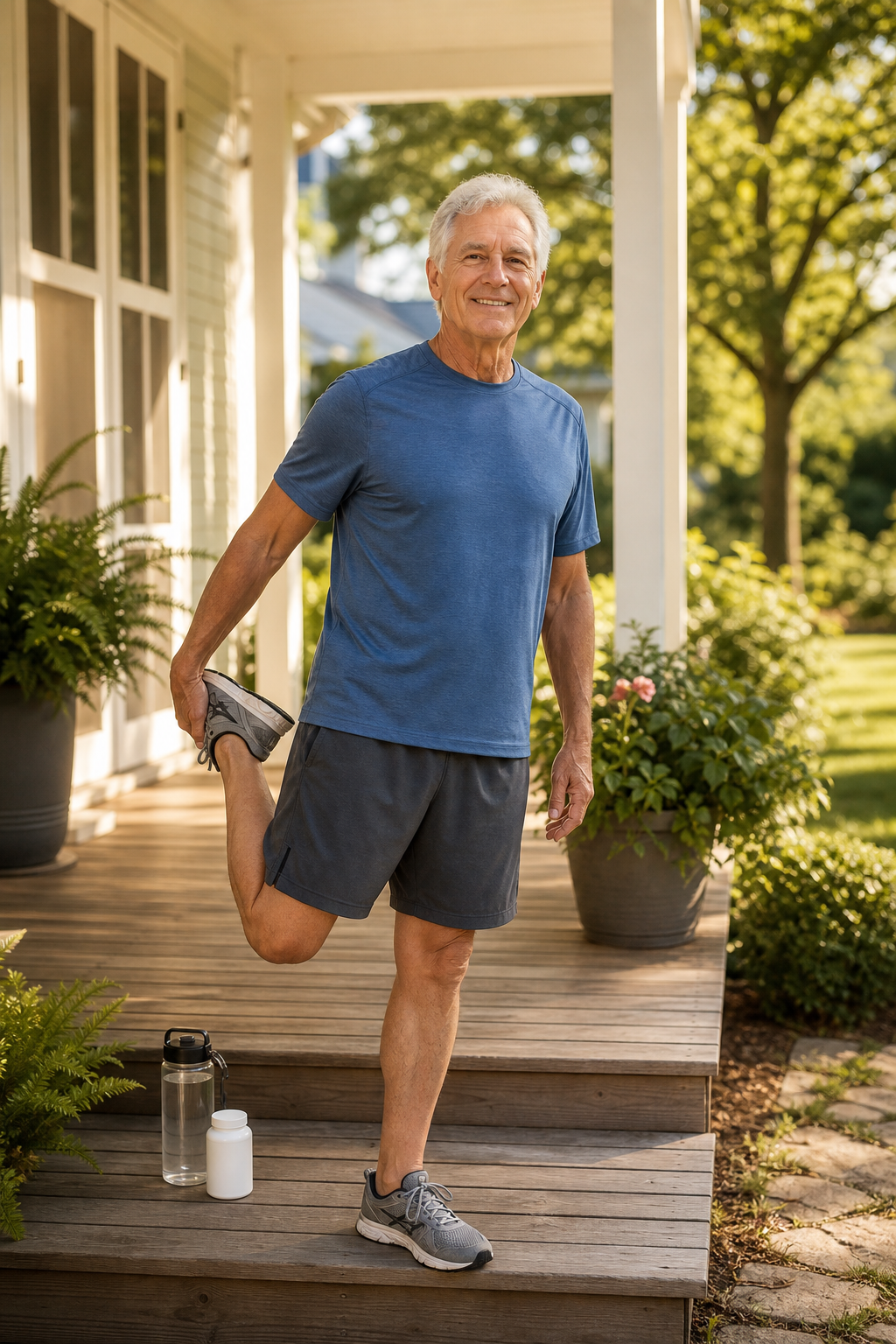
This is where people groan. “But James, moving hurts!” I hear you. Stiffness makes you want to hunker down under a blanket—not roll out a yoga mat. But paradoxically, gentle movement is one of the best ways to flush out inflammatory chemicals and maintain cartilage health. The key is graded movement: not too much, not too little.
Range-of-motion work (simple ankle circles, gentle knee bends, shoulder rolls) hydrates joint cartilage. Low-impact exercise—think brisk walking, water aerobics, cycling—has been proven to lower markers of inflammation in the blood (Arthritis Care & Research, 2019). I’m not talking about slogging through a bootcamp class. Even 15 minutes twice a day can keep joints limber and pain at bay.
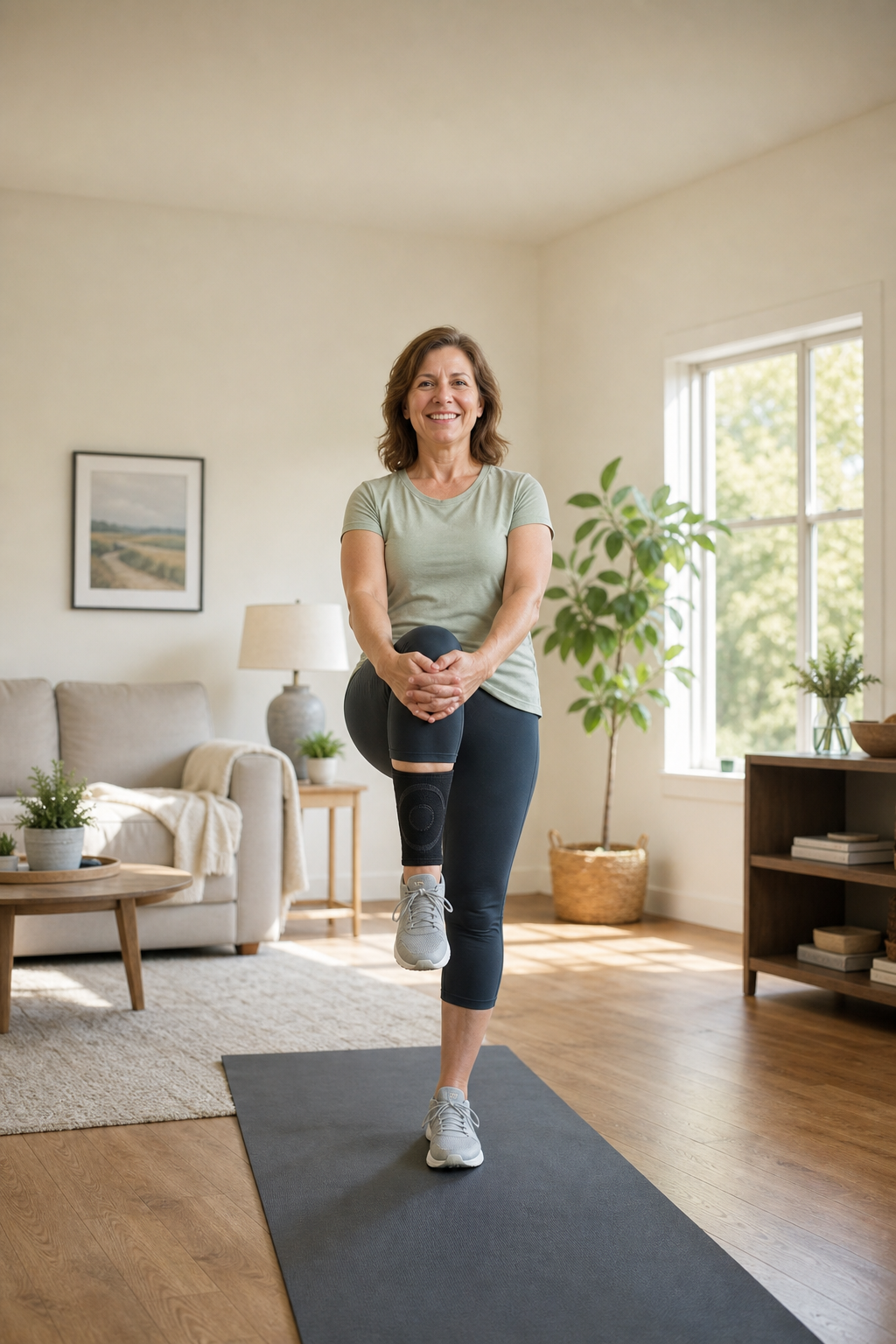
And don’t underestimate the power of compression gear. My older athletes swear by a quality sleeve on days they plan to garden or walk the dog. A pair like the Modvel Compression Knee Brace is cheap, supportive, and breathable—and honestly, it can make a big difference if your knees or elbows hate cold weather or long walks. (I recommend sleeves for everyday support, braces for specific instability.)
Environmental Tweaks and At-Home Relief
Here’s something most doctors don’t say: your home environment matters. Cold, damp air can worsen swelling for many folks (science isn’t clear why, but patient surveys say it’s real). Try keeping a small heating pad handy for targeted warmth. The Pure Enrichment PureRelief XL Heating Pad covers large joints and offers a moist heat option—honestly, nothing feels better on an angry hip or lower back. But—don’t overdo it. I recommend 15-20 minutes at a time, not all day, and always check your skin for redness after.
Ice can help after an acute flare (especially if there’s visible swelling), but for chronic cases, gentle heat or alternating temperatures often works better for comfort. Also, elevate swollen limbs, and consider gentle lymphatic massage—just circles around the joint, not deep pushing.
Stress, Sleep, and Their Sneaky Role in Inflammation
This is the unsung culprit. Emotional stress and sleep deprivation spike cortisol, which in turn boosts inflammation throughout the body (published in Pain, 2020). I’ve had clients who finally dialed down their joint pain—not by adding a supplement, but by improving sleep hygiene or practicing mindfulness meditation. It’s not “woo-woo”—sleep is when your body clears out cellular debris and repairs joint tissues.
Try to aim for 7-8 hours (I know, easier said than done). Darken your bedroom, keep the temperature cool, and avoid screens in the hour before bed. Deep breathing, progressive relaxation, or even a gentle bedtime walk can help calm the nervous system and, by extension, ease joint discomfort overnight.
How Natural Is "Natural Enough"?
Here’s my controversial opinion: not everything “natural” is automatically safe or effective. I’ve seen folks load up on herbal teas, essential oils, or untested remedies—sometimes risking drug interactions or allergic reactions. Always bring new supplements or major changes to your doctor, especially if you’re on medications for blood pressure, diabetes, or clotting. And don’t be shy about asking for evidence—your pharmacist or rheumatologist has probably read the same studies I have. (The honest ones will tell you what’s overblown.)
That said, layering small, consistent changes—diet, movement, targeted supplements, stress reduction—often works better than a single “big gun” approach. Personalized tweaking is key. If a trick helps you move more, sleep better, or simply feel more in control, that’s a victory.
Comparing Top Natural Solutions: What the Evidence Says
Let’s break down the front-runners—because not all natural approaches stack up the same:
- Turmeric & Boswellia: Strongest evidence for mild-to-moderate knee and hand osteoarthritis, especially in standardized doses (500–1000 mg/day for curcumin, 100–250 mg/day for boswellia extract). Works fastest (2–4 weeks) when paired with black pepper for absorption. May not help severe structural damage.
- Glucosamine/Chondroitin/MSM: Most helpful for slow-burn, chronic stiffness and long-term cartilage health, but takes 2–6 months to kick in. Works best in consistent daily doses (1500 mg glucosamine, 1200 mg chondroitin, 1000 mg MSM) and when taken with food.
- Compression Sleeves: Provide instant, mechanical support to reduce minor swelling and remind you to avoid risky movements. Not a cure, but a solid adjunct for active days or during flare-ups.
- Diet & Lifestyle: The foundation for systemic, whole-body inflammation control. May not be dramatic overnight, but can shift symptoms over 3–6 months (especially for overweight adults who lose even 5–10 pounds—less weight = less joint stress).
- Heat & Cold Therapy: Great for rapid, short-term comfort. Heat for morning stiffness, ice after excess strain. Not a "fix" for chronic dysfunction, but crucial for managing bad days.
What Most Articles Won’t Tell You
Here’s where the rubber meets the road. No single "miracle" strategy will erase joint inflammation forever—at least, not for the vast majority of us over 50. Your best shot? Layering 2-3 approaches you can stick to for months, not days. Consistency beats perfection (a reality I wish someone had hammered into me years ago; younger me thought foam rolling made up for bad sleep—ha!).
My other unpopular truth: Even “natural” remedies can take real time. If you try a supplement or diet tweak, give it at least 8–12 weeks before judging results (unless you experience side effects, then stop immediately and call your doctor). Journaling symptoms weekly—not daily—helps you see real trends, not day-to-day noise.

Practical Takeaways (From My Desk and Your Stories)
- Rebuild your meals: Prioritize omega-3s, colorful produce, and healthy fats. Watch for personal food triggers.
- Move—gently and often: Range-of-motion routines and brief walks trump long, sporadic workouts.
- Consider targeted supplements: Vimerson Health’s formula is a good "all-in-one" option if you want to try glucosamine, chondroitin, turmeric, MSM, and boswellia together; always clear with your MD.
- Use compression or heat: Simple, affordable tools like the Modvel sleeves or the PureRelief heating pad can ease swelling and comfort on bad days.
- Dial down stress, improve sleep: These are not luxuries—they’re foundational for joint recovery.
If you’re still reading, I know you’re serious about feeling better—so here’s my challenge: pick one thing from this list to upgrade this week. Not all of them. Just one. See how you feel, then build from there.
And if you have a trick or story that’s helped bust your own joint inflammation, send it my way—I read every email. Because at the end of the day, this is about helping each other stay active, pain-free, and (as my mother-in-law reminds me) first on that dance floor, no matter what your knees have to say about it.
Warm wishes for pain-free mornings,
James Chen, MS, CSCS
Exercise Scientist & Strength Coach
JointReliefReviews.com