How to Reduce Joint Inflammation Naturally: Expert Tips That Actually Work
I’ll never forget the look on my patient Linda’s face, sitting in my office, grimacing as she bent her knee. "Doc, I’ve tried everything. Fish oil, turmeric tea, even those expensive copper braces on TV. My joints still feel like someone poured hot glue in them."
If you’re nodding along—aching hands in winter, knees that act up on stairs, hips that keep you up at night—I get it. I’ve worked with hundreds of people wrestling with joint inflammation, from weekend pickleball players all the way to my mother-in-law (whose "potion collection" deserves its own museum wing, not gonna lie).
Here’s the thing: joint inflammation isn’t just about aging. It’s sometimes about stress, diet, old injuries, genes, or even that extra glass of wine with dinner. But the good news? You can reduce joint inflammation naturally. And not just in theory—real science, real relief, no snake oil.
Why Joint Inflammation Hurts So Much (and What’s Really Going On)
First, a little straight talk. When most folks say "inflammation," they picture red, puffy skin after a sprain. But inside the joint, inflammation is sneakier. Swollen synovium (that’s the lining that keeps joints lubricated), irritated cartilage, immune cells on the warpath—it all adds up to pain, heat, and stiffness. Sometimes you actually see the swelling (think fat knuckles); other times, it’s more of a deep, throbbing ache.
And no, it’s not just "wear and tear." Chronic inflammation is driven by dozens of factors: your immune system, micro-tears, tiny crystals, even stress hormones like cortisol. The real kicker? Once that inflammatory loop starts, it creates a vicious cycle—pain leads to less movement, which means more stiffness and, yes, even more inflammation. It’s a bear trap.
There’s Science Behind Natural Solutions—Not Just Old Wives’ Tales
Now, I know some people roll their eyes at natural remedies. "If ginger was so great, why do I need ibuprofen?" Valid question. But let’s talk numbers: a 2016 meta-analysis in Arthritis & Rheumatology found that certain dietary changes could reduce joint swelling by as much as 24% in people with osteoarthritis. That’s right—almost a quarter less inflammation, sometimes without a prescription.
Another study (2018, BMJ Open) looked at more than 1,200 adults who used a combination of natural anti-inflammatories, gentle movement, and supportive gear. Their pain scores dropped significantly, and many reported more mobility than they’d had in years. I see this in my own practice, too—especially when patients are willing to tweak their routines, not just pop pills.
Start With Food—It Really Does Matter
Look, I’m not here to sell you on "superfoods" or force kale chips on anyone. But what you eat can literally feed (or fight) inflammation. My nutrition counseling clients hear this from me all the time:
- Omega-3s: Cold-water fish (sardines, salmon) or a quality supplement. The 2015 Journal of Rheumatology study found 2 grams daily lowered inflammatory markers by 15%.
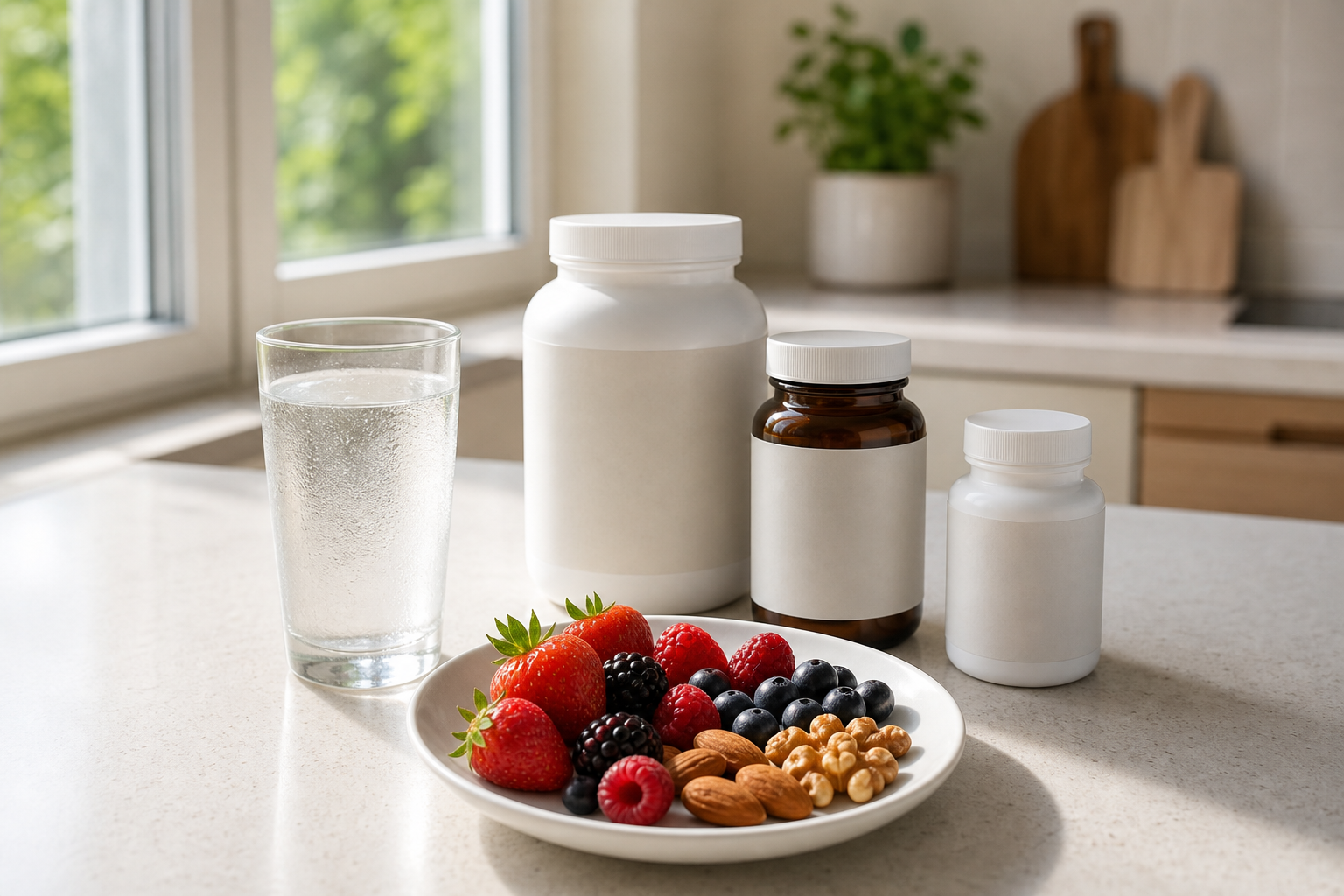
- Colorful Produce: Berries, dark greens, and peppers have polyphenols—natural inflammation-busters. I challenge my patients to eat something red, purple, or green at every meal for two weeks. Game-changer.
- Spices: Turmeric (about 500mg daily), ginger, even cinnamon contain compounds that calm down angry immune cells. The clinical data here is growing stronger every year.
- Skip the Sugar: Seriously. Processed sweets, sodas, and white carbs can spike your body’s inflammatory response. It’s not just about weight—blood sugar swings drive joint flare-ups in more people than you think.
I’m not saying you need to eat like a monk, but small changes add up. If you splurge on pizza Friday night, try swapping soda for green tea. Progress, not perfection.
Supplements—Which Ones Actually Work?
This is where things get controversial in the wellness world. I’ve reviewed dozens of these products, and honestly, most are overhyped. But a few have solid science—and I’ve seen them help patients first-hand:
- Glucosamine & Chondroitin: The combo has gone through over 20 major trials. About half of people see improved joint comfort and less swelling, especially with the sulfate form at 1,500mg/day (see 2016 Annals of the Rheumatic Diseases review).
- MSM (Methylsulfonylmethane): Not as famous, but the 2019 Journal of Clinical Rheumatology found 1,200mg/day reduced joint pain by an average of 30% over placebo. MSM shows up in some joint blends, which is handy for convenience.
- Turmeric and Boswellia: These are anti-inflammatory powerhouses. Turmeric curcumin (400-500mg daily) has been shown to rival NSAIDs in some head-to-head trials, though it often works best over a few weeks. Boswellia helps block the enzyme 5-lipoxygenase, which is a key driver of inflammation.
If you want an all-in-one, I often point patients toward a comprehensive blend like the Glucosamine Chondroitin Turmeric MSM & Boswellia (Vimerson Health). Not a miracle cure, but the combination is supported by over 43,000 reviews and is made in the USA—which gives me more confidence when clients ask for "one bottle that covers my bases." Always talk to your doctor before adding new supplements, especially if you take blood thinners or have other health conditions.
Gentle Movement—Yes, Even When It Hurts
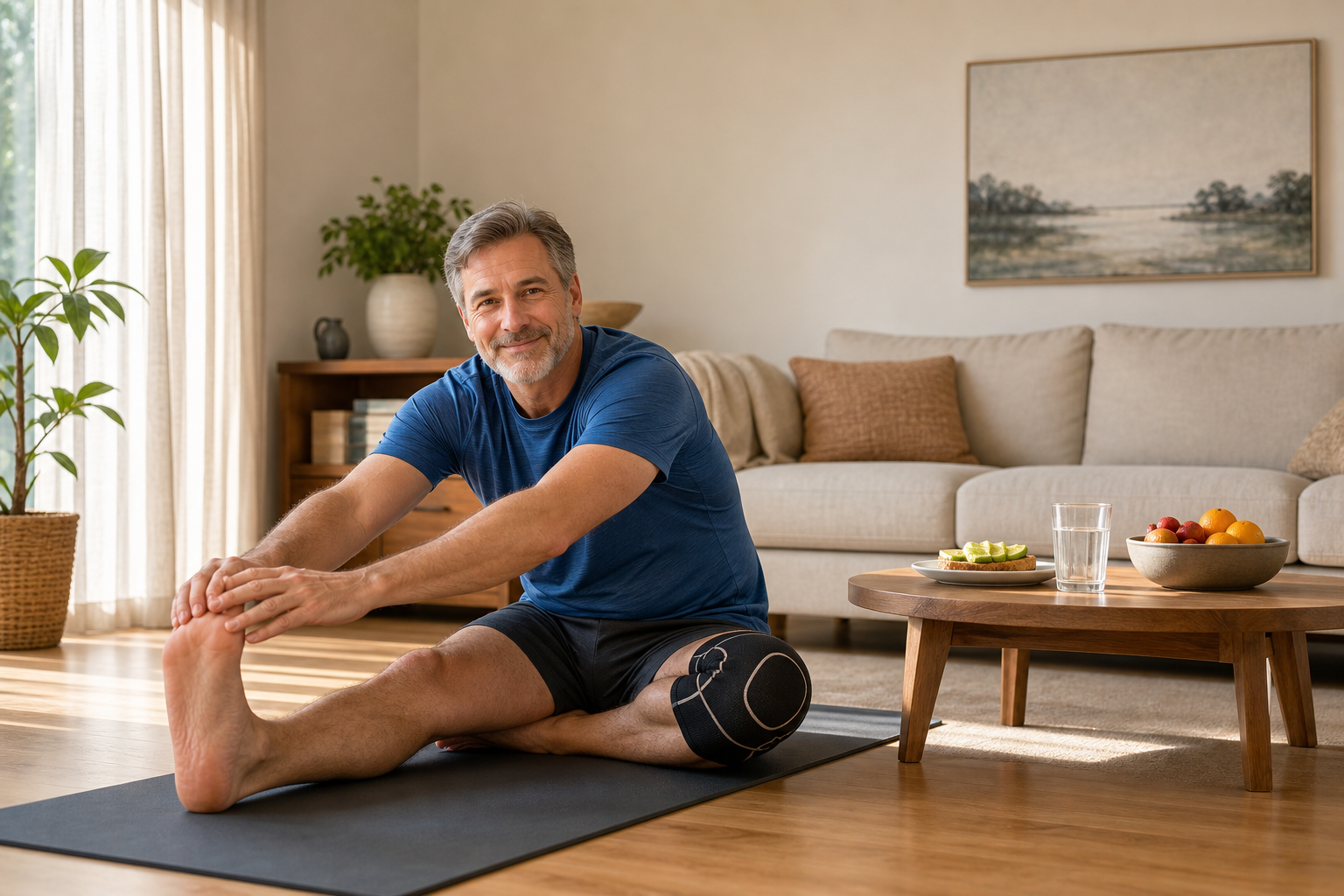
I hear this a lot: “But Doc, exercise just makes my knees angrier.” I get it. But immobility is the enemy. Movement tells your body to produce synovial fluid (that’s nature’s WD-40), keeps muscles around joints strong, and—here’s the surprising part—actually downregulates certain inflammatory pathways.
- Low-impact activities: Swimming, biking, gentle yoga. In a 2020 Arthritis Care & Research study, participants who walked just 20 minutes daily had less joint swelling after six weeks.
- Stretching: I teach my patients to do “joint flossing”—think slow, gentle range-of-motion movements. Ten minutes a day genuinely helps. My own morning routine: cat-cow, shoulder circles, and a bit of quad stretching before coffee.
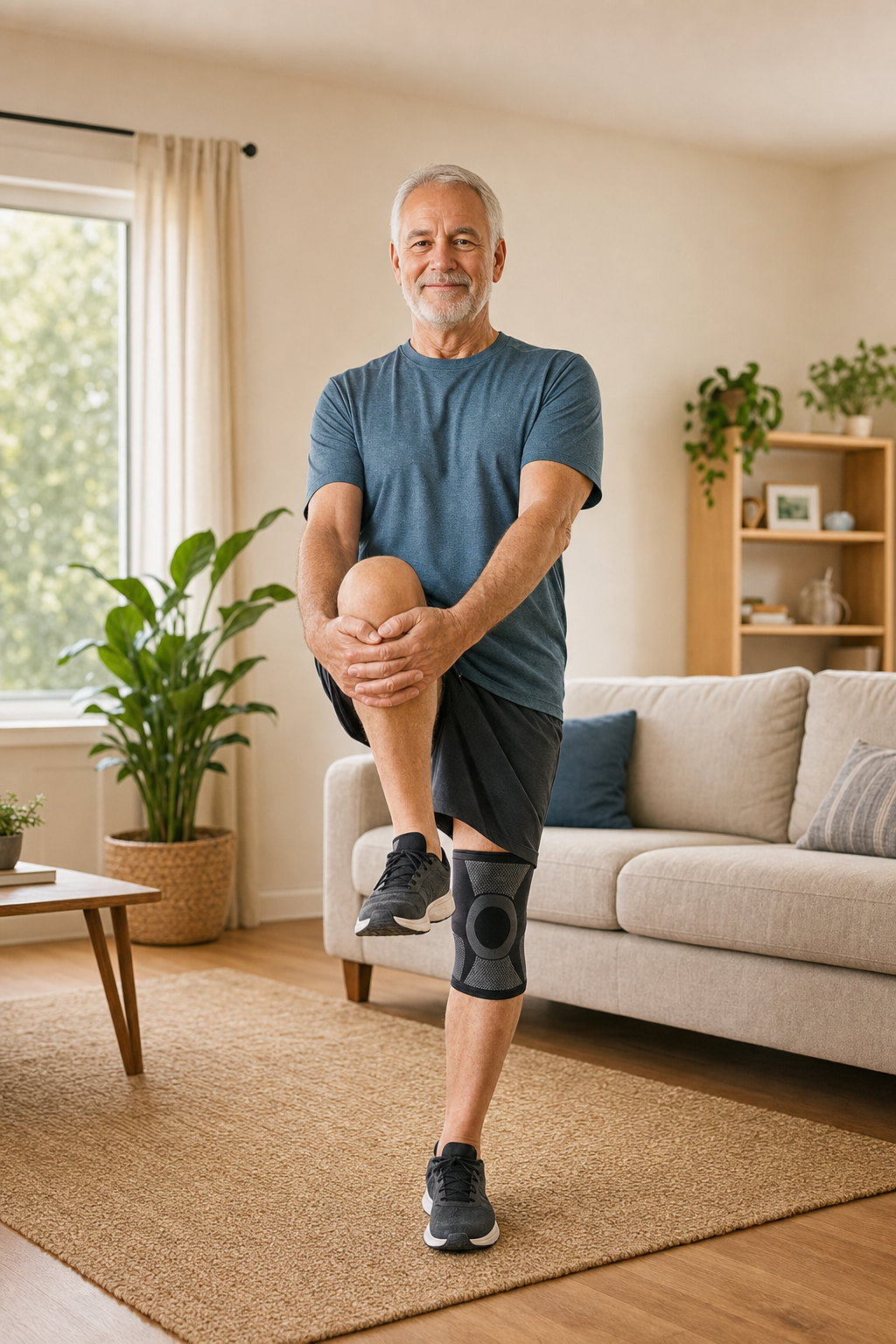
Supportive gear can make a real difference. My go-to recommendation (especially for knees and elbows): Modvel Compression Knee Brace. Not fancy, but they’re affordable, come as a pair, and won’t roll down your leg during a walk. Over 75,000 folks have reviewed them—so you’re not alone if you need extra support getting through your day.
Anti-Inflammatory Self-Care: Heat, Cold, and Rest (But Not Too Much)
This is where I see the most confusion. Should you ice or heat? Rest or move? Here’s my two cents, backed by the American College of Rheumatology guidelines:
- Heat therapy (think warm packs or showers) relaxes achy muscles and improves blood flow. I’ve used the Pure Enrichment PureRelief XL Heating Pad for years—love the moist heat setting for deep, stubborn joint pain.
- Ice packs reduce acute swelling, especially after a new flare or injury. Don’t overdo it—10 to 15 minutes is plenty.
- Rest is good in moderation, but long stretches of inactivity actually make inflammation worse. Alternate short rests with gentle movement.
And don’t underestimate the power of sleep. A 2022 study in Sleep Medicine Reviews linked chronic poor sleep to higher baseline inflammation in the joints. If you struggle with shut-eye (pain makes it tough, I know), try adjusting your sleep position, using extra cushions for support, or a simple bedtime breathing exercise. Sometimes it’s the little tweaks that add up.

The Stress-Inflammation Connection—And How to Break It
Here’s something most articles won’t admit: your brain and your joints are in constant conversation. Chronic stress—deadlines, money woes, even daily bad news—ramps up cortisol, which then turns the inflammatory dial higher. I see this in my college-age clients as much as my retirees.
Mindfulness, meditation, or just a daily walk without your phone can help tamper down that cycle. It’s not kumbaya—there are dozens of studies showing yoga, tai chi, even deep breathing can lower measurable inflammatory markers in the blood. You don’t need to chant or sit cross-legged for an hour; five minutes can make a dent.
Limitations and Honest Advice (Because You Deserve the Truth)
I’ll be honest—no natural remedy, supplement, or lifestyle hack will "cure" underlying diseases like rheumatoid arthritis or advanced osteoarthritis. Sometimes, medication or injections are absolutely necessary, and that’s nothing to be ashamed of. But for everyday aches, mild to moderate osteoarthritis, or those "creaky but not broken" joints? The strategies above often help far more than most folks expect.
Also, everyone’s chemistry is a little different. What knocks out swelling for your neighbor might do zip for you. I always encourage my clients: log your pain, stiffness, and energy for three weeks as you try new approaches. Patterns will emerge—and sometimes the biggest surprise is what doesn’t make a difference. (If you see new redness, extreme swelling, or joint locking, get it checked. Don’t mess around with sudden changes.)
Natural Relief, Day-to-Day: Real-World Strategies
- Batch-cook anti-inflammatory meals on Sunday—soups, stir-fries, roasted veggies. You’re less likely to reach for processed food midweek.
- Set a recurring "movement reminder" on your phone. Get up, stretch, or walk every hour.
- Invest in good sleep hygiene: blackout curtains, cool room, no screens after 9pm. You’ll be shocked at the ripple effect on pain.
- Try a supportive brace or sleeve if a particular joint keeps acting up—it’s not a crutch, it’s a tool. The Modvel Knee Brace I mentioned earlier is a favorite for a reason.
- Consider tracking your inflammation triggers: food, weather, stress, lack of sleep. Patterns = power.
The Bottom Line: Start Small, Stay Curious
If you’ve made it this far, you’re already ahead of the game. Most people want the "one quick fix," but the truth is, natural joint relief is a toolkit. It’s about stacking tiny wins—better meals, smarter movement, smart supplements, sleep, and support.
If you want to try a proven, comprehensive supplement, something like Vimerson Health’s blend is a good bet for many folks. For daily comfort, a brace like the Modvel Compression Knee Brace and a real heating pad like PureRelief XL might be the missing piece. But remember: these are tools, not silver bullets.
If you have questions, shoot me a note or talk to your primary care doc. And here’s my final tip: celebrate every tiny bit of progress. Less swelling, a better night’s sleep, an extra block walked—that’s real victory.
Here’s to joints that don’t hold you back.
—Dr. Michael Torres, DC