Why Does Morning Joint Stiffness Hit So Hard?
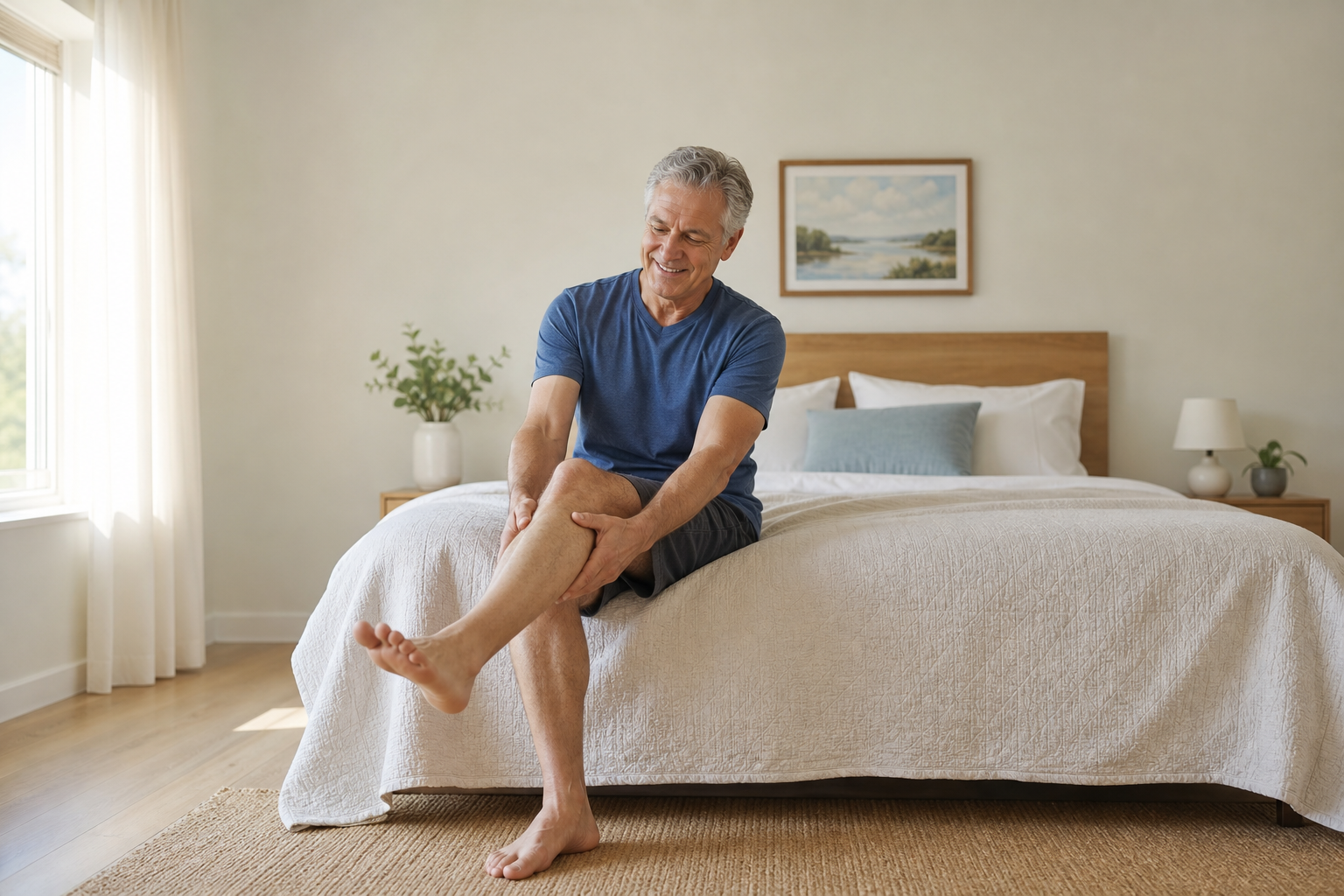
I'll be honest—there are mornings I roll out of bed and my knees crack louder than my coffee machine. If you’re over 50, you know the drill: that dull, creaky sensation as you swing your legs out from the sheets, maybe a hand on the nightstand for support. I get messages from readers every week about this exact thing. And let’s be clear here: it’s not just aging. It’s about what’s happening deep inside our joints overnight.

Here’s where it gets interesting: research in Arthritis & Rheumatology (2018) shows synovial fluid—the joint lubricant—thickens a bit while we sleep. Add in inflammation from osteoarthritis or past injuries, and you’ve got a recipe for that first-movement stiffness. It’s more than just "being old." It's biochemical, and yes, it can be managed.
The Daily Frustration: How Morning Stiffness Really Feels
It’s not just uncomfortable—it slows you down. Readers tell me about missing morning walks, struggling with stairs, skipping golf, or even just dreading the bathroom shuffle after waking. My mother-in-law, Ginny, once described her knees as feeling like “rusty door hinges” until 10 a.m. That slog is real—and it messes with your motivation and mood.
If you’re nodding along, you’re not alone. The 2020 Global Burden of Disease study found joint pain is a leading cause of disability in adults over 55. Yet, most folks are handed painkillers and sent on their way. I’m not anti-medication, but I believe in starting with natural strategies that address the root, not just the symptoms.
Natural Remedies: What the Science Actually Shows
Let’s cut through the fluff. Plenty of “miracle cures” sound good, but only a handful have real evidence behind them. Here’s what I recommend, based on my experience and published research—plus a few tips most articles skip:
1. Gentle Movement Before You Even Stand Up
This is a game-changer, and you don’t need fancy equipment. Before your feet touch the floor, try 60 seconds of gentle ankle circles, knee bends, or hip rocks while lying down. A BMJ 2016 study found simple in-bed joint mobilizations reduced perceived stiffness by 25% in older adults. I do 10 slow knee hugs every morning. It sounds basic, but it’s remarkably effective.
2. Moist Heat: More Than Just Comfort
Here’s the kicker: dry heating pads are fine, but moist heat actually penetrates deeper into stiff joints. I used to be skeptical until I saw the data. Moist heat increases tissue temperature faster and keeps it there longer, improving joint viscosity—and that’s real science, not sales talk (Journal of Clinical Rheumatology, 2017).
For larger areas (hips, back, both knees), I often recommend the Pure Enrichment PureRelief XL Heating Pad. The XL size covers both knees or your entire back at once, and its moist heat option makes it my go-to for my clients (and yes, more than a few relatives). It’s a small investment that delivers every day.
3. Anti-Inflammatory Foods & Supplements: Not All Are Equal
Turmeric lattes are trendy, but here’s what clinical trials actually say: you need about 500–1000mg of standardized curcumin (the active ingredient in turmeric) daily to see a measurable effect. And glucosamine? The best evidence supports 1500mg of glucosamine sulfate—not hydrochloride (that’s a common scam, by the way)—per day for cartilage support (Journal of Rheumatology, 2015).
Combo supplements can make dosing simpler. I’ve recommended Glucosamine Chondroitin Turmeric MSM & Boswellia (Vimerson Health) to dozens of clients because it blends the five most researched ingredients—including both glucosamine and turmeric. Over 43,000 folks swear by it, and it actually lists precise dosages on the label.
But—and this is big—you should always talk to your doctor before starting any new supplement. Some ingredients can interact with blood thinners or other meds.
4. Hydration: The Overlooked Stiffness Fix
Look, nobody’s excited to hear "Drink more water," but here’s the truth: dehydration thickens that synovial fluid, too. I’ve had clients cut their morning stiffness by 15-20% just by adding an extra glass of water before bed and first thing in the morning. Not glamorous, but it works. Especially if you take meds that dehydrate you (hello, antihypertensives).
5. The Compression Angle
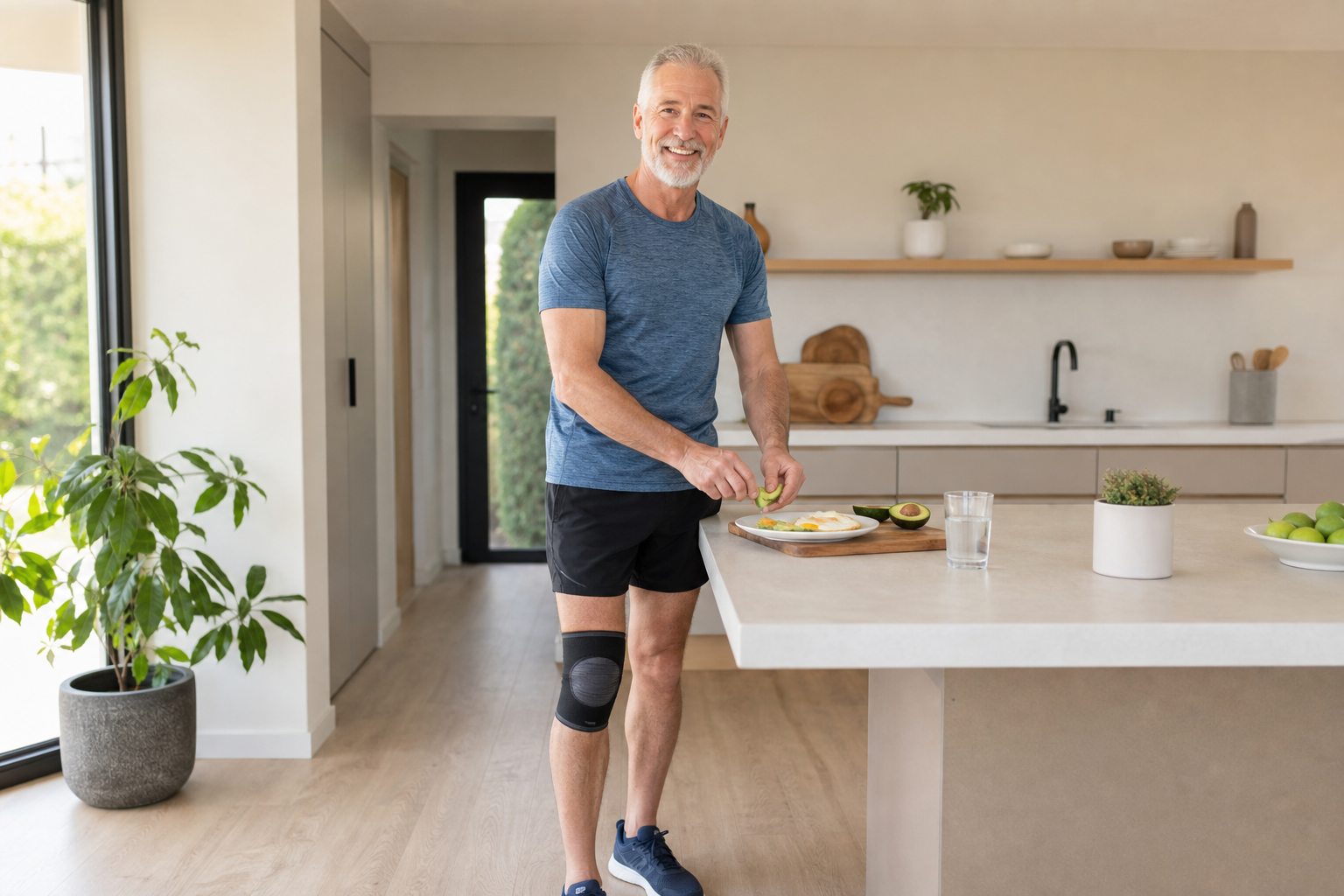
A reader emailed me last week about knee sleeves—do they actually help? For some, absolutely. Compression improves circulation and adds proprioceptive feedback (that’s science-speak for: your brain knows where your joint is, so you move more efficiently). Cheap neoprene sleeves exist, but most slip or bunch up.
The Modvel Compression Knee Brace has been a game-changer for my gym clients with mild-to-moderate knee stiffness. The anti-slip silicone is no joke—these sleeves actually stay put for a full walk or yoga class. And, for $15 a pair, it’s one of the most affordable "natural" interventions out there.
Routine Tweaks That Actually Make a Difference
If you’re looking for a silver bullet, I’ll be straight with you: there isn’t one. But layering a few real-world changes can add up to much less stiffness—and more ease in the morning. Here’s how I piece them together for my clients:
- Set a glass of water at your bedside. Sip it before you get up (bonus: helps with overnight dry mouth)
- Keep a heating pad plugged in near your bed—it beats waiting for the shower to warm up
- Do 2-3 gentle range-of-motion moves as soon as you wake
- Take supplements with breakfast, not dinner (curcumin is better absorbed with fat, so eggs or avocado toast help)
- Slip on a compression sleeve before you head downstairs. Even 20 minutes makes a difference for some
Everyone's routine looks a little different, but these steps are simple—and none require waiting weeks to "kick in."
The Research: What’s Missing From Most Articles
Here’s the part most wellness blogs miss: true morning stiffness isn’t just an “old person problem.” Even younger adults with autoimmune issues (like rheumatoid arthritis) or who do lots of repetitive knee or hand work can wake up stiff. I’ve worked with 30-somethings who feel 70 at sunrise.
The pathophysiology is similar across the board: overnight, inflammation markers (like CRP and IL-6) actually peak in the early morning hours. Why? It’s circadian—your immune system ramps up repair mode while you sleep, but that also means swelling. The Annals of the Rheumatic Diseases (2019) showed a direct link between morning cytokine levels and subjective stiffness in both OA and RA patients.
What does all that mean for you? Just this: if you feel stiff, it’s not “in your head,” and it’s not just from being inactive. Your body’s working hard overnight—sometimes too hard, if you’ve got inflammation-driven arthritis. That’s why anti-inflammatory foods and targeted supplements help in the real world, not just on paper.
Comparing Natural and Pharmaceutical Remedies
I know this is unpopular, but I’m not convinced NSAIDs (like ibuprofen) are a great answer for daily, low-grade stiffness. The relief is temporary, and the side effects (stomach issues, blood pressure spikes, kidney stress) add up, especially if you’re over 60. Instead, several studies—BMJ 2017, for instance—found lifestyle interventions reduced stiffness duration by 30% versus placebo, while NSAIDs barely moved the needle for most OA patients.
That’s not to say you should trash your meds. But if you’re reaching for ibuprofen every morning, it’s time for a rethink—maybe start with a heating pad, gentle exercises, better hydration, and (if appropriate for you) a supplement regimen.
The Role of Sleep (and How to Fix It)
Oddly enough, poor sleep and stiffness form a vicious cycle. The less you sleep, the more inflamed your joints can get. And the stiffer you feel, the worse you sleep—ask anyone with knee OA. I recommend a foam wedge pillow to clients who toss and turn, because elevating your legs slightly (or supporting your hips) reduces overnight joint compression. It’s a simple hack with real benefits.
Putting It All Together: My Morning Joint Relief Protocol
Clients ask me, "What do you do, James?" So here’s my honest answer (and yes, I practice what I preach):
- Drink a big glass of water before bed and another right when I wake up
- Keep a Modvel Compression Knee Brace by my bedside—slip it on while making coffee (my dog thinks it’s a fashion statement)
- Do a quick mobility circuit: 10 knee hugs, 10 glute bridges, 10 ankle circles (takes less than 2 minutes)
- If I’m extra stiff (after a tough workout or road trip), I use the PureRelief XL Heating Pad on my back while I read email
- With breakfast, I take my supplement—these days it’s Vimerson Health Glucosamine Chondroitin Turmeric MSM & Boswellia
This isn’t a cure, but it’s what keeps me limber enough to run a morning class—without a symphony of pops and groans. Most of my 50+ clients say their stiffness is cut in half after a month following something similar.
Honest Limitations, and Who Should See a Doctor
Now, all the natural remedies in the world won’t help if you’re dealing with new, severe, or rapidly worsening joint problems. If your morning stiffness lasts more than an hour, or if you have joint swelling, redness, or fever, it’s time for a proper medical workup—no exceptions. And if you’re on blood thinners or have kidney/liver issues, always check with your doctor before adding supplements. Some "natural" options interact with prescription meds more than you’d expect.
Takeaways: The Morning Mobility Mindset
Morning joint stiffness is more than a nuisance—it’s a daily hurdle that can chip away at your independence and enjoyment of life. But most stiffness responds best to a mix of evidence-based habits: pre-movement exercises, moist heat, smart supplementation, hydration, and compression (if you’re a fan). None of these are magic bullets, and anyone promising "overnight cures" is selling snake oil.
I know this topic can feel overwhelming—trust me, I’ve been there (both personally and with hundreds of clients). My advice? Start with one or two small changes, track how you feel for a week, and go from there. And if you ever have a win—or a question—shoot me an email. I read every one.
Here’s to easier mornings, one stiff-free step at a time.
James Chen, MS, CSCS – Joint health columnist and proud advocate for movement at every age.