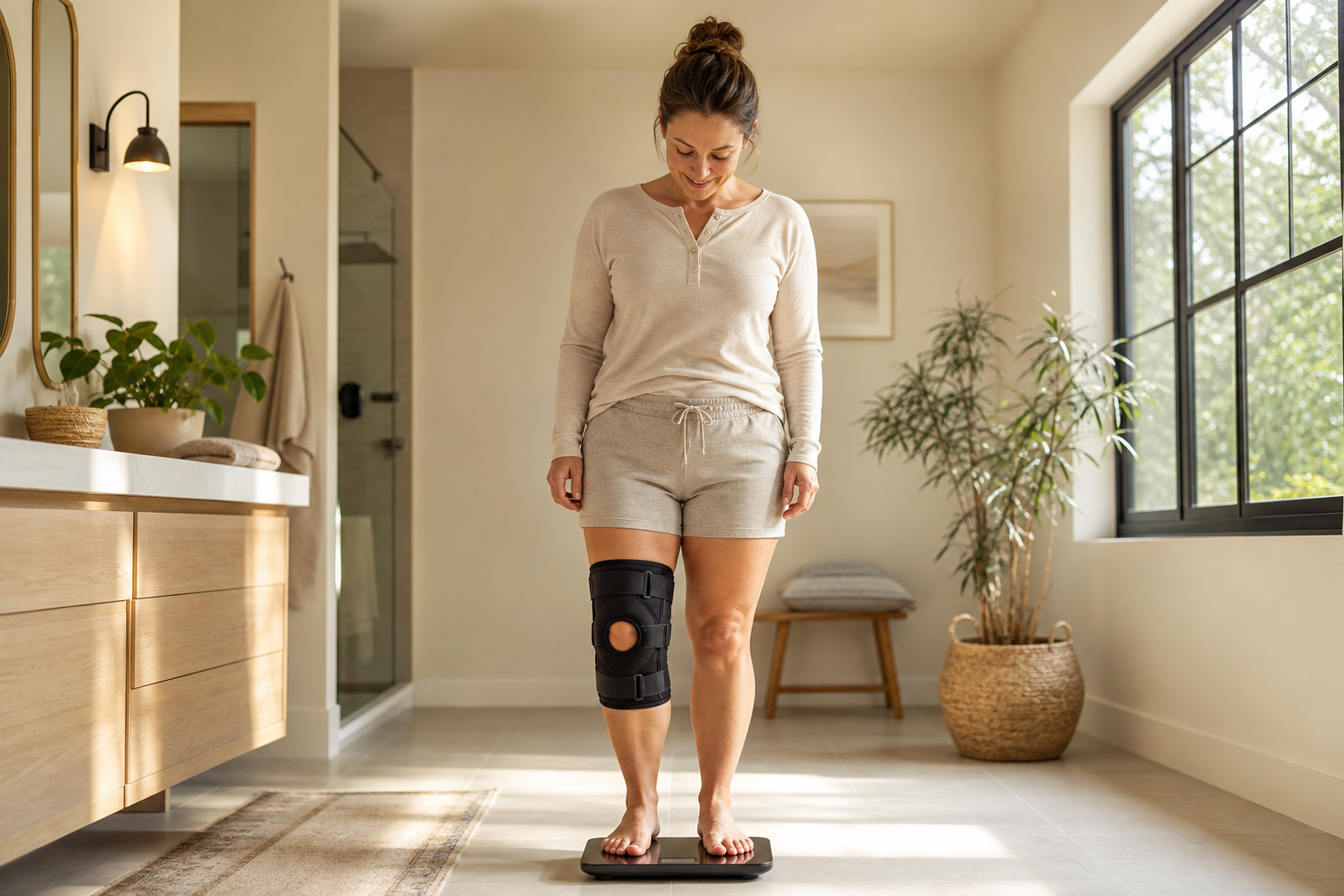
Why Your Knees Care About the Number on the Scale (More Than You Think)
Look, I’m going to start with the moment that made this personal. I was working a night shift, charting post-op notes, when a gentleman in his late 50s limped into the ER, wincing every step. 'Doc says it’s just my weight,' he grumbled as I helped him onto the gurney. It felt dismissive to him, but here’s the uncomfortable truth: every extra pound you carry puts a surprisingly outsized load on your knees. (And I know from watching patients, family, and frankly, my own battle with the scale.)
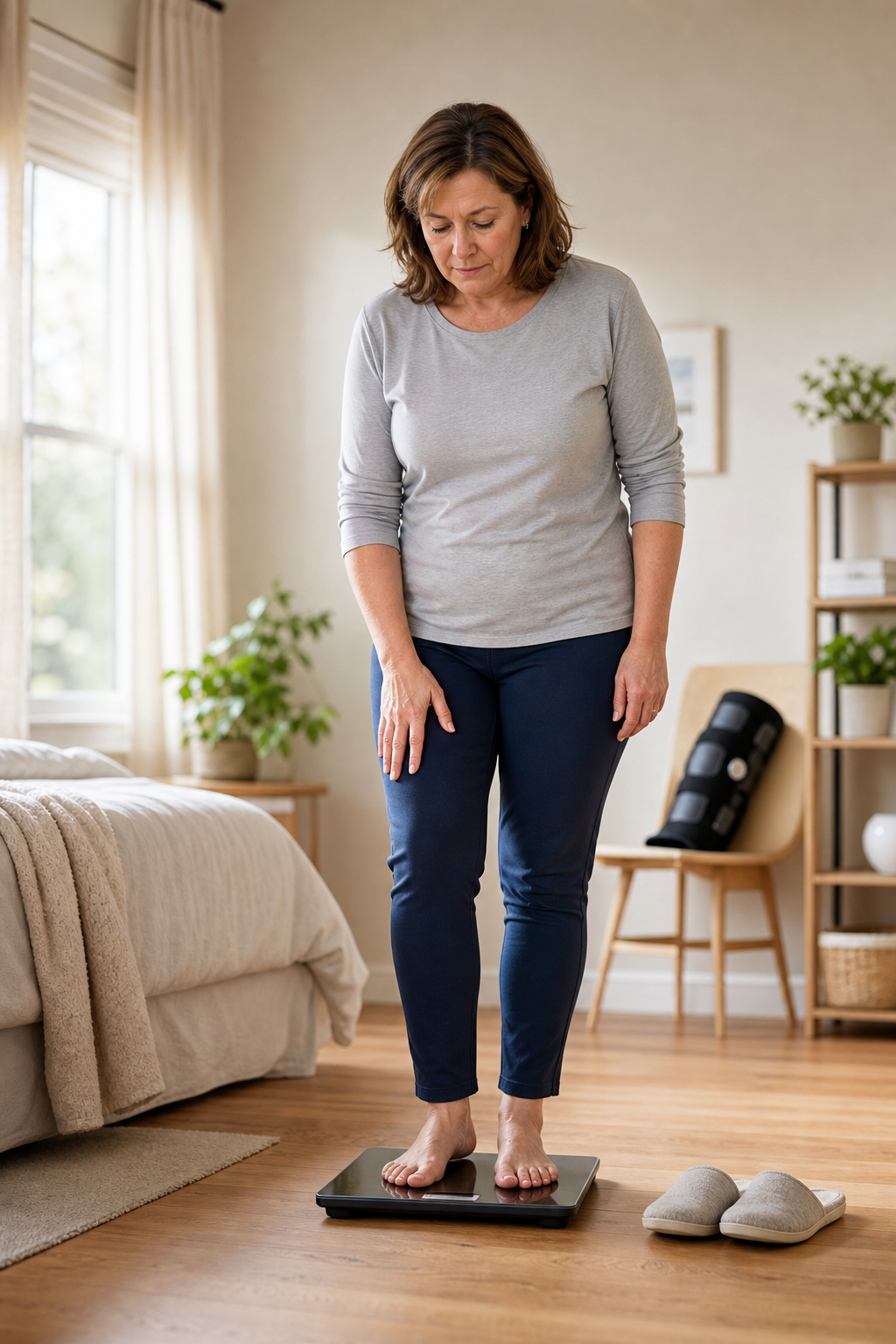
Here’s the kicker—biomechanics research (Framingham Study, 2005) found that with every pound gained, your knee "feels" four extra pounds. Lose just 10 pounds, and that’s 40 pounds less pressure on each knee with every step. That’s not a fitness-fad stat; it’s physics and decades of ortho medicine talking.
If You’re Nodding Along, You’re Not Alone
Knee pain isn’t just for runners or "old folks." I’ve seen it sideline avid gardeners, weekend walkers, and anyone who’s ever tried to wrangle a toddler. And weight? It’s a sensitive topic. But as a nurse, my job was to help people get moving again—safely, and without judgment.
Most folks think, "If I could just lose 30 pounds, maybe I’d feel better." Honestly? Even a 5% weight loss (that’s 10 pounds if you’re 200) has been shown to drop knee pain scores by up to 30% in some studies (Arthritis & Rheumatology, 2013). We’re not talking magazine-cover transformations—just small, persistent changes that add up.
How Extra Weight Stresses Your Knees—The Science, in Plain English
Your knee is a hinge joint—think of it as a door with a very fancy, high-use hinge. Every time you take a step, that hinge absorbs force. Add weight, and the pressure doesn't just increase linearly; it multiplies. That’s why my ortho team used to say, “Your knees are carrying the whole family reunion, not just you!”
But it’s not only about physical load. Extra fat tissue produces inflammatory chemicals—cytokines—making cartilage break down faster and pain signals ramp up (Journal of Rheumatology, 2015). So, it’s both wear-and-tear and inflammation, a double whammy.
I know some folks with healthy weight still get knee pain—genetics, injuries, and age play their part. But if you’re carrying extra, targeting those pounds can make real, measurable difference. Not a panacea, but often a game-changer.
7 Weight Management Tips for Reducing Knee Stress
1. Prioritize Realistic, Sustainable Changes
Here’s where most people trip up: big overnight diet overhauls. I always encouraged my patients to start with one change—say, swapping out sugary drinks for water or unsweetened tea. The Cleveland Clinic found that reducing just 150 calories a day (one soda!) can mean 15 pounds lost in a year. That’s a lot of knee relief for a tiny tweak.
2. Focus on Quality Calories, Not Just Calorie Counting
Not all calories are created equal. Diets high in processed carbs (white bread, sugar, crackers) are linked to more inflammation, which your knees absolutely do not need. I’m a fan of the Mediterranean eating pattern—think leafy greens, nuts, olive oil, salmon—for its anti-inflammatory benefits (BMJ, 2018). My go-to lunch: a big salad with chickpeas, grilled chicken, and a drizzle of olive oil.
3. Move Every Day—But Protect Your Joints
I know what you’re thinking: "But movement hurts!" True. But gentle, consistent activity keeps joints lubricated, builds muscle (which offloads your knees), and even lowers pain. Swimming, water aerobics, and cycling are all excellent because they’re easy on joints. One of my favorite patient stories: a retiree who couldn’t walk a block but fell in love with pool walking. Six months later, she ditched her cane. Not everyone gets results like that, but it’s worth a try.
4. Try Strengthening Exercises for Knee Support
This one’s personal. My mother-in-law, after her second knee surgery, swore by simple home exercises—mini squats, bridges, heel raises. It doesn’t have to be fancy or done in a gym. There’s a fantastic little book called Treat Your Own Knees by Jim Johnson (I’ve lost count of how many times I’ve loaned my copy). It walks you through science-based, easy-to-follow routines that genuinely improved my patients’ strength and pain tolerance.
5. Use Supportive Gear (If It Helps You Move More, That’s a Win)
Compression sleeves and knee braces aren’t miracle fixes, but if wearing one means you can walk the dog or get through the grocery store without wincing, I say go for it. The Modvel Compression Knee Brace is a patient favorite—affordable, sold as a pair, and not as bulky as some. I’ve worn one myself for long shifts on hard hospital floors. Plus, over 75,000 people have reviewed it, so you know it’s tried and tested.

6. Prioritize Sleep—Yes, Really
Here’s the thing: sleep deprivation ramps up your body’s stress hormones and inflammation. Poor sleep can even sabotage weight loss efforts, thanks to a hormone called ghrelin that triggers cravings (American Journal of Clinical Nutrition, 2010). Aim for 7-8 hours a night, even if it means a boring bedtime routine or a white noise machine. I used to tease my husband for his early lights-out—turns out, he had the right idea all along.
7. Don’t Ignore Pain—But Don’t Let It Call the Shots
If pain is keeping you from moving, address it head-on. Sometimes that means ice, heat, or gentle stretching. Other times, a topical like Voltaren Arthritis Pain Gel (diclofenac sodium, clinically proven) helps so you can stay active and stick with your weight goals. As always, check with your doctor before starting new meds or if you have underlying conditions—especially if you’re on blood thinners or have sensitive skin.
What Most Articles Won’t Tell You About Weight and Knee Pain
I’ll be honest—weight is just one piece. Some of my leanest patients still needed knee replacements. Genetics, prior injuries, and hormonal changes play a part. But for the majority, each pound lost really does mean less pain and more independence. Here’s where it gets interesting: even if your "ideal" body weight feels out of reach, aiming for just some progress (not "perfection") is what research actually supports. In fact, a 2016 meta-analysis in Obesity Reviews found that sustained, even modest weight loss consistently improved pain and function in knee osteoarthritis.
Another unpopular but true opinion: weight loss through diet alone usually backfires long-term. The most successful patients—those who kept the pain away for years—included movement, strength training, and sometimes modest use of braces or topical relief. It’s rarely just about eating less.
Putting It All Together: Small Changes, Big Difference
If you take one thing from this, let it be this: you don’t have to overhaul your life or drop 50 pounds to give your knees meaningful relief. Start by swapping a processed snack for a handful of nuts, adding 5 minutes of movement every morning, or wearing a brace when you’re feeling wobbly.
- Try a kitchen timer for standing (helps your metabolism, too!)
- Invest in a supportive knee sleeve if stairs feel daunting
- Track your sleep—your knees will thank you
- Pick one anti-inflammatory meal per day (salmon tacos, anyone?)
If you’re struggling, ask for help. Talk to your doctor or a physical therapist about a tailored plan. (And if they seem dismissive, push for better answers. You’re the expert on your own body.)

What I Tell My Own Family
Honestly, I’ve sent my sister, my best friend, and even a few readers the same checklist. Each time, I remind them: results aren’t always fast, but every pound lost is four pounds your knees don’t have to lug around. Some days, you’ll slip. That’s normal. What matters is you keep nudging the dial in the right direction. And if you ever need encouragement, you know where to find me—after 20 years in ortho, I never get tired of these conversations.
Takeaway Thoughts
Weight management and knee health go hand in hand. It’s not always easy, but you’re not alone, and even imperfect progress can be life-changing. Start small, celebrate little wins, and treat your knees with the same care you’d offer anyone you love.
Sending you strength (and the occasional reminder to put your feet up!),
Linda Hargrove, RN
Orthopedic Nurse (Ret.) & Health Writer
Read more about me