
Why Losing Even a Little Weight Changes Everything for Your Knees
I’ll never forget one of my first patients with knee arthritis—let’s call her Linda. She was in her early 60s, frustrated by every step, and convinced she’d have to live with that stabbing pain forever. But after we talked about weight, she was stunned by this fact: for every pound you lose, your knee joints feel four pounds less pressure with every step. (That’s not just my opinion—check out the landmark Framingham OA Study, 2005.) Linda lost 12 pounds that year. Every walk, every flight of stairs, got easier. She even sent me a Christmas card, saying, “You gave me my knees back.”
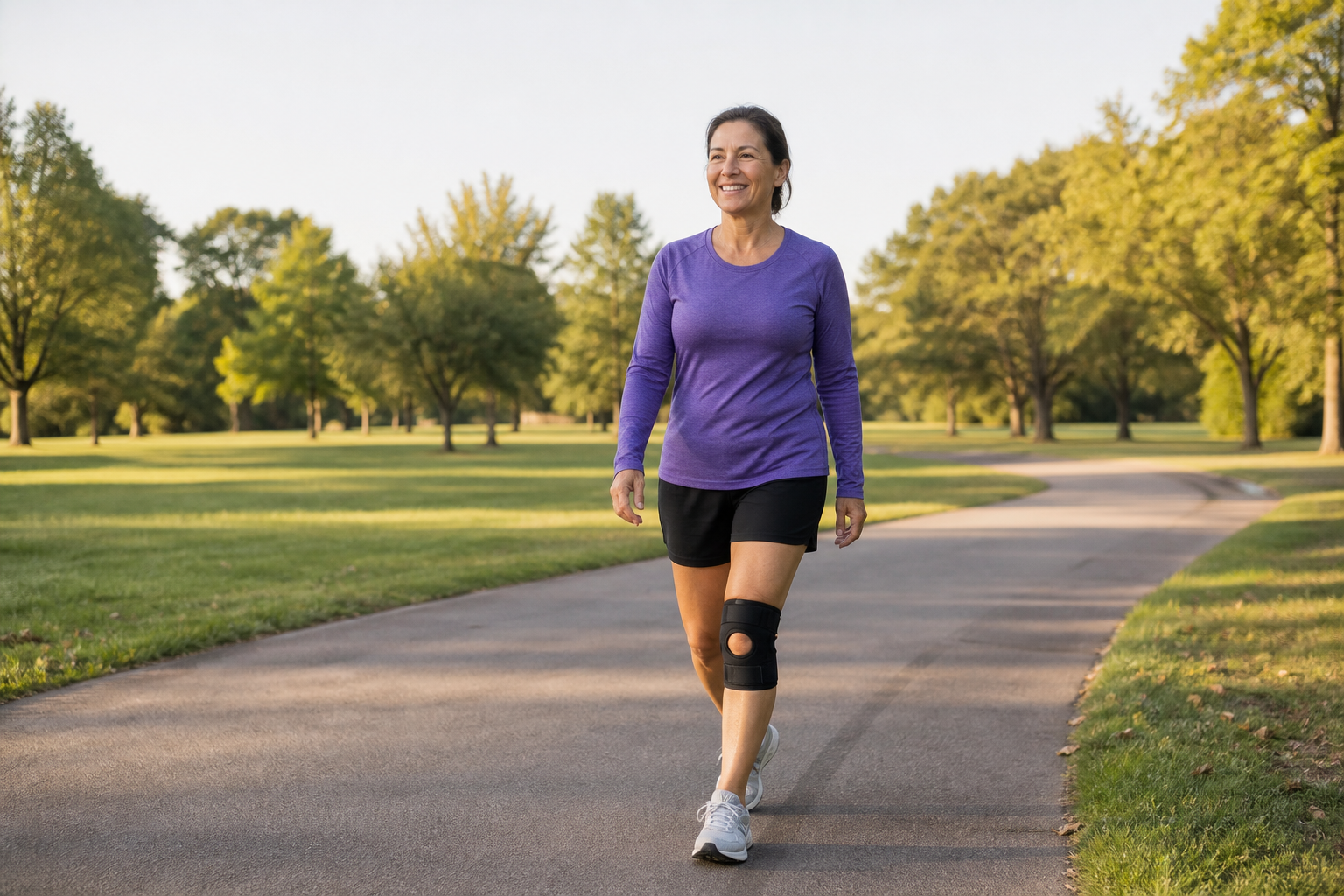
The Daily Struggle: It's Not Just About Vanity
Look, carrying extra weight is about much more than looks—especially when your knees complain with every step. I see it every week in my clinic. That dull ache when you get up from a chair, the way stairs suddenly feel like a mountain, or the guilt-trip your knees give you after a long grocery run. If you’re nodding along, you’re not alone. Most folks think it’ll take a 50-pound drop to see real change, but the science says otherwise: even dropping 5% of your body weight can slash knee pain and improve function (Arthritis & Rheumatology, 2018).
How Extra Weight Pounds Your Knees—The Science, Demystified
Here’s the thing: your knees are shock absorbers. Every time you take a step, they juggle 2-3 times your body weight. So if you weigh 200 pounds, that’s 400-600 pounds per step. Stair climbing? Try 4-5 times your weight. It’s no wonder cartilage wears out faster under extra load. The Journal of Rheumatology (2012) found that knee cartilage loss accelerates in overweight adults—even before pain starts. That’s why prevention matters just as much as treatment.
But it’s not only about the mechanics. Extra fat tissue pumps out chemicals—think cytokines and adipokines—that ramp up inflammation. A heavier body doesn’t just weigh more; it’s like pouring gasoline on the fire inside your knee joint. So it’s a double whammy: more grinding + more inflammation = more pain and faster arthritis progression. I know, it hardly seems fair.
Here’s where most articles miss the mark: they offer generic weight loss advice, but rarely connect it to joint-specific goals. The strategies that spare your knees aren’t always the same ones you’ll find in trendy diet blogs. And as someone who’s rehabbed hundreds of arthritic knees—mine included—I’ll be honest: it takes more than willpower. It’s about realistic changes, smarter movement, and sometimes, the right tools.
6 Weight Management Tips That Actually Reduce Knee Stress
1. Don’t Crash Diet—Aim for Gentle, Steady Loss
I get it—when your knees hurt, you want relief yesterday. But extreme dieting triggers muscle loss, which ironically makes knee pain worse (we need those muscles to stabilize the joint!). The gold standard? Shoot for 1-2 pounds per week. That’s what the BMJ 2020 review found was both safe and sustainable. More muscle, less fat, better knees.
2. Use Food Swaps That Keep You Full
It’s not about giving up everything you love. I’ve had success with these swaps, both in the clinic and my own kitchen:
- Greek yogurt instead of sour cream (more protein, more filling)
- Roasted sweet potatoes over fries (more fiber, less grease)
- Sparkling water for soda—sometimes with a splash of citrus
Every 100-calorie swap is 10 pounds in a year, give or take. I tell patients to pick two, stick to them for a month, and see how their knees feel.
3. Build a Movement Routine—But Keep It Joint-Friendly
Here’s the controversial bit: I don’t always recommend running or high-impact workouts for those starting out, especially if your knees are already complaining. Instead, focus on low-impact movement. Walking, cycling, swimming—all get your heart rate up without turning your knees into punching bags.
I’m a fan of simple, structured routines—especially if you’re new to exercise. One reader emailed last month to rave about Treat Your Own Knees (Jim Johnson). It’s a research-backed guide full of illustrations and step-by-step exercises designed specifically for knee pain. I recommend it to at least half my clients starting a home program. At around $11, it’s less than a co-pay and much friendlier than YouTube rabbit holes.
4. Prioritize Protein to Preserve Muscle
Most people—especially over 50—don’t get enough protein, which is crucial for muscle maintenance during weight loss. Aim for 1.2 grams per kilogram of body weight per day (that’s roughly 80g for a 150-pound person). Add eggs, lean poultry, beans, or even a good-quality shake if chewing is tricky. Muscle protects knees, period.

5. Use Supportive Devices During Flare-Ups
I know some folks shy away from braces, thinking they’re a crutch. But when your joint is inflamed—especially if you’re starting a new activity—support can be a game-changer. I keep a pair of Modvel Compression Knee Braces in my clinic bag (and, confession, my own hiking pack). They’re affordable, don’t slide down, and offer enough compression that you can often finish a walk or gentle workout without regret. Over 75,000 reviews back me up on this one.
6. Don’t Ignore Sleep—It Matters More Than You Think
No joke: poor sleep ramps up joint pain and makes it harder to lose weight (Journal of Clinical Sleep Medicine, 2017). Aim for 7-8 hours, and if pain wakes you up, consider a pillow between your knees or a heating pad before bed. Little hacks, big difference.
What Does the Research Say About Weight Loss and Knee Health?
Let’s nerd out for a second—because there’s a mountain of data here. The IDEA trial (2013, Arthritis & Rheumatology) followed overweight adults with knee OA. Those who lost at least 10% of their weight saw better pain relief and faster walking speed than those who didn’t. Another meta-analysis in the Annals of Internal Medicine (2022) confirmed that even modest weight loss (5-7%) cuts knee pain by up to 30%. That’s not “placebo”—that’s measurable, life-changing difference.
But, there’s a catch. The benefit plateaus if you lose too much, too quickly, especially if you’re older or already have muscle loss. Aggressive diets can make things worse—fatigue, injury risk, and rebound weight gain all spike. My advice? If you’ve tried and failed with crash diets, switch gears: focus on sustainable habits and joint-friendly movement.
The Real-World Trade-Offs
Here’s where I’ll be frank: even the best routine won’t give you the knees of a 20-year-old. Genetics, injury history, age—they all play a part. And some days, your knees will still grumble. But I’ve seen dozens of patients turn the ship around and delay or avoid surgery by acting early. The sooner you start, the less ground you have to make up.
Smart Tools That Make Weight Management (and Life) Easier on Your Knees
Sometimes, a little external help bridges the gap during tough stretches—especially if pain is blocking your movement or motivation. I mention a couple of these in the clinic regularly, and, honestly, I’ve bought them for family too:
- Treat Your Own Knees (Jim Johnson): A refreshingly simple, science-driven program. Great for all ages, with easy-to-follow drawings and stepwise progressions. It covers not just exercises, but strategies for responsiveness and endurance.
- Modvel Compression Knee Brace (Pair): Reliable, inexpensive, and less bulky than most. Silicone strips keep them in place, and the pair format is perfect for those of us with pain in both knees (guilty as charged!).
Could you get by without them? Sure. But for $12-15, these are less than a single physical therapy session—and they last longer, too.

The Power of Community and Accountability
I’ll share a quick story: one of my small group classes last fall kept a shared spreadsheet of daily steps and protein tracking. It sounds silly, but the social support kept people showing up—every week, rain or shine. If you’re struggling to stick with changes, recruit a friend or family member. Even a simple check-in text makes a difference. Apps are great, but the human touch is better.
Why the "All or Nothing" Mentality Backfires
This is the trap: thinking you need to overhaul everything at once—new diet, new gym, new you. Most of my long-term success stories started with one small step. Walking 5 minutes after dinner. Swapping soda for water. Adding one strengthening exercise before bed. The magic isn’t in perfection. It’s in building momentum and not giving up when life gets messy (and, let’s be honest, it always does).
When to See a Pro
If your knee pain is sharp, locks up, or swells for more than a few days, talk to your doctor before starting any exercise or weight plan. Physical therapy isn’t just for post-surgery—it’s about prevention and smart, tailored movement. You don’t have to do this alone.
Final Takeaways: My Top 5 "Do This First" Tips
- Even 5-10% weight loss makes a measurable difference in knee stress and pain. Start small.
- Prioritize gentle, consistent movement over high-intensity or high-impact routines.
- Protein and muscle support are non-negotiable—protect your knees by strengthening them.
- Don’t be afraid to use smart tools—like a book or brace—if it helps you keep moving safely.
- Find a buddy or a coach (even virtual). Accountability turns intentions into reality.
I know it sometimes feels like the odds are stacked against you, but small, steady changes add up—often faster than you expect. If you’ve got questions, drop me a line. I answer most emails personally, and yes, I actually love a good knee story.
Here’s to stronger, happier knees—one step at a time.
Dr. Sarah Mitchell, DPT
Senior Health Editor, JointReliefReviews.com