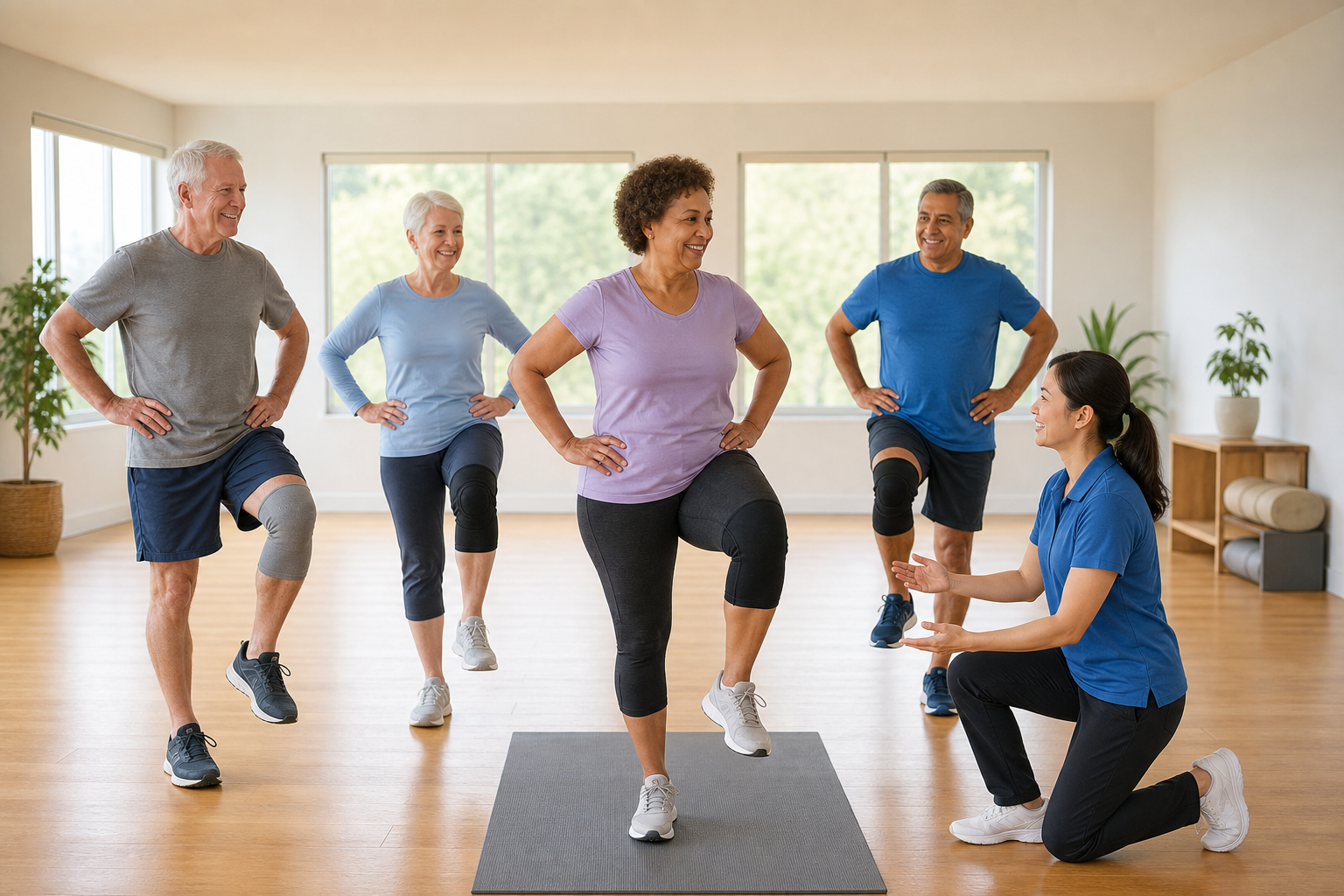
It’s Not Just About the Scale: Why Losing a Few Pounds Can Save Your Knees
I’ll never forget the first time a patient sat across from me, tears in her eyes, saying, “Doc, I know I need to lose weight, but my knees hurt too much to exercise.” She wasn’t wrong. And if you’re here searching for weight management tips for reducing knee stress, I’m betting you’ve felt that catch-22 yourself. The pain keeps you from moving, but the extra weight turns every step into a battle. It’s a cruel cycle — and you’re not alone.
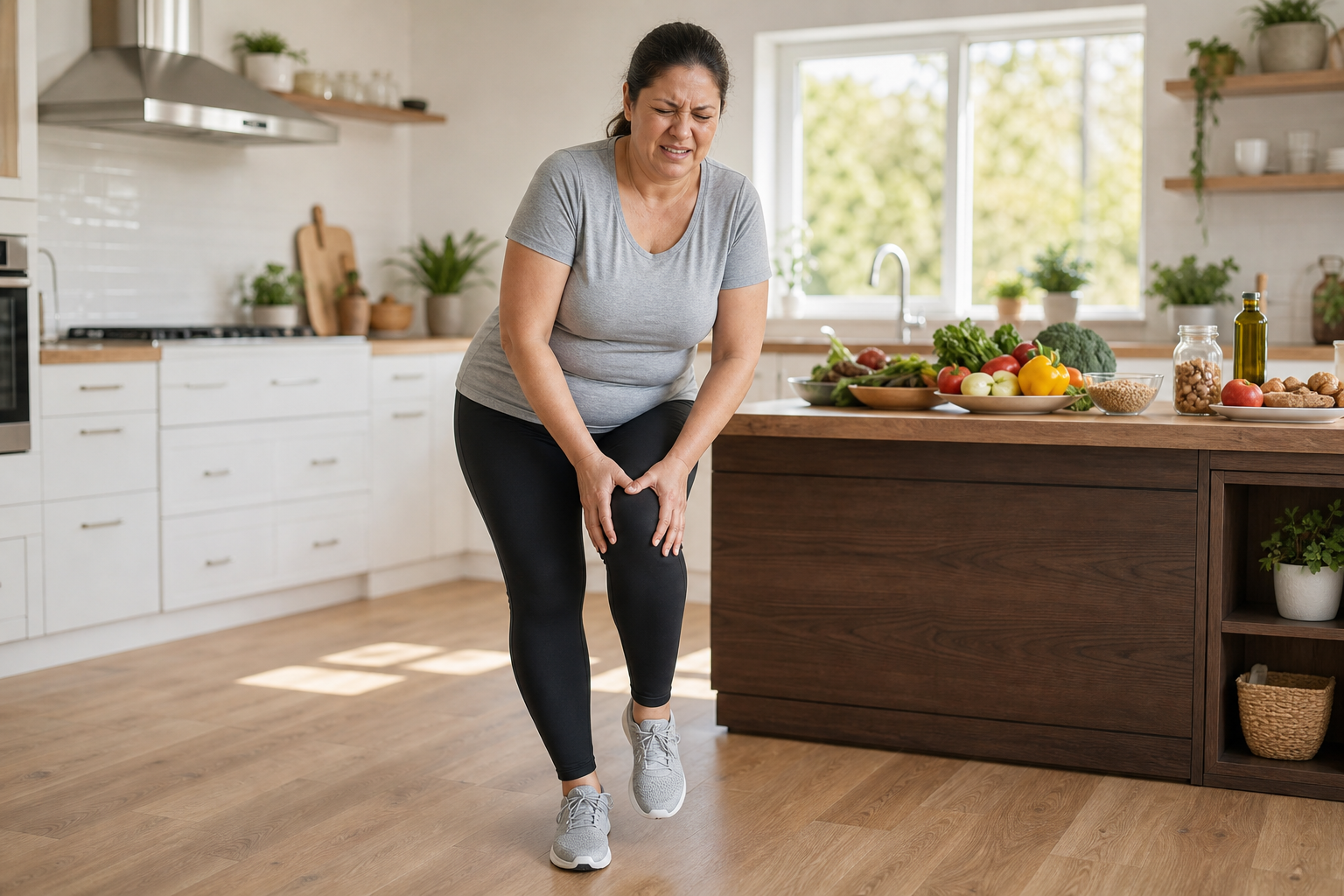
Knee Pain Isn’t Just Annoying — It’s Debilitating
Let’s be honest for a second: knee pain can rob you of a lot more than just your morning walk. I’ve watched patients turn down family outings, avoid stairs, and even dread trips to the grocery store. According to the Journal of Rheumatology (2018), nearly 20% of adults over 45 struggle with chronic knee pain. And, not gonna lie, carrying extra weight pours gasoline on that fire.
But here’s the thing: it only takes a modest change to tip the scales — literally — in your favor. For every pound you lose, research shows you take about four pounds of pressure off your knees with every step (Messier et al., 2005). Lose ten pounds? That’s 40 pounds less joint stress. It’s staggering when you do the math over a week, a month, a year.
Decoding the Science: Why Weight Matters So Much for Knee Health
So, why the dramatic impact? The knee is a workhorse hinge — built to flex, twist, bear your body weight, and absorb shocks. But it’s not invincible. Cartilage acts as the cushion, and excess pounds wear it down faster. In fact, Arthritis & Rheumatology (2016) found that each unit increase in body mass index (BMI) raised the risk for knee osteoarthritis by 35%.
But weight isn’t the villain here — inflammation is a big part of the story, too. Fat cells (especially around the belly and thighs) pump out inflammatory molecules called cytokines. These little troublemakers break down cartilage, making your knees ache and swell even more. (If you’ve ever noticed your knees look puffier after a cheat weekend, you’re not imagining things.)
The Vicious Cycle (And How to Break It)
Here’s where it gets tricky: pain makes us move less. Less movement means weaker muscles and, often, even more weight gain. This, of course, leads to even less movement. If you’re nodding along, trust me — there’s a way out.
Don’t Fall for Fad Diets: Sustainable Weight Management Wins Every Time
I know this is unpopular, but I don’t believe in crash diets, expensive juice cleanses, or promising you’ll drop 30 pounds in a month. As a certified nutrition counselor, I’ve witnessed the rebound effect more times than I care to count. The goal isn’t skinny — it’s strong, supported joints and less pain day to day.
Start With Small, Realistic Changes
- Prioritize protein and fiber. Both keep you feeling full longer and help rebuild muscle (which, in turn, supports your knees). Aim for lean sources: chicken, beans, Greek yogurt, eggs.
- Watch your portions, not just your calories. Most people, myself included, underestimate how much they eat. Use a smaller plate. Slow down. It seems silly but has been proven effective (BMJ, 2015 study on portion control and caloric intake).
- Hydrate like you mean it. Often we mistake thirst for hunger. Plus, water helps keep your joints lubricated. If you hate plain water, herbal tea or fruit-infused water counts.
- Don’t skip meals. Skipping breakfast or lunch usually backfires with late-night snacking. Steady, balanced meals keep blood sugar stable and cravings at bay.
One of my favorite reads for patients who like a plan is Treat Your Own Knees by Jim Johnson. The book isn’t just about exercise — it’s practical, realistic advice on eating, moving, and pacing yourself. My mother-in-law swears it changed her daily routine. If you want a research-backed approach that’s not overwhelming, it’s worth a look.
Move Smarter, Not Harder: Exercise That Works With Bad Knees
"But Doc, I can’t run. Even walking is tough." I hear you. The cliché “just move more” doesn’t help much if every step hurts. The good news? The right kind of movement helps — and no, you don’t have to join CrossFit.
- Water-based activities. Swimming or water aerobics are game-changers. Buoyancy slashes knee stress, letting you move freely. Even water walking burns calories and builds muscle.
- Seated strength training. I like resistance bands and light ankle weights for gentle leg extensions. You’d be amazed how much muscle you can build sitting down.
- Yoga or Tai Chi. These aren’t just for the flexible folks. Both improve balance, core strength, and joint stability. A 2019 study in The Journal of Orthopaedic & Sports Physical Therapy found that gentle yoga reduced pain and improved function in people with knee arthritis after just 8 weeks.
And here’s a trick almost nobody talks about: compression knee sleeves. Not all are created equal, but something like the Modvel Compression Knee Brace can give you just enough support to make gentle movement possible again. I’m not suggesting you wear them 24/7, but for walks or time on your feet, the difference is real. They’re affordable, breathable, and the anti-slip design means you aren’t fussing with them every five minutes.
Of course, if your knee pain is severe, has sudden swelling, or you’re recovering from an injury, check in with your doctor or physical therapist before jumping into new activities. I can’t stress that enough.

The Anti-Inflammatory Boost: Eat to Protect Your Knees
Here’s the real kicker most weight loss articles skip: your food choices can either calm or inflame your knees — independent of calorie count. I’ve seen patients turn down pain with nothing more dramatic than a weekly grocery tweak.
- Add omega-3s. Salmon, walnuts, chia seeds — these cut down on joint inflammation. Try for two fish meals a week, or a quality supplement (after talking to your doctor, of course).
- Limit processed sugars and flour. These light up your joints. One donut can trigger a flare in some folks. If you notice patterns, keep a food and pain journal for a month.
- Spice it up with turmeric and ginger. There’s growing evidence (see Arthritis Care & Research, 2021) these herbs tame inflammation, especially in osteoarthritis.
- Load up on colorful veggies. Peppers, carrots, leafy greens — they’re loaded with antioxidants that help protect joint tissue.
I’m not saying you need to eat perfectly 100% of the time. But a few swaps here and there? That’s how you build momentum — and healthier, happier knees.
Comparing Relief Options: When You Need Extra Help
Weight management is the foundation, but sometimes pain still gets in the way. This is where a good knee support can bridge the gap, especially for people starting a walking routine or aiming to stand more. If you need firmer support or have instability (think: knees that wobble or buckle), a medical-grade brace like the NEENCA Professional Knee Brace might be a better fit. The side stabilizers and patella gel pads? Not just marketing — they actually reduce pressure and keep everything tracking properly, especially if you have arthritis or a mild meniscus tear.
Are those braces a replacement for weight loss? Not even close. But for day-to-day function or building confidence to get moving, they’re a solid ally. If you’re on the fence, I always recommend trying one for a week. Most patients know quickly if it’s a game-changer or just extra laundry.
Pacing and Realistic Expectations
Look, progress is rarely linear. Some weeks you’ll feel stronger; others, you might backslide. That’s normal. I remind patients: aim for 5–7% weight loss as a realistic first milestone. (If you weigh 200 lbs, that’s 10–14 lbs. Not an impossible mountain.) Even that small shift has been proven, again and again, to reduce pain and improve mobility (see 2013 IDEA Study in Osteoarthritis and Cartilage).
And please, don’t beat yourself up over slow days or little setbacks. Celebrate every win — an extra step, a healthier meal, one less hour sitting. Those add up, and your knees notice.
More Than Weight: Other Tips for Happier Knees
- Don’t ignore your feet. Worn-out shoes tilt everything out of alignment. Supportive, cushioned footwear can make stairs and daily walks far less brutal.
- Tune into pain, but don’t let it rule you. Mild soreness after activity can be normal, but sharp, persistent, or swelling pain isn’t. If you’re unsure, ask for a professional opinion.
- Break up your day. Sitting for hours? Stand up and move every 45–60 minutes. Even two minutes of gentle movement can keep joints limber and inflammation at bay.
I know most articles won’t tell you this, but even with the best plan, there will be days your knees just don’t cooperate. That’s part of the journey. If you need to use heat, massage, or gentle stretching to get through a rough patch, that’s not weakness — that’s wisdom.

Key Takeaways: What Actually Works for Reducing Knee Stress
- Losing even 5–10% of your body weight can dramatically reduce knee pressure and pain.
- Focus on steady, sustainable habits: protein, fiber, water, portion control, anti-inflammatory foods.
- Smart movement (think water exercises, yoga, gentle strength training) is possible — even with pain.
- Supportive knee sleeves or braces can help you get moving, especially in the early stages.
- Consistency beats perfection. Track wins, adjust setbacks, keep moving forward.
One Last Thought — From Someone Who’s Been There
I’ll be honest: the journey to healthier knees isn’t always straightforward. But I’ve seen hundreds of people — friends, family, patients — get their lives back, one small step at a time. If you need structure, a resource like Treat Your Own Knees can help. If you need a nudge to get moving, a compression sleeve or a sturdier brace might surprise you.
But more than anything, remember: you’re not in this alone, and your knees are worth the effort. Here’s to less pain, easier movement, and reclaiming those everyday joys — one step at a time.
— Dr. Michael Torres, DC, Certified Nutrition Counselor