
Best Foods for Joint Health and Cartilage Repair: What Actually Works?
"James, what should I actually eat for my knees?" If I had a dollar for every time someone over fifty has asked me that. And not just in my clinic—family group chats, email, you name it. Most folks want a magic food. The truth? Some foods do move the needle. But separating the science from the supermarket hype is, well, a full-time job. (Lucky for me, it sort of is.)

Why Your Joints Feel the Way They Do
Here's the thing: Joint pain is staggeringly common—especially past 50. The National Health Interview Survey found that a whopping 58.5 million Americans have doctor-diagnosed arthritis. That's about 1 in 4 adults. I see it in runners, retired teachers, my own mother-in-law. And if you have morning stiffness, clicking knees, or that dull hip ache after gardening? You're in good company.
Your joints are complex. Cartilage acts as the cushion between your bones. When it's worn down or inflamed, you get pain, swelling, and less mobility. The catch? Cartilage doesn't heal easily. Blood supply is minimal. So when people ask about the best foods for joint health and cartilage repair, what they're really hoping for is: Can I eat my way to smoother, pain-free movement?
The Research: Can Food Really Help Repair Cartilage?
Let's be real—no food on earth "magically" regrows cartilage. If anyone promises that, be wary. But some foods do reduce joint inflammation, slow cartilage breakdown, and support the raw materials your body uses to maintain joint tissue. A big 2018 review in BMJ Open put it this way: Diet alone won't cure arthritis, but it can make a meaningful difference in symptoms and daily function. I've seen it happen with dozens of patients who commit for the long haul.
So, which foods are actually worth your time?
Eat This, Not That: My Shortlist for Joint Support
If you're nodding along, you're not alone. Here are the foods I consistently recommend—for clients, family, and yes, myself after a hard gym day.
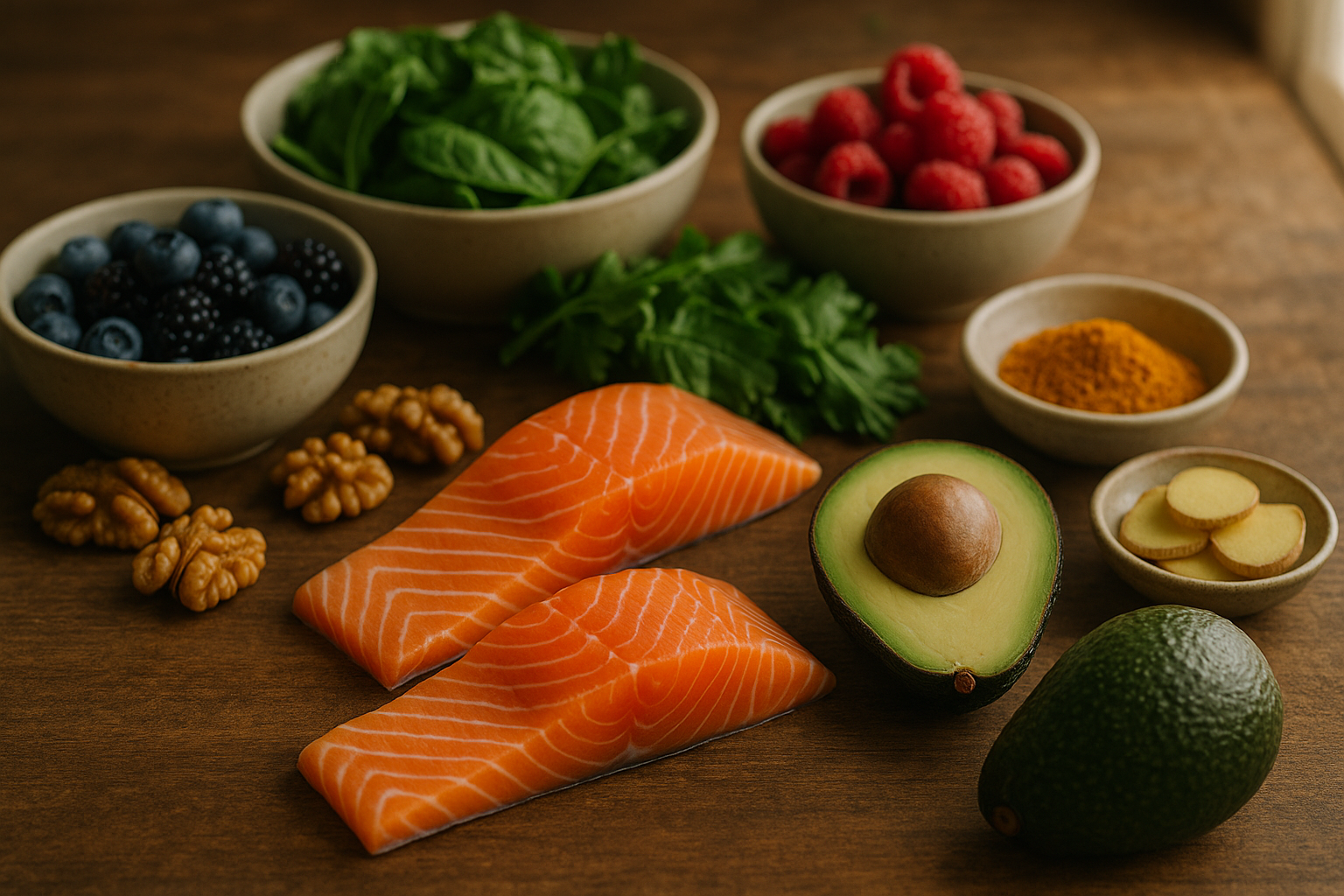
- Fatty Fish (Salmon, Sardines, Mackerel): Omega-3s are the gold standard for fighting joint inflammation. A 2017 meta-analysis in Arthritis & Rheumatology found that 2-3 servings per week measurably reduced morning stiffness and pain in people with knee osteoarthritis.
- Colorful Berries (Blueberries, Strawberries, Raspberries): Packed with anthocyanins—potent antioxidants that tamp down cartilage-degrading enzymes. Some data even links higher berry intake to slower cartilage loss (see: the 2020 Journal of Nutrition study on older adults).
- Leafy Greens (Spinach, Kale, Swiss Chard): These deliver vitamin K, which helps regulate inflammation and supports bone formation around joints. I've lost count of the number of patients who increase their greens and notice less swelling after just a month or two.
- Walnuts & Chia Seeds: Fantastic plant-based omega-3 sources. An easy swap if you’re not big on seafood.
- Avocados: Not just a trendy toast topper—contains healthy fats and phytosterols that may reduce inflammation in synovial fluid (that’s the "joint oil" keeping things moving smoothly).
- Turmeric & Ginger: The real kicker: curcumin in turmeric is shown to reduce pain scores in knee arthritis (500-1,000mg curcumin per day, according to 2016’s Journal of Medicinal Food). Add black pepper for absorption. Ginger's similar—think fresh, not just in cookies.
What About Collagen Supplements and Bone Broth?
Now, this is where it gets interesting. Collagen is the most abundant protein in your cartilage. The supplement industry has jumped on this, with everything from powders to gummies. Does it work? The evidence is mixed, but promising.
One 2018 study in Current Medical Research and Opinion found that 10g of collagen hydrolysate daily for 6 months reduced joint pain in active adults. Bone broth is less studied, but it does provide collagen peptides, plus minerals like magnesium and glycine. My personal take? Collagen won’t rebuild cartilage from scratch, but it’s a safe, easy add-on for most people. (Of course, talk to your doctor before starting any new supplement, especially if you have kidney or liver concerns.)
Cartilage Repair: What the Science Says
Let’s set honest expectations. Cartilage repair is slow going—if it happens at all. But you can slow breakdown, reduce pain, and support maintenance with the right nutrients. Vitamin C helps synthesize new collagen (found in peppers, kiwi, citrus). Sulfur compounds (onions, eggs, cruciferous veggies) are used in cartilage-building proteins. Zinc (pumpkin seeds, lentils, beef) and copper (shellfish, nuts) are key cofactors.
And for the supplement-curious? Glucosamine and chondroitin are the heavy hitters. A 2016 Cochrane Review looked at 54 randomized trials—glucosamine sulfate (1,500mg/day) had modest but real effects on pain and function in knee osteoarthritis. Chondroitin’s a little less consistent, but the combo is safe for most adults. I usually recommend 2-3 months to judge results.
Smart Ways to Boost Joint Health—Beyond Just Food
Nutrition is huge, but let me be honest: It’s not everything. Your daily movement, weight, sleep, and inflammation play a giant role. Some practical tips from years in the trenches:
- Keep Moving: Cartilage needs gentle compression (think walking, biking, water aerobics) to stay nourished. Sedentary joints stiffen up faster than you’d think.
- Manage Your Weight: Every extra pound puts about 4 pounds of pressure on your knees. Dropping just 10% of your body weight can cut pain scores by 50% according to a landmark study in Arthritis Care & Research, 2014.
- Try Heat: I’ve had great feedback on extra-large heating pads for pre-mobility warm-ups or post-activity relief. The Pure Enrichment PureRelief XL Heating Pad is a favorite in my clinic—covers hips, knees, or shoulders, and the moist heat option is a game-changer.
- Supplement Selectively: If you’re looking for a comprehensive formula, I’ve reviewed dozens and keep coming back to Glucosamine Chondroitin Turmeric MSM & Boswellia by Vimerson Health. It bundles the big five (including turmeric and MSM), and my clients report fewer new aches after 2-3 months—plus, the price point doesn’t sting.
- Focus on Consistency: You can’t out-supplement a junk diet or sedentary lifestyle. Improvements take weeks or even months. Don’t give up after ten days.
Controversies and What Most Sites Won’t Tell You
I know this is unpopular, but the "superfood" label is mostly hype. Chia seeds are great, but they’re not a magic bullet. Cherry juice? Some tiny studies show it lowers uric acid (gout), but it’s not regrowing cartilage. And if you’ve heard about nightshades (tomatoes, eggplant) "worsening arthritis"—the data is thin to nonexistent unless you have a specific allergy.
One thing I always caution about: individual reactions matter. I’ve seen patients flare badly with dairy or gluten, while others eat them daily with zero issues. Keep a simple food diary if you suspect something’s making pain worse.
Comparing Joint-Friendly Diets: Mediterranean vs. Standard American
Here’s where the research gets robust. The Mediterranean diet—rich in fish, olive oil, veggies, nuts—beats the typical American diet in every arthritis outcome you can name. Multiple BMJ and Annals of the Rheumatic Diseases studies show lower inflammation, less cartilage loss, and even reduced medication needs. My own experience echoes this: patients who make the switch often report steadier energy and less daily stiffness within a few weeks.
But it’s not just what you add—it’s what you limit. Highly processed foods, excess sugar, and trans fats all ramp up inflammation and can worsen joint pain. That means less soda, fewer fried snacks, and reading those ingredient labels a little closer. (I remember one client who swapped nightly chips for walnuts and noticed her morning finger stiffness cut in half in two months. Admittedly, she missed the crunch at first...)
Food Swaps That Matter: My Go-To List
- Swap canola oil for extra virgin olive oil in salad dressings
- Replace white bread with a hearty whole grain or sprouted loaf
- Trade store-bought granola bars for a homemade oatmeal-nut bar with added chia or flax
- Use Greek yogurt (unsweetened) as a base for dips instead of sour cream
- Add a handful of spinach or kale to morning eggs or smoothies
- Top oatmeal with berries and a sprinkle of walnuts
Little changes add up—especially if you’re consistent.

Supplements: Who Needs Them?
Do I recommend supplements for everyone? No. But for those with significant symptoms or dietary gaps, the right one can make a difference. For those seeking joint comfort, a well-reviewed combo like Glucosamine Chondroitin Turmeric MSM & Boswellia by Vimerson Health covers the bases and is pretty budget-friendly. (Full disclosure—I've seen better results when patients combine supplements with the real food changes above, not instead of.) If you're dealing with frequent joint stiffness after activity, the PureRelief XL Heating Pad is a practical tool to have on hand (just don’t use it as a substitute for movement or physical therapy, please).
The Bottom Line: What Works—And What Doesn’t
Here’s my best advice after years in this field: There is no "best food" for joint health and cartilage repair, but a pattern of whole, colorful, minimally processed foods—plus smart lifestyle tweaks—gets you most of the way there. Supplements, heat, and mindful movement fill the gaps. And don’t let anyone sell you a one-ingredient miracle (unless you’re buying my mother-in-law’s homemade lentil soup—she swears by it, but the science is thin!).
Key Takeaways for Sore Joints and Stubborn Cartilage
- Fatty fish, berries, leafy greens, and healthy fats lower inflammation and support joint health.
- Turmeric (especially with black pepper) and ginger may help with mild pain—just go for real food or well-formulated supplements.
- Glucosamine/chondroitin combos can provide modest pain relief—look for quality brands and give it at least two months.
- Collagen and bone broth are worth a try, but expectations should be realistic (maintenance, not miracles).
- Consistency with diet and daily movement is more powerful than any individual food.
- Always talk to your doctor before making big dietary changes or starting new supplements—especially if you take medications or have other health conditions.
Look, joint pain is a daily reality for so many of us—but it doesn’t have to control your life. Eat smart, move often, stay curious. Your knees, hips, and shoulders will thank you.
Wishing you easier mornings and smoother movement,
James Chen, MS, CSCS
Exercise Scientist, Joint Health Columnist
JointReliefReviews.com