
Here’s What Most Desk Workers Get Wrong About Wrist Pain
I’ll never forget my first year treating office workers. A junior accountant, Lisa, shuffled in clutching her wrist—red, swollen, and tingling. She wasn’t a gym rat or a heavy lifter. She spent her days typing, clicking, and scrolling spreadsheets. “How could this hurt me so much?” she asked.
She’s not alone. Wrist pain is one of the most common complaints I see, and it’s on the rise. According to the National Institute for Occupational Safety and Health, up to 20% of all computer users develop symptoms of repetitive strain in the wrist and hand (NIOSH, 2018). That’s one in five! I get emails from readers every week—engineers, writers, designers—frustrated that their wrists throb or go numb before lunch.
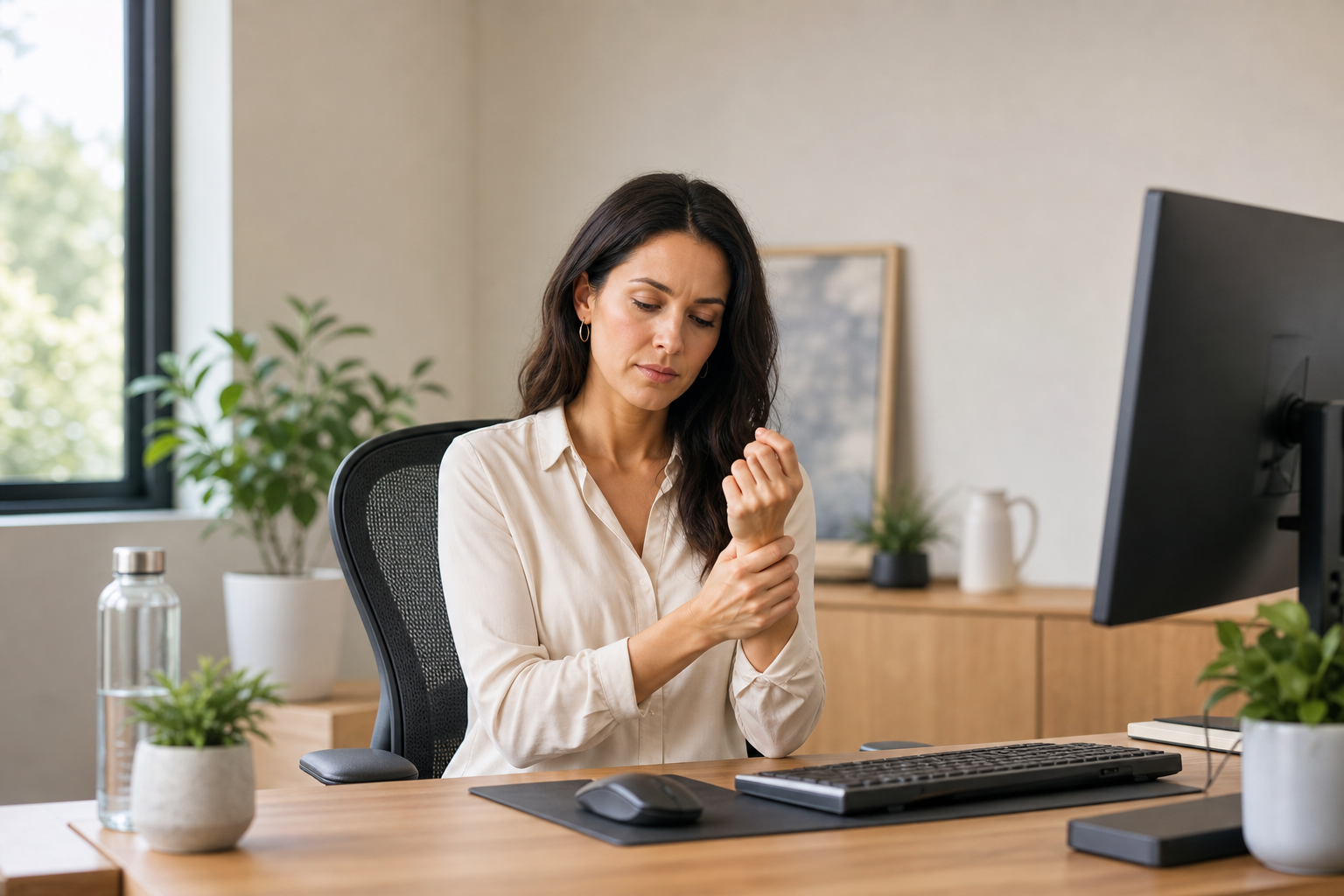
Why Wrist Pain Happens (Even If You’re Not Typing Like a Maniac)
Look, it’s not about working harder—it’s about working smarter. Your wrists are delicate, packed with tiny tendons and nerves that don’t appreciate being bent, poked, or pinched for hours. A 2022 review in the Journal of Occupational Rehabilitation confirmed what I’ve seen in my practice: poor desk ergonomics and repetitive hand movements are major risk factors for carpal tunnel syndrome and chronic tendonitis.
But here’s where it gets interesting. Most people think just buying a fancy mouse or fancy keyboard will solve their problem. If only it were that simple! Good ergonomics is a system—setup, habits, micro-breaks, and yes, sometimes the right support gear. The kicker? Small adjustments make a huge difference. A 2019 study in BMJ Open found that participants who made three or more ergonomic changes saw a 60% reduction in wrist discomfort after 8 weeks. That’s not a fluke. That’s solid science.
The Real Impact: It’s Not "Just an Annoyance"
Let’s be real: wrist pain isn’t just a nuisance. It can zap your productivity and—if you ignore it—spiral into serious problems. I’ve worked with people who shrugged off tingling fingers until night pain woke them up, or who ended up needing physical therapy for months instead of days. That’s why I always say: don’t tough it out, get ahead of it.
If you’ve been Googling “ergonomic tips for desk workers with wrist pain” on your lunch break, you’re probably tired of the same old advice. “Take breaks. Sit up straight.” Sure. But actual relief? That’s what you deserve.
9 Ergonomic Tips for Desk Workers With Wrist Pain (What I Really Recommend)
1. Keep Wrists in a Neutral Position (Not Bent Up or Down)
This is the golden rule. Your wrist should be in a straight line with your forearm—imagine a ruler running from your elbow to your knuckles. If you’re typing with your wrists cocked up or flopped down, you’re squishing nerves and tendons. Go look at your desk setup. Is your keyboard too high? Mouse forcing your wrist sideways? If yes, that’s your first fix.
2. Drop the Keyboard Feet
Most people pop up those little feet on the back of their keyboard. I know it feels comfortable—until it’s not. Those feet actually tilt your wrists up and increase compression on the carpal tunnel. My advice (which my own brother refuses to follow): keep your keyboard flat. Better yet, get a keyboard with a slight negative tilt, so your wrists slope down ever so slightly.
3. Mind Your Mouse Placement
Here’s the thing: The mouse is the sneaky culprit for most desk workers. You want it as close as possible—no reaching. Your upper arm should stay relaxed and your wrist straight. If you’re reaching, you’re risking it.
4. Choose the Right Ergonomic Gear (But Don’t Go Overboard)
I know—there are a million ergonomic gadgets out there. Some help, some are just hype. A genuinely good wrist rest can reduce strain, as shown in a 2021 study in Applied Ergonomics. But don’t wedge your wrists down onto a hard surface all day, either. The best wrist rests are soft, about 1" thick, and only used when not actively typing or mousing.
For persistent pain, a simple compression support can help. The Modvel Compression Knee Brace (hear me out—it works for wrists too with careful sizing) provides gentle compression and warmth that many of my patients find soothing. It’s affordable and actually stays put throughout the workday. Not a cure, but a solid piece of the puzzle.
5. Take Micro-Breaks (Yes, Every 20 Minutes)
I can almost hear your groan. But studies back me up: a 2020 systematic review in Ergonomics found that 1-2 minute micro-breaks every 20-30 minutes cut discomfort by up to 50% in desk workers. It doesn’t have to be elaborate. Shake out your hands. Stretch your fingers. Do a quick desk lap. Set a phone timer if you have to. The benefits add up.
6. Adjust Your Chair and Desk Height
Your seat should let your feet rest flat, knees at 90 degrees, and elbows at a similar angle when typing. If your desk is too high or low, you’ll compensate with your wrists—which they hate. Seat cushions or a simple footrest can make a world of difference.
7. Don’t Ignore Early "Tingles" or Numbness
I know, it’s tempting to push through. But if your fingers tingle, go numb, or burn—stop. That’s your body waving a red flag. Get up, move around, check your posture. If it keeps coming back, see your doctor or a physical therapist. Some cases need more than ergonomic tweaks.
8. Try Moist Heat for Soreness
For those "I overdid it" days, moist heat can be a game-changer. Traditional heating pads are too bulky for wrists, but you can use a small microwaveable wrap or even a warm, damp towel for 10-15 minutes. Moist heat boosts blood flow and soothes tight muscles. I sometimes recommend the Pure Enrichment PureRelief XL Heating Pad (yes, even though it’s oversized, it’s soft and flexible enough to wrap around forearms and wrists). It’s one of the few pads I trust for safe, adjustable moist heat.
9. Add Gentle Strengthening and Stretching
Prevention matters. Wrist stretches and light strengthening protect you from future flare-ups. A classic physical therapy move: stretch your arm out, palm down, and gently pull your fingers back with your other hand—hold 20 seconds, repeat three times. Or make a fist and slowly open your fingers as wide as you can—10 reps every hour. No fancy gym needed.

Deep Dive: Does Ergonomics Really Beat Wrist Pain? The Real Evidence
This is where I get nerdy. The evidence is most powerful for combining ergonomic changes—not just one thing. In 2017, a randomized trial in Arthritis & Rheumatology split office workers with wrist pain into three groups: ergonomic training alone, ergonomic gear alone, and both together. The group who got both saw twice the reduction in pain scores after 6 weeks compared to either strategy alone. That’s why I always push my patients to tweak their setup and build new habits.
I’ll be honest—some people need more. If you have severe tingling at night, hand weakness, or can’t shake pain after 4-6 weeks of tweaks, physical therapy or medical evaluation is a must. There’s no shame in it. Early intervention saves you months of struggle later.
How to Pick (or Skip) Ergonomic Accessories: My Real Talk
Most articles will tell you to buy a $150 split keyboard or a $300 office chair. My advice? Start simple (unless you’ve got cash to burn). Focus on low-cost tools that actually make a difference:
- Wrist supports: Only use during rest breaks, not while actively typing.
- Compression sleeves: Like the Modvel, these can offer warmth and support—but sizing matters. Too tight = worse symptoms.
- Heating pads: Moist heat, adjustable temperature, auto shut-off for safety. That’s why I recommend PureRelief XL for versatility at home or work.
Skip: rigid cock-up splints all day long (unless a doctor prescribes), “miracle” mouse pads, or gadgets that force your hands into unnatural positions. I’ve seen too many people buy the latest gear and actually make their pain worse. If you’re nodding along, you’re not alone.
Extra Tips From the Clinic: What Actually Works For My Patients
One thing my patients report, over and over: starting and ending the day with a 2-minute “reset” for their wrists. That’s some basic range-of-motion exercises, a quick heat pack, or a gentle self-massage (just using your thumb in circular motions along the forearm). It’s not fancy, but it works.
Don’t forget hydration. Mild dehydration makes soft tissues sticky—not a good combo for marathon typing. Keep water at your desk, and use every break as an excuse for a refill.
Last controversial tip: voice dictation. I know, it feels odd at first, but for heavy writers/editors, switching half your emails to voice each day can cut wrist load dramatically. Try it. No one’s watching.

Takeaways: If You Only Change Two Things…
- Watch that wrist angle. Neutral is non-negotiable. Adjust your keyboard, mouse, and chair until you get it right.
- Build micro-breaks into your routine. Even one minute every half hour makes a difference. Your wrists will thank you.
I know it’s overwhelming. But you don’t need to overhaul your life or empty your wallet. Start today with one or two changes. Track your symptoms for two weeks—you’ll be surprised how quickly things can feel better.
And, as always, don’t mess around with persistent or severe pain. Talk to your doctor if symptoms are constant, worsening, or start to affect your grip strength. It’s worth it.
Wishing you a pain-free, comfortable workday—one tweak at a time.
Dr. Sarah Mitchell, DPT
Senior Health Editor, JointReliefReviews
12+ years clinical experience in chronic joint and workplace injury care