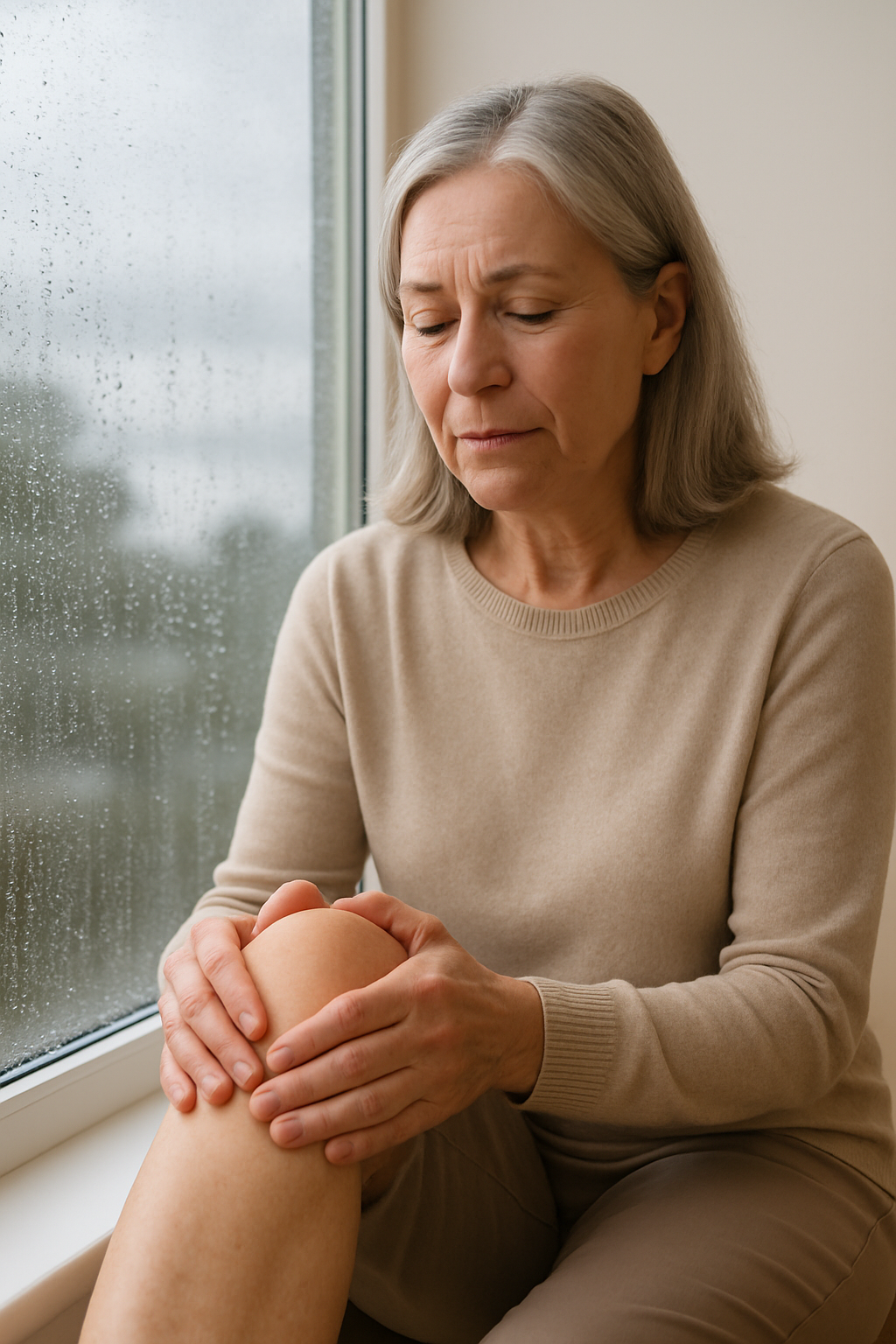
Why Does the Weather Make My Joints Hurt? The Real Story (From a PT Who Hears It Daily)
I’ll never forget one patient—a retired school bus driver named Linda—who could practically forecast rain three days ahead, just by listening to her knees. She’d walk into my clinic and sigh, “Another storm’s coming, Dr. Mitchell. I can feel it.” And you know what? More often than not, she was absolutely right.

Sound familiar? If you notice your arthritis or old injury flaring up with a drop in temperature or a looming thunderstorm, you’re in good company—and you’re not imagining it. I get asked about the weather and joint pain connection at least once a week in the clinic, especially as seasons shift. But why does this happen? Is it just an old wives’ tale, or is there hard science behind it?
The Daily Frustration: When Your Knees Outperform Your Phone’s Forecast
Dealing with unpredictable joint pain is exhausting—not just physically, but mentally. I see people grit their teeth through achy mornings, then move fine by lunchtime… only for the aches to roar back when the clouds roll in. You start planning errands, hikes, or even just dog-walking around the weather. It can feel like you’ve lost control of your own body.
And the real kicker? Most friends (and sometimes even your doctor) will say, “Just ignore it,” or “It’s all in your head.” Trust me, as someone who’s spent 12+ years treating people with osteoarthritis, RA, and old sports injuries, I’ve heard it all. But there’s more to this story than skepticism or superstition.
Weather and Joint Pain: What Does the Science Actually Say?
Let’s get into the nitty-gritty—and yes, the research is more interesting than you’d think.
Barometric Pressure: The Invisible Culprit
Here’s the thing: The leading theory isn’t about rain or temperature. It’s about barometric pressure—the weight of the air pressing on your body. When a cold front or storm system approaches, that pressure drops. Joints (especially those with damage or inflammation) may respond to this change.
In a landmark 2007 study published in the Journal of Rheumatology, researchers tracked 200+ people with knee pain across three cities. Their findings? Drops in barometric pressure and temperature both correlated with increased reports of joint pain. (Wasn’t huge—about a 1-point rise in pain scale per 10 mbar drop—but it was consistent.)
Another study from Arthritis & Rheumatology (2014) followed over 800 patients and found that, while not everyone is sensitive, those who are really do experience genuine fluctuations—especially when humidity and pressure shift together. So if you feel twinges before the weatherman calls for storms, you’ve got research backing you up.
Temperature, Humidity, and Rain—Do They Matter?
Now, I’ll be honest—this is where the science gets muddy. Some studies say temperature drops make arthritis symptoms worse, while others shrug and say there’s no strong link. Humidity? Same story. But BMJ 2016 ran a huge data analysis and found that humid, chilly conditions made pain spikes more likely in folks with chronic joint conditions.
What about rain itself? Surprisingly, actual precipitation isn’t the main problem. It’s all about those subtle shifts in pressure and moisture in the air, not the rain hitting your window. That’s why you might ache for days even if the storm doesn’t materialize.
Who’s Most Vulnerable to Weather Flare-Ups?
Not everyone’s joints go haywire with the weather. Based on my experience (and a handful of meta-analyses), here’s who’s most likely to be affected:
- People with osteoarthritis (especially knees, hips, hands)
- Individuals with rheumatoid arthritis or other inflammatory joint diseases
- Anyone with previous joint injuries—ligament tears, fractures, surgeries
- Seniors: Sensitivity to pressure and temperature changes seems to increase with age
But I’ll say this—if you’re in your 40s or 50s and starting to notice pain patterns, you’re not “too young” for this phenomenon. I’ve seen it in marathoners, ex-football players, and yes, my own mother-in-law (she claims she can predict thunderstorms better than the local news).
How Does Weather Trigger Joint Pain? (Let’s Make This Simple)
Here’s where it gets interesting. Most of my patients want the plain-English version, so I’ll skip the medical jargon.
- Pressure drops mean less force pressing against your body. If your joint is already inflamed or has excess fluid (as in arthritis), the tissues can swell slightly more—triggering pain sensors.
- Cold temperatures may cause muscles, tendons, and ligaments to stiffen up—reducing flexibility and increasing discomfort.
- High humidity can also make joints feel “full” or puffy, though not everyone is sensitive to this effect.
I’ve had folks tell me, “My knee feels like it’s ballooning.” That’s actually not far off. It’s the altered balance of joint fluid and tissue stretch—amplified by old injuries or chronic inflammation.
But—and this is important—nerves in the joints are also more likely to fire off pain signals when those tissues are even slightly distended or the surrounding temperature changes rapidly. That’s why some people wake up feeling fine, then hobble around as a cold front moves in by lunchtime.
Is It All in My Head? (Spoiler: No, But Your Brain Plays a Role)
This is where most articles drop the ball. Yes, your brain is part of the equation. If you expect pain when the weather changes, you might notice it more—that’s called “pain anticipation,” and it’s a real neurological effect. But the physical changes in your joints are real, too.
In my practice, I encourage people not to ignore pain patterns, but to track them. I recommend a simple notebook or an app—log pain levels (0-10) alongside weather shifts. After a month, you’ll see if there’s a real link for you, and you can take that data to your provider. I get emails about this weekly—folks who realize they’re not “making it up.”

Practical Solutions: What Actually Helps When the Weather Hits Your Joints
I’ll be honest—no supplement or gadget will make you 100% weatherproof. But there are evidence-backed ways to take the sting out of stormy days. Here’s the advice I give my own patients (and, yes, my in-laws):
1. Keep Joints Warm and Supported
Seems obvious, but warmth makes a genuine difference. Heat increases circulation and relaxes stiff tissues. For knee, hip, or back pain, I’m a fan of moist heat pads. There’s real science behind it—moist heat penetrates deeper, which can ease pain and stiffness for hours.
I’ve reviewed a dozen, but my current favorite is the Pure Enrichment PureRelief XL Heating Pad. It’s extra-large, covers your knees or back, and the moist setting is a game-changer on cold, damp mornings. Multiple patients have told me it “saves” them on bad weather days—plus, the auto shut-off is a real bonus (I’m always paranoid about overheated pads).
2. Gentle Movement—Even When You Don’t Feel Like It
Here’s what most folks get wrong: On days their joints ache, they stay still, thinking it’ll help. But gentle movement actually lubricates the joints and reduces stiffness. I encourage a brisk walk indoors, mild yoga, or even chair exercises during storms. It doesn’t have to be strenuous—a few minutes goes a long way.
The book Treat Your Own Knees by Jim Johnson, PT, has easy-to-follow routines. A reader emailed me last month to say the illustrations “made everything click,” and she finally stuck with a home program. I recommend it especially for folks managing knee pain with unpredictable weather.
3. Compression and Supportive Gear
Compression sleeves can feel magical in colder, damp weather. They increase warmth and add gentle pressure—sort of counteracting the drop in barometric pressure. I see people who swear their Modvel Compression Knee Brace lets them get through rainy hikes or garden chores pain-free when nothing else works. (Bonus: it comes as a pair, which is surprisingly rare, and the anti-slip strips mean you’re not pulling it up every five minutes.)
But, here’s the caveat: Compression isn’t for everyone. If you have poor circulation or neuropathy, check with your doctor before trying a sleeve or brace.
4. Medications and Supplements
Some people reach for topical anti-inflammatories (like Voltaren gel) or oral NSAIDs on weather-flare days. These can help, especially if you have a known inflammatory diagnosis. For supplements, there’s modest evidence for glucosamine and chondroitin (1500mg/1200mg daily), but results are hit-or-miss. If you’re considering new meds or supplements, always talk to your doctor or pharmacist first—some interact with blood thinners or affect kidney function.
5. Stay Ahead of the Curve: Planning and Self-Tracking
I encourage patients to keep a “flare kit” handy: heating pad, compression sleeve, easy exercises, and their meds—all in one spot. Track your pain and the weather patterns; adjust your activity schedule when you know a front is coming. A bit of preparation can shave hours off your discomfort (and save you from last-minute pharmacy runs).
Expert Insights: What We Still Don’t Know
I know this is unpopular, but: Not even rheumatologists agree on why weather-related joint pain hits some people and not others. There may be a genetic component. And studies can’t always control for psychological effects—if you expect pain, your brain can “amplify” it (that’s the central sensitization mechanism).
I’ve had long-time patients suddenly stop weather flare-ups after losing weight, improving their fitness, or making dietary tweaks (cutting back on processed foods and salt). Others see no change. That’s the mystery—and the frustration. So I always say: Trust your own body, not just the studies.
Comparing Coping Strategies (What Works, What Doesn’t)
Here’s a quick rundown, based on what I see in the clinic and what the data shows:
- Warm showers or baths – almost universally helpful, especially on cold mornings
- Compression sleeves – helpful for most, but not all; comfort and fit matter
- Heating pads with moist heat – best for deep, persistent aches
- OTC meds/topicals – works for acute spikes, but avoid overuse
- Supplements – mixed evidence; worth a try if you tolerate them well
- Resting all day – generally makes stiffness worse, not better
- Ice packs – sometimes useful for acute swelling, but heat usually wins out on weather-related aches
If you’re nodding along, you’re not alone. Most patients end up crafting their own “weather pain toolkit” by mixing these approaches.
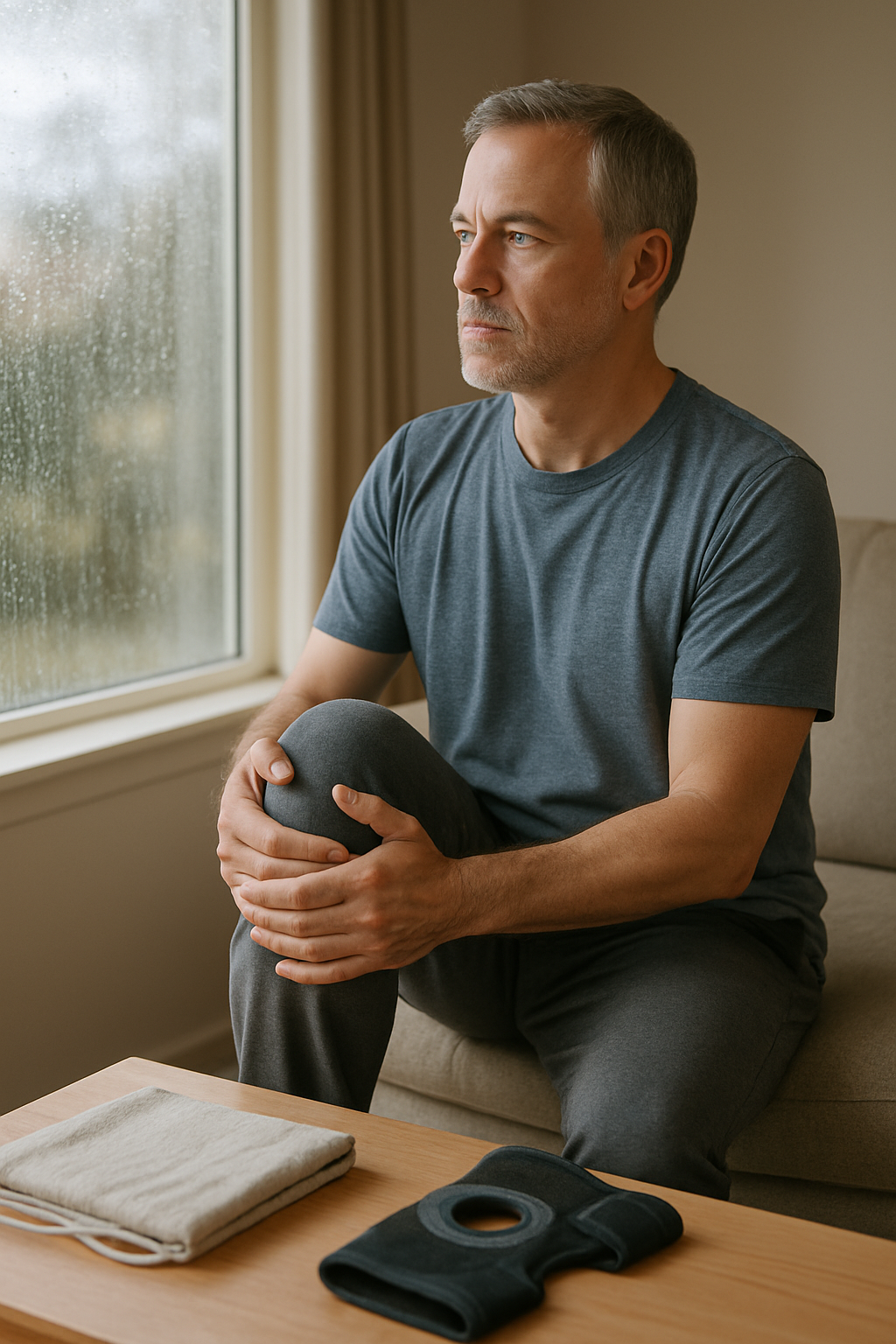
Takeaways: Your Action Plan for Weather-Related Joint Pain
- Track your symptoms and the weather—look for patterns unique to you
- Layer up and keep joints warm, especially before storms or temperature drops
- Don’t skip gentle movement—try short walks, yoga, or a home exercise plan
- Use supportive gear like knee sleeves if they work for you (and you’re cleared by your doctor)
- Moist heat can be a lifesaver—XL heating pads are my go-to for big joints
- If you use medications, do so under a doctor’s guidance—don’t double up on NSAIDs
But most importantly, trust your experience. You know your body. And if you’re told it’s “just in your head”—find a new provider, or at least bring them the evidence. Your weather-sensitive joints are sending a message, and it’s one you can manage (with a little prep, and maybe a really good heating pad).
Questions? I read every reader email (really). Weather pain is real, and with a little strategy, it doesn’t have to rule your life.
Dr. Sarah Mitchell, DPT — Senior Health Editor, JointReliefReviews.com