Is CBD Oil the Answer for Achy, Stiff Joints? My Honest Take
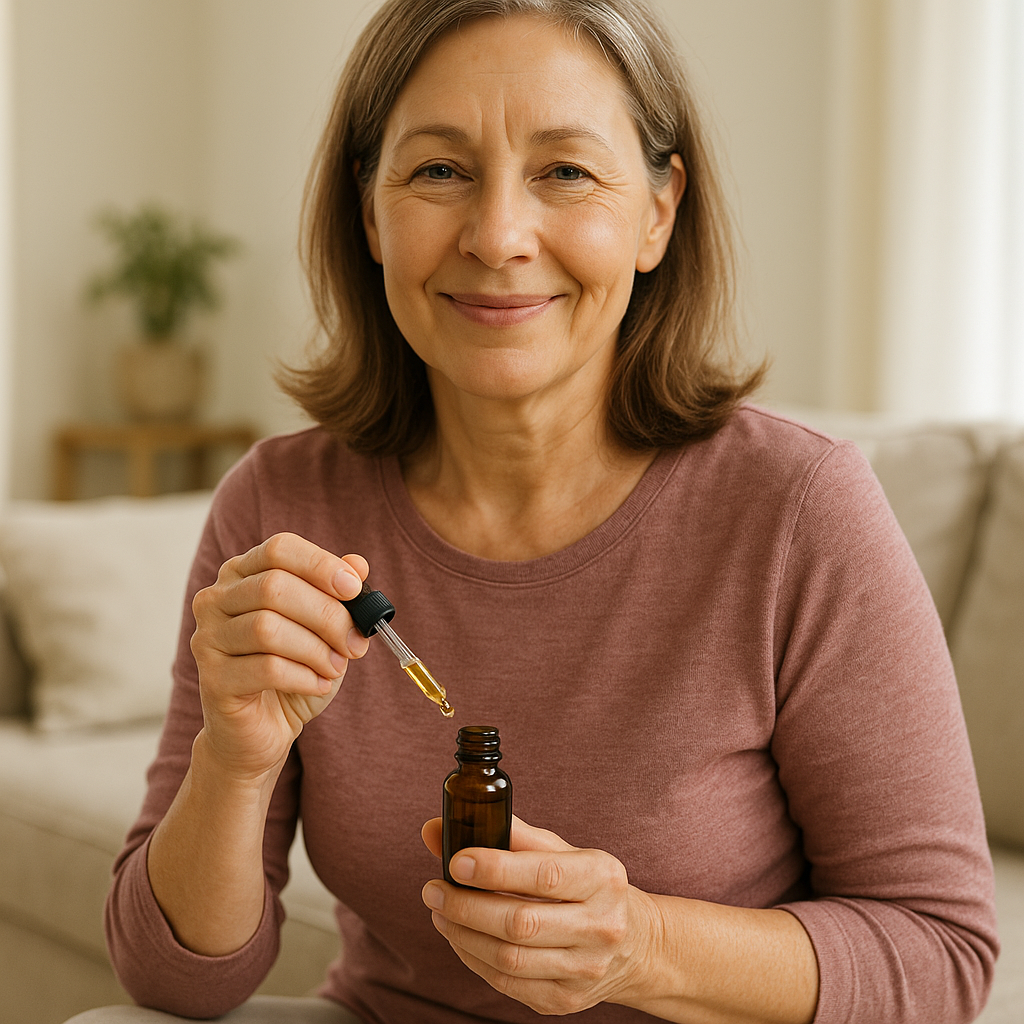
Six months ago, one of my long-time patients—Donna, 67, retired teacher—walked into my office clutching a small amber bottle. “My daughter says this CBD oil is a game-changer for arthritis. Should I try it?” she asked, skepticism (and hope) written all over her face.
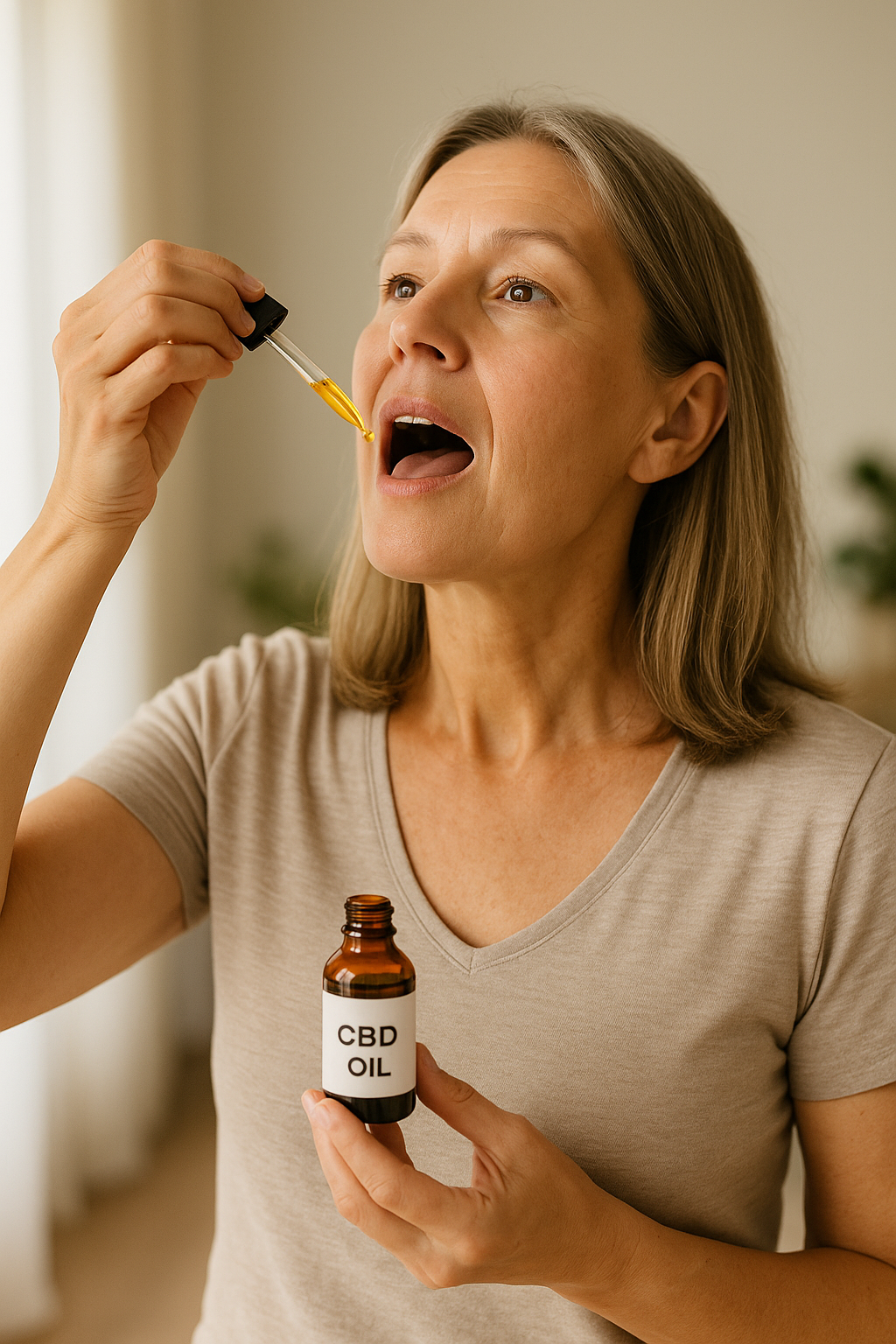
If you’ve even *glanced* at the health section of a pharmacy lately, you’ve seen it: CBD balms, gummies, tinctures—promising everything from pain relief to better sleep. But with so much hype (and some seriously bold marketing claims), how do you separate real relief from snake oil?
The Daily Grind: What Living with Joint Pain Really Feels Like
Look, I get it. Whether you’re dealing with creaky knees every morning, a thumb that won’t stop throbbing, or unpredictable, stabbing shoulder pain—chronic joint pain wears you down in ways that most healthy folks just don’t see. It’s not just physical (though, yes, climbing stairs can feel like hiking Everest); it’s mental, too. That constant ache chips away at your energy, your mood, even your sleep. I’ve had patients break down in tears—not because of the pain itself, but the relentless grind of it all.
And here’s the thing: Traditional options (NSAIDs, steroid injections, ice packs, you name it) only go so far. Plus, long-term use of things like ibuprofen or naproxen? Yeah, those can mess with your stomach, blood pressure, and much more. That’s why so many people—maybe you—end up searching for natural, gentler options.
How Does CBD Actually Work for Joint Pain?
I’ll be honest—I was skeptical when CBD first hit the scene. But as a chiropractor, I owe it to my patients to stay curious. So, I dove into the research (and pestered plenty of colleagues in rheumatology along the way).
First off, what is CBD? It stands for cannabidiol, a compound from the cannabis plant. Crucially: CBD doesn’t get you high. That’s THC, a totally different story. CBD is prized for its anti-inflammatory and analgesic (pain-fighting) potential.
Here’s where it gets interesting. Your body has something called the endocannabinoid system (ECS), which helps with pain, inflammation, sleep, and immune response. CBD interacts with this system—especially the CB2 receptors found throughout your immune system and joints. Think of it like a dimmer switch, potentially turning down inflammatory signals that make your joints flare up.
Animal studies are surprisingly robust. In one widely-cited 2017 paper in Pain, researchers saw major reductions in joint swelling and pain behaviors when rats were given topical CBD after induced arthritis. Another study, published in the European Journal of Pain (2016), found that CBD gel applied to arthritic rats reduced both joint pain and inflammation—with no obvious side effects.
Humans, though? The data is just starting to roll in. A 2020 article in Current Opinion in Rheumatology flagged CBD as “promising,” particularly for inflammatory arthritis, but also called for larger, longer-term studies. Anecdotally, many of my patients say it helps—not everyone, but enough that it’s worth a closer look.
What the Science (and Real Folks) Are Saying
Let’s not sugarcoat it. CBD isn’t a miracle cure. But I’ve seen three kinds of results in my clinic and from friends braving joint pain:
- The “Takes the Edge Off” Crowd: These folks don’t get total relief, but CBD softens the ache. One reader emailed me after using a 1000mg full-spectrum oil for her osteoarthritis—she said, “I can finally play cards and garden again, pain is still there, but it’s background noise now.”
- The “Sleep is the Real Win” Group: Several patients mention that the biggest improvement was in sleep quality—CBD seems to quiet pain enough to allow for solid rest, which (ironically) helps manage pain long-term.
- The “Didn’t Do Much” Folks: Not everyone is sold. About a third of patients report little or no effect, even after 2-4 weeks of regular dosing. Sometimes it’s brand, sometimes dose, sometimes plain old biology.
One 2022 observational study in Arthritis Care & Research tracked 428 people with knee or hand osteoarthritis who tried CBD. Roughly 37% reported "moderate to significant" pain relief after six weeks. Not exactly a slam dunk, but compared to acetaminophen (which has a lower percentage in some studies), it’s notable.
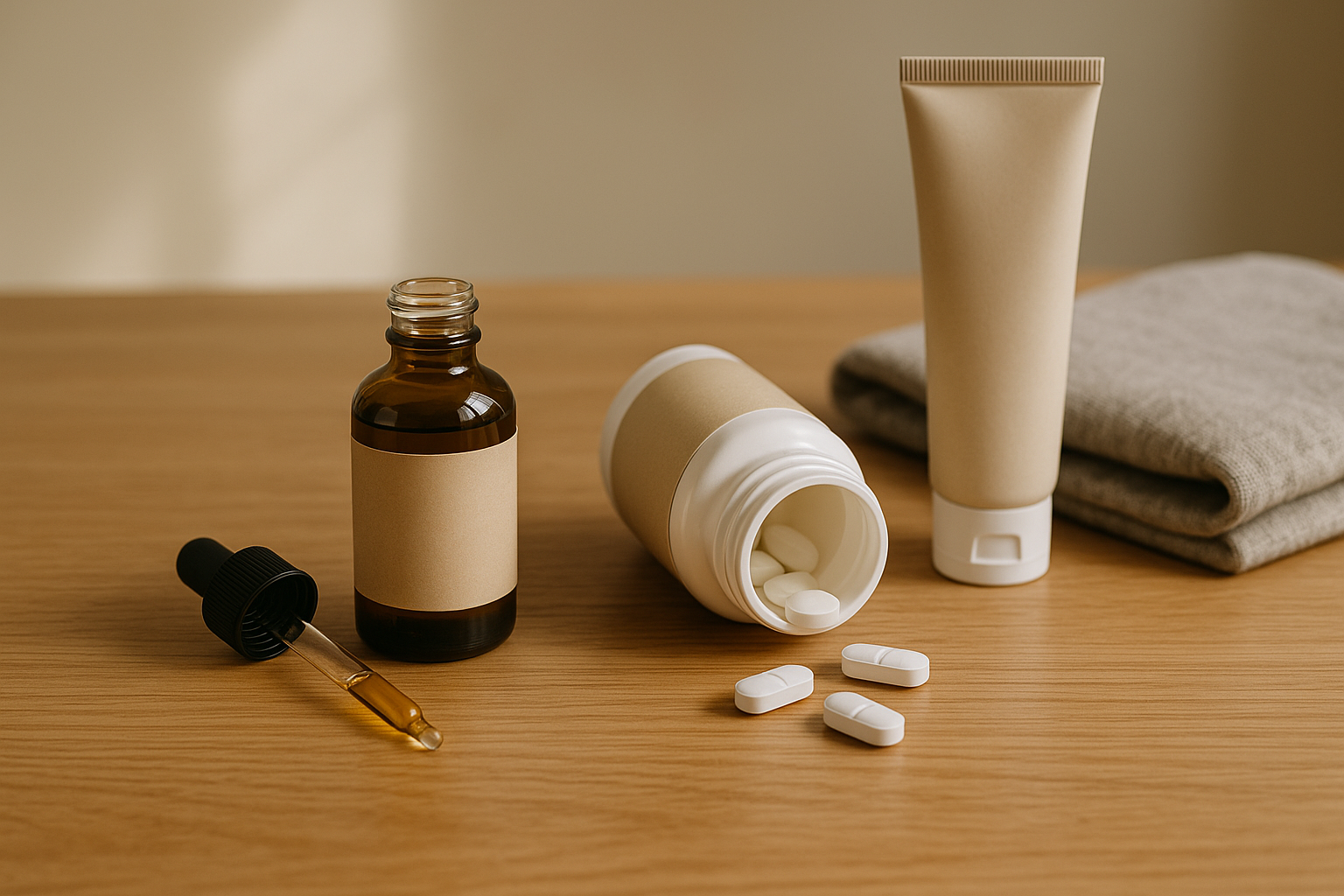
Let’s get real for a moment: There’s a ton of marketing in this space, and not every bottle delivers what it promises. I always advise folks to check for third-party lab testing, clear CBD content (measured in mg per bottle or per dose), and—when possible—choose brands with abundant real user reviews, not just influencer hype.
How to Choose (and Use) CBD Oil for Joint Pain
Here’s my honest advice, based on both research and what has worked for my patients (and, full disclosure, my brother-in-law with “basketball knees”):
- Start low, go slow: Typical starting dose is 10-20mg per day, gradually building up to 40-50mg as needed. The sweet spot for most? 20-40mg daily, split morning and evening.
- Full-spectrum vs. isolate: Full-spectrum CBD contains other beneficial compounds from the hemp plant (think terpenes and other cannabinoids), which may help with the so-called “entourage effect.” Many patients report better results with these vs. pure CBD alone.
- Tinctures vs. topicals: For joint pain, I’ve seen tinctures (drops under the tongue) work best for widespread issues, while topicals (creams, balms) can be perfect for targeting problem joints like knees or wrists.
- Consistency is key: It’s not always instant. Give it 2-4 weeks of daily use for a fair trial.
And talk to your doctor before adding CBD—especially if you’re on blood thinners, seizure meds, or have liver issues. Early studies show CBD can interact with certain medications, so keep your prescriber in the loop.
Pairing CBD with Other Proven Relief Strategies
Here’s where I see the best results—combining CBD with other simple, research-backed tools. For example:
- Compression support: A good knee or elbow brace can cut swelling and discomfort, especially during activity. The Modvel Compression Knee Brace is a patient favorite—sold as a pair, super affordable, and not too bulky under jeans. I’ve worn them myself for post-squash match swelling. (And they have over 75,000 reviews, so you’re not alone if you’re curious!)
- Moist heat therapy: For those stiff mornings, I’m a fan of the Pure Enrichment PureRelief XL Heating Pad. This thing is *huge*—covers your whole knee or lower back, with a moist heat setting that penetrates deeper. One reader told me it “melts the tension away” after a day on her feet.
- Topical NSAIDs: Not a CBD product, but worth mentioning— Voltaren Arthritis Pain Gel uses diclofenac, a non-steroidal anti-inflammatory approved by the FDA, and has strong clinical backing for joint pain flares (especially hands and knees). Some patients even alternate Voltaren in the morning, CBD oil at night.
I know, I know—so many options. But, honestly, it’s often the combination that helps people reclaim their mornings (and their sanity). And none of these require a prescription or a painful procedure.
What to Watch Out For—CBD Pitfalls and Limitations
Here’s the part most glossy magazine articles skip: Not all CBD is created equal. The market is barely regulated, and (unfortunately) I’ve seen products with less than half their labeled CBD content, or contaminated with solvents or pesticides. Always look for a certificate of analysis (COA) from a reputable third-party lab—if a brand won’t provide it, skip it.
Also, don’t fall for “cure-all” promises. CBD can be part of a pain-management plan, but it won’t regrow cartilage, reverse severe arthritis, or replace physical therapy. (If only it did…)
Potential side effects? They’re generally mild—dry mouth, drowsiness, sometimes loose stools. But rare cases of elevated liver enzymes have popped up in high-dose studies. Again, talk to your doc if you have liver issues or take meds that get processed there.
How Does CBD Compare to Other Natural Joint Supplements?
This is a hot topic—and, honestly, not everyone agrees. Glucosamine, chondroitin, turmeric, and boswellia have a much longer track record. The 2016 BMJ review gave glucosamine sulfate (1500mg/day) a cautious thumbs-up for knee osteoarthritis, though it’s slower-acting than CBD in my experience. Turmeric (curcumin) also has solid anti-inflammatory effects—when you use a well-absorbed extract, at 500-1000mg/day.
But here’s where CBD shines: It tends to work quicker for pain relief and can double as a sleep aid, which most joint supplements don’t touch. The downside? Price. Quality CBD oils aren’t cheap, though the market is getting more competitive each year.

The Real-World Bottom Line (What I Tell My Own Family)
If you’re nodding along—frustrated by nagging joint pain, tired of side effects from conventional meds, and curious about natural relief—CBD is genuinely worth a cautious, well-informed experiment. Does it help everyone? No. But for many, it turns down the dial on pain and inflammation just enough to reclaim a bit of what chronic pain steals.
If you do try it, focus on reputable brands, moderate dosing, and give it a few weeks. Pair it with smart lifestyle tweaks—gentle movement, compression, and heat when needed. And keep your provider in the loop, especially if you’re juggling other health concerns.
And please, don’t take my word as gospel. Every body is different. Consider this a starting point—one based on the latest science, a lot of hands-on experience, and more patient stories than I can count. I love hearing how people find relief, so if you try CBD (or a combo with other tools), shoot me an email about your experience. We’re all learning together.
Stay Curious—And Be Kind to Your Joints
Joint pain can be stubborn, but so are the people who refuse to let it win. Keep asking questions, listen to your body, and don’t give up on finding your own best blend of relief. The journey is rarely simple, but sometimes, the smallest tweak—be it a new CBD oil, a better brace, or a daily heat ritual—makes a world of difference.
Wishing you stronger, calmer joints and peaceful mornings ahead.
— Dr. Michael Torres, DC
Licensed Chiropractor, Certified Nutrition Counselor, and Author for JointReliefReviews.com