
Weather and Joint Pain Connection Explained: What Science (and My Patients) Reveal
By James Chen, MS, CSCS
It was a chilly October morning when my neighbor, Carol, poked her head over the fence and said, "James, I knew it would rain today. My knees told me before the forecast did." I just smiled and handed her a rake, but in the back of my mind, I was already running through the studies I'd read on this exact topic.
Why Your Joints Might Predict the Weather Better Than Your Phone
Look, if you've ever felt your fingers stiffen or your knees ache just as the clouds roll in, you're not imagining things. I get emails about this every week—from longtime arthritis patients and from fit, active folks alike. The idea that weather can trigger joint pain is older than aspirin. And yet, even now, people still get brushed off as "old wives' tales" or told it's all in their head.
Here's the thing: The medical world has gone back and forth on this for decades. Some doctors brush it off. But having worked with hundreds of adults over 50, and having read my share of studies (and lived through Boston winters), I can tell you—there's more to this connection than skeptics admit.
The Real Problem: The Daily Struggle With Weather-Sensitive Joints
If you wince when the barometric pressure drops, you're far from alone. In fact, a 2019 survey in BMJ Open found that 67% of chronic pain sufferers in the UK believed the weather affected their symptoms. That's not a small number.
But the problem isn't just the pain. It's the unpredictability. One day your knees feel fine. The next, a cold front rolls in, and getting out of bed feels like climbing Everest. You cancel plans. You skip your morning walk—even though every expert (myself included!) will tell you movement is medicine.
For some people, the pain is mild. For others, it's a game-changer. I've seen folks go from gardening daily to barely managing the stairs, just because the weather can't make up its mind.
The Science: What Actually Links Weather and Joint Pain?
Let me get nerdy for a minute. This is where most articles glaze over, but you're reading this because you want answers—not fluff.
Barometric Pressure and Joint Fluid
The leading theory? Barometric pressure drops before bad weather, like rain or snow. Your body is filled with fluids—including the synovial fluid that cushions your joints. When external pressure falls, the tissues within joints can expand just slightly, creating more pressure inside the already inflamed joint capsule. If you've got osteoarthritis or old injuries, that extra "stretch" can trigger pain or stiffness.
The Journal of Rheumatology (2007) published a review involving 200+ patients with knee osteoarthritis. The result: a significant association between lower barometric pressure and increased knee pain.
Temperature and Muscle Stiffness
Cold weather tightens muscles and tendons, reducing their flexibility. That's why winter mornings can feel extra creaky. In a 2014 Arthritis & Rheumatology study, even a 10-degree Fahrenheit drop led to a measurable increase in reported pain among rheumatoid arthritis patients.
And, not gonna lie, I see it every January. My phone rings off the hook with clients wanting tips for stretching out stiff joints (or asking if they can move somewhere tropical).
Humidity, Rain, and Swelling
Higher humidity levels can also worsen joint pain, especially if you have inflammation. Some studies suggest that moist air, combined with falling pressure, can lead to more joint swelling and pain.
But here's where it gets interesting: Not everyone is equally sensitive. Some people claim to feel better in the rain, while others are practically glued to their heating pads during storm season. Genetics, the location of arthritis, and lifestyle all play a role.
Is It All In Your Head?
I know this is unpopular, but some researchers think a bit of confirmation bias is at play. Meaning: if you expect pain with bad weather, you'll notice it more. But when you look at the data as a whole, even the skeptical studies tend to admit—there's something real going on for certain folks, especially those with joint conditions.
What the Latest Research Shows
Here's a quick tour through some of the more robust studies, so you have more than just anecdotes when explaining your "weather knee" at the next family dinner:
- BMJ Open, 2016 – Tracked 13,000 UK residents via smartphone app. Found a small but statistically significant link between humidity, lower pressure, and increased pain.
- Arthritis Care & Research, 2019 – U.S.-based study showed colder temps and wet weather led to higher pain scores in osteoarthritis patients, especially those over age 55.
- Japanese study, 2019 – Looked at over 2,000 participants and showed more arthritis flares during rainy, humid seasons versus dry seasons.
But the real kicker? Even when you factor in mood and activity level, weather still seems to play a role for a sizable chunk of people. It's not just coincidence.
Solutions: What Can You Actually Do About Weather-Related Joint Pain?
Look, I'd love to hand you a magic solution. But when it comes to weather, we're all at Mother Nature's mercy. Still, there are strategies that genuinely help—many of which I've tested in the clinic and at home. (True story: my mother-in-law swears by several of these.)
Stay Warm, Layer Up
Simple, but overlooked. Cold makes joints stiffer, so keep your extremities covered—even if you're just heading out to grab the mail. I recommend thermal gloves, compression sleeves, or heated wraps.
Try Moist Heat for Deeper Relief
Here's where I get a little nerdy: Moist heat penetrates more deeply into tissue than dry heat. In patients with chronic knee or back pain, I've seen Pure Enrichment PureRelief XL Heating Pad work wonders because it's extra-large and has a moist heat setting. You don't need to spend a fortune—just make sure your heating pad covers the full joint and, ideally, includes auto shut-off so you can use it safely.
Keep Moving (Even When You Don't Want To)
This is the advice nobody wants, but it's gold. Gentle movement keeps synovial fluid circulating and muscles flexible. On rough days, just five minutes of morning stretches or walking around the house can help. I've reviewed Jim Johnson's Treat Your Own Knees—it's got easy-to-follow, research-backed moves that don't feel like punishment. (Plus, his illustrations are actually decent, which helps.)
Compression Supports: Not Just for Athletes
Most folks think compression sleeves are for marathon runners or CrossFit junkies. But a quality knee sleeve can offer gentle compression, warmth, and a little extra stability when the weather messes with your joints. I have clients who wear the Modvel Compression Knee Brace on stormy days—they're affordable, come as a pair, and don't slide down your leg every five minutes (the anti-slip bands are a godsend, honestly).
Monitor the Forecast (and Plan Ahead)
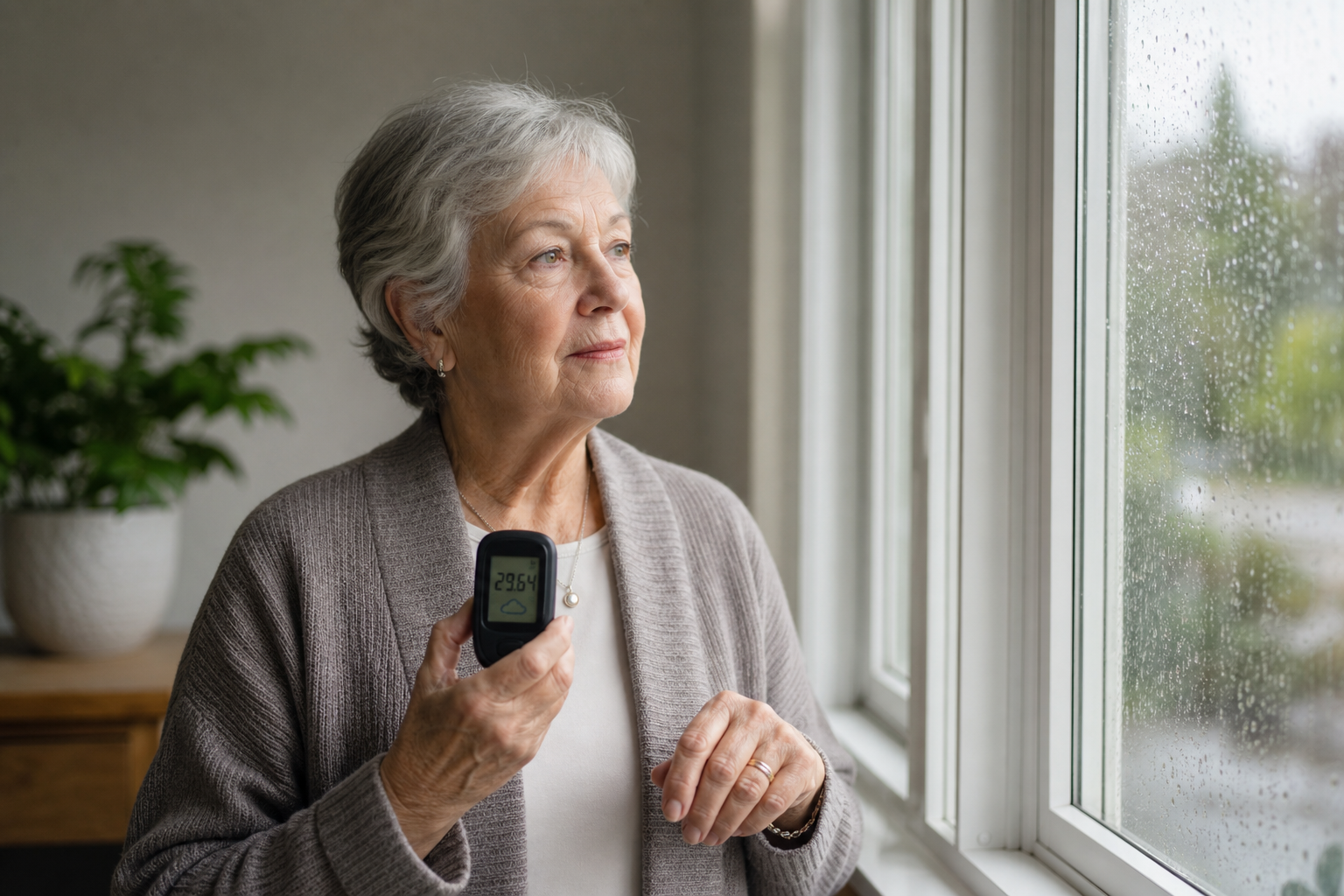
It might sound silly, but keeping an eye on barometric pressure trends can help you plan activities. Some of my most proactive clients use weather apps or even an at-home barometer to spot when their "danger zone" days are coming. On those days, dial back on long walks, but try some gentle range-of-motion exercises indoors.
Tweak Your Routine Around Weather Shifts
- Stay hydrated – Your joints need fluid to function; dehydration can make stiffness worse, especially in heated indoor environments.
- Avoid long periods of stillness – Set a timer to stand up and stretch every hour if you're tempted to hibernate on the couch.
- Use pain relievers carefully – Topical NSAIDs (like Voltaren gel) can help on high-pain days, but talk to your doctor before starting any medication long-term.
Comparing Solutions: What Works (and What’s Overrated)
I know some of you are wondering about supplements. Do glucosamine, turmeric, or fish oil help with weather-related pain? The evidence is mixed. Glucosamine sulfate (typically 1500mg daily) may help some with knee osteoarthritis but doesn't work for everyone—and it won’t change your body’s response to barometric swings.
What about those "arthritis gloves" you see in late-night TV ads? Mild compression helps some people, but if you’re not moving your joints throughout the day, gloves alone won’t do much. Far better to combine gentle exercise with heat and compression.

When to Talk to Your Doctor
Here's my honest disclaimer: If your joint pain suddenly worsens, involves swelling, redness, or affects your ability to perform daily tasks, don’t just blame the weather. See your primary care doc or an orthopedist. Sometimes what looks like "rain pain" is actually a sign of a deeper issue.
Fresh Takeaways
- The weather-joint pain connection is real for many—but highly individual. Genetics, age, and joint history all play a role.
- Barometric pressure and cold temps seem to be the biggest culprits, nudging fluid around and tightening muscles.
- There’s no silver bullet, but layering up, applying moist heat, gentle movement, and compression sleeves can all help reduce misery on stormy days.
- Track your personal triggers—a pain diary comparing symptoms against weather trends can help you predict (and pre-empt) flare-ups.
If you're nodding along or have your own "weather predictor" joints, just know: you’re in good company. I’m always here for questions, and I'll keep digging into new research as it comes out.
Stay warm, stay moving, and don’t let a little rain boss you around.
James Chen, MS in Exercise Science, CSCS
Writer — JointReliefReviews.com