Vitamins and Minerals Essential for Joint Health: What Actually Works (And What Doesn’t)
If you’ve ever tried to open a jar on a chilly morning and felt that sharp reminder in your knuckles—or needed to psyche yourself up before going downstairs—trust me, you’re not the only one. One of my longtime patients, Nancy, called me last winter nearly in tears: “Sarah, are there really vitamins and minerals that help with this achiness, or am I wasting my money?”

Here’s the thing: Joint pain isn’t just an ‘old age’ problem. I see marathoners with creaky knees, new moms with sore thumbs, and retirees who just want a pain-free walk. And yes, nutrition—especially key vitamins and minerals—plays a surprisingly powerful role. But not always the way supplement ads promise.
Why Joint Health Is So Tricky (And Frustrating)
Let’s get brutally honest. Joints are complicated. Cartilage wears down, synovial fluid dries up, ligaments lose their bounce. Add in inflammation, and there’s a recipe for stiffness, grinding, or that fun ‘rice crispy’ sound in your knees. (I call it the “snap, crackle, pop” effect—and yes, I hear it almost daily in the clinic.)
Most folks want a quick fix, popping a pill after seeing a flashy ‘joint support’ label. But decades of physical therapy have taught me two things: 1) Most over-the-counter vitamins for joints are either under-dosed or missing key nutrients, and 2) No supplement works without the right foundation. That means a mix of smart nutrients, movement, and sometimes, a bit of trial and error.
The Essentials: Vitamins and Minerals Your Joints Actually Need
If you’re nodding along, you’re not alone. Here’s what I look for—both in my own family’s medicine cabinet and my patients’ supplement lists.
- Vitamin D – This one’s non-negotiable. Vitamin D helps your body absorb calcium (vital for bone health) and seems to play a role in reducing joint inflammation. Low levels are linked to increased risk of both osteoarthritis and rheumatoid arthritis. A 2016 study in Arthritis & Rheumatology found that people with low vitamin D had more severe knee OA symptoms. Most adults need at least 800-1000 IU daily—but if you’re deficient, your doctor might recommend higher.
- Vitamin C – Not just for colds. Vitamin C is critical for making collagen, the stuff that pads and cushions your joints. The Framingham Osteoarthritis Cohort Study (published in 2004) showed that people with higher vitamin C intake had a 50% lower risk of knee OA progression. Aim for 75-90mg/day (though more isn’t always better).
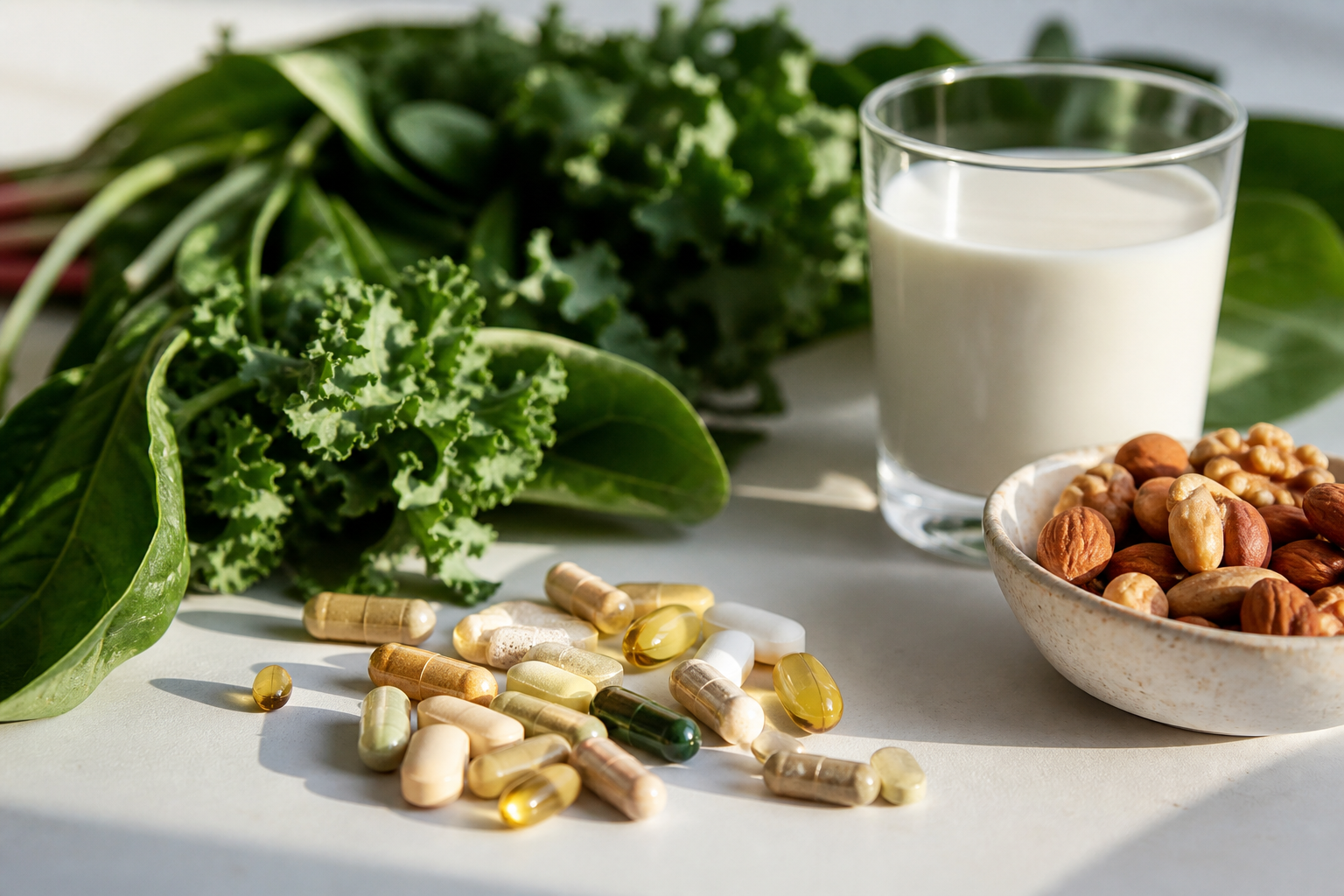
- Vitamin K – Here’s where it gets interesting. Vitamin K (especially K2) helps regulate calcium in your cartilage, keeping it flexible. Low K levels have been linked to more cartilage damage (Journal of Orthopaedic Research, 2015). Think leafy greens (kale, spinach) and fermented foods.
- Calcium – While it doesn’t directly rebuild cartilage, calcium is essential for strong bones and preventing joint-related fractures, especially in post-menopausal women. Adults need around 1,000-1,200mg per day—ideally from food, but supplements can fill gaps.
- Magnesium – This mineral isn’t just for muscle cramps. Magnesium helps regulate muscle and nerve function and keeps inflammation down. Studies (like the 2018 analysis in BMJ Open) show that people with higher magnesium intake have lower rates of joint pain. Most women need about 320mg/day, men 420mg/day.
- Zinc – Zinc is involved in cartilage formation and repair. Chronic deficiency (especially in older adults) slows tissue healing and increases inflammation. Shellfish, nuts, and seeds are great sources. Supplements may contain 8-11mg (the RDA for adults).
- Copper – Needed in tiny amounts, but crucial. Copper helps your body form collagen and elastin, the “scaffolding” for cartilage. Too little, and your joints can get stiff and brittle. Most folks get enough from a varied diet, but anyone with absorption issues may need a boost.
Notice what’s missing? I didn’t include trendy additions like colloidal silver or super-high-dose B12—not because they’re bad, but because the data (and my clinic experience) just don’t back them up for most people.
The Role of Antioxidants (and a Quick Reality Check)
People love to talk about ‘antioxidants’ and ‘superfoods’ for joint health. There’s some truth—oxidative stress does break down cartilage. Vitamins C and E, selenium, and flavonoids (from colorful fruits/veggies) all help. But here’s my hot take: Throwing a dozen antioxidant pills at your joint pain won’t compensate for a lousy diet or a sedentary lifestyle. The best results come from a blend of food and focused, evidence-backed supplementation.
What Science Actually Shows About Vitamin and Mineral Supplements
Now for the million-dollar question: Do supplements work, or is it just expensive pee? I’ll be honest—this is where most articles gloss over the real deal.
A lot depends on your baseline. If you’re already eating a rainbow diet and getting outside, a multivitamin might do next to nothing. But if you’re over 50, have dietary restrictions, or spend most days inside (hello, pandemic), targeted supplements can make a huge difference. For instance, a 2021 meta-analysis in Osteoarthritis and Cartilage found that correcting deficiencies—especially in vitamin D and magnesium—resulted in less joint pain and improved function over placebo.
What about glucosamine and chondroitin? Now we’re in controversial territory. The evidence is mixed. Some studies, like the 2016 MOVES trial (Annals of the Rheumatic Diseases), showed that a combination of glucosamine sulfate and chondroitin can modestly reduce pain and improve function in knee OA—sometimes on par with NSAIDs, but without the side effects. Others found little to no benefit. In my practice, about half of my patients notice a difference after 2-3 months; the other half… not so much. If you do try it, pick a comprehensive formula (I like glucosamine sulfate 1500mg, chondroitin 1200mg, plus extras like turmeric and MSM).
Speaking of which—if you want a supplement that covers all the bases and has real-world fans, Vimerson Health Glucosamine Chondroitin Turmeric MSM & Boswellia is one I’ve seen many patients (and my own mother-in-law) stick with long-term. It combines several essentials, including anti-inflammatory botanicals, at a fair price—and it’s got over 43,000 positive reviews for a reason. Just don’t expect overnight miracles; it can take a good 4-8 weeks to really notice changes.
Real Food vs. Supplements: How Much Should You Rely on Each?
Look, I’d love to tell you that spinach salads and wild-caught salmon will solve every joint problem. The reality is most people don’t get enough of some nutrients from food alone—especially vitamin D (thanks, indoor lifestyles), magnesium, and sometimes vitamin K2 (unless you’re eating natto, which, let’s be honest, most Americans aren’t).
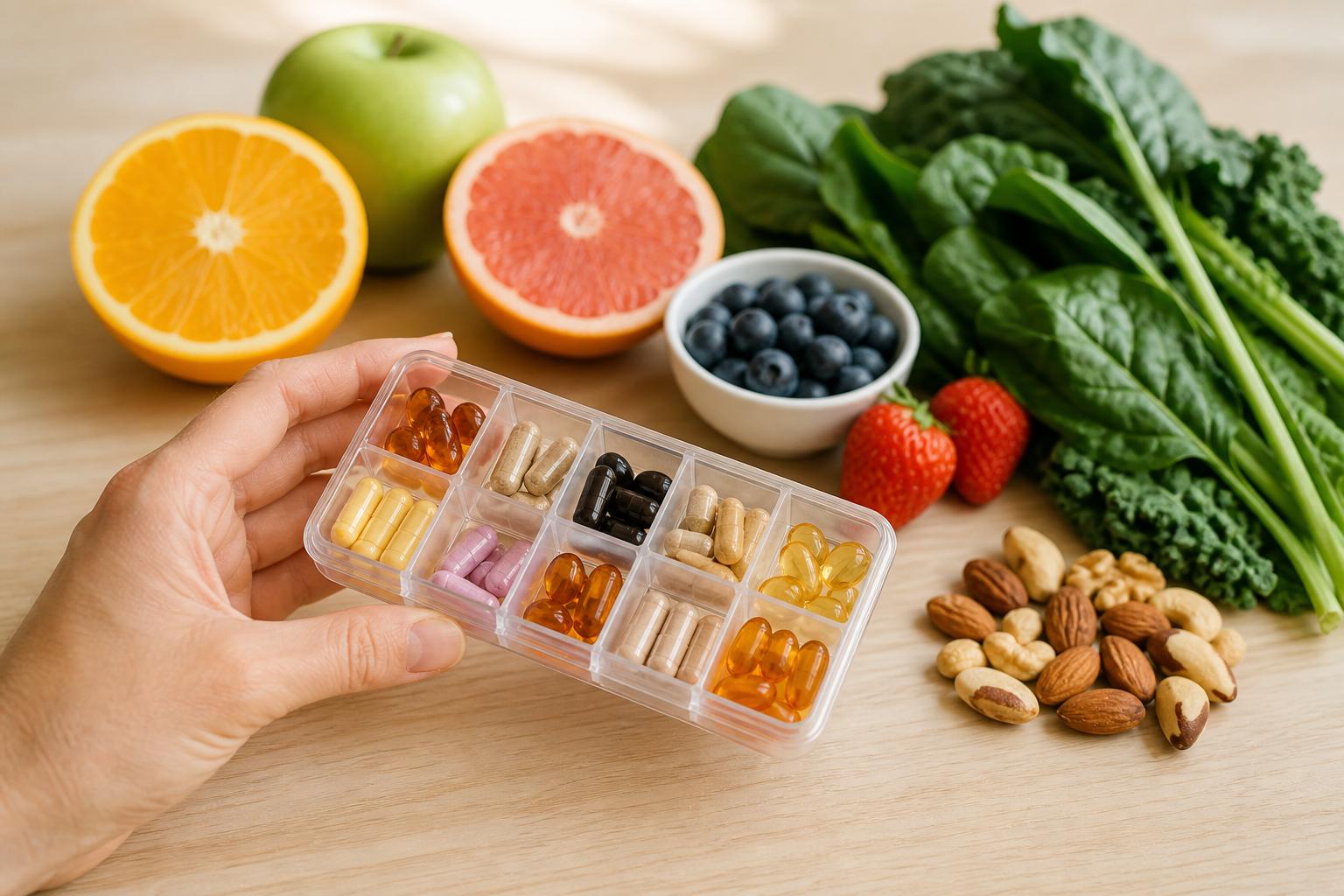
My advice? Get what you can from food (fruits, leafy greens, dairy or fortified alternatives, nuts, seeds, beans, and oily fish), but be realistic. Blood tests can confirm deficiencies—talk to your doctor before starting new supplements, especially if you’re on other meds or have health conditions that affect absorption (like celiac, Crohn’s, or after gastric bypass).
Other Nutrients Getting Buzz for Joint Health
Let’s talk about a few others I get asked about weekly (sometimes daily):
- Omega-3 Fatty Acids – Not a vitamin/mineral, but worth mentioning. Fish oil or algae oil is anti-inflammatory and can reduce joint pain—especially in rheumatoid arthritis. I tell patients to aim for 1,000mg EPA/DHA if their doctor okays it. (Watch for blood-thinner interactions!)
- MSM (Methylsulfonylmethane) – This sulfur compound may help mild to moderate knee pain. The science isn’t as strong as with vitamin D or C, but it’s generally safe in typical doses (1,500-3,000mg/day).
- Turmeric/Curcumin – Not a vitamin or mineral, but a potent anti-inflammatory. Adding it to your supplement stack is a good move—curcumin extracts (500-1,000mg/day) have shown real benefits for mild arthritis.
Several ‘all-in-one’ supplements now combine these with essential vitamins and minerals for a more rounded approach. Again, just one or two pills won’t fix everything, but it can lighten your daily routine—and possibly your pain.
What About Topical Relief and Physical Support?
Supplements are just one part of the puzzle. Sometimes you need fast relief—especially if inflammation flares. I’ve had great feedback from patients using the Pure Enrichment PureRelief XL Heating Pad for deep, penetrating heat on sore joints. The extra-large size is a game-changer for stiff backs and knees, and the moist heat option helps soothe aches that pills can’t touch. It’s not a vitamin, but in the real world, blending therapies gets results.
And for anyone struggling with knee discomfort during activity, a high-quality brace like the Modvel Compression Knee Brace can offer much-needed support for daily walks, gardening, or gym sessions. I’ve personally tested dozens of these, and this one gets top marks for comfort and staying put (no annoying rolling or pinching). Just remember, movement is medicine—don’t let a brace trick you into staying on the couch.

How to Put It All Together: A Practical Approach
If you want my ‘cheat sheet’ for building joint-friendly habits, here’s what I tell patients (and, frankly, my own family):
- Focus on a colorful, whole-food diet—think berries, spinach, salmon, nuts, and seeds. Real food first.
- Watch for common gaps: vitamin D (especially if you’re over 50 or live far from the equator), magnesium, and maybe vitamin K2. Bloodwork is your friend.
- If you’re considering supplements, use quality brands and proven combos. I like products that blend the big hitters—glucosamine, chondroitin, MSM, and anti-inflammatories like turmeric and boswellia—rather than a hodgepodge of mystery ingredients.
- Stay active. No supplement or pill replaces strong muscles and mobile joints. Even gentle stretching, swimming, or walking pays off.
- Mix in pain relief strategies as needed—a heating pad, ice, compression, or topical cream. (But don’t overdress the problem. If you’re masking severe pain, see a pro.)
And here’s my unpopular opinion: It’s okay to try supplements for 2-3 months and then reassess. Joint health isn’t a straight line—your needs can change with age, seasons, and activity level. Check in with your body and adjust as needed.
The Takeaway: Small Changes, Real Results
I can’t promise miracles—anyone who does is selling snake oil. But I’ve seen the difference that smart nutrition and targeted supplements make, both for “everyday achers” and folks with full-blown osteoarthritis. Try one change at a time. Track how you feel. And if something’s not working, don’t be afraid to tweak your plan or loop in your doctor or PT for guidance.
One last thing: If you’re on prescription meds or have underlying health issues, talk to your doctor before adding supplements. The right combo can help, but safety first.
Wishing you stronger, happier joints. If you have questions, please reach out—I love reading your emails, and chances are, you’re not alone.
Dr. Sarah Mitchell, DPT
Senior Health Editor, JointReliefReviews