
Vitamins and Minerals Essential for Joint Health: What Actually Works (And What Doesn’t)
“Doc, is there a vitamin I can take for my knees?” I can’t count how often I’ve heard that question in the clinic—whether it’s my 72-year-old neighbor or the marathon runner who thought she was invincible until her hip started aching. The real answer? It’s complicated, but also surprisingly hopeful if you know where to look.

Here’s the Thing: Joint Pain Is More Than Just Aging
If you’ve ever felt that dull throb getting out of bed or the sharp twinge after a workout, you’re not imagining it. Joint pain hits nearly one in four adults according to CDC data. And while it’s true that age and overuse play a role, the missing piece most people forget? The nutritional foundation your joints desperately need.
Let me pull back the curtain for a second. In my 12+ years as a physical therapist, I’ve seen all kinds of miracle claims come and go—“just eat this superfood!” or “take this pill and your cartilage will regrow!” If only. What the research actually says is much more nuanced, but also empowering if you’re willing to make a few changes (and I mean more than just popping a generic multivitamin and crossing your fingers).
Why Nutrition Matters More Than You Think
Your joints are living, dynamic tissues: cartilage, synovial fluid, supporting muscles, and the bone itself. All of them rely on a constant supply of vitamins and minerals to stay cushioned and pain-free. When one cog in the nutrient wheel breaks down—whether it’s Vitamin D, magnesium, or even lesser-known trace minerals—things can get noisy fast. Swelling, stiffness, and pain are your body’s way of waving a giant red flag.
I’ll admit, I used to be in the ‘food first’ camp…until I started seeing the lab work. Even folks who thought their diets were spotless were showing up with low vitamin D or suboptimal magnesium—two absolute pillars for healthy joints. And when those nutrients are low, physical therapy alone is like patching a leaky roof in the rain.
The Vitamins and Minerals That Really Move the Needle
Let’s cut through the clutter. Here are the nutrients I keep coming back to—backed by clinical studies, patient experiences, and yes, my own family’s sometimes-stubborn knees.
- Vitamin D — The "Sunshine Vitamin" (but most people are still low!)
- Don’t let the nickname fool you: Vitamin D isn’t just for bones, it’s deeply involved in immune modulation and helping your body control inflammation inside the joint (see the Journal of Rheumatology, 2020).
- Low D = more pain. One big 2017 study found that people with knee osteoarthritis who were vitamin D deficient reported significantly more pain and stiffness than those with healthy levels.
- I usually suggest checking your labs before you start megadosing. But as a ballpark, 1,000–2,000 IU daily is safe for most adults. (Don’t just guess—too much isn’t always better!)
- Vitamin C — Not Just for Colds
- Here’s something most folks miss: vitamin C isn’t just about immunity. It’s essential for collagen synthesis—which is, in plain English, the scaffolding that keeps cartilage from falling apart.
- Clinical trials (like one in the Annals of the Rheumatic Diseases, 2019) show that higher vitamin C intakes correlate with a lower risk of developing inflammatory arthritis, and those who already have arthritis often see less severe symptoms.
- I’m a fan of food sources (bell peppers, strawberries, citrus), but supplements in the 500–1000mg/day range are generally considered safe for boosting intake.
- Magnesium — The Silent Workhorse
- Magnesium helps with muscle relaxation, but it also keeps inflammation in check and aids the enzymes that repair cartilage. Yet, up to 50% of adults fall short (per the American Journal of Clinical Nutrition).
- It’s one of those minerals you probably won’t notice until it’s gone. Symptoms? Cramps, muscle aches, and more joint discomfort than you’d expect.
- Supplements often come in 250–400mg doses. Look for magnesium glycinate or citrate—they’re much gentler on the gut.
- Calcium — More Than Just Bone Strength
- I know, you’ve heard about calcium for osteoporosis. But healthy bones are literally the foundation for strong, stable joints.
- If dietary calcium is lacking, your body will steal it from the bones, leaving joints less supported and more prone to wear and tear.
- Adults need 1,000–1,200mg daily, and the best forms are usually from food (dairy, leafy greens). Supplements should be taken with food for best absorption.
- Zinc — Tiny Nutrient, Big Role
- Zinc is a bit of a multitasker. It helps with tissue repair and supports immune health, both of which matter if your joints are chronically inflamed.
- Some fascinating research (see Arthritis & Rheumatology, 2022) suggests that low zinc status might actually increase the risk of developing rheumatoid arthritis. Not a coincidence, in my view.
- Too much isn’t good—stick to 8–11mg daily. Shellfish, beef, seeds, and nuts are great sources.
- Omega-3 Fatty Acids (OK, Not a Vitamin, But Hear Me Out)
- Yes, these are technically fats, but the evidence for their joint-protective, anti-inflammatory effects is so strong I’d be remiss not to mention them.
- Multiple meta-analyses (BMJ, 2018) show that people who supplement with omega-3s (think: fish oil) see moderate reductions in swelling and morning stiffness—especially in conditions like rheumatoid arthritis.
- Dose matters: the sweet spot is usually 1,000–2,000mg EPA/DHA daily for joint relief. Quality varies widely, so check for third-party testing if you choose a supplement.
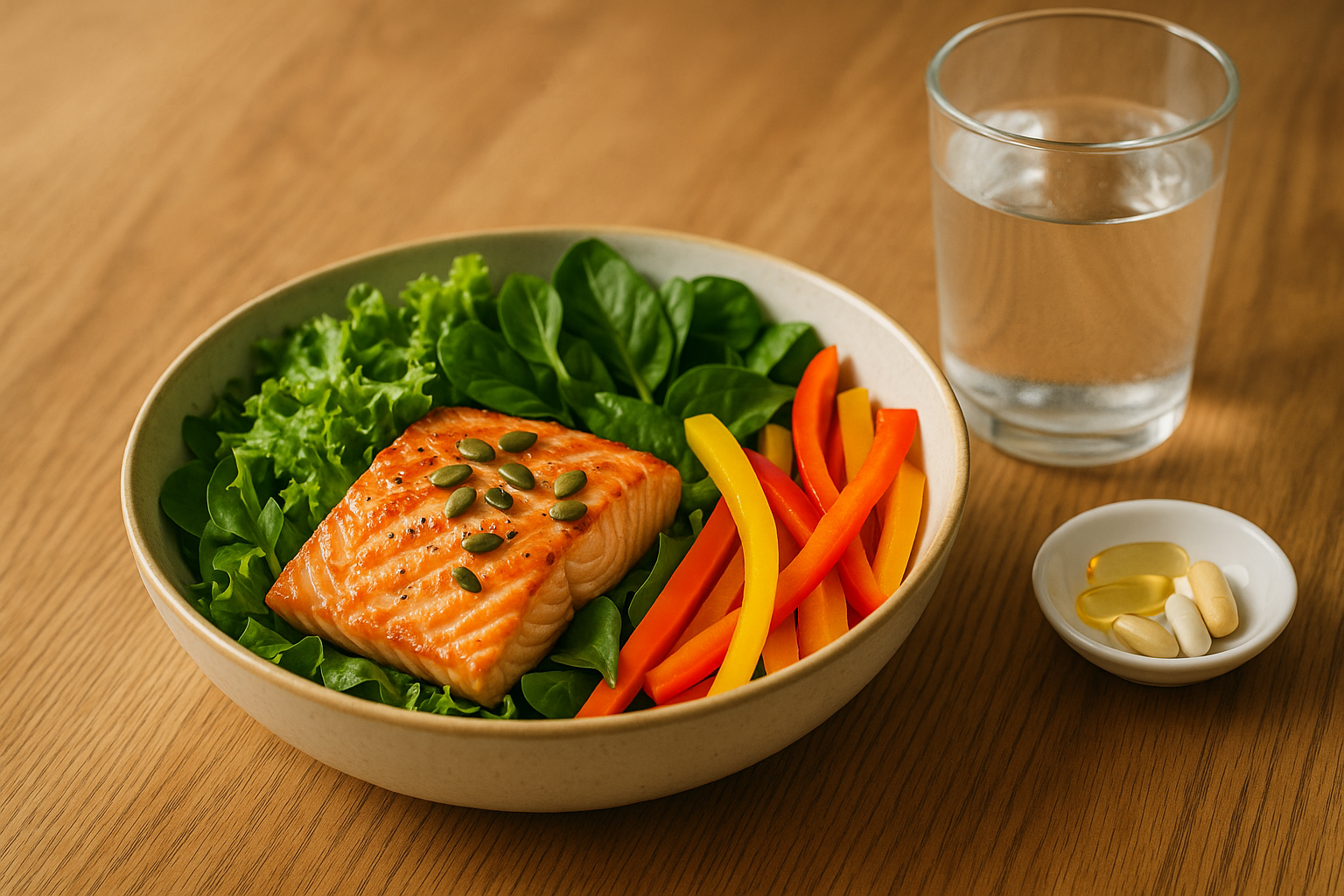
Beyond the Basics: The “Hidden” Helpers for Joints
Here’s where it gets interesting. If you’re nodding along, you’ve probably already tried the usual suspects: glucosamine, chondroitin, MSM. But what about the less-hyped micronutrients?
- B Vitamins (especially B6, B12, Folate)
- These are crucial for nerve health, which absolutely affects how pain signals are processed. Low B12, for instance, can make joint pain feel more intense.
- Deficiencies tend to crop up in older adults, vegetarians, and anyone with digestive issues.
- Copper & Manganese
- Copper helps with collagen cross-linking. Translation: it makes your cartilage tougher. Manganese supports connective tissue synthesis, and both are found in whole grains, nuts, seeds, and legumes.
- Selenium
- This trace mineral is an antioxidant powerhouse—meaning it helps mop up the free radicals that accelerate joint wear and tear. Low selenium has been linked (in the EU’s epic EPIC study, 2020) to greater risk of inflammatory joint disease.
- Always talk to your doctor before adding selenium supplements. The safe range is narrow (55mcg/day for adults).
How Do These Nutrients Actually Work? (And What’s Hype?)
I’ll be honest—some of the claims out there border on science fiction. No, you can’t “grow new cartilage” overnight. But here’s what robust clinical trials and decades of patient follow-up do show:
- Vitamins and minerals can slow the progression of joint degeneration by supporting cartilage repair and keeping bone strong.
- They reduce inflammation, which translates to less swelling, redness, and pain day-to-day.
- They don’t cure arthritis, but people with healthy nutrient status generally report improved mobility, faster recovery from exercise, and better results from physical therapy.
- The best results come from a combination of food and targeted supplements—not just mega-doses of one vitamin.
And if you’re still wondering if it’s all placebo? Some of the “old guard” in medicine still roll their eyes, but the tide is turning. There’s now enough clinical evidence (see Arthritis Care & Research, 2021) to recommend nutritional interventions as a core part of joint care—especially when combined with exercise and lifestyle tweaks.
Practical Tips: How to Fill the Gaps (Without Overdoing It)
Look, I get it. Shopping for supplements can feel like running an obstacle course—aisles packed with flashy labels, “doctor recommended” promises, and prices that make your wallet ache. Here’s my advice as both a clinician and a daughter who once spent a small fortune trying to help her mother-in-law’s knees:
- Start with food first, but don’t be afraid to supplement—especially if lab work, age, or diet suggest you’re running low. Even healthy eaters sometimes need a boost.
- Combo formulas can make life easier if you struggle to remember multiple pills (my pick? Vimerson Health’s Glucosamine Chondroitin Turmeric MSM & Boswellia is a solid all-in-one with over 43,000 positive reviews. It covers the basics—glucosamine/chondroitin for cartilage, MSM for inflammation, turmeric and boswellia for added joint comfort.)
- If your concern is mostly knees, a supportive brace like the Modvel Compression Knee Brace can be a game-changer, helping you stay active while you work on your nutrition from the inside out.
- Keep a symptom journal when you add anything new. Joints can be slow to respond, but tracking stiffness, pain, and range of motion weekly can help you spot real progress.
One more tip: If you live in a northern climate (like I do), get outside for actual sun a few times a week—and check your vitamin D when you can. It still makes a dramatic difference.

What About Multivitamins?
Here’s my honest take: Multivitamins are fine for basic insurance, but they rarely provide enough of the specific nutrients your joints crave—especially D, magnesium, and omega-3s. If you’re looking for targeted support, consider a high-quality joint formula like the Vimerson Health blend I mentioned above, or a trusted glucosamine-chondroitin combo such as Nature Made’s Glucosamine Chondroitin Complex with MSM (USP verified, and affordable for long-term use).
Science, Skepticism, and Real-World Results
I know this is unpopular in some circles, but supplements aren’t a miracle—but they aren’t snake oil, either. The reality is somewhere in the middle. In my own practice, I’ve seen dozens of patients get their lives back after correcting a hidden deficiency or adding the right formula. But I’ve also seen folks waste years (and money) chasing “the next thing” instead of checking their diet, getting basic labs, or actually moving their bodies.
Talk to your doctor before starting any new supplement, especially if you’re on medications, have kidney issues, or are managing multiple health conditions. Sometimes a simple blood test can save you months of guesswork.
Takeaways: What I Tell My Own Family
- Check your basics: vitamin D, magnesium, calcium, omega-3s—these matter more than the hype nutrients.
- Go for food first, but don’t feel guilty if you need a boost from a supplement. Most adults do at some point.
- Consistency beats megadoses. You’re building a foundation, not looking for a quick fix.
- Watch for improvement over weeks (not days), and judge success by how you feel and move, not just a pain scale.
If you made it this far, you’re already in the top 10% of people willing to take charge of their joint health. That’s half the battle. The other half? A little patience, the right nutrients, and maybe a few tools (like braces, heating pads, or targeted supplements) to keep you moving forward.
Final Thought
Joint pain is complicated, but your nutrition doesn’t have to be. Whether you’re rehabbing an old injury, navigating arthritis, or just want to keep up with the grandkids, the right vitamins and minerals truly can help. And if you ever have questions—send them my way. I love hearing your stories and swapping advice.
— Dr. Sarah Mitchell, DPT
Senior Health Editor, JointReliefReviews.com