
Turmeric Curcumin for Joint Inflammation: What Really Works? (RN’s Take)
Last winter, I watched my neighbor hobble across our icy driveway, knees aching, clutching a bottle of turmeric capsules. "Linda," she called, "does this stuff actually do anything?" If you’ve ever stared at a bright yellow supplement bottle and wondered the same, you’re in good company. I’ve spent two decades as an orthopedic nurse — and I’ve seen the turmeric curcumin craze grow from fringe “health food store” talk to mainstream pharmacies stocking entire shelves dedicated to joint relief.
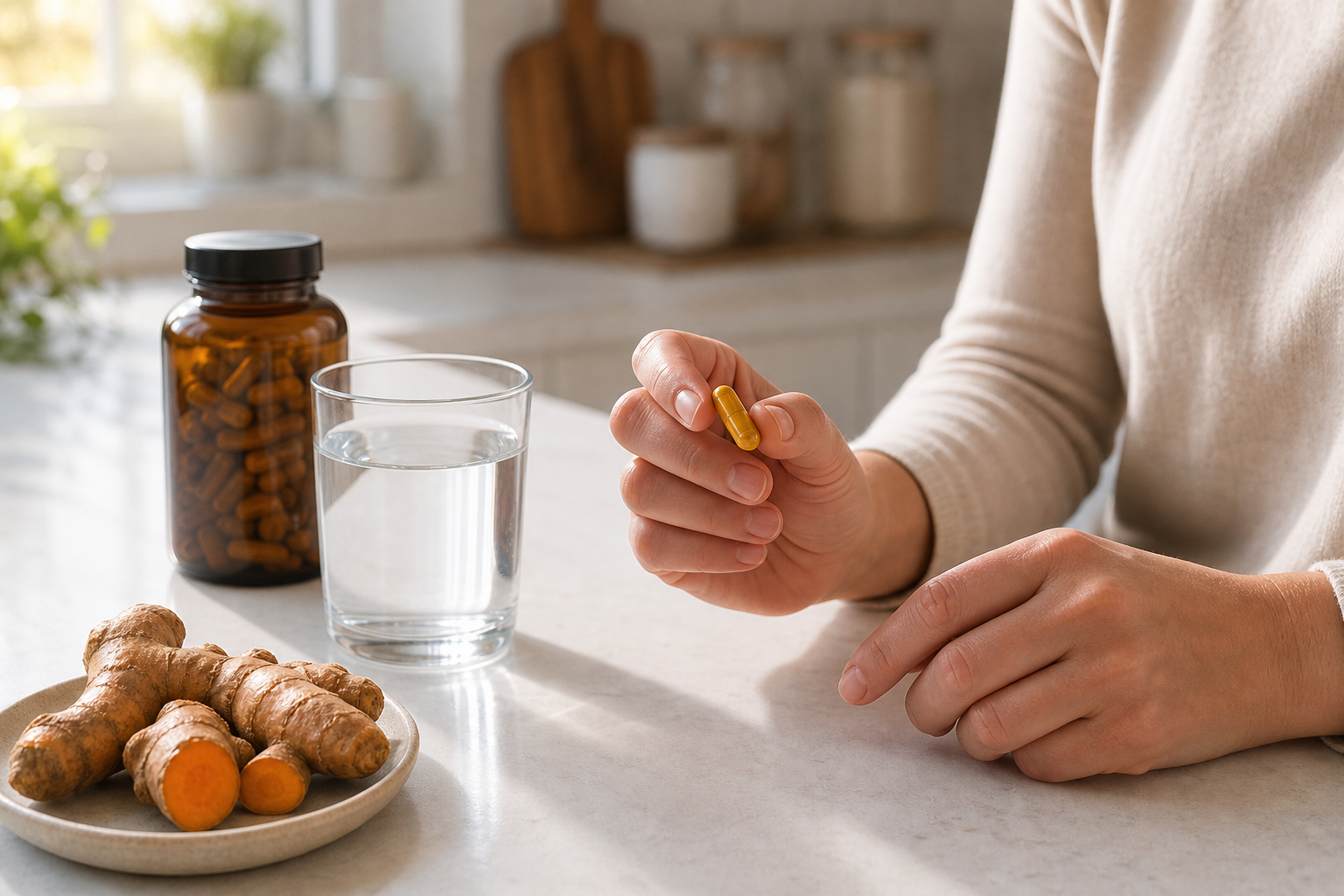
Here’s the thing: joint inflammation isn’t just 'part of getting older' — it’s a daily, bone-deep annoyance that can steal your sleep, your hobbies, even your independence. I hear from readers with knees that crunch like gravel, wrists stiff as a rusty hinge, fingers they can barely curl to button a shirt. If you’re nodding along, you’re not alone.
Why Is Joint Inflammation So Stubborn?
Let’s talk basics for a moment. Joint inflammation comes down to your immune system overreacting — sometimes from injury, sometimes from years of cartilage wear, and sometimes (for folks with rheumatoid arthritis or lupus) from immune misfires. The result: swollen, hot, angry joints. Pain that flares after a walk, or aches deep into the night. And while painkillers can blunt it, many people want to address the root, not just the symptoms.
That’s where turmeric curcumin entered the chat. But does it actually work, or is it all just golden-hued hope? I get this question at least twice a week — and not just from readers. My own mother-in-law started stirring turmeric into her morning tea after her hands got stiff in her sixties. She swore by it. Me? I wanted to see data.
What Exactly Is Turmeric Curcumin?
Here’s a quick primer — nothing fancy, just what you really need to know. Turmeric is a spice (the same one in curry) and curcumin is its active compound, responsible for that bold yellow color and, allegedly, its inflammation-fighting powers. The science-y part: curcumin is what researchers believe actually interacts with inflammatory pathways in your body.
But — and this is key — eating a spoonful of turmeric powder isn’t going to give you meaningful curcumin. Most supplements extract and concentrate curcumin, and sometimes add black pepper extract (piperine) to help your body absorb it. I’ll be honest: supplements are one of the only practical ways I’ve seen people get enough curcumin for measurable effects. (Nobody wants to eat a cup of turmeric a day!)
What Does the Research Actually Say?
This is where things get interesting. The Journal of Medicinal Food published a 2016 meta-analysis of eight randomized controlled trials involving nearly 700 arthritis sufferers. The headline: turmeric extract (typically 500–1000 mg curcumin per day) significantly reduced joint pain and stiffness compared to placebo. The results were about on par with ibuprofen — but with fewer reported GI upsets.
The Annals of Internal Medicine (2020) looked at knee osteoarthritis specifically. Their review found that curcumin supplementation led to meaningful improvements in pain scores over 8-12 weeks. Another study from Arthritis & Rheumatology in 2019 saw a 50% reduction in pain scores with 1000mg curcumin daily — beats the 30-40% improvement most doctors expect from NSAIDs alone. Still, not every study is glowing. Results are a bit mixed, especially for severe, late-stage arthritis, or for non-osteo types. (I know this is unpopular, but — turmeric’s not a miracle, folks.)
One big caveat: most studies use concentrated, high-bioavailability curcumin, not straight turmeric powder. Also, most trials were relatively short — 8 to 16 weeks. So, while results are promising, the jury’s still out on mega-long-term impact.
How Does Turmeric Curcumin Work?
Let’s keep the biochemistry simple: curcumin blocks certain inflammatory molecules (like NF-kB, COX-2, and cytokines) that are known troublemakers in joint diseases. It also acts as an antioxidant — mopping up free radicals that damage cartilage.
What’s wild is how broad the effects are. Some animal studies show curcumin can actually slow cartilage breakdown, not just mask pain (BMJ Open, 2017). In humans, benefits seem to be greatest for people with mild to moderate arthritis, especially in the knees, hips, or hands. If your doctor’s ever told you about 'degenerative changes' or 'early osteoarthritis,' you’re the group who most often reports real progress with curcumin.

Real People, Real Results — But It’s Not Magic
I’ve seen patients who called curcumin a "game-changer." A reader from Minneapolis told me she could finally return to gardening after two months on a joint support supplement featuring turmeric. But I’ve also seen others… well, not so much. Genetics, severity of inflammation, and even what else you eat all play a role. (Side note: take your supplement with fat — curcumin’s better absorbed that way.)
One thing I always tell folks: talk to your doctor before starting any new supplement, especially if you’re on blood thinners. Curcumin can interact with certain meds, and you need an expert’s eye on your full medication list — none of us want surprises in the ER.
Choosing a Turmeric Curcumin Supplement: What Actually Matters?
Now, here’s where most articles get cagey or throw up a dozen affiliate links. I’m picky. I look for these things:
- Standardized Curcumin Content: The label should say how many milligrams of curcumin, not just "turmeric root." Aim for 500–1000mg daily for joint support.
- Black Pepper Extract (Piperine): This skyrockets absorption — by as much as 2000% in some studies. If it’s not listed, you may be wasting your money.
- Third-Party Testing: Purity matters. Look for GMP certification, USP verification, or clear evidence of clean sourcing.
- Comprehensive Joint Formulas: I tend to recommend blends that include glucosamine, chondroitin, or boswellia alongside turmeric — some research suggests synergy for pain and flexibility (see Journal of Rheumatology, 2018).
One supplement that scores high marks in both my RN experience and from thousands of reviewers? Glucosamine Chondroitin Turmeric MSM & Boswellia (Vimerson Health). With over 43,000 positive reviews, it combines 1000mg turmeric root, glucosamine, MSM, chondroitin, and boswellia — everything you want in a one-a-day dose. I tried this myself for a stubborn post-injury knee and noticed less morning stiffness after about two weeks. Not magic, but real enough I kept taking it.
But — and this is important — no supplement, turmeric or otherwise, can undo years of cartilage loss overnight. Anyone who claims otherwise is selling you more than a vitamin.
Daily Habits That Turbocharge Turmeric’s Effects
Supplements work best when you pair them with habits that reduce inflammation overall. Here’s my "RN short list":
- Stay moving: Gentle activity (walking, swimming, yoga) lubricates joints and circulates those anti-inflammatory molecules. Even five minutes every hour helps.
- Anti-inflammatory eating: More omega-3s (think salmon, walnuts), leafy greens, and less processed sugar. Turmeric can’t cancel out a diet of pastries.
- Compression and heat: On rough days, a knee sleeve or a heating pad can soothe pain long enough for you to stay mobile. I’m partial to the Modvel Compression Knee Brace for affordable, everyday support — especially for folks with tender or swollen knees. And when pain flares, the Pure Enrichment PureRelief XL Heating Pad has been a life-saver for my own patients (and my father-in-law, not gonna lie — he drapes it over both knees every morning).
Mixing all three — movement, smart food, and a targeted supplement — is where I see the biggest wins in my patients and readers.
Comparing Turmeric Curcumin to Other Joint Support Options
So why not just stick with ibuprofen or acetaminophen? Well, painkillers can help for a bit, but they don’t actually reduce inflammation at the root, and long-term use comes with real side effects (stomach bleeds, liver strain, anyone?).
Glucosamine and chondroitin have a mixed evidence base — some people swear by them, others notice next to nothing (my professional hunch: it often depends on dosage and what stage of damage you’re in). Boswellia, an Indian herb, is another rising star — and blends that combine turmeric with boswellia seem especially promising, according to Rheumatology International, 2022.
CBD, fish oil, and even certain probiotics are getting buzz, but the research is much less settled. That’s why, for those starting out, a turmeric-based supplement with proven ingredient synergy usually gets my vote. Just go in with eyes open and realistic expectations.
What Nobody Tells You About Turmeric Curcumin
This part might ruffle some feathers: Turmeric isn’t risk-free. Take too much (think over 2000mg/day of concentrated curcumin) and you may get digestive trouble, headaches, or, in rare cases, interact with blood-clotting or diabetes meds. I’ve seen more than a few patients “self-medicate” and end up regretting a DIY approach. Also, supplements are less strictly regulated than prescription drugs — another reason to go for those with lots of reviews and clear transparency around sourcing.
And — if you’re pregnant, nursing, or have gallbladder issues, check with your primary care provider first. Same goes if you’re slated for surgery, since curcumin may thin the blood.
So, Is Turmeric Curcumin Worth Trying for Joint Inflammation?
Honestly? If you’re dealing with mild to moderate pain, you eat reasonably well, and you’re open to a supplement, it’s absolutely worth a shot. Especially if the alternatives are daily ibuprofen or sitting out the things you love (gardening, pickleball, playing on the floor with grandkids). I’ve seen enough positive stories — and enough solid research — to say that turmeric curcumin deserves a place in the joint support conversation. Just dial your expectations: it’s about steady, moderate improvements, not overnight miracles.
For anyone ready to try, start with a high-quality supplement that combines turmeric with synergistic ingredients. The Glucosamine Chondroitin Turmeric MSM & Boswellia from Vimerson Health is the one I actually recommend to my closest family and friends. Pair it with sensible daily movement (even light stretching counts) and your favorite joint-friendly meal, and see how you feel after four to six weeks.
Takeaways: My Honest Joint-Relief Prescription
- Turmeric curcumin is no snake oil — but it’s not magic, either. For many, it offers real, research-backed relief (especially in early to mid-stage arthritis).
- Quality and absorption matter. Choose supplements with at least 500mg standardized curcumin and black pepper extract for best effect.
- Results are gradual. Expect steady improvement over 4–12 weeks, not instant fixes.
- Pair with other healthy habits — movement, joint-friendly food, and heat or compression as needed.
- Always check with your doctor first, especially with meds or pre-existing conditions. It’s not worth messing around with blood thinners or major health events.
If you’re reading this over a cup of tea, knees stiff, a little skeptical — I get it. I’ve seen too many "miracle cures" come and go. But turmeric curcumin, when sourced and used wisely, really does help a significant slice of folks get back to living, not just existing. That’s why I keep a bottle in my own pantry.
Got questions? Drop me an email. I read every one. Here’s to happier, healthier joints — and maybe a little less morning creak.
Linda Hargrove, RN
Orthopedic Nurse, Joint Pain Advocate, Reluctant Supplement Skeptic (turned believer... at least when the data is good)