
CBD Oil for Joint Pain and Inflammation: What Actually Works?
I’ll never forget the first time a patient asked me about CBD oil. It was a few years ago, and back then, I’ll be honest—I was skeptical. But as a physical therapist who’s spent over a decade treating folks with aching knees, stiff fingers, and unrelenting morning pain, I can’t afford to brush off new ideas lightly. Especially not when joint pain threatens someone’s work, favorite hobbies, or the simple joy of a brisk morning walk.
Why Are So Many People Turning to CBD?
Look, if you're nodding along, you're not alone. According to 2022 data out of the Journal of Cannabis Research, nearly 65% of American adults who use CBD do so for joint or muscle pain. That’s a massive wave. My inbox is full of questions about it. “Does it work?” “Is it safe?” “How’s it different from THC?” My own mother-in-law cornered me about it at Thanksgiving—right after dessert, if you can picture that scene.
But there’s real frustration here. Traditional pain meds (think ibuprofen or prescription anti-inflammatories) aren’t always gentle on the stomach or kidneys. Topical creams help, but only so much. And surgery? Nobody wants to go under the knife unless it’s the absolute last resort. So—people are looking for something gentler, something that doesn’t require a prescription or come with a laundry list of warnings.
What is CBD Oil, Really?
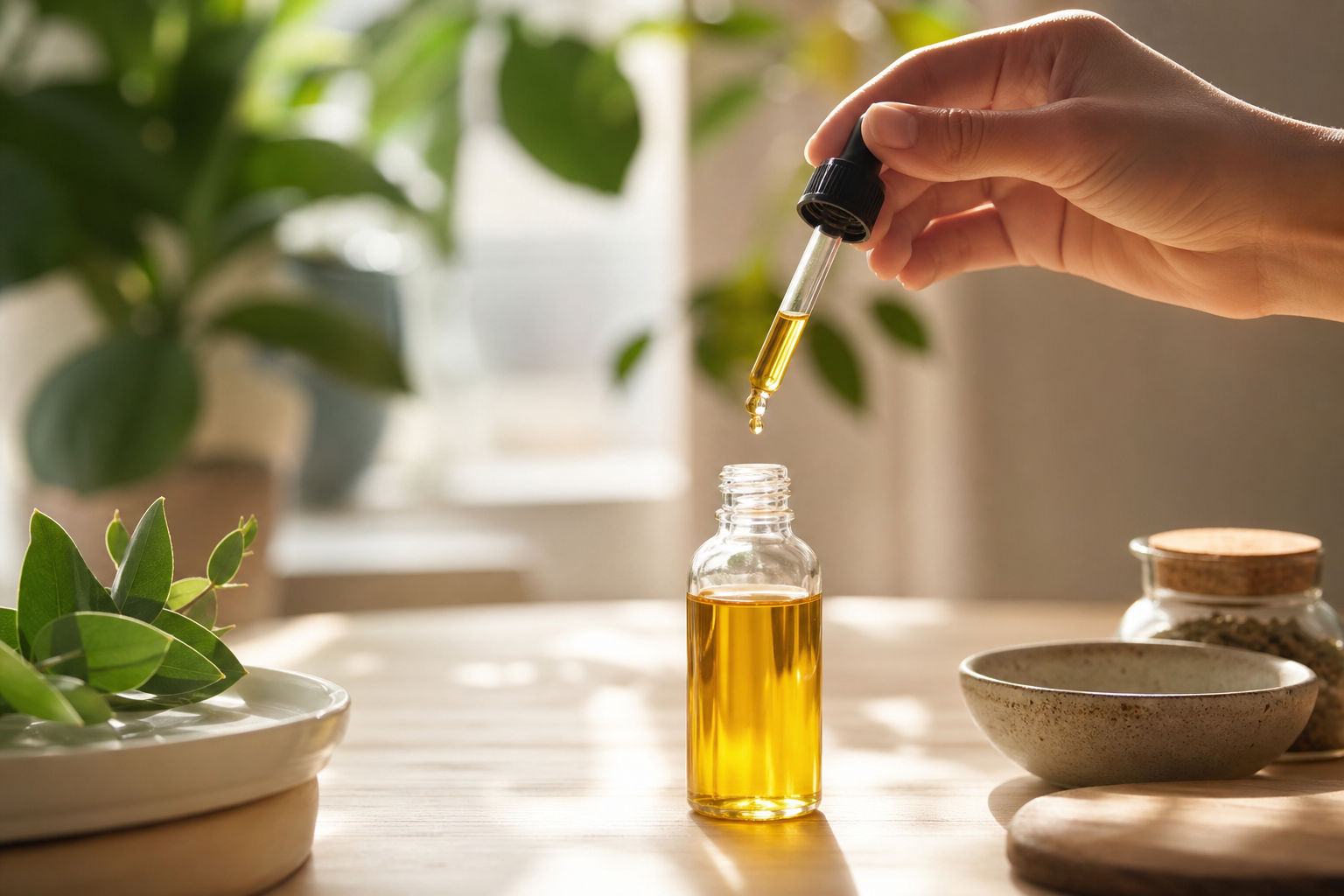
Here’s the thing: CBD (short for cannabidiol) is a non-psychoactive compound found in the cannabis plant. That means it won’t get you high. The form you’ll see most often is an oil or tincture—think of a little bottle with a dropper. Some brands also make creams, capsules, and gummies. But oil is the classic.
Now, CBD works by interacting with your body’s endocannabinoid system—yes, we all have one, and it’s involved in pain, inflammation, and even mood regulation. The science is still evolving, but there are receptors (called CB1 and CB2) throughout your brain and immune system. Early research suggests that CBD can influence these pathways to dampen pain signals and reduce inflammation at the source. It’s not magic, but it’s certainly interesting.
What Does the Research Actually Say?
Let’s get into the weeds (pun intended). Here’s where it gets complicated. Most articles either hype CBD like a miracle, or dismiss it as a fad. The reality? Somewhere in between.
- A double-blind randomized trial published in Pain in 2020 found that CBD significantly reduced pain scores in adults with chronic knee osteoarthritis, with a 30% improvement over placebo after 12 weeks. That’s not nothing.
- But another review in Arthritis Care & Research (2021) pointed out that many studies are small, short, and use variable dosages. Translation: we need more (and bigger) research.
- Animal studies are actually even more compelling. Research out of the University of Kentucky (2016) showed reduced joint swelling and pain in rats with arthritis after topical CBD gel. But—rats aren’t people. I know, obvious, but it matters.
I’ve reviewed dozens of these studies for JointReliefReviews. Bottom line: There’s real promise, especially as an adjunct for people who aren’t getting enough relief from traditional treatments. But it’s not a slam dunk just yet, and it’s not a one-size-fits-all solution.

How Do People Actually Use CBD Oil for Joint Pain?
This is where it gets practical. Most folks are using CBD oil sublingually (under the tongue) or as a topical cream. The dosing? All over the map. I’ve seen recommendations from as low as 10mg per day to upwards of 100mg, depending on pain levels and the product.
Here’s my advice: Start low and go slow. (Trust me, I’ve seen too many people try to “catch up” by taking a boatload right away—not a good plan.) For beginners, a typical dose might be 15-25mg per day, titrating upward if needed. Some find relief within days; others need a few weeks of consistent use.
Important: Always talk to your doctor before adding CBD—especially if you’re already on other medications, or if you have liver issues. CBD can interact with certain drugs (blood thinners, for example), and while side effects are usually mild (dry mouth, dizziness), they’re not zero.
Real People, Real Experiences: What I See Clinically
I’ll share something personal here: My neighbor, Tom, swore by CBD oil for his post-surgical shoulder pain—he said it was the only thing that took the edge off enough for him to sleep. On the other hand, a former patient of mine tried it for her thumb arthritis and felt… basically nothing.
Across the board, what I notice: People who benefit most are usually using CBD alongside other approaches. Meaning, it’s not a replacement for physical therapy, exercise, or doctor-prescribed meds—it’s an add-on. If you’re expecting a miracle in a bottle, you might be disappointed. But as part of a toolkit? That’s where it fits, in my professional experience.
The Good, the Bad, and… the Legal
Not gonna lie, there’s confusion around CBD laws. In the U.S., hemp-derived CBD (with less than 0.3% THC) is legal federally, but some states have their own quirks. And because the FDA doesn’t regulate supplements as tightly as medications, quality is all over the map. I’ve seen products that barely contain any actual CBD. Third-party lab testing? Crucial. Look for brands that publish Certificates of Analysis. If you don’t see one, walk away.
Another quick PSA: Watch out for wild claims. I’ve seen companies promise “cures” for arthritis—hard pass. Even the most optimistic research says “may help with pain” not “guaranteed to fix everything.” If it sounds too good to be true, it probably is.
What to Look for in a Quality CBD Oil
- Third-party testing — Insist on seeing lab results (look for potency and purity, no heavy metals).
- Full-spectrum vs. isolate — Full-spectrum includes other cannabinoids and terpenes; some research suggests this “entourage effect” is more effective.
- Organic/Hemp-derived — Pesticide-free matters if you’re using something daily.
- Clear dosing — Reliable brands tell you exactly how much CBD is in each dose, not vague “proprietary blends.”
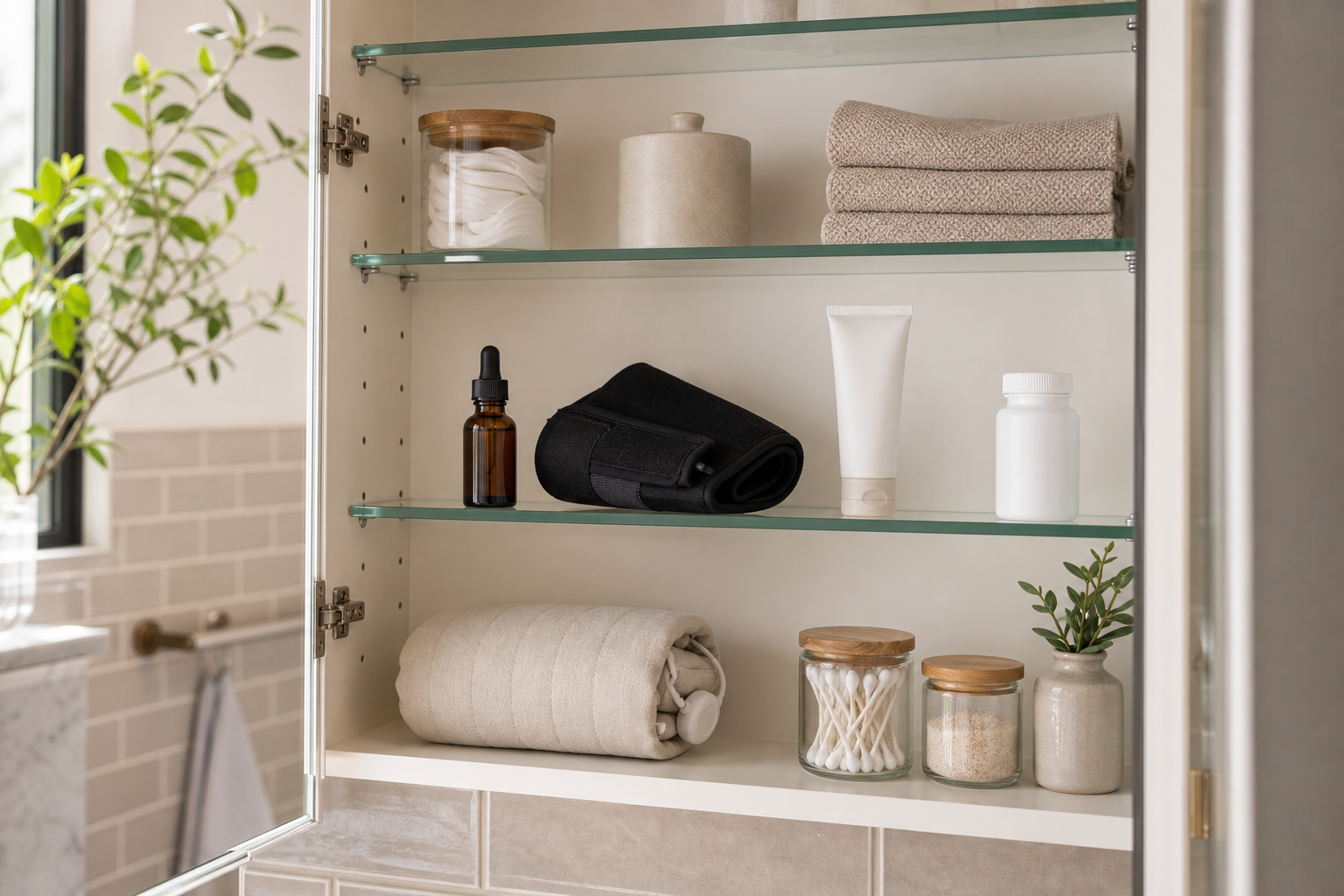
And while CBD oil is trending, I always tell patients—don’t forget about tried-and-true supports. For example, pairing CBD with a Modvel Compression Knee Brace can make a real difference for stubborn knee pain. (Full disclosure: I recommend these to my own family because they’re affordable, washable, and—seriously—those silicone strips keep them in place.)
CBD Oil vs. Other Joint Pain Solutions
Here’s where things get interesting. A reader emailed me last week, frustrated: “Should I try CBD, or stick with my Voltaren gel?” My answer? Why not both—if your doctor’s on board. Studies from BMJ (2022) showed that topical NSAIDs like Voltaren Arthritis Pain Gel reduce arthritis pain by 50% in many users, with little systemic side effect. CBD may work differently—less about blocking the immediate pain, more about dialing down the underlying inflammation.
Some people also take oral joint supplements—think glucosamine, chondroitin, turmeric, and MSM. The science is similarly mixed, but clinical trials (see Arthritis & Rheumatology, 2016) suggest a mild-to-moderate benefit for some. The bottom line (and this will ruffle feathers): There is no single best solution. Most people find the best relief from combining approaches—CBD, compression, topicals, and targeted exercise.
Tips for Getting the Most Out of CBD (If You Decide to Try It)
- Start with a reputable brand (I can’t say this enough—sketchy CBD is everywhere online).
- Begin with 10-25mg per day, and gradually increase if needed. Track your symptoms for at least two weeks before judging.
- Consider pairing oil with topical application for localized spots (think wrists, knees, or fingers).
- Keep expectations reasonable—it’s about progress, not perfection.
- And yes, talk to your healthcare provider first—especially if you take prescription meds or have health conditions.
What About Side Effects and Safety?
For most people, CBD is quite safe. Side effects, if they pop up, tend to be pretty mild: dry mouth, a bit of sleepiness, and in rare cases, digestive upset. But, as I mentioned earlier, it can interact with some medications—especially those processed by the liver. If you’re on blood thinners, seizure meds, or high-dose painkillers, get medical clearance first. And if you’re pregnant or breastfeeding, skip it for now—there just isn’t enough safety data yet.
Is CBD Oil Worth a Try for Joint Pain and Inflammation?
I know this is unpopular in some circles, but here’s my honest take: CBD oil isn’t a miracle. But for people with nagging joint pain who’ve tried the basics—exercise, weight management, ice/heat, compression, and standard meds—it’s a reasonable next step. The risk is low, the side effect profile is friendly, and the potential upside? Not insignificant. Especially if it means getting back to the garden, walking the dog, or just sleeping through the night without throbbing joints.
If you’re looking to boost comfort even further, I’ve seen great results when patients combine CBD with smart home care tools—like the Pure Enrichment PureRelief XL Heating Pad. (Extra-large, moist heat, and auto shut-off—honestly, it’s a game-changer for achy hips and backs, whether or not you add CBD.)
Takeaways: My Advice As a Physical Therapist
- CBD oil can be a helpful addition for some people with joint pain and inflammation, especially as part of a broader self-care plan.
- Look for quality, transparency, and third-party testing before you buy anything.
- Combine multiple approaches—movement, targeted exercise, topical relief, and (if appropriate) CBD. That’s where the real magic happens.
- And if you’re feeling unsure, don’t go it alone—get guidance from a healthcare pro who actually listens (we’re out here, I promise!).
If you’ve tried CBD oil for joint pain, I’d love to hear your story—what worked, what didn’t, and what surprised you. The more we share, the more we learn. Wishing you stronger, more comfortable days ahead.
Sarah Mitchell, DPT
Senior Health Editor, JointReliefReviews
Licensed Physical Therapist, 12+ years clinical experience