Turmeric Curcumin for Joint Inflammation: What Actually Works? An RN’s Unfiltered Take
I’ll never forget the first time a patient asked me—quite earnestly—if turmeric could save her knees. Not Advil, not another cortisone shot, but a deep yellow spice from her pantry. At the time, I’ll admit, I raised an eyebrow. Now? Well, the research (and my own family’s experience) has me nodding along more than I ever expected.
Why Everyone’s Talking About Turmeric for Aching Joints
Here’s the thing: If you’ve woken up to stiff knees or had that deep, nagging ache after sitting too long, you’re not alone. According to the Arthritis Foundation, more than 50 million Americans wrestle with joint pain every year. There’s no shortage of pain pills or creams, but most folks I’ve cared for—especially those who’ve suffered with osteoarthritis or stubborn old injuries—will try just about anything to move without wincing.
And lately, turmeric is everywhere. In lattes at the coffee shop. Sprinkled on eggs. But mostly, in supplement aisles promising “relief from inflammation.”
Does Turmeric Curcumin Really Help Joint Inflammation?
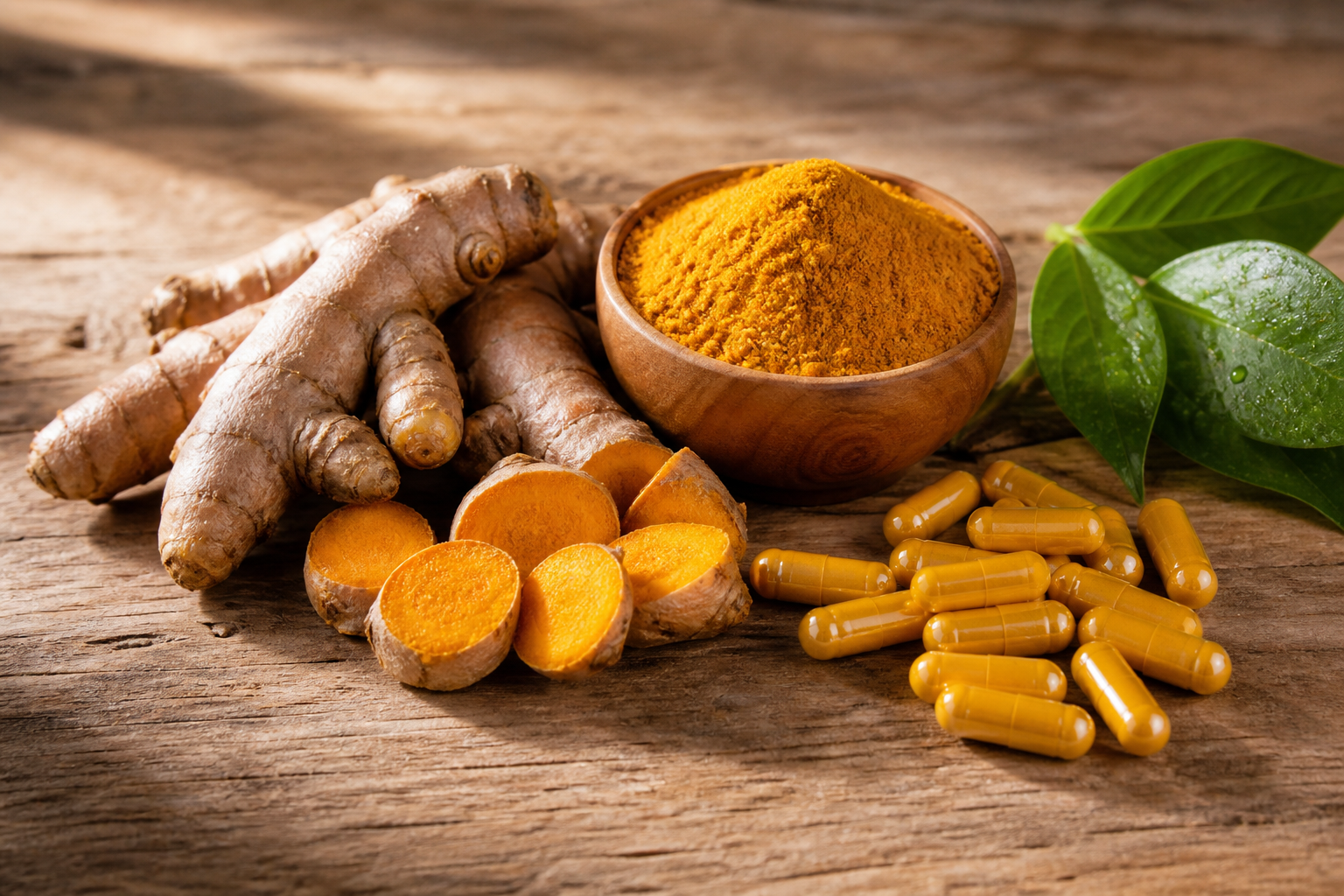
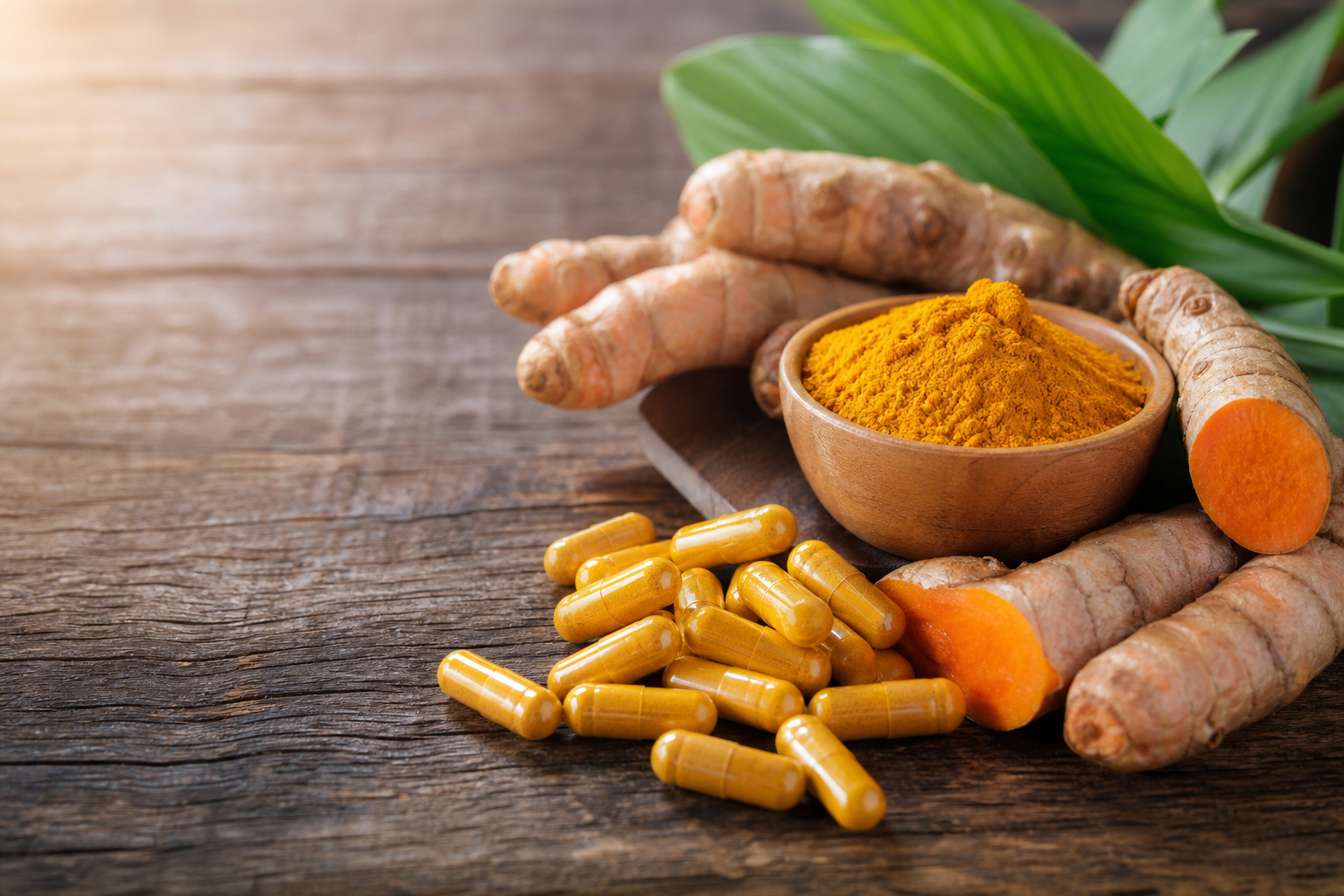
Short answer: The science is intriguing, but you need to know what’s hype and what’s real. Turmeric (the bright yellow root) contains a compound called curcumin. That’s the star of the show, and the part that gets all the research attention.
A 2016 meta-analysis in Arthritis & Rheumatology looked at over 1,000 patients and found that curcumin supplements provided significantly more pain relief than placebo in folks with osteoarthritis. The effect, as the authors put it, was “comparable to NSAIDs.” Yep—on par with ibuprofen, at least for some.
But—big but—most studies use high doses (typically 500mg to 2,000mg of curcumin extract per day). Eating curry twice a week isn’t going to cut it.
How Does Curcumin Actually Work?
Let’s get nerdy for a second. Curcumin tamps down several inflammatory pathways in the body by blocking molecules like NF-kB and COX-2. You can think of these like tiny messengers that tell your joints, “Time to swell and ache!” (I once described it this way to a 78-year-old former boxer, and he said, “So turmeric tells the pain guys to take a hike?”—pretty accurate, honestly.)
Researchers also point out that curcumin is a strong antioxidant. That means it helps mop up free radicals—the chemical troublemakers that can worsen joint damage over time. This double-whammy is likely why so many arthritis sufferers rave about it.

Real-World Results: What My Patients—And I—Have Seen
I’ll be honest—some folks notice a difference in days, while others come back to me after a month asking, “Should I bother?” I’ve had readers swear that turmeric was a game-changer for their morning stiffness. My own mother-in-law, who has battled knee pain since her fifties, swears her turmeric supplement keeps her on the pickleball court. (Though, she’s also terrible at resting, for what it’s worth.)
But here’s where it gets interesting: Not all turmeric supplements are created equal. Some are little more than expensive placebos. Others, especially those blended with black pepper (piperine), deliver results that even skeptical RNs like me can’t ignore. That’s because piperine helps your gut absorb up to 2,000% more curcumin, per a 1998 study published in Planta Medica. Without it, most of the good stuff just passes right through you.
What Dosage Actually Works?
Most clinical trials land somewhere between 500mg and 1,500mg of standardized curcumin extract per day. If you’re shopping for a supplement, look for those numbers on the label—and make sure “curcumin” or “curcuminoids” are listed with an actual dosage. Sprinkle-in amounts won’t cut it for real relief.
Always talk to your doctor before starting any new supplement, especially if you take blood thinners or have gallbladder issues. Curcumin can interact with some meds and isn’t safe for everyone.
What to Watch Out For (And What Most Articles Skip)
Over my 20 years in orthopedic care, I’ve seen supplement fads come and go. Turmeric’s longevity is impressive—but the market is flooded with duds. Here are the biggest traps:
- Low-dose formulas: Some brands brag about “powerful turmeric” but only give you 50mg per serving—barely a blip compared to what studies use.
- No black pepper: Without piperine, that curcumin isn’t getting absorbed. If it’s missing, keep looking.
- Wild price swings: You don’t need a $60 bottle for an effective blend. But avoid bargain-bin brands with mystery sourcing.
- Misleading “complex” blends: Some supplements toss in a pinch of turmeric with a bunch of fillers. Read the fine print. The curcumin dose matters most.
What Actually Helps: My Top Practical Tips
Managing joint inflammation isn’t just about supplements. (I’m probably putting myself out of a job saying that!) Here’s what really moves the needle—based on research and the thousands of people I’ve cared for:
1. Smart Supplementation (When You Need It)
If you want to give turmeric curcumin a try, skip the cheap “turmeric powder” capsules and look for a comprehensive formula. One I’ve recommended to plenty of readers—because it combines curcumin, glucosamine, chondroitin, MSM, and boswellia—is Glucosamine Chondroitin Turmeric MSM & Boswellia by Vimerson Health. It hits the sweet spot for dosage, includes black pepper, and—bonus—over 43,000 reviewers back it up. I like that it covers all the big bases for joint comfort, not just inflammation. (But as always, check with your doctor before starting anything new.)
2. Move It Or Lose It
Exercise is “nature’s anti-inflammatory.” But I get it: Hurting joints make you want to do anything but move. Low-impact options—think water aerobics, gentle yoga, or honestly just brisk walking—keep synovial fluid circulating and cartilage fed. In the BMJ (2015), patients with knee arthritis who walked at least 3,000 steps daily had significantly less pain and better function. Start small. Every bit truly helps.
3. Heat for the Win
For those stubborn morning aches or post-gardening stings, heat can be pure magic. A quality heating pad—like the Pure Enrichment PureRelief XL Heating Pad—is my go-to at home (and yes, I’ve dozed off with it set to medium). Moist heat penetrates deeper, and the auto shut-off keeps things safe, especially if you’re prone to “resting your eyes” like I am.

4. Eat Like a Mediterranean
I know, you’ve heard this before. But a diet rich in veggies, olive oil, fatty fish, and fresh herbs—plus, yes, the occasional turmeric-spiced dish—naturally tames inflammation. The Journal of Rheumatology (2017) showed patients following a Mediterranean-style diet enjoyed reduced joint swelling and improved function at 12 weeks.
5. Mind Your Expectations
Here’s my unpopular opinion: No supplement is a miracle cure. Turmeric curcumin can be a valuable part of your joint-care routine, but it won’t erase decades of cartilage wear overnight. The best results I’ve seen come from folks who combine smart supplementation, movement, and a dash of patience. (Those “instant relief” ads drive me up the wall!)
Digging Deeper: How Does Turmeric Compare to Other Joint Remedies?
You might be eyeballing glucosamine, boswellia, or those all-in-one “joint comfort” blends. Frankly, the best results I see clinically are when people combine multiple evidence-backed approaches—think glucosamine plus curcumin, not “either/or.” The Vimerson Health formula I mentioned earlier is a good (and affordable) example of this synergy.
NSAIDs (ibuprofen, naproxen) can absolutely knock down inflammation, but long-term, they mess with stomach lining and blood pressure. Turmeric—used correctly—sidesteps a lot of those risks. Still, if you take warfarin or have gallbladder troubles, turmeric isn’t risk-free. Chat with your doctor, especially if you’re juggling several prescriptions.
Physical therapy, oddly, is the one thing people resist but almost always benefit from. I spent years wrestling patients onto foam rollers or into gentle stretches—and once they got past the initial “ugh,” their joints always thanked them. If you’re struggling, ask for a PT referral. Insurance often covers it, and they’ll tailor a plan to your needs.
Common Questions I Get (And My Honest Answers)
- How long does it take to feel results? Most trials see improvement between 4 and 8 weeks. Some folks notice better mornings in days, others need patience. Consistency matters more than megadoses.
- Are there side effects? At normal doses, turmeric’s pretty gentle—though high doses can cause GI upset (bloating, diarrhea). Rarely, it can mess with blood clotting or gallbladder function. Always disclose supplements to your provider.
- Can I just cook with turmeric instead? Every little bit helps, but food-based turmeric is only about 3% curcumin by weight—and your body absorbs very little without added fat/pepper. Supplements are much more direct.
- Is turmeric safe long term? For most healthy adults, yes. But again—if you’re on medication, check first. And skip it before surgery or if you have bleeding disorders.
Honest Takeaways: What You Can Expect From Turmeric Curcumin
If you’re nodding along, here’s the real kicker: Turmeric curcumin can absolutely help with joint inflammation, especially as part of a bigger strategy. The research is solid—especially for osteoarthritis—but it’s not magic. Focus on the right dosage, the right formulation (with piperine), and realistic expectations. Pair it with movement and heat, and you’re stacking the odds in your favor.
And hey, if you try it and don’t see improvement in 6-8 weeks? Don’t beat yourself up. Each body—and each joint—is its own experiment.
Questions? I read every reader email, and I’ve probably heard your concern before. Reach out, compare notes, and take care of those joints. Life’s too short for unnecessary pain.
Stay limber, friends.
Linda Hargrove, RN
Registered Nurse & Joint Relief Columnist
JointReliefReviews.com