
CBD Oil for Joint Pain and Inflammation: Does It Live Up to the Hype?
I’ll never forget the first time a patient asked me about CBD oil. This was back in 2017, long before it was sold at every corner store or gas station. She was a 66-year-old with knees that “sang like a canary” every morning. She asked if CBD oil might help her ditch the daily naproxen and finally play with her grandkids on the floor again. To be honest, I didn’t have a confident answer. I’d seen promising headlines, yes, but real research? That was murky. Fast forward to today, I’ve fielded hundreds of questions—online and in person—about whether CBD is a legit option for joint pain and inflammation. So, what’s the real story?

If You're Frustrated, You're Not Alone
Look, chronic joint pain is relentless. If you wake up stiff, plan your outings around flare-ups, or eye the stairs with dread—believe me, I get it. I spent two decades in orthopedic nursing, helping folks who’d tried everything. Pills, creams, heating pads, acupuncture, cortisone shots, even those wacky copper bracelets (my mother-in-law swears by hers, for the record!).
So when I say I understand the cycle of hope-disappointment-hope again, I’m not just being polite. It’s exhausting to constantly chase relief. And when something new—and “natural”—like CBD oil comes along, of course it’s tempting to try.
Let’s Break Down the Science
Here’s the thing: most articles on CBD oil for joint pain and inflammation are either way too optimistic or dry as toast. Let’s cut through that.
CBD, or cannabidiol, is one of over 100 compounds in the cannabis plant. Unlike THC, it won’t get you high. Instead, it interacts with your body’s endocannabinoid system—a vast network involved in regulating pain, inflammation, mood, and sleep.
The real kicker? There’s solid lab evidence that CBD can reduce inflammation. Animal studies—like one from the European Journal of Pain in 2016—showed topical CBD eased joint swelling and pain in rats with arthritis, without side effects. But rats don’t pay rent or garden on weekends, and human bodies are a bit more complicated.
What Do Human Studies Say?
Human data is—let’s be honest—still pretty limited. But it’s growing. A 2020 review in Current Opinion in Rheumatology found some promise for CBD in helping pain from conditions like osteoarthritis and rheumatoid arthritis. The researchers called for bigger, better studies (and I agree), but noted that CBD appeared safe and may reduce pain and inflammation for some people.
Another study in Arthritis Care & Research (2022) looked at folks with knee osteoarthritis who tried various CBD products. About 40% reported meaningful pain relief. That’s not a miracle, but it’s not nothing. Anecdotal reports—especially among my own readers—suggest that topical CBD oils and creams are most noticeable for joint pain versus oral drops or gummies, though both are used.
I’ll be blunt: If any supplement site tells you CBD oil cures arthritis, run. No reputable journal or expert makes that claim. But can it help manage symptoms? That’s where legitimate stories and some science line up.
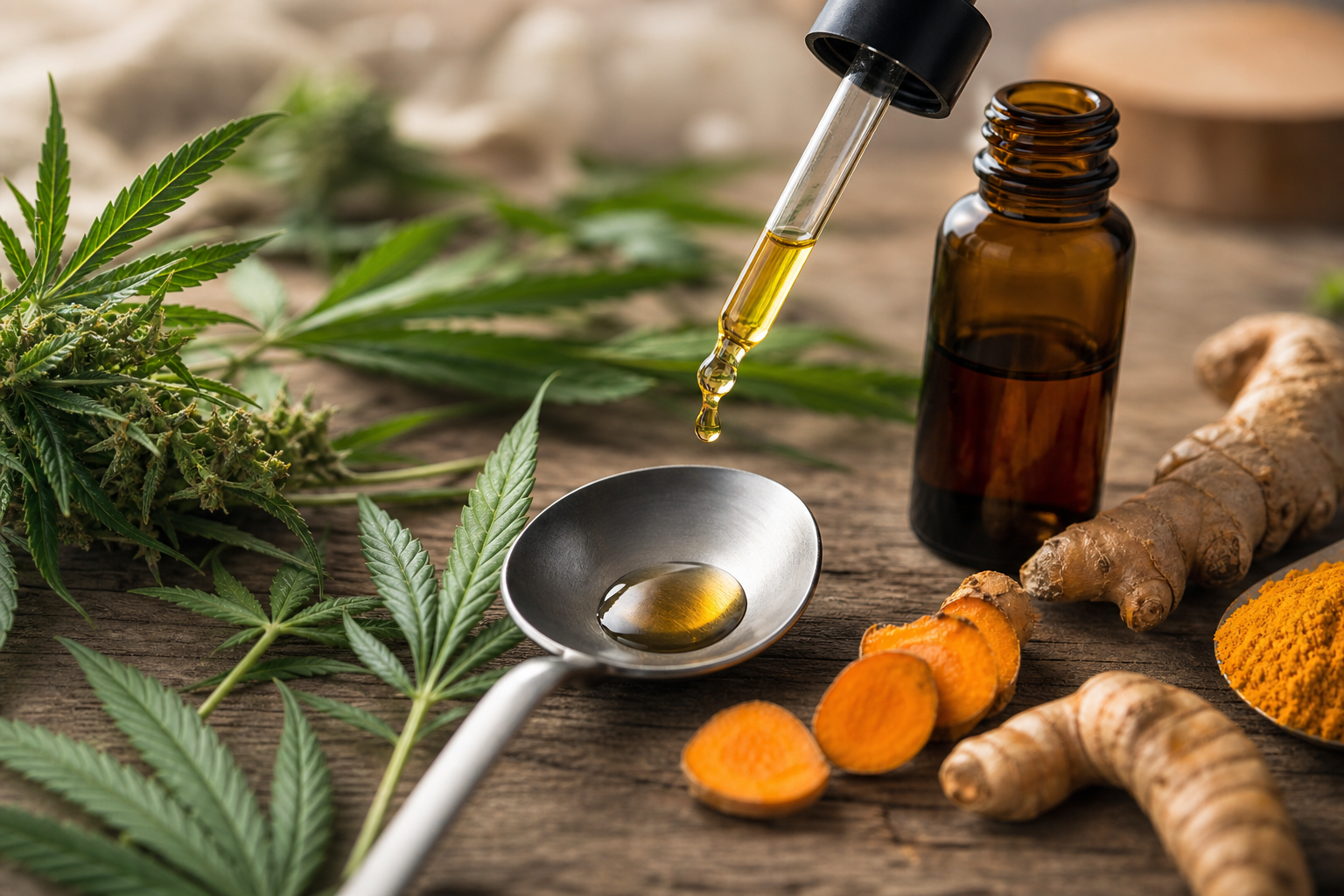
How Does CBD Oil Actually Work for Joints?
There are two main ways CBD may help:
- Anti-inflammatory effects: CBD seems to block certain inflammatory messengers, reducing swelling and tissue damage. That’s crucial for both arthritis and injury-related joint pain.
- Pain modulation: CBD influences how nerves transmit pain signals. It may dull the volume knob on “ouch!”—especially with local application.
Here’s where things get interesting (and a bit controversial): unlike NSAIDs (think ibuprofen), CBD isn’t hard on your stomach or kidneys. That’s a huge deal for my older patients, whose doctors start to frown at long-term pill use. But it also isn’t as instantly powerful for severe pain. It’s more a slow, gentle nudge than a sledgehammer.
What’s the Right Dose?
This is the million-dollar question. Most clinical studies use doses between 15mg and 50mg/day for chronic pain, sometimes higher. For topicals, there’s less standardization—one reason quality matters. I usually suggest starting low (around 10-15mg twice daily) and adjusting based on relief, after discussing with your doctor (especially if you’re on other medications—CBD can interact with blood thinners and a few others).
Personally, I’ve seen the most benefit when folks combine a topical CBD oil (rubbed directly onto the sore joint) with a low-dose oral product. But, as always, your mileage may vary.
What Do Real People Say?
This part always fascinates me. A reader named Gina emailed last month: “Linda, I use CBD oil on my hands every night. I’m not pain-free, but I can finally open jars again.” Another, Tom (a retired firefighter), told me, “My knees still ache after pickleball, but the swelling is less, and I sleep better. Worth every penny.”
Are there folks who try CBD and feel nothing? Absolutely. Some are disappointed, especially when using bargain-bin products that barely contain any actual CBD. Others find mild but real improvements—in pain, swelling, or even sleep quality, which indirectly helps pain.
I’ve always been wary of the “miracle cure” crowd. But I’ve also spoken to enough people who swear by their nightly CBD cream or oil to take notice.
How to Choose a CBD Oil That Isn’t Snake Oil
Now, here’s my soapbox: With CBD, quality is everything. The market is a Wild West. Some products are fantastic, rigorously tested, and packed with CBD. Others are little more than olive oil with a fancy label.
- Third-party testing (look for COAs—certificates of analysis from independent labs)
- Clear CBD concentration—milligrams per dose
- Full-spectrum vs. isolate: Full- or broad-spectrum oils may provide more benefits, thanks to the "entourage effect," but they can contain traces of THC
- No wild health claims—if it says “cures arthritis,” run the other way
I can’t tell you how many times I’ve seen patients waste money on products that barely contain any CBD. The FDA found in 2020 that nearly 60% of CBD products were mislabeled. My advice? Stick to established brands, check for testing, and—if in doubt—ask your pharmacist or a knowledgeable healthcare provider. (Not the guy at the gas station, please!)
How to Use CBD Oil for Joint Pain—Real-World Tips
I get this question all the time: “Should I take it by mouth, or rub it on?”
Topical CBD oils or creams are most popular for joint pain, especially knees, hands, and elbows. Here’s what I usually recommend:
- Massage a pea-sized amount onto the sore joint (clean skin) 2-3 times per day.
- Give it at least two weeks—CBD isn’t always instant. Some notice relief in days, others need longer.
- If using oral CBD, start low (10-15mg), and go slow. Watch for drowsiness or GI upset (less common, but possible).
- Keep a pain journal for a month. Did you move better? Sleep better? Less swelling? Track what matters to you.
And talk to your doctor before adding CBD—especially if you’re on prescription meds, have liver issues, or are pregnant/nursing. (I know, broken record, but better safe than sorry.)
CBD Oil vs. Other Remedies: How Does It Stack Up?
It’s not a replacement for everything. I still believe in old-fashioned heat, gentle exercise, and proven supplements like glucosamine-chondroitin (1500mg/1200mg dosed daily, as in that big 2016 BMJ meta-analysis—yes, I’m still a fan). For many, combining lifestyle changes, CBD oil, and something like the Glucosamine Chondroitin Turmeric MSM & Boswellia supplement gives a more noticeable improvement than any one alone. (And for the curious, Voltaren gel is still my #1 pick for “crisis days” when I need targeted anti-inflammatory power.)
But for ongoing, nagging joint pain and inflammation, CBD oil is a solid tool in the toolbox—especially if you’re looking to cut back on NSAIDs or can’t tolerate them.
CBD Oil Side Effects and Safety—What You Need to Know
Most people tolerate CBD well. Mild side effects can include sleepiness, dry mouth, or stomach upset. Topicals have the lowest risk, since very little is absorbed into the bloodstream. Oral CBD (especially above 50mg/day) can interact with certain meds—especially blood thinners like warfarin, some seizure meds, and a handful of others. That’s why, if you’re nodding along because you’re on several daily prescriptions, please check with your pharmacist or provider first.
One thing most articles skip: CBD is not regulated like prescription drugs. The FDA does watch for outrageous claims, but it’s still the wild west out there. Stick to brands that publish their test results. If you’re shopping online and see a deal that’s “too good to be true” … trust your gut.

What I Tell My Patients, Readers, and (Yes) Family
I’ll be honest: I used to be skeptical about CBD oil for joint pain and inflammation. But the tide is turning. There’s enough evidence, both scientific and real-world, that it deserves a place in the conversation—not as a miracle, not as a replacement for everything else, but as a potential helper. For some, it makes daily pain less of a hurdle. For others, it’s a bust.
Here’s what I suggest to friends and family:
- Be realistic. Expect “better,” not “perfect.”
- Buy from brands that publish third-party test results. Otherwise, you’re gambling.
- Don’t ditch your other healthy habits—exercise, weight management, sleep, and proven supplements aren’t optional.
- Try for a month, track your pain, and then decide if it’s worth your wallet.
And don’t be afraid to experiment. Some find topical CBD after a warm shower is their game-changer; others, a nightly tincture or capsule before bed.
Takeaways: Is CBD Oil Worth Trying?
If you’ve read this far, you probably already know what I’m about to say: CBD oil isn’t a cure-all, but it’s not a fad, either. For joint pain and inflammation, it has a real shot at helping—especially if you choose the right product, start low, and track your results. Combine it with smart lifestyle choices, and you just might find yourself with a few more pain-free days (or, at least, fewer of those bone-deep aches).
One last thing: if you’re considering other joint helpers, I’m still a big fan of the research-backed Glucosamine Chondroitin Turmeric MSM & Boswellia blend—it’s a mouthful, but it covers your bases and has helped thousands with stiffness and flexibility. And if you’re struggling with daily pain and need a practical, research-backed plan, the book Treat Your Own Knees is worth a look (tons of my patients have used it with real success).
Joint pain isn’t simple. Relief rarely is. But with a bit of knowledge, some trial and error, and a dose of patience, you can find something that works for you. And if you have stories—or questions—about CBD oil, shoot me an email. You’re never just a number here.
Wishing you more comfortable days,
Linda Hargrove, RN
Orthopedic Care Nurse & Health Writer
JointReliefReviews.com