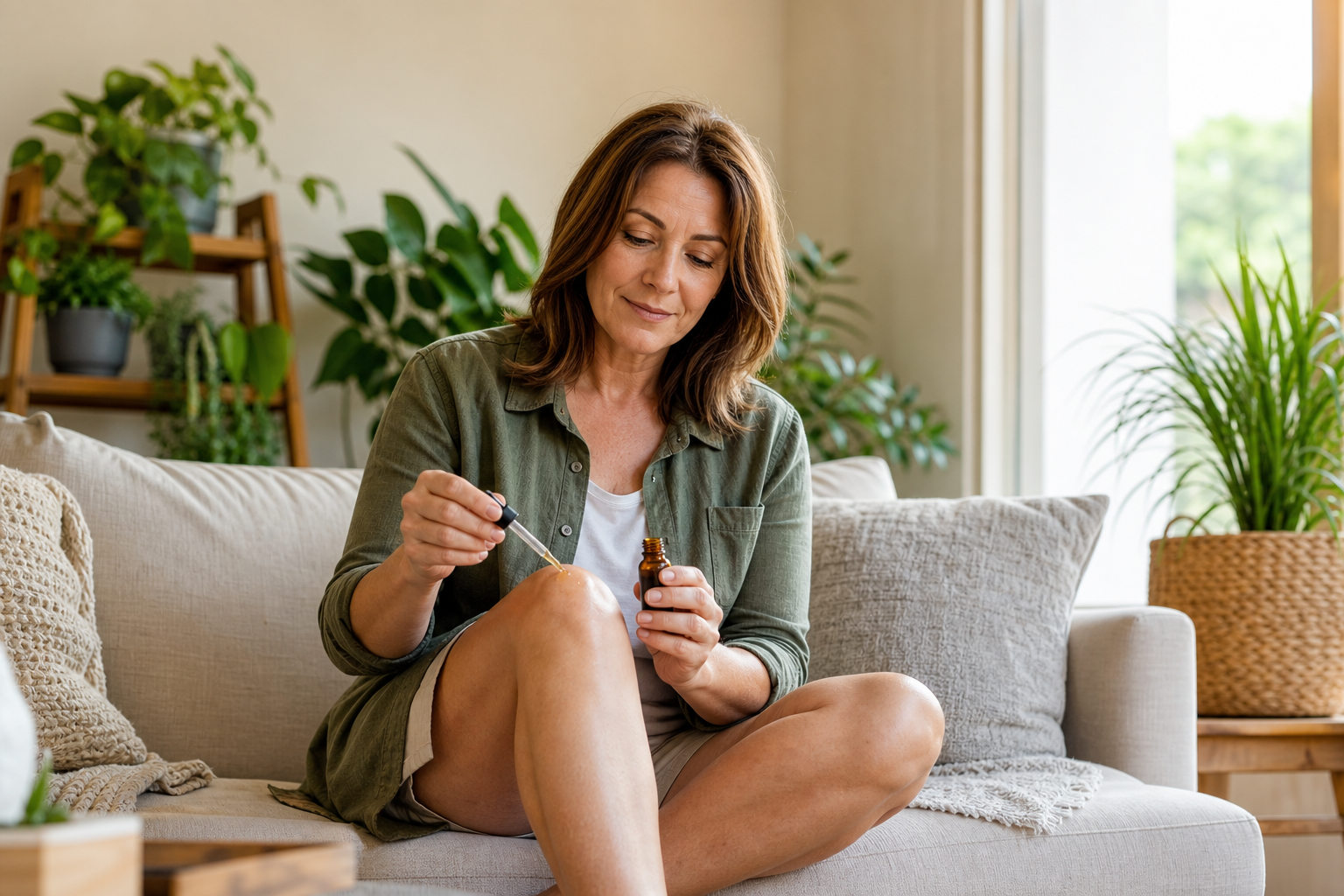
CBD Oil for Joint Pain and Inflammation: Honest Answers from a PT
About six months ago, one of my long-time patients (let’s call her Sharon) walked into my clinic and handed me a small glass bottle. "You have to see this, Dr. Mitchell—my daughter swears it’s the only reason her knees let her get through the day." The label? CBD oil. Look, I’ll be honest—I’ve been skeptical. But Sharon isn’t the only one. Over the past two years, I’ve fielded questions from dozens of patients (and just as many friends and family) about CBD oil for joint pain and inflammation. Is it a miracle? Is it snake oil? Or is the truth somewhere in between?
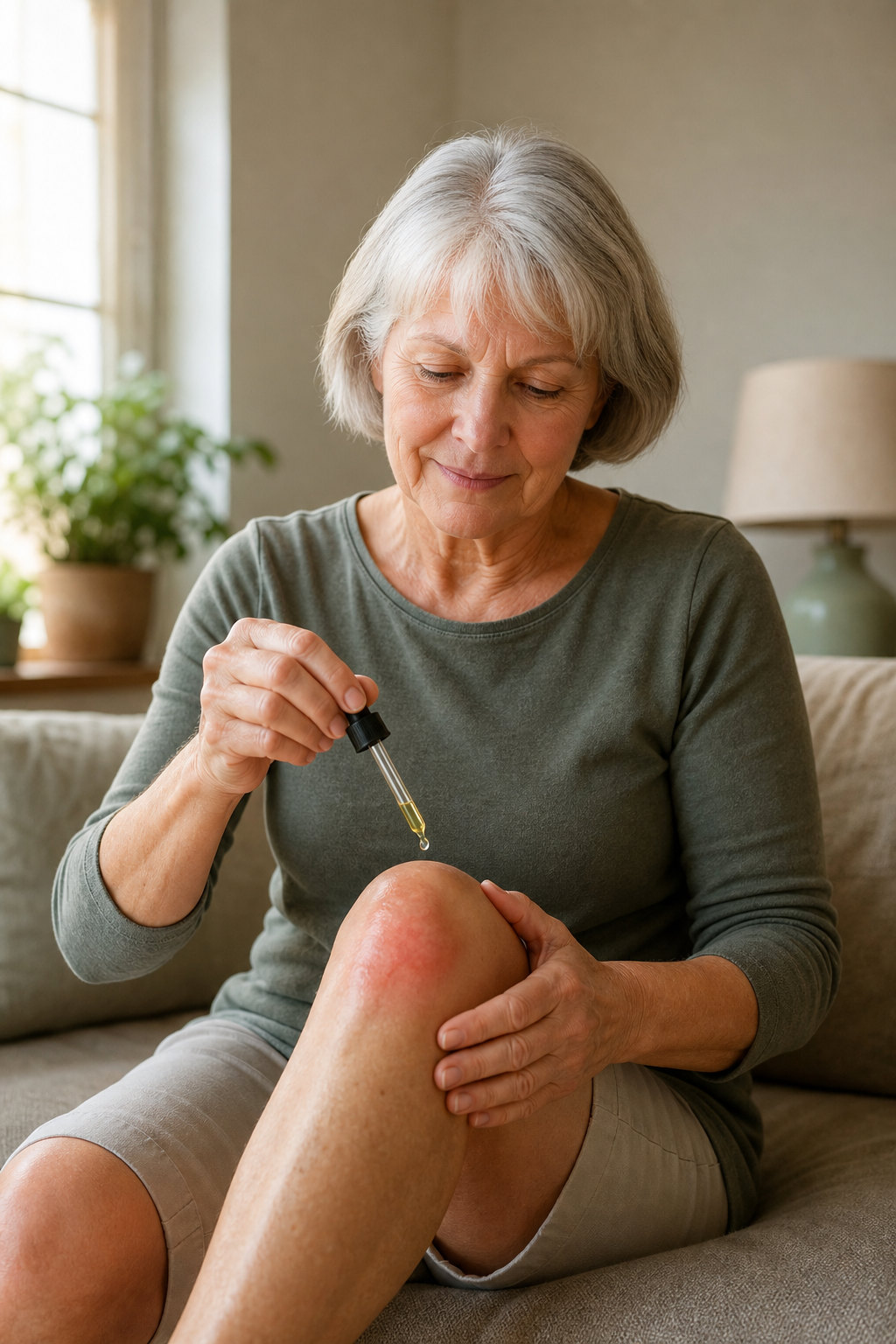
Let’s Be Real: Joint Pain Isn’t Just "Aches and Pains"
If you’re reading this, I’m guessing you’re tired of the endless ache, that weird crunchy feeling in your knees when you try to get out of the car, or maybe the way your hands throb after a day of simple tasks. As a physical therapist with over a decade in the field, I know joint pain isn’t just physical—it drains you emotionally, too. Mornings become a negotiation. Sleep gets patchy. Sometimes even your favorite activities feel out of reach. Every year, research from Arthritis & Rheumatology (2022) reminds us that over 58 million Americans battle some form of arthritis or chronic joint pain. That’s more than diabetes and cancer combined. And yes, inflammation is usually the villain behind the scenes.
So—where does CBD oil fit into this picture? Why is it everywhere now, from drugstores to yoga studios? Let’s untangle fact from fiction.
CBD 101: What Is It, and What Does It Actually Do?
CBD stands for cannabidiol. It’s one of over a hundred compounds found in the cannabis plant—but unlike THC, it won’t get you high. That alone makes it a more approachable option for people who just want relief, not a buzz. The idea behind CBD oil is pretty simple: you take it orally (under the tongue, via capsule, or in food) or apply it topically (creams, roll-ons, balms) to target sore spots.
Why does anyone think it helps joints? Here’s where it gets interesting. CBD interacts with the body’s endocannabinoid system—basically a network that helps regulate pain, sleep, immune response, and inflammation. In animal studies (see: European Journal of Pain, 2017), CBD reduced inflammation and pain behaviors. But—and this is key—translating that success from rats to people is a slow, messy business. Human trials are only just catching up.
What the Research Really Shows for Joint Pain and Inflammation
I wish I could point to one giant, gold-standard study that proves CBD works for everyone with arthritis. The truth is murkier. Here’s a quick rundown of what we do (and don’t) know so far:
- A 2020 Arthritis Care & Research survey found that 79% of Americans with arthritis had tried or considered CBD—but actual scientific studies are still limited.
- Small clinical trials have shown CBD can reduce chronic pain and improve sleep in people with conditions like multiple sclerosis or fibromyalgia (see: Frontiers in Neurology, 2018).
- One 2022 Journal of Cannabis Research review concluded that CBD topicals may help with osteoarthritis pain, but called for larger, more rigorous studies.
- CBD seems especially promising for inflammation: a 2019 study in Free Radical Biology & Medicine found that CBD reduces inflammatory markers at the cellular level.
But—and I can’t stress this enough—results vary wildly. Some people swear by their daily dose. Others (my mother-in-law included) feel absolutely nothing. Dosing, product quality, and delivery method all matter—sometimes more than you’d expect.
How People Actually Use CBD Oil for Joints
You’ve got two main options: oral (drops, capsules, or edibles) and topical (creams, gels, or roll-ons). Most of my patients looking for joint relief gravitate toward topicals—they want to "put it where it hurts." But some research suggests oral CBD may better target whole-body inflammation. Typical starting doses range from 10-25mg daily (for oral routes). Topical products? The actual CBD content per application can be all over the place—anywhere from 100mg to 1000mg per container.
Here’s the thing: the FDA doesn’t regulate CBD like it does prescription drugs. That means quality can be inconsistent. If you do try CBD, look for brands that provide third-party lab testing and clear dosing info. (A reader emailed me last month after their "CBD" balm tested as basically coconut oil—no active ingredient!)
Are There Any Real Risks?
For most adults, CBD is considered pretty safe. But like everything, there are caveats. It can interact with blood thinners and certain anti-seizure meds. High doses sometimes cause drowsiness or GI upset (my own husband learned this the hard way—he will never take a double dose again). Always—and I do mean always—talk to your doctor before starting CBD, especially if you take other medications or have liver issues. Pregnant or nursing? Skip it for now.

Where Does CBD Fit Into Joint Pain Management? (And What Actually Helps)
If you’re nodding along, you probably already know there’s no magic cure. In my experience, the best results come from a multi-tool approach:
- Movement and physical therapy: Targeted exercises improve joint function and decrease pain over time. (The book Treat Your Own Knees is still my go-to for at-home knee routines.)
- Heat/cold therapy: Simple, but often overlooked. Moist heat (like a PureRelief XL Heating Pad) or ice packs can calm flare-ups and stiffness.
- Topical pain relievers: Non-CBD options—like Voltaren Arthritis Pain Gel—are clinically proven and sometimes more effective for stubborn arthritis pain. (I keep a tube in my clinic.)
- Supplements: Glucosamine, turmeric, and omega-3s have real evidence—but, just like CBD, quality and dosing matter.
- Lifestyle shifts: Weight management, anti-inflammatory diets, and regular sleep make a bigger difference than any supplement—CBD included.
So where does CBD oil fit in? For some, it’s a helpful tool—especially for mild to moderate joint pain, or days when other strategies aren’t enough. But it’s rarely a complete solution. And (don’t shoot the messenger), if you’re looking for instant results, CBD probably isn’t your hero. Most clinical data suggests any benefits build over days or weeks—not minutes.
CBD Oil Versus Traditional Topical Pain Relievers: My Honest Take
This is where the debate gets real. I’ve tried both on myself and seen plenty of patients cycle between them. Here’s what I’ve noticed:
- CBD topicals: Some patients love them for mild soreness, especially if they can’t tolerate typical NSAID creams or are looking to avoid pharmaceuticals. (Anecdotally, I’ve seen more success with broad-spectrum or full-spectrum CBD, which retain more "plant compounds," than with isolates.)
- Voltaren (diclofenac sodium): The real kicker? Study after study (BMJ, 2018) shows Voltaren beats almost every other OTC topical for measurable arthritis relief. It’s FDA-approved, easy to use, and has fewer systemic risks than oral NSAIDs. I recommend it more often than not—especially for knees and hands.
Still, some patients swear by their CBD cream or oil drops. My advice? If you’re curious, try CBD alongside—not instead of—proven treatments. And track your symptoms in a pain journal. (It sounds nerdy, but it’s the only way you’ll know what’s working.)
Shopping for CBD Oil: How to Protect Yourself (and Your Wallet)
Here’s where things get dicey. CBD is everywhere, but not all products are created equal. I’ve seen bottles that cost $100 and contain—well, pretty much nothing. Here’s my "PT-approved" checklist if you want to give it a go:
- Third-party lab testing: Legit brands post lab results online. No results? Find another brand.
- Clear dosage and ingredient labels: You should know exactly how much CBD per dose—and what else is in there.
- Broad- or full-spectrum CBD: These retain more potentially beneficial plant compounds than isolates.
- Start low, go slow: Try 10-20mg per day for oral use, or a small dab of topical on one joint. Give it 1-2 weeks before changing your dose.
- Check for unwanted extras: Some balms contain menthol, camphor, or essential oils—not always bad, but be aware if you’re sensitive.
And please: don’t fall for wild claims about "curing" arthritis or magic overnight relief. If it sounds too good to be true…well, you know the rest.

Frequently Asked Questions (That Real People Actually Ask Me)
Is CBD legal everywhere?
Mostly, yes—CBD derived from hemp (with <0.3% THC) is federally legal in the US, but state laws vary. Always check your local rules before buying, especially if you travel.
How fast will I feel results?
That depends. Some folks notice subtle relief within days, others need a couple weeks. For severe arthritis, results are less dramatic—use CBD as one part of your toolkit, not the whole solution.
Can I combine CBD with other medications?
Talk to your doctor before adding CBD to your regimen, especially if you take blood thinners, anti-seizure meds, or have a history of liver disease.
What about THC?
Some topical products contain both CBD and low-dose THC (in legal states). Early data suggests the two may work better together for pain, but for now, most people stick to pure CBD because of workplace drug testing or personal preference.
So—Is CBD Oil Worth Trying for Joint Pain?
I know this is unpopular, but here’s my straight answer: for some, CBD oil is a game-changer. For others, it’s an expensive experiment with little payoff. The honest truth? We need more large-scale, placebo-controlled human studies—especially for chronic joint conditions like osteoarthritis and rheumatoid arthritis.
But in a world where options often feel limited, I understand the hope (and sometimes the desperation) that drives people to try something new. If you do try CBD, do it safely, set realistic expectations, and pair it with proven strategies like exercise, heat/cold, and FDA-approved topicals.
My Final Advice (From Experience, Not Hype)
If you want to try CBD oil for joint pain and inflammation, it’s a personal choice. Track your symptoms, talk to your doctor, and buy smart—third-party tested, broad- or full-spectrum options. And remember, progress is usually measured in weeks, not hours. If it’s not helping after a month, you’re allowed to move on—no guilt required.
Oh, and if you find something that works for you—CBD or otherwise—share it. Chronic pain is hard enough without keeping solutions a secret.
Dr. Sarah Mitchell, DPT, is a licensed physical therapist, osteoarthritis specialist, and Senior Health Editor at JointReliefReviews.com. She lives for research, real stories, and helping people find what actually works.