
Is Turmeric Curcumin the Secret Weapon for Joint Inflammation?
About a decade ago, one of my regular patients—let’s call her June—came bustling into my office, waving a little orange bottle. “Linda, have you heard about turmeric? My neighbor swears it’s a game-changer for her knees!” I’ll be honest: I smiled politely, but I was thinking, “Here we go. Another supplement craze.” Honestly, I’d seen more trends come and go than I can count in my 20 years in orthopedics. But turmeric kept popping up: in journals, at conferences, in emails from readers desperate to soothe angry joints without living on NSAIDs. So, I dug into the science—and I was surprised by what I found.

The Relentless Drag of Joint Inflammation
If you’re reading this, odds are you know joint inflammation isn’t just an occasional twinge. It’s that deep, throbbing ache that makes stairs look like Everest, or the hot, puffy swelling that turns a coffee mug into a kettlebell. I’ve seen it steal sleep, hobbies, even entire careers—especially when doctors run out of new prescriptions to offer. The worst part, in my view? The unpredictability. Some mornings you’re fine, others you’re gritting your teeth through your toothbrush routine. Arthritis, bursitis, overuse injuries—they all have this in common: inflammation. Which is why so many folks go looking for something—anything—that might cool the fire.
Maybe you’ve tried glucosamine, ice packs, fancy braces, or even just crossing your fingers. So did June. But here’s where turmeric curcumin slides into the conversation, not with a magic-wand promise, but with some real science worth considering.
Turmeric Curcumin 101: What Actually Is It?
First, a quick science detour (I’ll keep it brief). Turmeric is that bright yellow-orange spice found in curry, but the real star is curcumin, its most active compound. You’ll find plenty of curcumin supplements on the shelves—usually labeled as “turmeric curcumin”—and it’s the one that’s got researchers excited for its anti-inflammatory punch. But, and this is important, the curcumin content in straight turmeric powder is pretty low—about 3% by weight. Most studies use concentrated extracts, not just a sprinkle on your eggs.
And here’s where it gets interesting: laboratory studies show curcumin directly blocks inflammatory pathways. We’re talking about the same COX-2 enzymes that NSAIDs like ibuprofen target, plus other inflammatory molecules like TNF-alpha and interleukins. It’s not snake oil—at least, not in the right form. But there’s a catch, and it’s a big one...
The Absorption Problem (and How to Beat It)
Here’s the thing: most curcumin is poorly absorbed by the body. Swallowing turmeric capsules is a little like throwing water at a grease fire—it might make you feel better for trying, but it doesn’t do much. In fact, one classic study in the Journal of Clinical Pharmacology (2001) found that curcumin serum levels were “barely detectable” after a standard dose.
So what helps? Pairing curcumin with black pepper extract (piperine). This combo boosts absorption by up to 2,000%. I always check supplement labels for “with black pepper” or “BioPerine”—it matters. Some formulas also use phospholipids (like Meriva®) to improve bioavailability. Again, real science, not marketing hot air.
What Does the Research Really Say?
I’ll spare you the dry statistics, but there are enough double-blind trials to get my attention. A 2016 Arthritis & Rheumatology meta-analysis looked at thousands of patients with knee osteoarthritis. Curcumin, at doses of 1,000mg per day, reduced pain and improved function about as much as ibuprofen—without the GI side effects. The catch: most of these studies lasted 8-12 weeks, so we’re not talking about an overnight miracle.
Another study, published in Phytotherapy Research (2014), compared curcumin (1,500mg daily) to diclofenac in people with active arthritis. Both groups reported similar pain relief, but the curcumin group had fewer stomach issues. That’s music to the ears of anyone who’s ever gotten “NSAID gut.”
But—and I want to be honest—results aren’t 100% universal. Some folks get more relief than others, and curcumin seems to work best for chronic, low-grade inflammation (think: osteoarthritis, not acute trauma). If you’re nodding along, you’re not alone.
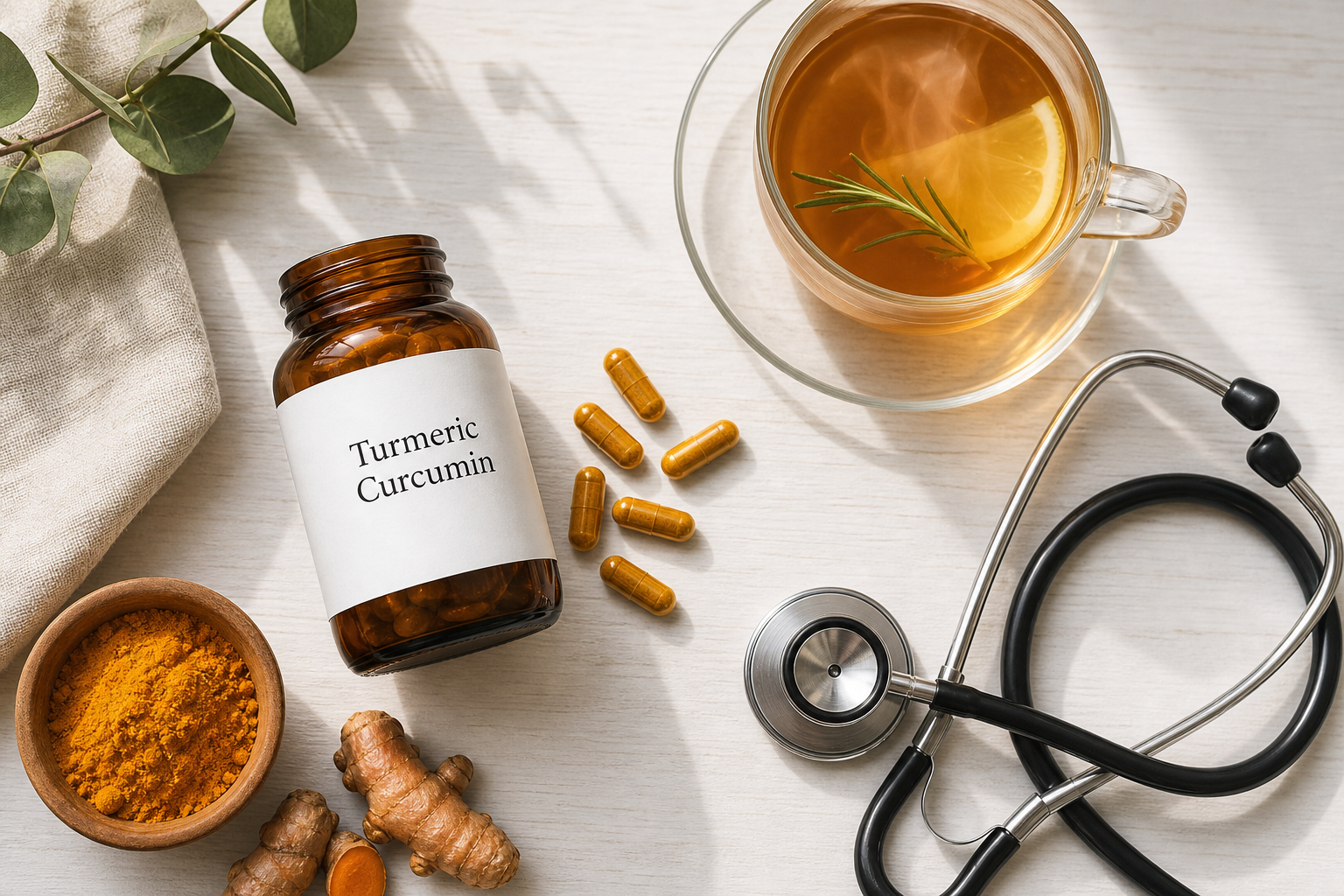
How Turmeric Curcumin Fits Into Your Joint Care Toolkit
Okay, so you’re interested. But what does “using turmeric for joint inflammation” actually look like? Here’s what I recommend to patients and readers—piece by practical piece.
- Start with a real diagnosis. Don’t jump to supplements if you haven’t had your joint pain checked out. That mysterious swelling could be infection, gout, or a dozen other things. As much as I love research, nothing replaces a good doctor’s visit.
- Pick the right formula. Look for curcumin supplements with black pepper extract—ideally around 1,000mg per day of standardized curcuminoids. The Glucosamine Chondroitin Turmeric MSM & Boswellia by Vimerson Health is one I’ve recommended to family members; it’s got turmeric and other proven joint helpers, plus over 43,000 reviews. (It’s affordable, too, which matters for long-term use.)
- Don’t ditch your basics. Even if turmeric helps, keep up with movement, gentle stretching, and—yes—the occasional ice or heat. I’m a big fan of the PureRelief XL Heating Pad for days when inflammation flares up—moist heat is still one of the simplest (and safest) ways to calm angry knees or shoulders.
- Consistency wins. Most studies see results in 6-12 weeks. No, you probably won’t wake up pain-free tomorrow. But with daily use and gentle exercise, the difference can sneak up on you. That’s what June discovered—she didn’t notice much in week one, but by month two, her morning stiffness was nearly gone.
- Check in with your doctor. Curcumin is pretty safe overall, but it can interact with blood thinners (like warfarin) and may mess with some diabetes meds. Always ask before starting, especially if you’re on prescriptions. And if you notice yellow stools or stomach upset, scale back the dose.
What About Food Sources?
Honestly? Sprinkling turmeric on your soup is delicious, but you’ll need cupfuls a day to match the doses used in studies. Still, if you love curry, go for it—it won’t hurt, and every bit helps. But for joint inflammation, concentrated supplements are where the research is strongest.
The Limitations—And Why I Don’t Recommend Turmeric for Everyone
I know this is unpopular, but turmeric isn’t a “cure” for severe arthritis or advanced inflammatory disease. If your joint has visible deformity, can’t bear weight, or is red-hot, talk to your doctor ASAP. And if you’re hoping it’ll replace your medications overnight—well, you might be disappointed. I treat it as a supporting player, not a solo act.
The real kicker: absorption issues (even with black pepper) mean some people simply don’t respond. Genetics matter. Gut health matters. Occasionally, I’ve seen people get more GI symptoms—rare, but worth mentioning.
Pregnant or breastfeeding? Skip concentrated curcumin unless your OB specifically clears it. And, for folks on blood thinners, please don’t experiment on your own. More isn’t always better.
Beyond Supplements: The Whole-Body Approach
Here’s what I see work best, both in the clinic and in emails from readers across the country: combining turmeric curcumin with other lifestyle steps. Think:
- Gentle, regular movement (water aerobics, tai chi, even chair yoga)
- Anti-inflammatory diets (less sugar, more greens and omega-3s)
- Compression supports for day-to-day stability—my own mother-in-law swears by the Modvel Compression Knee Brace for a confidence boost on walks or stairs
- Prioritizing sleep—it’s wildly underrated for pain recovery
And yes, a little patience. That’s the part nobody likes to hear, but it’s the truth. You don’t need to overhaul your life—just nudge it in a joint-friendly direction, one step at a time.

What Happens If You Stop Using Turmeric Curcumin?
This is a question I’ve heard a lot—especially from folks who felt better after a few months. The answer: Some people notice their old aches creeping back if they stop; others see little difference. Your body, your mileage. I always suggest taking a break every so often (every 3-4 months) to “test” how much it’s helping. If you’re not noticing a clear benefit, save your money for other treatments.
Final Takeaways—Is Turmeric Curcumin Worth Trying?
If you’re frustrated with joint inflammation and wary of stacking up prescription bottles, turmeric curcumin is one of the few supplements I’d still consider after two decades in orthopedic nursing. The science is promising—especially when used consistently, at the right dosage, and with absorption boosters. Will it work for everyone? No. But for mild to moderate osteoarthritis, and those seeking a safer adjunct option, it’s worth putting on your radar. Just keep your expectations grounded: it’s not a miracle, but it can be a meaningful piece of the puzzle.
Most articles won’t tell you this, but your results will depend just as much on your habits as what’s in your supplement cupboard. Use the research as a guide. Track your symptoms. Talk to your doctor—and listen to your body above all.
And if you’re curious about products, I only mention what I’d recommend to my own family. The Vimerson Health Glucosamine Chondroitin Turmeric MSM & Boswellia is a solid one-stop formula, while the PureRelief XL Heating Pad and Modvel Compression Knee Brace are affordable upgrades to your daily comfort.
Still have questions? I always welcome honest stories, hard questions, and the occasional skeptical eyebrow. After all, the best joint care is always personal.
Linda Hargrove, RN
Orthopedic Nurse & Joint Pain Columnist
JointReliefReviews.com