
CBD Oil for Joint Pain and Inflammation: What Really Works for Achy Joints?
I’ll never forget the look my friend Marsha gave me in the grocery store aisle—half hopeful, half skeptical—when she pulled a little blue bottle of CBD oil from her purse. “Do you actually think this stuff can help my knees?” she whispered, glancing around like she was about to confess to a crime. And honestly? A few years back, I would have joined in her skepticism. But here’s where it gets interesting: the more I dug into the research, the more I realized the answer wasn’t so simple.

The Daily Struggle: Living With Joint Pain (And Looking for Relief)
If you’ve ever winced getting out of bed or eyed a flight of stairs like it was Mount Everest, you know joint pain isn’t just an “older folks” problem. It’s the background hum of modern life—arthritis, old injuries flaring up, inflammation that just won’t quit. I’ve seen it firsthand after two decades in orthopedic nursing. It’s the reason people try everything: heating pads, knee braces, turmeric shots, and yes, those little bottles of CBD oil lined up at every checkout counter from Walgreens to Whole Foods.
But here’s the thing: pain like this isn’t just physical. It wears on your patience, your sleep, your ability to do simple things (open jars, chase grandkids, tie shoes). And if you’re reading this, I’d bet you’ve already tried the “usual suspects”—maybe ibuprofen, maybe Voltaren gel, maybe even physical therapy. Sometimes they help, sometimes they don’t. So it makes perfect sense that people are curious—maybe even a bit desperate—for something new. That’s where CBD oil comes in.
What Is CBD Oil (and Why Is Everyone Suddenly Talking About It)?
CBD—short for cannabidiol—is one of the many active compounds found in the cannabis plant. But unlike THC, the part that gets you “high,” CBD is non-psychoactive. Most commercial CBD oil in the US is derived from industrial hemp, and thanks to the 2018 Farm Bill, it’s legal in most states if it contains less than 0.3% THC. You’ll find it everywhere: oils, capsules, gummies, topical creams, even bath bombs (not going to lie, I find that one a little silly).
But just because it’s everywhere doesn’t mean it’s a miracle cure. The FDA hasn’t approved CBD for arthritis or joint pain (only for rare seizure disorders), so you won’t hear doctors prescribing it with the same confidence as, say, diclofenac gel. And yet, in a 2022 Arthritis Foundation survey, nearly 29% of respondents reported trying CBD for arthritis pain. Most said they saw at least some benefit—especially for sleep and general discomfort. That’s not nothing.
How Might CBD Work for Joint Pain and Inflammation?
Here’s where my science brain gets fired up. The human body has an entire “endocannabinoid system” (ECS)—think of it like a network of tiny messengers that help regulate pain, inflammation, immune responses, even your mood. CBD latches onto some of these messengers, especially the CB2 receptors found in the immune system and joints. The theory is: by interacting with these pathways, CBD might tamp down inflammation and change the way we experience pain signals.
It’s a fascinating idea, but does it actually hold up in the real world? Animal studies are promising—some show CBD reduces inflammatory markers like TNF-alpha and IL-6, both big culprits in arthritis (see the European Journal of Pain, 2016). In a small 2020 trial published in Clinical and Experimental Rheumatology, people with arthritis who used topical CBD reported less pain than those who didn’t. But—and this is a big ‘but’—the studies are small, often short-term, and sometimes funded by companies with skin in the game.
I know some folks want definitive answers, but right now, the best we can say is: CBD might help with joint pain and inflammation, especially as part of a bigger tool kit. The placebo effect is real, too. If you feel better, that’s worth something—but stay skeptical of big claims.
How to Use CBD Oil for Joint Pain: What Actually Works?
Look, the CBD world is full of noise—tinctures, balms, capsules, roll-ons, even dog treats (my sister’s vet is all about it for arthritic Labradors). But for joint pain, you basically have two main options:
- Oral CBD oil (tinctures or capsules): You take these by mouth, either under your tongue (hold for 30-60 seconds) or swallow as a pill. They work systemically, meaning they affect the whole body—not just one sore spot. Most research on anxiety, sleep, and general pain points here. Typical starting dose? 15-25mg CBD per day, titrated up as needed. Some people need much more (I’ve seen up to 50-100mg for severe pain), but always start low and go slow.
- Topical CBD (creams, gels, or balms): You rub these directly onto the sore joint. The idea is to deliver CBD right where it hurts, bypassing the digestive system. A 2020 study in Current Pharmaceutical Biotechnology found that topical CBD was well-tolerated and showed promise for localized pain in arthritis patients.
I get a lot of reader questions about which is better. Honestly? It depends on your pain. If you have one or two joints that really bug you (your right knee, your thumb), a topical can be surprisingly helpful. Widespread pain? Oral CBD might make more sense. Some people do both, but please—don’t slather on ten different products and expect miracles.
What to Look for When Shopping for CBD Oil (Avoiding Snake Oil)
Here’s where most articles just gloss over the tough stuff. The CBD market is the Wild West—a 2017 JAMA study found that nearly 70% of CBD products sold online were mislabeled, with some containing no CBD at all (or way too much THC). So you have to be a detective:
- Third-party lab testing. Only buy from brands that provide independent lab results (COAs) confirming CBD content and no contaminants. If you can’t find the lab report, walk away.
- Source of hemp. US-grown hemp generally has stricter regulations than imported stuff. Look for brands that are transparent about sourcing.
- Type of extract. There’s full-spectrum (contains trace THC), broad-spectrum (no THC), and isolate (pure CBD). For most joint pain folks, broad-spectrum is a safe middle ground—minimal risk of a positive drug test, but you get some of the plant’s “entourage effect.”
- Strength and dosage. Start with a low-to-moderate dose, track your response, and adjust. More isn’t always better—some people get sleepy, while others feel nothing at all.
- Price isn’t everything. Some of the priciest brands are just fancy marketing. A good-quality, third-party-tested CBD oil doesn’t have to drain your wallet.
If you’re nodding along, you’re not alone—I’ve been burned by slick-looking bottles that didn’t do a thing. My best advice? Pick one reputable product, try it for 2-4 weeks, and log your symptoms in a notebook. If you see no change, move on. Your pain isn’t a science experiment—it’s your life.
CBD Oil vs. Traditional Joint Pain Relief: What’s the Real Difference?
Let’s be honest—CBD isn’t the only option out there. And sometimes, it’s not even the best option. Here’s how CBD stacks up against some of the heavy hitters:
- NSAIDs (like ibuprofen, naproxen): Work fast, good for short-term pain flares, widely available. But long-term use can wreck your stomach, kidneys, and blood pressure.
- Topical NSAIDs (like Voltaren gel): This gel is a game-changer for many of my patients—proven in the BMJ 2018 review to reduce arthritis pain with fewer side effects than pills. It’s FDA-approved for arthritis and my personal go-to for sore knees. If you haven’t tried it, Voltaren Arthritis Pain Gel is worth a look.
- Supplements (glucosamine, turmeric, etc.): Mixed evidence, but some folks swear by them. The Journal of Rheumatology (2016) showed modest benefit with glucosamine/chondroitin, especially for knee pain. Combo formulas like Vimerson Health's Glucosamine Chondroitin Turmeric MSM & Boswellia pack several anti-inflammatory ingredients into one pill.
- Physical therapy, exercise, and weight loss: Not as flashy as oils and creams, but ask any joint specialist—these are the true heavy lifters. Strong muscles mean less joint strain. Even losing 10 pounds can take 40 pounds of pressure off your knees with each step.
- CBD oil: The verdict? It might help with pain and inflammation, especially for those who can’t tolerate NSAIDs or want a “plant-based” option. But data is still catching up. It’s one piece of the puzzle, not the whole picture.
And of course, talk to your doctor before adding anything new—especially if you’re on blood thinners, anti-seizure meds, or have liver issues. CBD is usually well-tolerated, but it can interact with certain prescriptions (not everyone realizes this!).
Real People, Real Results: What Are Folks Actually Experiencing?
A reader emailed me last week—let’s call her Sue—asking why her neighbor swore by CBD oil, but she “didn’t feel a darn thing.” That’s the rub: responses are wildly individual. Genetics, severity of pain, how you metabolize CBD, even whether you take it with food—these all matter.
In my own practice and inbox, I’ve heard everything from “it was a miracle for my hands!” to “total waste of money.” The Arthritis Foundation’s 2019 guidance? If you’re going to try CBD, give it 4-6 weeks, keep a daily log, and set realistic expectations (less pain, better sleep—not necessarily full remission). Most people don’t report major side effects, but dry mouth, drowsiness, and mild GI upset can happen. And yes, you should pause if you notice anything off or new.
Practical Tips for Trying CBD Oil for Joint Pain and Inflammation
- Start Low, Go Slow: Begin with 15-25mg per day. Increase by 5-10mg every few days if needed. More isn’t always better.
- Pick a reputable brand: Look for third-party lab tests and US-grown hemp. Don’t be fooled by flashy marketing.
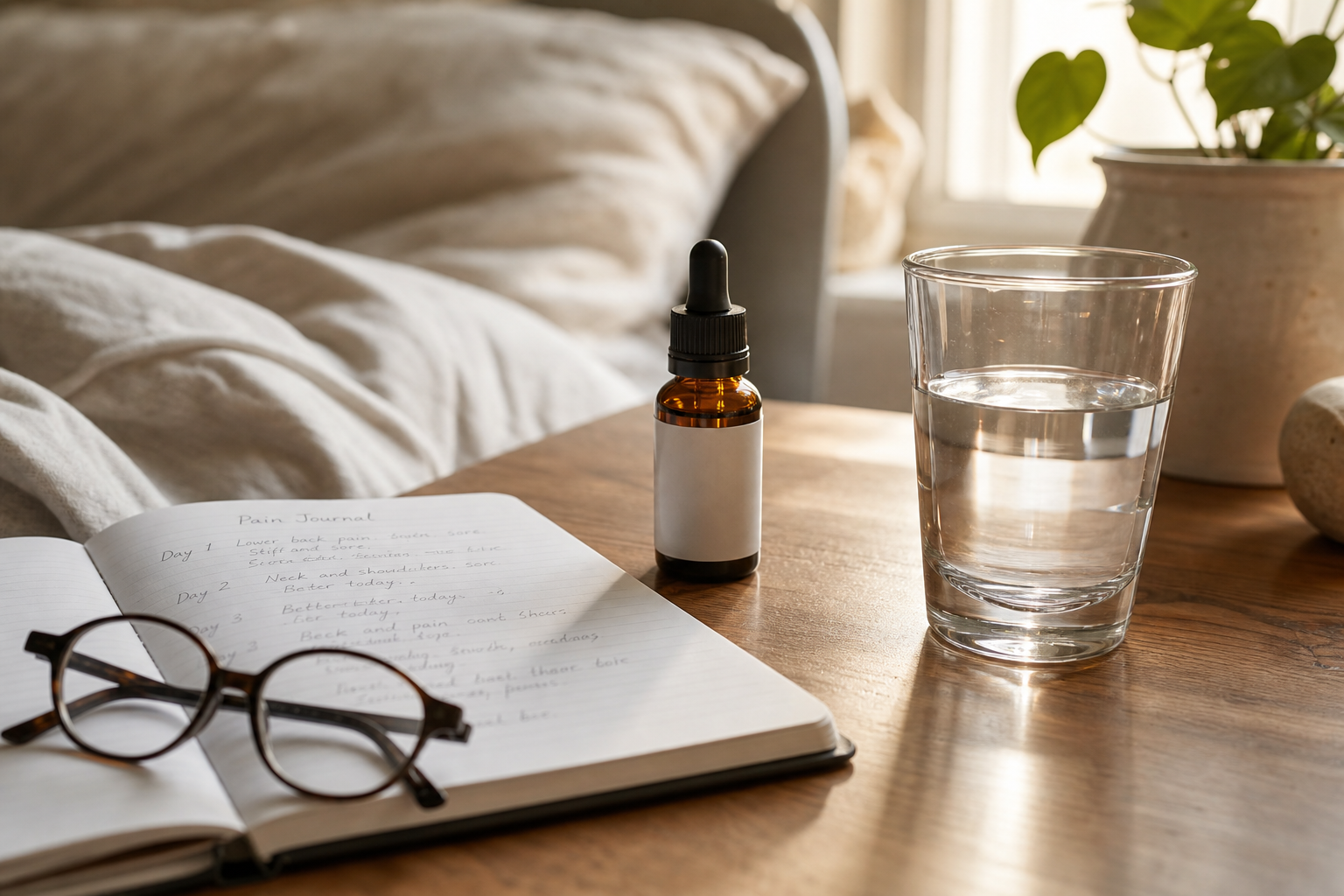
- Track your symptoms: Use a pain journal—morning stiffness, swelling, sleep, and mood all count. If no improvement after a month, reassess.
- Combine with other strategies: Pair CBD with physical therapy, gentle exercise, and proven topicals (like Voltaren Gel) for best results.
- Be patient and realistic: Relief can be subtle, not dramatic. If it helps you get through the day, that’s a win.
And please, keep your expectations in check: CBD is not a cure. It’s a tool—sometimes a very helpful one—especially if other options haven’t worked or aren’t well-tolerated.
Biggest Myths and Red Flags in the CBD World
Look, I know this topic is surrounded by hype and bold promises. Here are a few things other articles gloss over:
- CBD cures arthritis. No, it doesn’t. It may help with symptoms, but it won’t reverse cartilage loss or “heal” your joints.
- All CBD products are the same. Absolutely not. Mislabeled products, contaminants, and underdosing are rampant. Stick to brands with transparency and third-party testing.
- “More is better.” Some people do well on low doses; others need more. High doses can cause drowsiness or interact with meds. Start low—always.
- You’ll feel results instantly. Most folks need 2-4 weeks to notice changes. If a website promises immediate relief, be wary.
My Take: Should You Try CBD Oil for Joint Pain?
I know this is unpopular with the “CBD will change the world!” crowd, but here’s my honest take: CBD oil might help some people with joint pain and inflammation—especially as part of a bigger routine that includes physical therapy, gentle movement, and well-proven topicals or supplements. Is it a miracle cure? No. Is it snake oil? Also no, as long as you pick reputable brands and keep your expectations grounded in reality.
Personally, I’ve seen CBD oil make a difference for some readers and patients—especially those who couldn’t tolerate NSAIDs or just wanted another tool in the toolbox. I like it best for mild-to-moderate pain, sleep disruption, or anxiety that comes from living with chronic discomfort. For severe or rapidly worsening joint pain, talk to your doctor and don’t skip the basics (strengthening exercises, good shoes, joint protection strategies).
If you’re looking for a starting point, combine CBD with classics like Voltaren Gel for spot relief, or joint-support supplements such as Vimerson Health's Glucosamine Chondroitin Turmeric MSM & Boswellia. But always remember—your best pain plan is the one you can stick with and feel good about.
Key Takeaways (Practical and Realistic)
- CBD oil may help some folks with joint pain and inflammation, but results vary widely.
- Choose reputable brands with third-party lab tests and US-grown hemp. No exceptions.
- Track your progress, be realistic, and combine CBD with other proven pain strategies.
- Watch for side effects and always talk to your healthcare provider before starting anything new, especially if you take other meds.
- Relief is possible, but there’s no one-size-fits-all solution—mix and match until you find your best fit.
If you ever want to swap pain stories or have a burning question about a supplement, my inbox is always open. Here’s to a future with less pain (and better sleep).
Linda Hargrove, RN
Registered Nurse & Joint Care Columnist
20 years in orthopedic care | JointReliefReviews.com