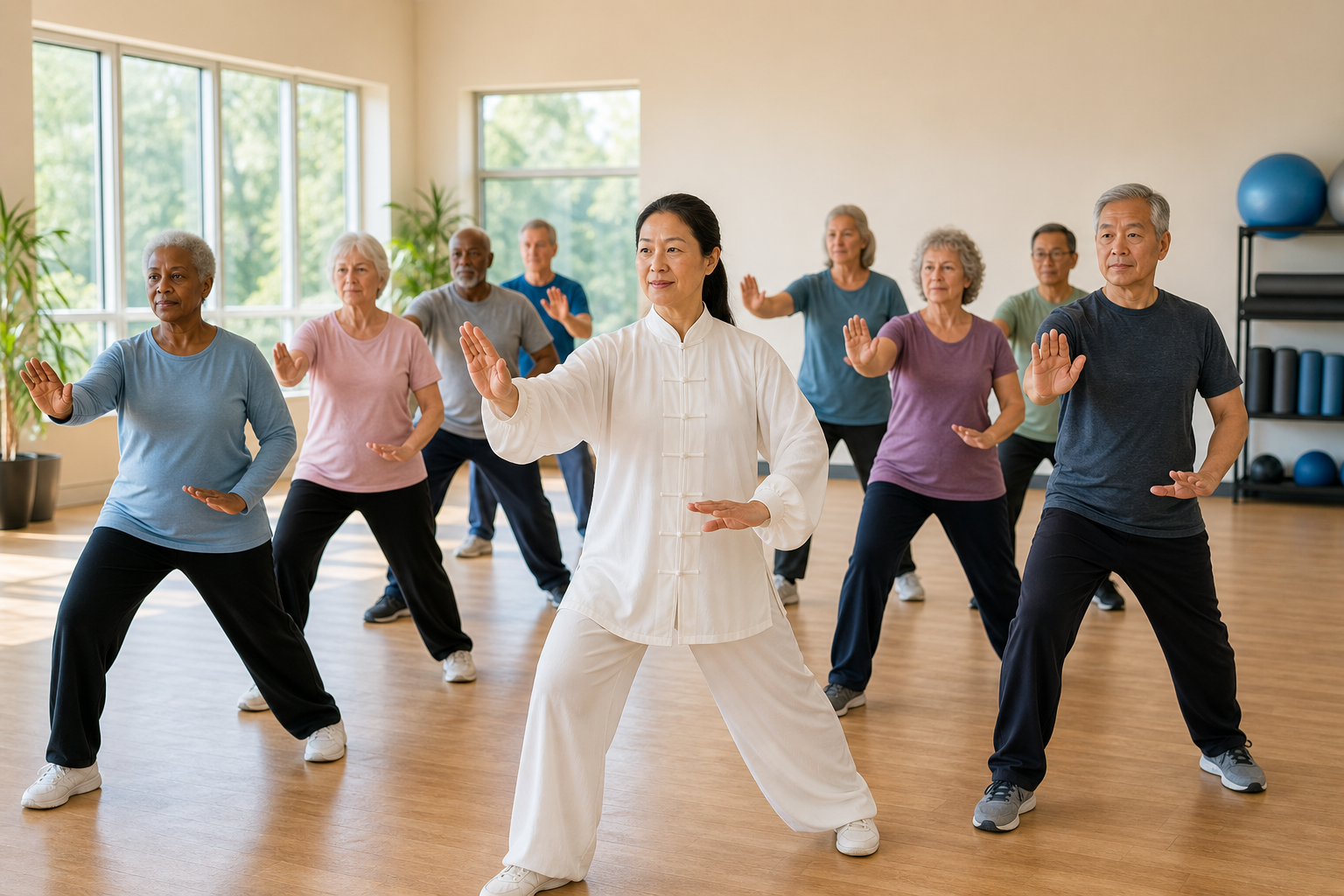
Tai Chi Benefits for Arthritis and Balance: What Decades in Orthopedic Nursing Taught Me
I’ll never forget one of my first patients who tried tai chi for arthritis—Roberta, 72, who’d shuffled into my clinic in Asheville gripping her cane like a lifeline. Three months later, she ditched the cane for good. ‘My knees aren’t perfect, honey,’ she told me, ‘but I feel safer than I have in years.’ That’s not just a feel-good anecdote. The science around tai chi for arthritis and balance is surprisingly robust—and, frankly, underappreciated.
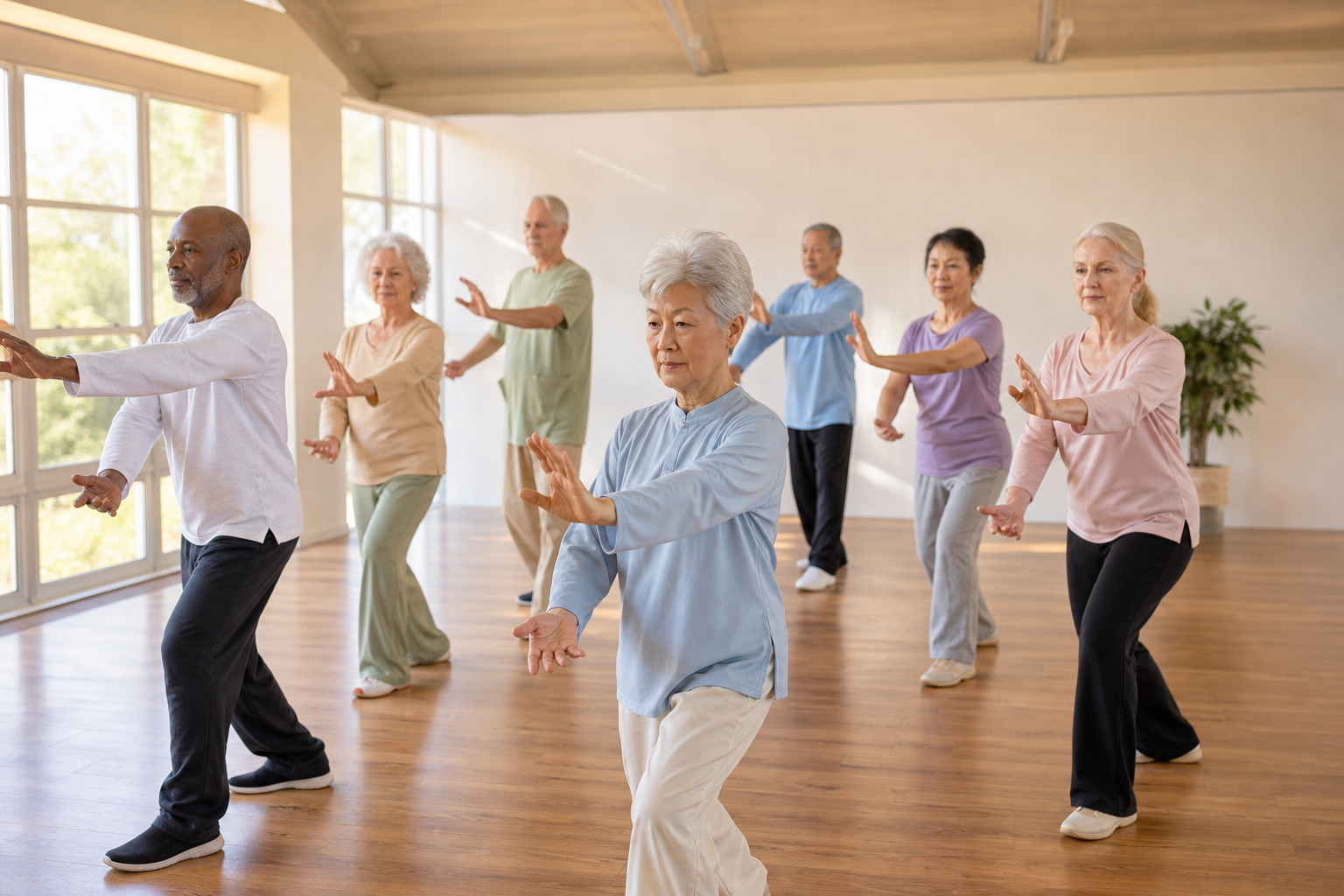
Arthritis Isn’t Just Ache—It’s Anxiety and Imbalance
Look, if you’re reading this, you probably know the grind of living with arthritis. It’s not just joint pain, right? It’s the nagging worry you’ll trip on the stairs, or freeze halfway up because your knee decides to spasm. For many people I treated, the biggest complaint wasn’t pain. It was the loss of confidence. The feeling of ‘I might fall any moment.’
Balance issues show up way before most people get a formal diagnosis. I wish more doctors asked the right questions early—because those subtle stumbles and ‘wobbly’ days are often the first red flags.
And, not gonna lie, arthritis medications and creams help somewhat. But movement—especially the right kind—does things pills can’t. That’s where tai chi comes in.
The Surprising Science Behind Tai Chi for Arthritis
Here’s where it gets interesting: for a gentle activity that looks almost meditative, tai chi packs a serious punch for joint health. If you’re scratching your head, you’re not alone. Most folks assume you need high-impact workouts or pounding the treadmill. Turns out, slow and steady sometimes wins the race.
What does the research say? Well, the evidence isn’t based on wishful thinking. A 2016 randomized trial in the Annals of Internal Medicine—one of the most trusted journals—looked at over 200 patients with knee osteoarthritis. Half did tai chi twice a week; the other half did standard physical therapy. Guess what? Tai chi matched or even outperformed PT for pain relief and improved function at 12 weeks.
That’s not a fluke. Another review in Arthritis & Rheumatology (2019) pooled data from 17 studies: participants with osteoarthritis who practiced tai chi had 30-40% reduction in pain on average, with notable improvements in balance, too.
And then there’s the study I always reference at support groups: in 2012, researchers found tai chi led to a 58% reduction in falls among older adults over a six-month period. Fifty-eight percent! If you’ve had one bad tumble, you know how life-changing that can be.
How Tai Chi Actually Helps: More Than Just ‘Gentle Movement’
I get this question constantly: ‘How can something so slow actually help my joints and balance?’ Here’s what’s really going on under the hood:
- Joint-Friendly Strengthening: Tai chi uses controlled, weight-bearing moves that gently build muscle around the knees, hips, and ankles—exactly where arthritis tends to hit hardest.
- Improved Proprioception: That’s a fancy word for your body’s built-in ‘GPS’—knowing where you are in space. Arthritis can scramble these signals; tai chi retrains them.
- Better Flexibility & Range of Motion: Those flowing motions lubricate synovial joints, which is like oiling up a rusty hinge. (Several studies show increased knee and hip flexibility after 8+ weeks.)
- Calm for the Nerves: Chronic pain triggers the stress response, flooding your body with cortisol. Tai chi’s mind-body focus helps dial this down, which can decrease inflammation long term.
I’ve watched patients go from barely shuffling to making it around the block—just by sticking to a few sessions per week. And no, you don’t have to be thin, flexible, or coordinated to start. I’ve seen folks in their 80s get the hang of it.
What If My Joints Are Really Bad? (And Other Common Fears)
I’ll be honest—most newcomers are nervous. ‘Linda, my knees crackle like popcorn!’ or ‘What if I fall trying tai chi?’ You’re not alone. Here’s what I tell every new participant:
- Start with a Chair: Seated tai chi is a thing. Seriously. You can do almost all the upper-body movements sitting down, and then stand (with support) as you get comfortable.
- Modifications Are Normal: Every good instructor will show you how to adapt moves for sore joints or poor balance. If your teacher doesn’t, find another!
- Progress Is Slow—On Purpose: Tai chi isn’t about breaking a sweat; it’s about consistency. Even 10 minutes, three times a week, starts to rewire your body’s signals.
One reader emailed last month: ‘Is it safe if I have a knee replacement?’ The answer: talk to your doctor first, but nearly all orthopedic surgeons I worked with encouraged tai chi for post-op balance training (usually after your first few months of recovery finish).
Getting Started: What You Actually Need
Here’s the thing: You don’t need fancy gear. Just comfortable clothes you can move in. Some people, especially with moderate-to-severe arthritis, do benefit from joint supports—especially during the first few months when you’re re-building confidence. My favorite knee brace for stability? If you have knee arthritis and want a bit of extra support, the NEENCA Professional Knee Brace has adjustable straps and a patella gel pad that takes pressure off sore joints (and I know several patients who said it helped them stick with their tai chi group without fear).
But honestly? The only must is a willingness to feel a little silly at first. That’s normal. The best sessions I ever attended had people laughing at themselves and each other. Progress, not perfection.
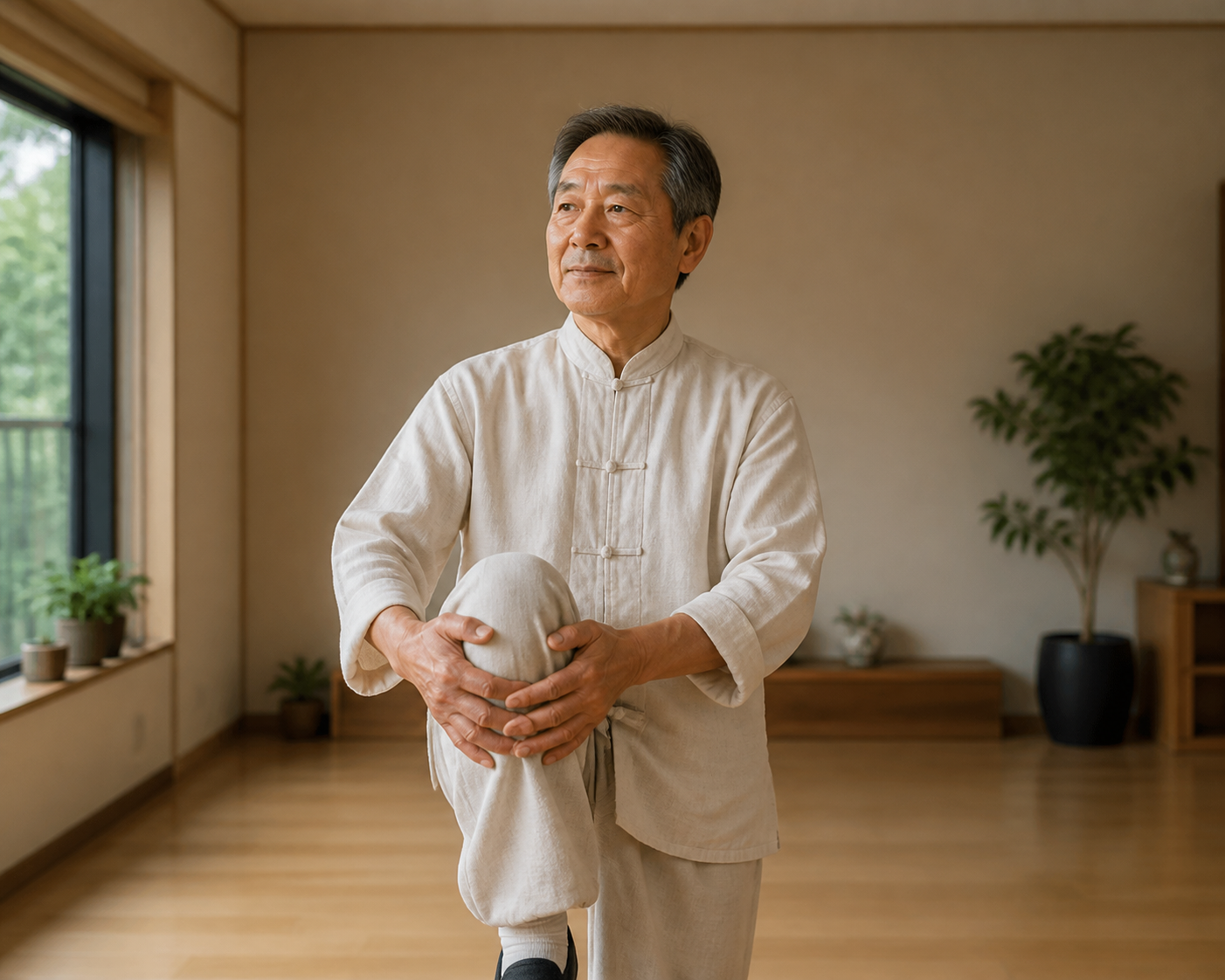
Tai Chi vs. Traditional Exercise: Why It’s Different (and Sometimes Better)
Most advice about arthritis boils down to ‘exercise more!’ But if you’re like many of my readers, that advice can feel almost cruel. Jogging? Jumping jacks? Not gonna happen for most people with joint pain.
Tai chi flips the script entirely. There’s zero jumping, pounding, or sudden twists. Movements flow one into the next, and you’re encouraged to listen to your body every step of the way. It’s this gentle progression that actually helps folks stick with it.
And the mental health pay-off is real. Multiple studies—including a 2018 meta-analysis in BMC Geriatrics—found tai chi lowered depression and anxiety scores among people with chronic pain. The meditative focus keeps your mind out of the ‘pain loop’ (where you’re constantly bracing for the next stab of discomfort) and helps you feel more present, centered, and resilient.
That’s something I wish more clinics would prescribe alongside physical therapy and NSAIDs.
Can Tai Chi Replace Other Arthritis Treatments?
Short answer: not entirely. The best results happen when you build tai chi into a broader self-care routine. I’ve had patients use Voltaren Arthritis Pain Gel (diclofenac sodium, an FDA-approved topical) before a class to get joints moving more comfortably, especially on high-pain days. Others use gentle heat—like the PureRelief XL Heating Pad—for 15 minutes before their session to loosen up stiff knees and hips.
But the real kicker is that tai chi builds the kind of strength and awareness that can reduce your reliance on pain meds over time. A 2020 study in the Journal of Rheumatology showed participants cut their NSAID use by 22% after taking up tai chi twice weekly for three months.
What a Real Tai Chi Session Looks Like (From a Nurse’s POV)
If you’re nodding along but still unsure what to expect, here’s a quick overview:
- Most classes begin with a few minutes of slow, mindful breathing (like a moving meditation).
- Standing or seated, you’ll follow the instructor through a sequence of flowing movements—think slow stepping, gentle arm circles, shifting weight side to side.
- No ‘one and done’—each session reinforces muscle memory, coordination, and confidence.
- Many groups pause for water and checks (“How’s your hip? Too much today?”). Safety comes first.
Many YMCAs, senior centers, and arthritis foundations offer adapted classes for free or low cost. And yes, there are great YouTube instructors—just be choosy. (Look for someone certified and experienced with arthritis or senior populations; two of my favorites: Dr. Paul Lam and David-Dorian Ross.)
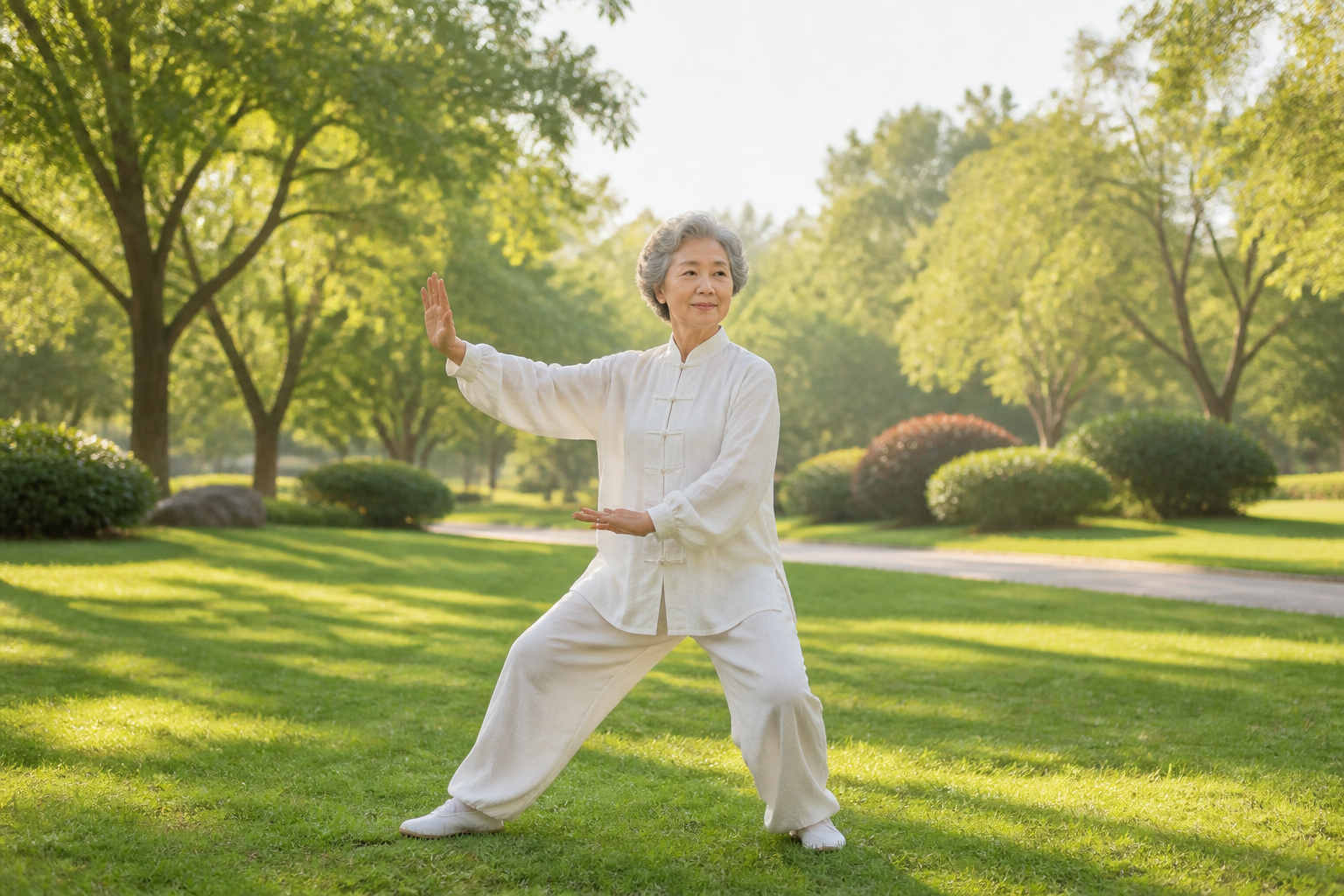
The Catch: Tai Chi Isn’t a Miracle Overnight
This is where most articles oversell. Will you wake up pain-free after one class? Nope. Most studies report the strongest improvements at around 8-12 weeks—so consistency is everything.
And, if you have uncontrolled cardiovascular issues, new dizziness, or severe osteoporosis, always check with your doctor first. I know, I sound like a broken record. But I’ve seen people with undiagnosed arrhythmias get into trouble, so better safe than sorry.
Tips for Making Tai Chi Actually Work for Your Arthritis and Balance
After 20+ years on the orthopedic floor, I’ve picked up a few tricks:
- Buddy System: Bring a friend or family member (even if they don’t have arthritis). You’ll laugh more, stick with it longer, and have someone to steady you if you wobble.
- Track Progress the Right Way: Don’t obsess over pain scores. Instead, notice: Can you walk to the mailbox without grabbing the railing? Can you get out of a chair without using your arms? That’s real progress.
- Honor Bad Days: Some days, all you’ll manage is the breathing. That’s okay. Listen to your body and do what you can.
- Helpful Extras: On tough mornings, topical treatments like Voltaren or 10-15 minutes of moist heat can make movements less daunting. And if fear of falling is your biggest block, consider a reputable knee brace for the first few weeks; nobody’s judging.
Takeaways: Tai Chi Isn’t a ‘Cure’—But It’s a Game-Changer
Here’s my unfiltered opinion: Tai chi is one of the most practical, low-risk, surprisingly enjoyable ways to reclaim confidence and mobility when you’re facing arthritis and balance woes. You won’t win any speed records, but you might just start looking forward to movement again. (And around here, that’s victory enough.)
If you’re still hesitating, remember my former patient Roberta: ‘I’m not a dancer, but tai chi sure made me feel like one.’ Take it one slow step at a time—you might be amazed how far you go.
Have you tried tai chi? Got questions about modifications, classes, or managing pain flare-ups? Drop me a note. After all these years, nothing beats hearing real stories from real readers finding relief.
Linda Hargrove, RN — Health Writer, Orthopedic Nurse (ret.)
JointReliefReviews.com