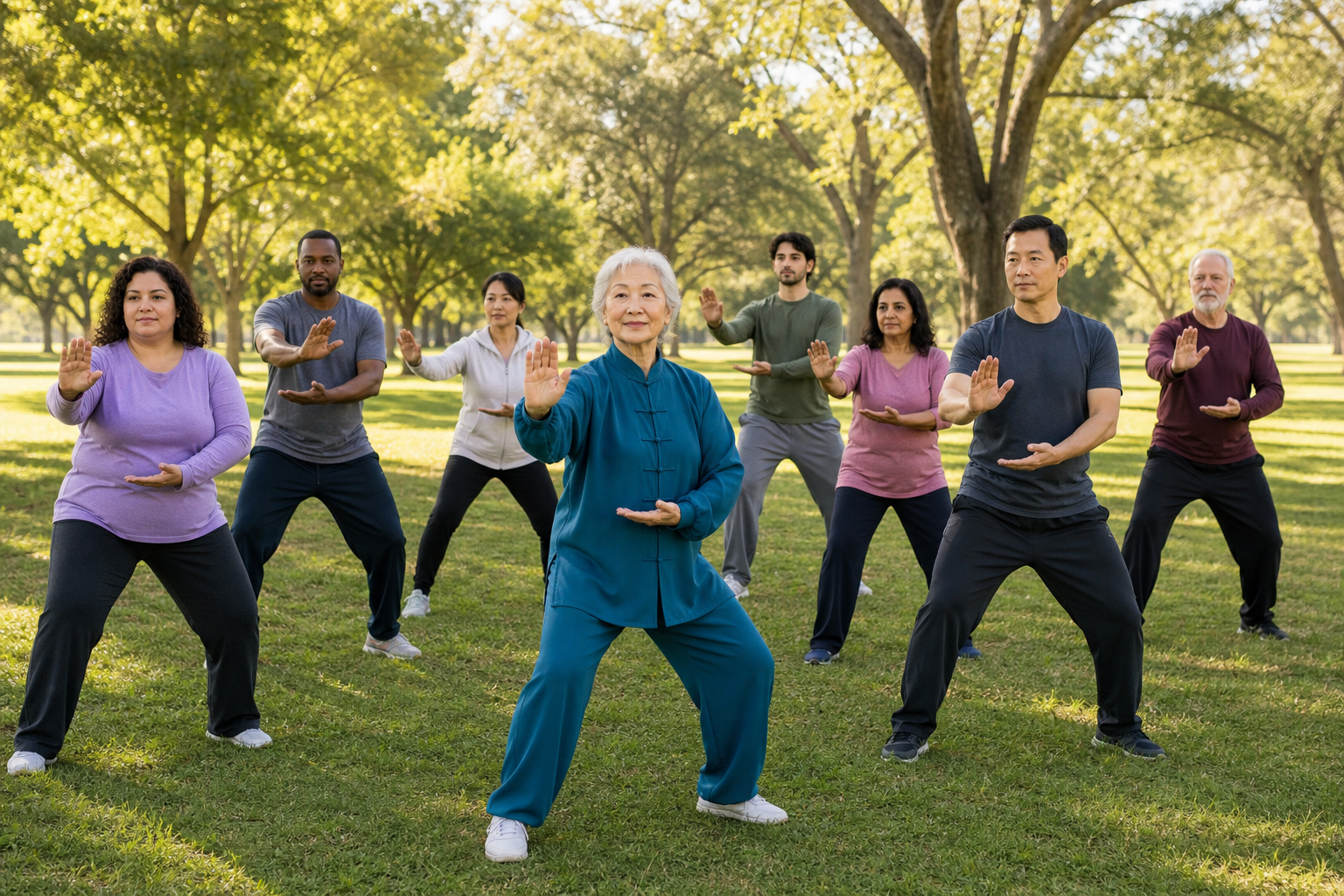
Tai Chi Benefits for Arthritis and Balance: My Honest Take (and What Surprised Me Most)
My first real introduction to Tai Chi didn’t happen in a gym or clinic—it happened at a noisy family barbecue. My mother-in-law, who’d been fighting off knee pain for years, moved with a fluidity that caught my eye. I asked her what had changed. Her answer? “Tai Chi.” That was over a decade ago, and, not gonna lie, I was skeptical. Gentle exercise for real joint pain? Seemed a little too easy. Turns out, I was wrong—spectacularly wrong, actually.
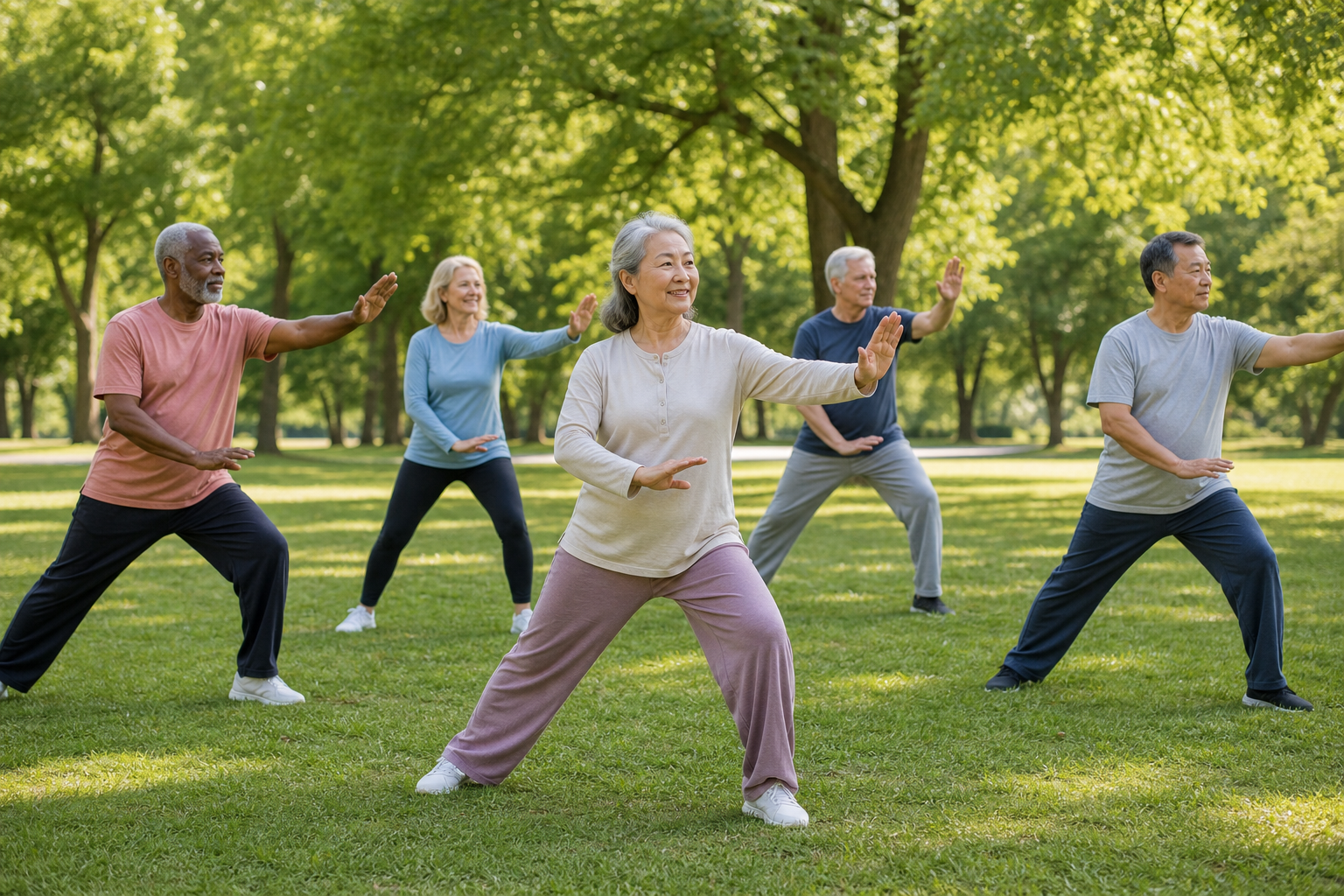
Look, Living With Arthritis Isn’t a Trivial Struggle
If you’re reading this, chances are you know what it’s like to plan your day around a stiff knee or an unpredictable hip. Maybe you grip the handrail a little tighter every time you use the stairs. Or maybe, like one reader emailed me last week, you haven’t stood on one foot without wobbling since the Reagan administration. The daily grind of arthritis and balance issues isn’t dramatic—it’s subtle. Frustrating, sometimes scary, and all too easy for folks to dismiss if they haven’t lived it.
I’ve worked with clients in their 50s, 60s, even 80s who tell me the same thing: the fear of falling, the ache that never really goes away, the slow retreat from activities they used to love. And the kicker? Most of them are desperate for something—anything—that actually moves the needle without making things worse.
The Science Behind Tai Chi—Not Just Pretty Movements
Let’s ditch the mystical fog for a second. Tai Chi dates back centuries, but its real rise in Western medicine started in the 1990s, when researchers began seriously measuring its effects on arthritis, pain, and postural stability. And the results? Actually impressive.
In 2016, the Journal of Rheumatology published a randomized controlled trial (RCT) following 204 older adults with knee osteoarthritis. Half practiced Tai Chi, half did physical therapy twice a week. The result: Tai Chi matched (and, in a few mobility measures, even outperformed) standard PT for pain reduction, function, and mood. That’s wild considering Tai Chi is low-impact, requires no fancy equipment, and can be practiced in your living room.
But here’s where it gets interesting. A 2020 meta-analysis in Arthritis & Rheumatology looked at 14 studies (totaling over 1,600 participants). The upshot was clear: Tai Chi led to statistically significant improvements in pain, stiffness, and physical function in both osteoarthritis and rheumatoid arthritis cases. On top of that, participants reported fewer side effects than with certain medications or aggressive therapies.
So, What’s Actually Happening in the Body?
Here’s the thing: Tai Chi isn’t just slow waving of the arms. It integrates controlled movement, breathwork, and mindful attention. Let me break down why that matters for arthritis and balance:
- Joint Loading: The gentle, weight-shifting moves of Tai Chi are strategic. You activate stabilizing muscles around the knees, hips, and ankles—without the pounding of traditional exercise. Over months, this builds joint support without aggravation.
- Neuromuscular Coordination: Each step, twist, and weight shift in Tai Chi demands subtle balance adjustments and core engagement. It trains your nervous system to react faster and steadier—key for fall prevention.
- Flexibility and Range of Motion: One 2013 study in the BMJ found Tai Chi increased lower-body flexibility by 15-18% in arthritis patients after just 12 weeks. That’s significant when every extra degree of knee bend feels like gold.
- Mood and Pain Perception: The mindfulness element isn’t just fluff. There’s solid evidence that regular Tai Chi can dampen the body’s pain signals and reduce stress—a double bonus for chronic pain sufferers.
Quick side note: If you have severe arthritis, talk to your doctor or physical therapist before starting any new exercise—even Tai Chi. Modified routines are safe for most, but it’s always good to get personalized advice.
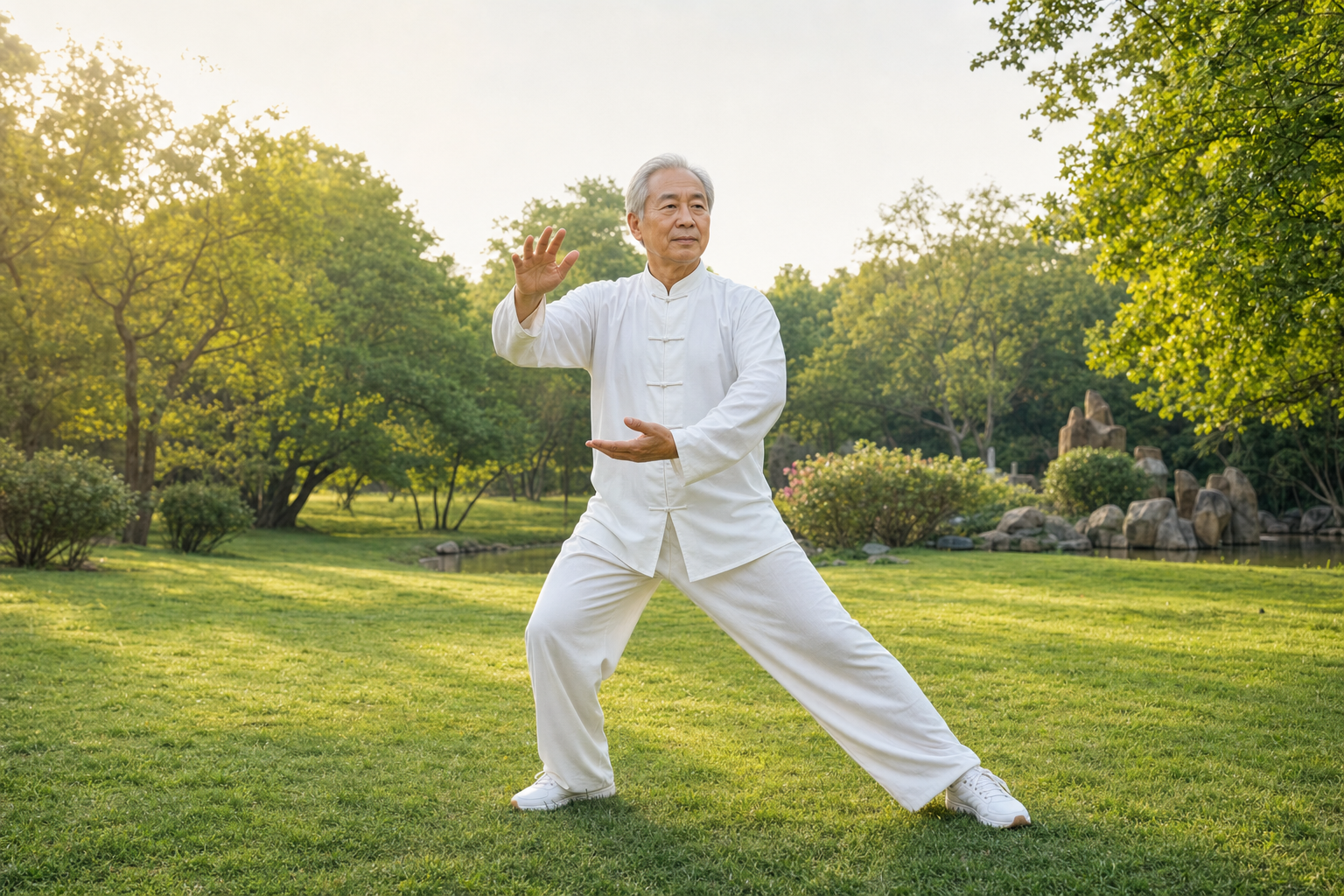
But Does Tai Chi Really Help Balance? Here’s What Surprised Me
I’ll be honest—balance is where I was most skeptical. I’d spent years drilling strength and proprioception drills with clients, often with minor results. Then I watched a group of Tai Chi regulars at my clinic—folks with arthritis, neuropathy, even mild Parkinson’s—transition from shuffling to stable, confident steps. It was gradual, but unmistakable.
The research is clear: A 2012 review in Physical Therapy found Tai Chi cut fall risk by up to 35% in older adults with impaired balance. For context, that’s on par with (or better than) several standard balance-training programs. Why? Because the slow, shifting weight, and one-legged stances force your body to train balance reflexes in real time—but without high risk of falling.
And this isn’t just theory. My own clients report: “I trust my legs more.” “I don’t panic when I trip.” That’s huge, because confidence itself is a major predictor of fall avoidance. If you fear falling, you move less—and your muscles atrophy, which feeds the cycle.
How Quickly Can You See Benefits?
Let’s not sugarcoat this: Tai Chi is not a miracle cure. But real improvement—less pain, better steadiness, easier stairs—often shows up within 6 to 12 weeks of twice-weekly practice. Some studies push for three times per week, but even two is a strong start. The key is consistency, not intensity. I’ve seen folks in their 70s take their first unassisted walk across a room after a few months of regular Tai Chi.
How to Get Started (and Actually Stick With It)
Here’s the real challenge: It’s easy to get excited about a new approach in theory, but life always intervenes. Work, grandkids, a knee that aches just looking at the weather report. Here’s what I recommend (and what helped my own mother-in-law stick with it):
- Find a Beginner-Friendly Program: Skip the YouTube black hole. Look for arthritis-adapted routines. The Treat Your Own Knees book by Jim Johnson includes simple, research-backed exercises that complement Tai Chi—especially if knee pain limits your movement at first.
- Start with 10–20 Minutes, Twice a Week: You don’t need an hour. Ten minutes of focused movement, repeated regularly, is far better than a weekend binge. I tell my clients: attach it to another daily habit (after morning coffee, before TV at night).
- Consider a Supportive Knee Brace If You’re Nervous: Confidence goes a long way. Some of my more hesitant clients found that an NEENCA Professional Knee Brace gave them just enough support to relax and focus on movement—not pain. Not mandatory (and not a miracle), but sometimes that extra stability is what makes a new activity feel doable.
- Join a Group (or Recruit a Friend): Accountability matters. In-person classes are great, but even a virtual class or a walking buddy makes it easier to show up.
- Track Small Wins: Can you stand on one leg for a few more seconds? Get up from a chair with less push-off? Celebrate the little stuff. The big changes sneak up on you.
What About Medication and Other Tools?
Now, I’m not anti-medication—in fact, topical NSAIDs like Voltaren Arthritis Pain Gel can make it easier to start moving by taking the edge off joint pain, especially during those first awkward sessions. But here’s my rule: movement first, medication as an enhancer, not a replacement. No pill or gel will replace what actually training your body does for balance and long-term function.
A lot of folks ask about yoga, water aerobics, Pilates. I like them all, but Tai Chi has a unique edge for arthritis: it’s adapted so often for limited mobility, and it’s truly zero-impact. No mats, no special shoes, no need to get on the floor. That’s why it works for so many people who’ve given up on other options.

Here’s Where The Research Still Leaves Us Guessing
I won’t pretend Tai Chi is perfect—or that it works instantly for everyone. There are a few honest limitations:
- Severe Joint Deformity or Instability: If you have major joint instability (say, late-stage knee OA), some moves may need modification. Professional guidance is key here.
- Consistency Is Everything: Tai Chi isn’t a “quick fix.” If you drop off after two weeks, don’t expect long-term results. The benefits build gradually, like compound interest.
- Instructor Quality Matters: Look, there are instructors who treat Tai Chi like interpretive dance. Others understand biomechanics and arthritis adaptation. Find the latter. It makes all the difference.
And, not gonna lie, there are still gaps in the research. Most studies last 12–26 weeks, so we know Tai Chi’s benefits hold up for months—but the long-term story (years down the line) still needs more data. But having seen my own clients stick with Tai Chi for years—and keep moving pain-free—I’m optimistic.
What If You’re Still Unsure?
If you’re nodding along but still worried about pain, or think you’ll never be “that coordinated,” let me say this: nearly everyone starts slow, a little awkward, and a lot unsure. What separates those who improve? They stick with it—even when it feels clumsy. They find modifications. They reach out for support.
You might not float across the living room like someone in a Tai Chi documentary. But if you can stand up easier, worry less about falling, and enjoy the garden or the grandkids a little more? That’s the real win. And that’s where Tai Chi shines—quietly, consistently, with no negative side effects.
Final Thoughts—and a Personal Challenge
I’ve reviewed dozens of exercise regimens for arthritis and balance. Most require equipment, painful exertion, or a schedule that’s just not realistic. Tai Chi, in my experience, is different. It meets you where you are. It’s social, meditative, and (the research says) effective—not just for joints, but for your confidence and independence.
If you’re even a little curious, try one session. Or try a home routine with the Treat Your Own Knees guide alongside simple Tai Chi movements. Use a NEENCA Knee Brace for support if you want it, or a little Voltaren to take the edge off. Small steps. See how your body feels. And email me if you have questions—really, I read them all.
Here’s to moving with less pain, more stability, and maybe even a little grace.
James Chen, MS, CSCS
Writer, Exercise Scientist, JointReliefReviews.com