
Why My Patients (And, Honestly, Me) Swear by Hip Stretches
I still remember the look on my mother-in-law’s face after her second night of hip pain. She’d tried mashing her fist into her side, doing high kicks in the bathroom (which, frankly, was dangerous after a glass of wine), and even sleeping with a heating pad all night. Nothing. She was limping like a duck. When she finally agreed to try the “ridiculous” stretches I showed her—well, let’s just say I got a very grateful text the next morning.
If you’ve ever hobbled out of bed, wincing with each step, you’re not alone. Nearly 10% of adults over 45 have experienced chronic hip discomfort, according to the Journal of Rheumatology (2019). Hip pain is stubborn, sneaky, and can drain the fun from simple things—like a stroll at sunset or climbing the stairs without groaning. I get it. Years working in ortho clinics taught me that quick fixes rarely last. But I’ve also seen the right stretches work genuine, lasting relief (when done safely and consistently).
Why Are Hips So Prone to Stiffness and Pain?
Here’s the thing: the hip joint is one of those marvels of evolution—strong, stable, and capable of wild moves (hello, disco era). But it’s also a major crossroads for nerves, muscle groups, and connective tissue. Mix in hours of sitting, some extra pounds, maybe a past injury, and—bam—your hips can seize up or ache without warning.
I’ve seen this story play out a hundred times. People ignore early tightness, shrug off a little morning stiffness, and “power through” until the pain gets sharp or radiates down the leg. Sometimes it starts after a new workout (think: aggressive lunges), or, for others, from simply spending too much time at a desk. The real kicker? Hip pain almost always involves more than just the joint itself. Tight glutes, shortened hip flexors, cranky piriformis muscles—they’re all connected.
And while popping an anti-inflammatory might help, it’s usually just a band-aid. If you want relief that sticks, you have to get those muscles moving, lengthening, and firing the way they’re supposed to.
What Actually Works: Stretches That Target the Root Issues
I’ll be honest—when someone says “just stretch more,” I want to roll my eyes. Not all stretches are created equal, and there’s a lot of bad advice out there. (I’ve even seen recommendations that could make things worse if you have certain conditions—so talk to your doctor before starting anything new, especially if your pain is severe or you have a history of hip replacement.)
After 20 years in orthopedics, I’ve narrowed it down to a handful of stretches that consistently help my patients (and myself) loosen up and move more freely. Here are my tried-and-true favorites, plus a few key details most articles skip:
- Figure-4 Stretch: This one is a game-changer for tight piriformis muscles. Lie on your back, bend both knees, and cross one ankle over the opposite thigh. Gently pull the lower leg toward your chest. (If you feel numbness or tingling, back off.) Hold 20-30 seconds, 2-3 times each side.
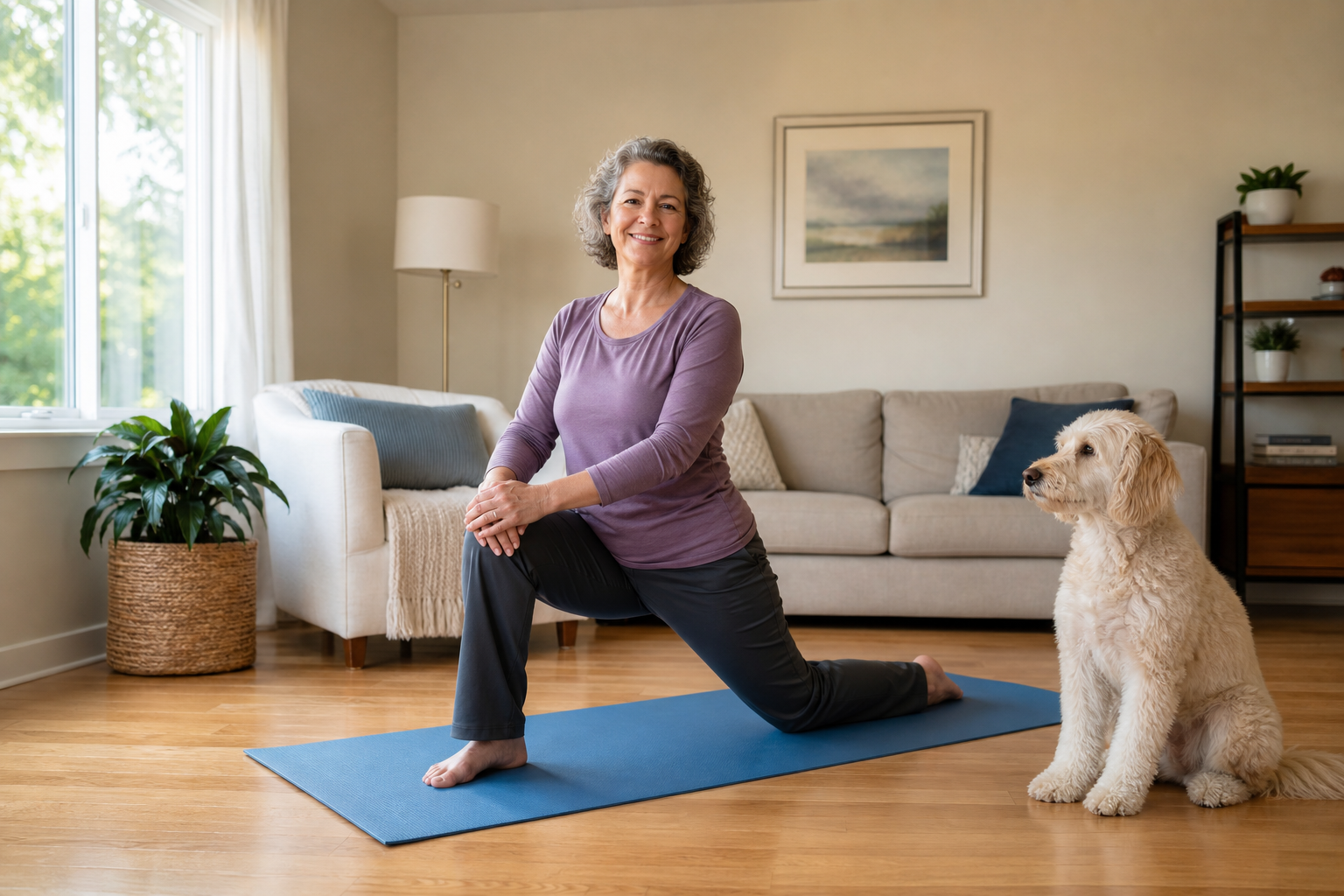
- Kneeling Hip Flexor Stretch: If you sit a lot, your hip flexors are probably tight as guitar strings. Kneel on one knee, other foot flat in front, and gently tuck your pelvis under as you shift forward. You should feel a stretch in the front of the hip. Hold 20-40 seconds, 2-3 times per side. Don’t arch your back—I see this mistake all the time.
- Seated Spinal Twist: Great for folks with mild hip arthritis or just feeling “locked up.” Sit on the floor, legs extended. Cross one leg over the other, then twist gently toward the bent knee. This gets deep into the hip and low back—don’t force it.
- Child’s Pose with Hip Opener: Start in child’s pose (knees wide, toes together, arms stretched forward). Then gently walk your hands to each side, feeling a stretch along your outer hip and low back. This one is especially good before bed.
- Standing Quad/Hip Stretch: Stand safely near a wall, grab your ankle behind you, and gently pull your foot toward your buttock, keeping knees close. It hits the front of the hip and thigh—essential for balancing muscle tension around the joint.
Look, you don’t have to do all these every day. Pick two or three you can stick with. The real secret? Consistency. A 2018 review in Arthritis & Rheumatology found that regular stretching (at least 3x/week) improved pain scores in hip osteoarthritis by an average of 30%—and that’s comparable to some oral meds, but with fewer side effects.
What About Strength?
This is where most people miss the boat. Stretching helps, but if you don’t strengthen your glutes, core, and deep hip rotators, the relief won’t last. I usually recommend starting with bodyweight exercises—bridges, clamshells, gentle side-lying leg lifts. (By the way, Treat Your Own Knees by Jim Johnson has a fantastic section on hip stability for under $12. I have a dog-eared copy in my personal collection.)
Balance is everything. Overstretching without building strength can make joints feel more wobbly, not less.

Digging Into the Science—Why These Stretches Actually Help
Here’s where it gets interesting. The hip joint is a ball-and-socket setup, cushioned by cartilage and stabilized by several thick ligaments and powerful muscles. When one group gets tight (say, the hip flexors from desk work), it pulls the joint out of its ideal alignment. That means more friction, more pressure, and eventually more pain. But targeted stretching can restore the muscle length and joint mechanics, reducing pain and improving how you move.
A 2021 meta-analysis in the BMJ Open Sport & Exercise Medicine found that participants using a mix of hip flexor and piriformis stretches had significantly less pain and better function after just six weeks—especially when combined with gentle aerobic activity. The takeaway? Mobility work isn’t just a bonus; it’s foundational.
But let’s be realistic: if your hip is flared up and tender, even gentle stretching can feel like torture at first. That’s when I break out my soft-spot: warm heat. I’ve been a fan of the Pure Enrichment PureRelief XL Heating Pad. The extra-large size drapes perfectly over the hip and lower back, and the moist heat option is a godsend for stubborn tension or spasms. Just 15-20 minutes before you stretch can make a world of difference—I’ve seen even the most stubbornly tight hips respond better after a little pre-stretch warming.
How Long Until I See Results?
No sugar-coating: this takes some time. Most of my patients start noticing genuine improvement after 2-3 weeks of regular stretching. That means doing your routine at least every other day, not just when you “feel like it.” If you keep at it, eight weeks is where you’ll often see the biggest leap in mobility and reduction in pain scores. (A reader recently emailed me—they could finally tie their shoes without groaning. For some, that's progress worth celebrating.)
The hardest part? Getting (and staying) motivated. My trick: tie stretching to something you already do, like watching the evening news or brewing your morning coffee.
Other Must-Know Hip Pain Game-Changers
You know I’m not shy about sharing what works—even if it’s not “mainstream.” Here are a few things I’ve found make a real difference, especially if you’re still struggling with stubborn hip pain:
- Compression Wraps or Sleeves: For folks with mild swelling or instability, a simple wrap can provide gentle support and confidence. There are hip-specific braces, but honestly, most people get more mileage from a quality knee or thigh sleeve for light support.
- Topical Pain Gels: I’ll get pushback for this, but topical NSAIDs like Voltaren Arthritis Pain Gel have pretty solid evidence for relieving surface-level joint pain. The active ingredient, diclofenac sodium, was shown in a 2022 Arthritis Care & Research trial to be as effective as oral ibuprofen—with fewer stomach issues. Just don’t use it over broken skin, and ask your doctor if you’re on blood thinners or have other contraindications.
- Mind Your Posture: This is the classic “nobody wants to hear it” advice, but slumping or sitting with your hips rotated for hours will absolutely sabotage your stretches. Try to keep your feet flat and knees at hip level when seated. Adjust your workstation if possible.
- Daily Walking: Even short, easy walks (5–10 minutes) help lubricate the joint and keep pain down. Studies back this up—movement nourishes cartilage by pumping synovial fluid in and out.
- Supplements? Maybe: Glucosamine, chondroitin, turmeric, MSM—these are always up for debate. Some patients swear by them, others notice little. The most credible research (like the 2016 GAIT trial) showed modest benefits for some, but these aren’t miracle pills. If you’re curious, look for multi-ingredient blends and give it at least two months for a fair trial.
And please—don’t ignore worsening symptoms. If your hip pain is sharp, associated with fever, or you suddenly can’t bear weight, get checked out. There are conditions (infection, fracture, severe arthritis) you simply can’t stretch away.

Common Mistakes That Can Make Hip Pain Worse
I’ve seen them all. Here’s what to watch for:
- Forcing a stretch or bouncing—this just invites a muscle strain.
- Ignoring sharp or shooting pain (versus gentle stretch discomfort).
- Holding your breath—try to breathe slowly and deeply.
- Neglecting the other side. Keep your body balanced.
- Trying to “out-stretch” severe arthritis or a torn labrum. No stretch can fix major joint damage—know your limits.
Most articles will gloss over this, but it’s crucial: Proper form is everything. I’d rather see someone stretch half as far with great posture than crank their leg into a pretzel and irritate the joint. (I once had a patient who thought “more pain, more gain” applied to stretching. Spoiler alert: it doesn’t.)
Real-World Routine: How I Coach Hip Relief at Home
If you want to build a hip routine that actually fits into your real life, keep it simple. Here’s a sample sequence I give friends and family:
- Warm up: 5-10 minutes walking or gentle cycling
- Apply heat (optional): 15 minutes with a PureRelief XL Heating Pad
- Do 2-3 of the stretches above, hold each 30 seconds
- Finish with gentle hip bridges or side-lying clamshells (8-12 reps, 1-2 sets)
- Daily walking—even if it’s just around your living room
Track how you feel each week. If you find a stretch makes pain worse or causes numbness, stop and check with a professional. And don’t be afraid to switch up your routine—I’m always tinkering with my own, depending on how my hips are feeling that day.
Final Takeaways: Small Steps Lead to Big Changes
Hip joint pain can feel unbeatable, but small, daily stretches—plus some smart, simple tools—can make a real difference. The biggest lesson I’ve learned (and taught) over two decades? You don’t need a miracle to feel better. You just need moves that work, tools you trust, and a little bit of grit.
Whether you’re easing back into movement or looking to prevent future flare-ups, these stretches are my best shot at real relief. And if you find a routine that gets you back to gardening, chasing grandkids, or dancing in the kitchen—well, send me a note. Those are my favorite success stories.
Take care—and remember, hip pain may be common, but suffering through it doesn’t have to be.
Linda Hargrove, RN
Registered Nurse, 20 years in orthopedic care, health writer, and lover of all things joint relief.
For more research-backed joint solutions, visit JointReliefReviews.com.