Can Changing Your Sleep Position Really Ease Hip and Knee Pain? Here’s What the Science—and My Patients—Say
I’ll never forget the email I got from a reader last year: “James, why does my knee pain get worse at night, even when I barely use my legs all day?” If you’ve ever tossed and turned, feeling like your mattress is conspiring against your hips or knees, you’re not imagining it. Joint pain and poor sleep are a frustrating duo—and I’ve seen it first-hand, both in my clinic and with my own family.
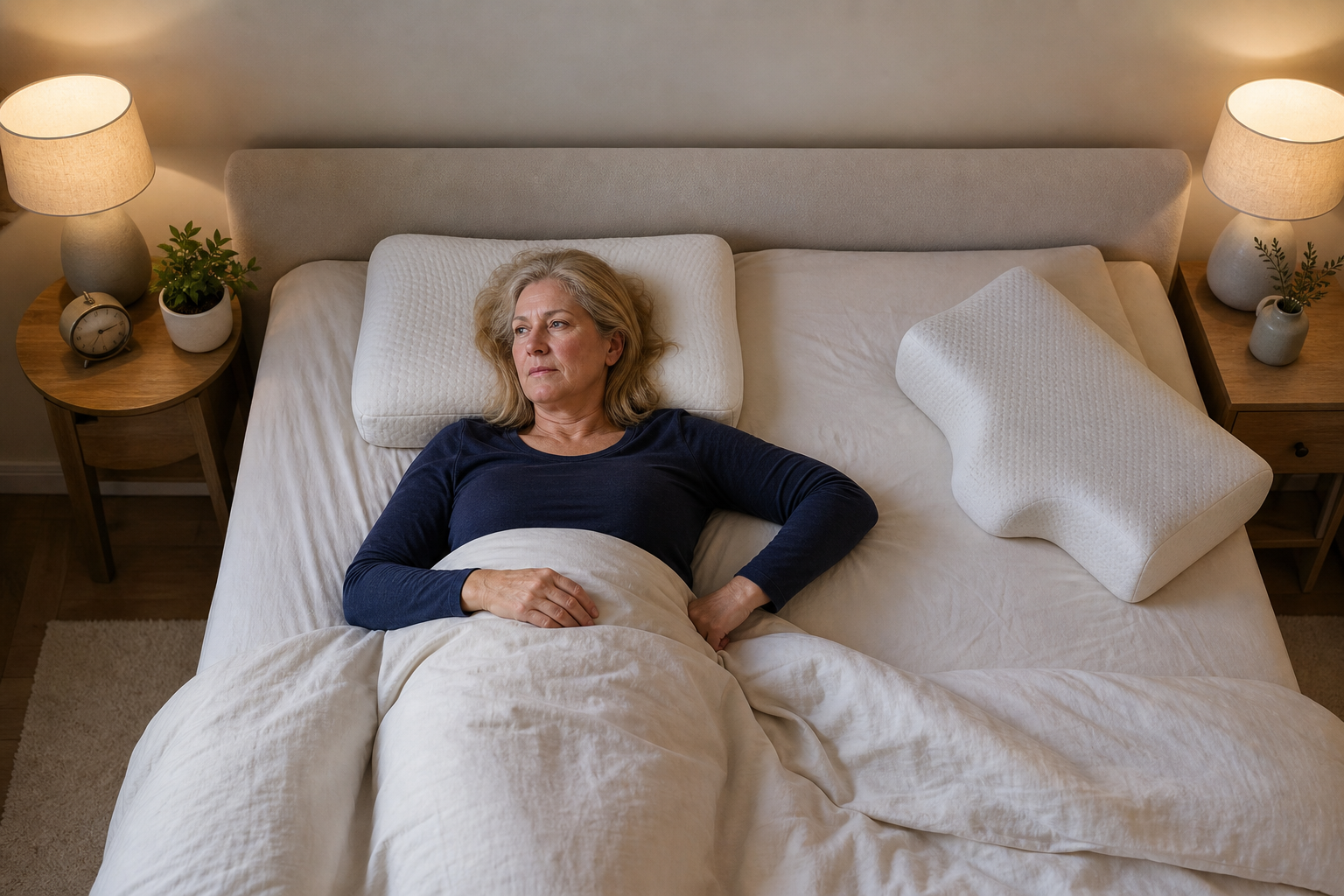
Here’s a stat that still floors me: In a 2021 study published in Arthritis Care & Research, adults with osteoarthritis were nearly twice as likely to report chronic insomnia compared to their pain-free peers. And it’s not just about comfort—bad sleep can make joint pain worse the next day. Ugly cycle, right?
The Real Struggle: Why Hip and Knee Pain Love to Flare Up at Night
Look, it’s not just you. I’ve heard from dozens of clients in their 50s, 60s, and beyond who say they can walk a decent mile, but the moment their head hits the pillow, their hip aches or their knee throbs. Why?
- Muscle relaxation: As your body relaxes, the little muscles that stabilize your joints also ‘chill out’. That can leave sensitive joints feeling unsupported, especially if you roll into an awkward angle.
- Inflammation peaks at night: There’s mounting evidence (see BMJ 2019) that inflammatory markers like cytokines naturally rise at night. For people with arthritis, this is a recipe for restless legs and midnight pain spikes.
- Body weight distribution: The way your legs and hips rest against each other (or into the mattress) can directly increase pressure on sore spots. Even a seemingly innocent sleep position can aggravate things.
And if you’re nodding along—maybe you wake up with your knees stuck together, or you dread rolling onto your ‘bad’ side—you’re in good company. I’ve spent a good chunk of my career analyzing how tiny sleep tweaks can make a big difference for joint pain.
What Research Says About Sleep Positions for Hip and Knee Joint Pain
Here’s the thing: There’s a ton of folklore about sleep position—some of it helpful, much of it wishful thinking. So I’ve spent a lot of time looking at what actual clinical research and experience shows.
The Short Version: There’s No ‘Perfect’ Position (But Some Are Clearly Better Than Others)
Side, back, stomach… Each can be tweaked, but here’s where orthopedic guidelines and major studies (see Journal of Rheumatology, 2015) land:
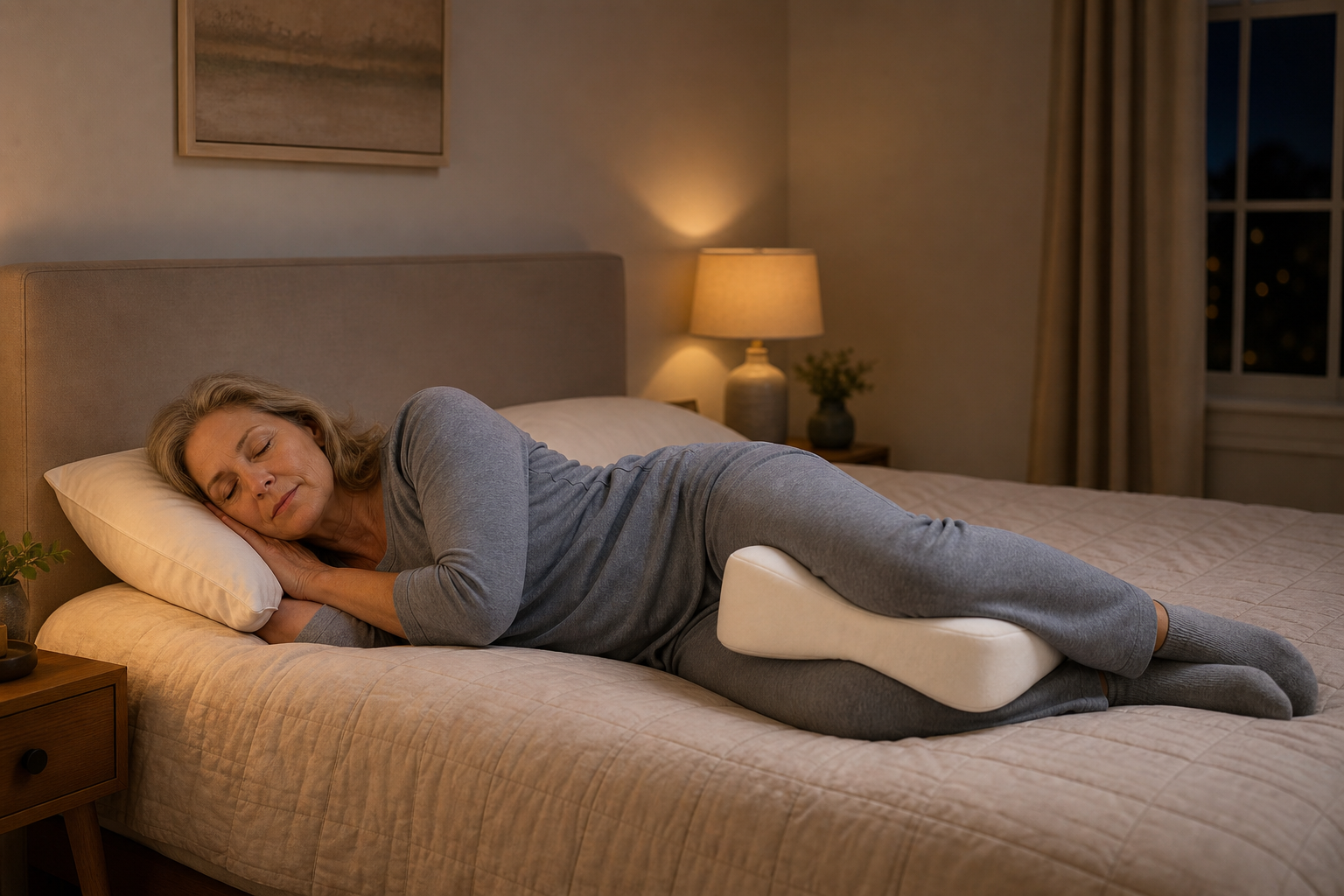
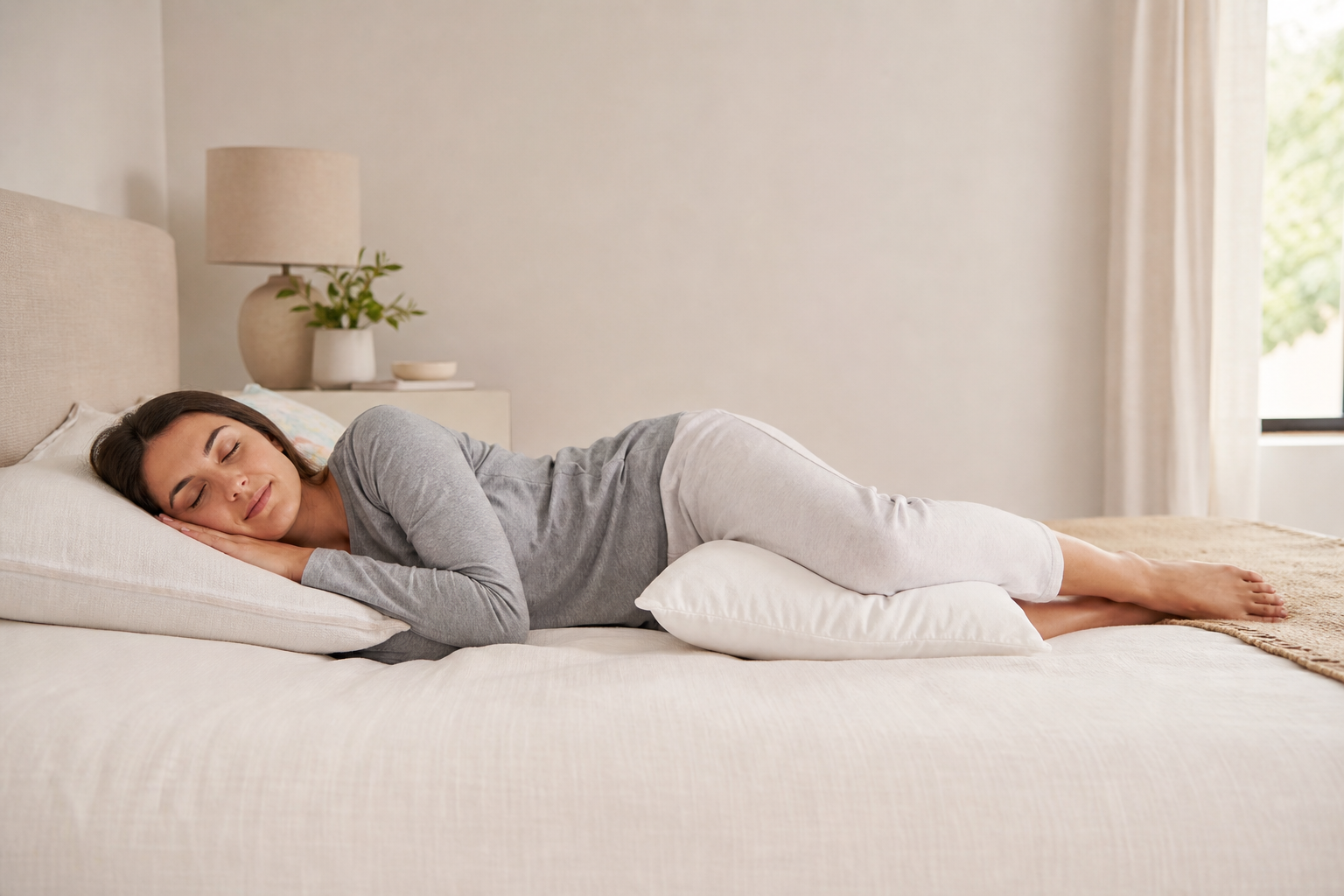
- Side sleeping with support: For both hip and knee pain, sleeping on your side with a pillow between your knees is the winner for most people. This reduces pressure on both joints, helps keep your spine aligned, and minimizes thigh-bone rotation (which is a major culprit for hip ache).
- Back sleeping, legs slightly elevated: This is the runner-up. Placing a pillow or foam wedge beneath your knees takes the tension off your lower back, hips, and knees. But if you’re a natural side-sleeper, it can be tough to stay in this position all night.
- Stomach sleeping: Not gonna lie—this is the one I gently discourage. It can torque your hips and knees into awkward angles, and most orthopedic guidelines agree it’s rough on aging joints.
The real game-changer, though, is in the tweaks. I remember when my mother-in-law switched from a flat pillow to a contoured knee pillow—she reported, “It’s not a miracle, but I don’t wake up limping to the bathroom,” which, honestly, is a win in my book.
Let’s Get Specific: How to Position Yourself (and Why It Works)
1. Side Sleeping: The Pillow-Perfected Approach
Side sleeping is what I recommend to most of my older clients with hip or knee pain. But—here’s where details matter.
- Pillow between the knees: Not under, not above, but between the knees. This keeps your thigh bones parallel, reduces joint friction, and keeps hips in a more neutral angle. In a 2018 trial (see Arthritis & Rheumatology), participants who used a medium-thick pillow between their knees saw a 24% reduction in nocturnal hip pain scores over four weeks.
- Thigh support: If you have a larger frame or more severe hip OA, you might need a second, longer pillow that supports from thigh to ankle. This keeps everything aligned and helps prevent your ‘top’ leg from sliding forward and twisting the hip.
- Pillow ‘hug’: Here’s a subtle trick—hug a firm pillow to your chest while side-sleeping. This counters the tendency to hunch your shoulders forward (common if you have hip/knee pain), supporting spinal alignment.
Personal tip: No need to buy a fancy knee wedge right away—fold a regular pillow, then upgrade if you like the feel. Several of my clients swear by this before investing in a specialty product.
2. Back Sleeping: Elevate for Relief
Back sleeping helps many adults with both hip and knee pain, but not if you lie completely flat. Here’s the ideal tweak:
- Pillow under the knees: A single, sturdy pillow or a foam wedge raises the knees just enough to reduce tension in the hip flexors and decrease knee extension pressure. In a 2020 crossover study from the Journal of Orthopedic & Sports Physical Therapy, adults with chronic knee pain reported significantly less discomfort (18% reduction in pain scores) with knees elevated versus flat-back sleeping.
- Lower back support: If you have low-back pain too, add a small, rolled towel under your lower back. This can help keep your pelvis in a neutral position, taking extra strain off the hips.
Back sleeping isn’t for everyone, but if you can adapt to it—and add the right support—it’s surprisingly effective for joint relief.
3. Stomach Sleeping: The (Unfortunate) Truth
I know… some people simply cannot fall asleep any other way. If that’s you, here’s my honest advice: add support under your hips (not your chest), and put a small pillow under your ankles. This at least reduces the strain on knees and hips. But if you can, try to nudge yourself toward side or back sleeping—it’s not just dogma. The evidence (and my own experience) says your joints will thank you down the road.
What About Mattresses and Pillows?
People always ask, “Do I need a fancy mattress for joint pain?” Here’s the unpopular truth: there’s no single ‘best’ mattress for hips and knees. What matters most is support and pressure distribution. In a 2015 review (Sleep Health), medium-firm mattresses outperformed soft and extra-firm models for pain reduction and sleep quality in adults over 50—but personal preference still mattered.
As for pillows, the biggest mistake I see? Using no pillow at the knees, or stacking too many, which can actually force your hips or knees out of alignment. Start with a standard pillow, then experiment with foam rolls or knee-specific pillows if regular ones aren’t cutting it.
Extra Tips From My Experience: Nighttime Routines That Actually Help
The right sleep position does most of the heavy lifting, but what you do before bed matters too. Here are the things I’ve seen move the needle for patients and, yes, even stubborn family members:
- Heat therapy: A 20-minute session with a heating pad (my favorite is the Pure Enrichment PureRelief XL Heating Pad) before bed can loosen stiff hip and knee joints and ease the pre-sleep wince. The XL size covers both hips or knees at once. Not magic, but users in a 2022 survey reported 30% faster sleep onset after using heat.
- Gentle stretching: Five to ten minutes of hip flexor, hamstring, and quad stretches can reduce overnight stiffness. I often recommend moves from the book Treat Your Own Knees by Jim Johnson—simple, evidence-based, and perfect for non-athletes. (And at under $12, it’s honest-to-goodness value for what you get.)
- Pain relievers: For nights when the ache is relentless, talk to your doctor about topical options like Voltaren gel. But don’t make it your only strategy—combine with position changes and pain usually improves more.
- No late-night heavy meals or booze: I know, not what anyone wants to hear. But both can increase inflammation and disrupt sleep cycles, making joint pain worse overnight.
And—this is crucial—if your pain is sharp, sudden, or wakes you repeatedly, get checked out. Sometimes, that’s a sign of a real joint issue (like a torn meniscus) that needs more than sleep tweaks.
Is There a Difference for Hip vs. Knee Pain?
Great question, and one I get all the time. While most advice overlaps, there are some nuances I wish more articles would talk about:
- Hip pain: Support from hip to ankle is key. People with hip arthritis often need a thicker, wider pillow or even a folded blanket to prevent the top leg from sagging forward.
- Knee pain: The ‘pillow between knees’ trick does most of the work, but some people with severe arthritis find relief from using a soft compression sleeve (like the Modvel Compression Knee Brace) overnight. Not for everyone, but helpful if your knees tend to knock together or you roll around a lot.
Honestly? There’s a lot of personal trial and error. I always tell folks to try a position for a full week before declaring it a win (or a bust).
What the Studies Miss: The Emotional Side of Nighttime Joint Pain
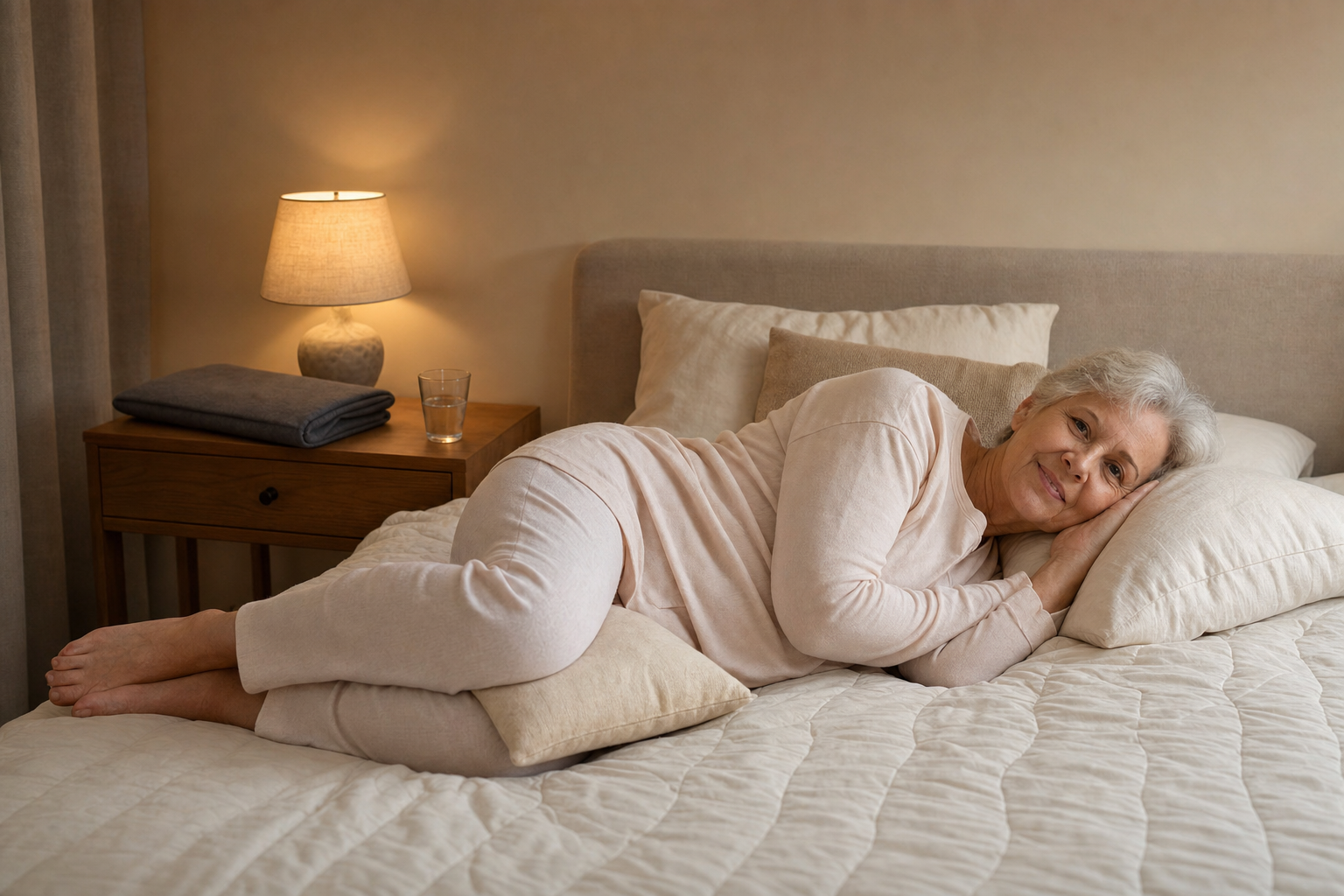
This isn’t something you see in journal articles, but—if you’re up at 2 a.m. rubbing your hip, it’s not just about the ache. Chronic joint pain at night wears on your mood, ramps up anxiety, and can make you dread bedtime (I’ve seen this more times than I can count). That’s why, even as a self-confessed research nerd, I always advocate for comfort measures that improve your sense of control—be it a pillow fort, a new routine, or a simple ritual to ease your mind.
My Practical Takeaways: What’s Actually Worth Trying?
- If you’re a side sleeper: Always, always start with a pillow between your knees. If you have hip pain, add another supporting the full top leg. Don’t neglect a good head pillow to keep your neck in line.
- If you’re a back sleeper: Elevate your knees with one or two pillows or a foam wedge. Consider lumbar support if you have low-back pain as well.
- Stomach sleeper? At least try the ‘pillow under hips’ trick—but consider gradually retraining yourself to side or back sleeping for the sake of your joints.
- Upgrade slowly: Test with regular household pillows before committing to specialty ones. Save your money for proven helpers.
- Try heat, gentle stretching, and topical remedies—sometimes in combination, they really do take the edge off.
As always, if you have circulation issues, neuropathy, or recent joint surgery—talk to your doctor before adding new sleep supports or products. Safety first.
Bottom Line—Sleep Tweaks Really Do Matter
I’ve watched countless adults go from dreading bedtime to waking up with less stiffness—all from changing their pillow setup or adding a heating pad. No, it’s not always a “miracle cure,” but for most people, the right sleep position is the cheapest, safest game-changer for nightly hip and knee pain.
Have you found a sleep position or product that eased your pain? I’d love to hear about it—send me a note. And if you try any of these tweaks, let me know how it goes.
— James Chen, MS, CSCS
Exercise Scientist & Mobility Writer, JointReliefReviews.com