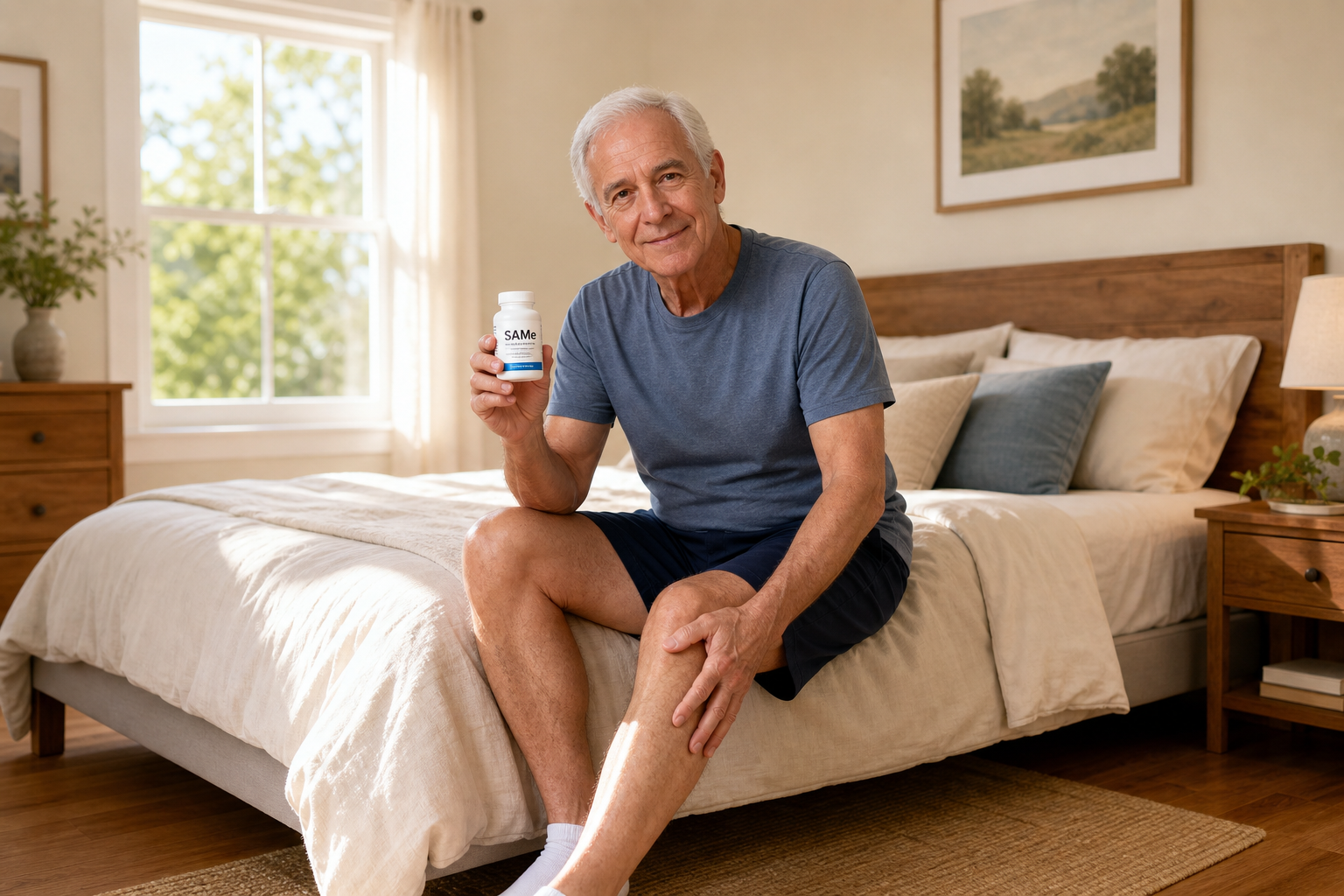
SAMe Supplement for Osteoarthritis: Hype, Hope, and What Actually Helps
I’ll never forget the first time I was asked about SAMe by a patient. It was 2003—my knee replacement post-op wing was always bustling, and Mrs. Gallagher (mid-60s, sharp as a tack) wanted to know if “that new supplement from Europe” was worth a shot. At the time, most docs shrugged. Now? The landscape is a little different. More research, more products, more questions. But the same aches and creaks, begging for answers.
Why Are We All Talking About SAMe?
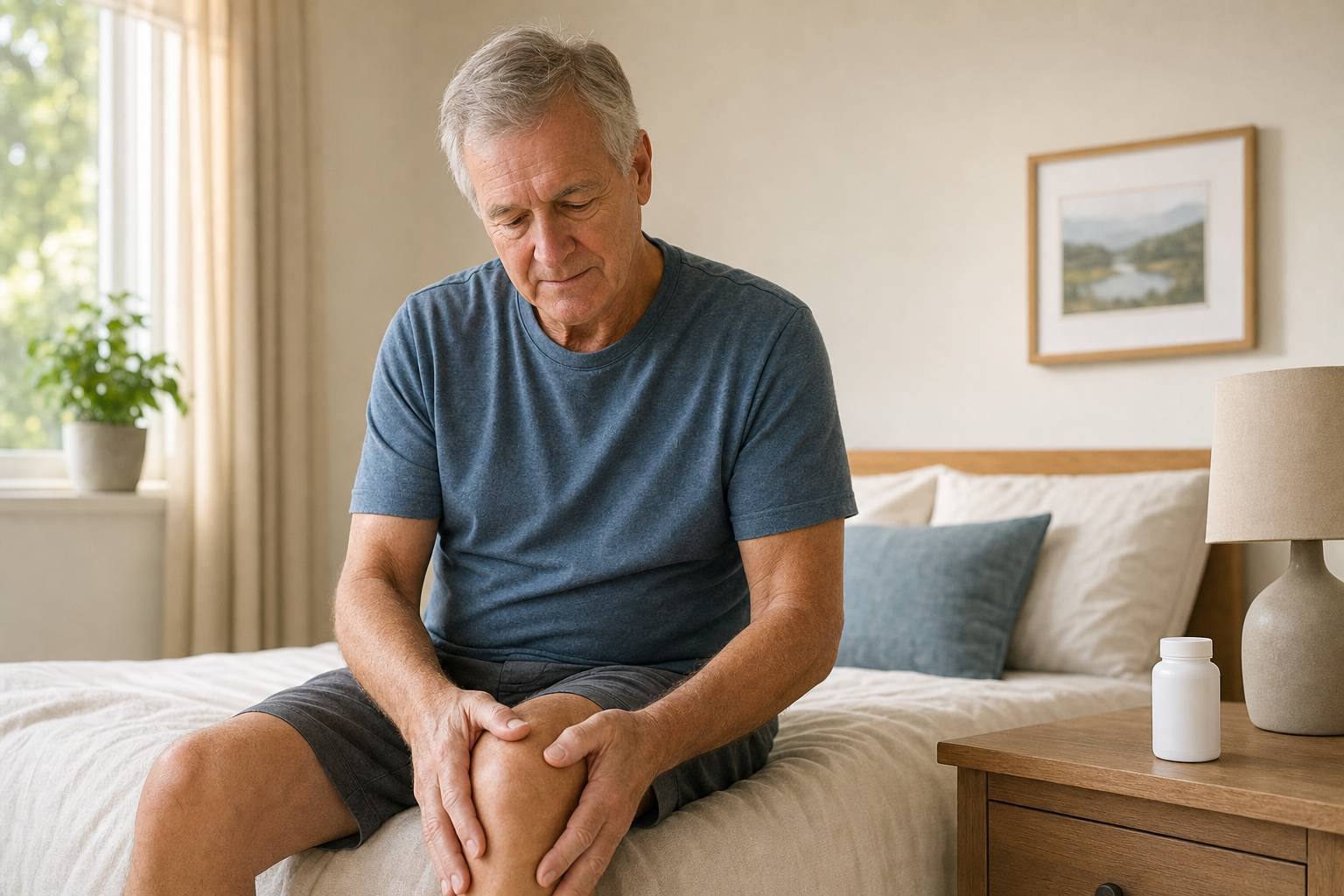
Here’s the thing: osteoarthritis (OA) is the world’s most common joint disease. It’s not just “old knees.” Hips, hands, even your big toe can get in on the action. And if you’ve felt that telltale morning stiffness or the deep ache after too many stairs—well, you know it’s more than just a little inconvenience.
But traditional meds (NSAIDs like ibuprofen, or even acetaminophen) don’t agree with everyone. Stomach trouble, blood pressure spikes, liver worries…the list goes on. That’s why alternatives—like SAMe (S-adenosylmethionine)—have snuck into the conversation. I get emails about it every week from readers who’ve “tried everything.”
What Exactly IS SAMe, Anyway?
Let’s clear up the alphabet soup. SAMe (pronounced "sammy") is a molecule made naturally in your body. It helps with methylation—basically, turning genes on and off—and it’s key for making neurotransmitters (hello, mood regulation) and for rebuilding cartilage. The supplement itself? Usually made from yeast via a fermentation process. It’s been used in Europe for decades for joint pain and even depression.
In the US, it’s still considered a dietary supplement—not an FDA-approved medication. That means quality can vary. (More on that later.)
SAMe and Osteoarthritis: What the Science Says
Okay, here’s where it gets interesting. There’s actually real research on SAMe for osteoarthritis—more than for most “natural” remedies. I’ve spent many evenings poring over these studies, highlighter in hand, coffee within reach.
- Journal of Rheumatology (2002): A major review found SAMe to be as effective as NSAIDs (like naproxen) for symptom relief—minus the gut side effects. Most people saw benefits after about 4-6 weeks. Dosages used? 1200mg daily split into two or three doses.
- Arthritis & Rheumatology (2010): A meta-analysis looked at 11 studies—SAMe improved pain and function, but not as dramatically or quickly as NSAIDs. Still, the safety profile was way better (less nausea, less GI upset).
- Cochrane Review (2009): Not gonna lie, this one was more lukewarm. They said SAMe worked better than placebo…but the effect size was “modest.” If you’re expecting overnight miracles, you’ll be disappointed.
But—and this is important—some folks respond really well, while others feel...nothing. I've seen both happen, sometimes in the same family. My own brother tried it for his bad hip; he swears by it. My mother-in-law, not so much.
How Does SAMe Actually Work?
It’s pretty fascinating. SAMe is involved in building cartilage—the very thing that “wears out” in osteoarthritis. It also seems to tamp down inflammation and may even boost the production of proteoglycans (the spongy stuff in your joints that soaks up force). On paper, that’s exactly what you’d want in a joint supplement.
And there’s emerging data that SAMe may also help with mood. (Osteoarthritis is tough on the mind as well as the body—don’t let anyone tell you otherwise.) That said, it’s not a replacement for antidepressants if you need them. Always talk to your doctor before adding SAMe if you’re on any psychiatric meds; it can interact, especially with SSRIs.
Is SAMe Safe? Who Should—and Shouldn’t—Try It?
Look, every supplement has a risk profile. SAMe is generally safe for most adults, but some folks do have side effects: nausea, mild GI upset, headache, a little restlessness (especially at higher doses). Start slow—most joint protocols use 400-1200mg daily, split into 2-3 doses. Some brands offer “enteric-coated” tablets to prevent stomach upset. (I like those—less burping, in my experience.)
But certain people should avoid SAMe or only use under a doctor’s supervision:
- Bipolar disorder: There are rare reports that SAMe can trigger mania.
- Pregnancy or breastfeeding: Safety isn’t established.
- On antidepressants: Drug interactions are possible. Check with your provider first.
- On blood thinners (warfarin): Small risk of increased bleeding.
Never a bad idea to bring your supplement bottle to your next appointment and get the pro’s perspective—especially if you take other meds.
How Does SAMe Stack Up Against Other Joint Supplements?
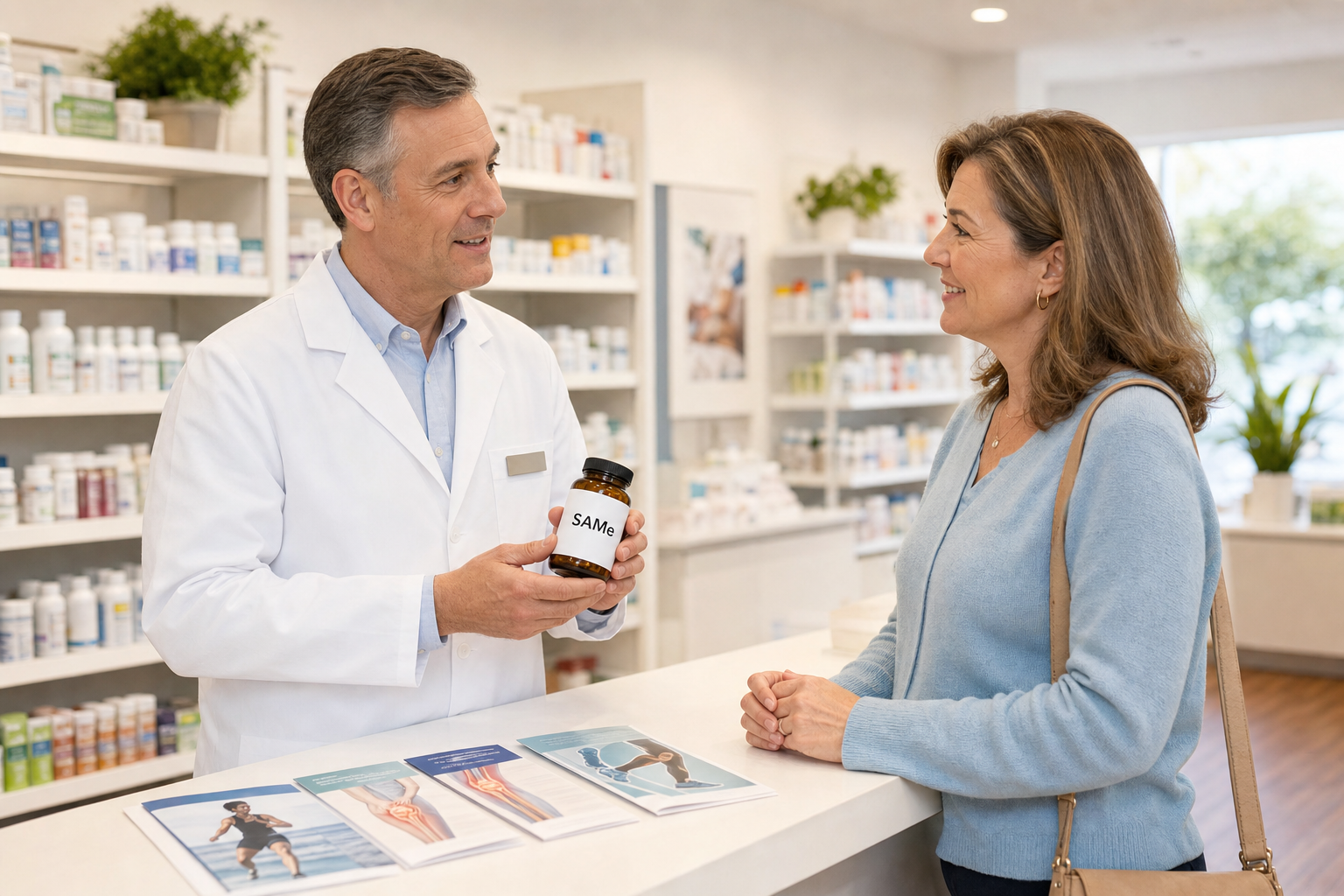
I know what you’re thinking: “Do I need to take SAMe, glucosamine, AND turmeric—or just pick one?” I’ve reviewed dozens of these formulas over the years. Here’s the scoop:
- Glucosamine/Chondroitin: The granddaddy combo. Still probably the “go-to” for OA, especially at 1500mg/1200mg doses. Evidence is mixed, but some (especially with knee OA) see real help after 2-3 months.
- Turmeric (curcumin): Best for inflammation. Works differently from SAMe—so sometimes the two are paired in one supplement.
- MSM and Boswellia: Good for some folks with persistent soreness. Not miracle workers, but a nice bonus.
- SAMe: Probably works best for people who can’t tolerate NSAIDs or want a mild mood boost alongside joint relief. It’s a bit pricier than glucosamine, but tolerability is often better.
If you’re looking for a solid all-in-one, something like Glucosamine Chondroitin Turmeric MSM & Boswellia (Vimerson Health) is a good place to start. No SAMe in this one, but it hits all the other big names—some people alternate or stack these with SAMe (though always clear combos with your doctor first).
What About Real-World Results?
I wish everyone got textbook results, but in real life, it’s a spectrum. Here’s what I’ve seen over the years:
- Early-stage OA: SAMe can help ease stiffness and boost mobility for some people, especially when paired with a movement routine. Results typically show up after 4-6 weeks—this isn’t an overnight fix.
- Advanced arthritis: Limited cartilage? Don’t expect miracles. That said, some people report less pain and better mood, which can help them stay active (a win in my book).
- Those with gut sensitivity: Much fewer stomach issues compared to daily NSAIDs. That’s a big deal for the “can’t take ibuprofen” crowd.
And—full honesty—some folks try SAMe and feel nothing. It’s frustrating, but joint supplements (like OA itself) are complex and deeply personal. I keep a running spreadsheet of patient reports over the years, and SAMe lands in the “helpful” column about 50% of the time for mild-moderate OA symptoms.
How to Take SAMe for Osteoarthritis
If you’re nodding along, here’s the typical protocol:
- Start with 400mg daily, ideally on an empty stomach.
- If tolerated, bump up to 800-1200mg daily, split into 2-3 doses.
- Stick with the same brand for at least a month before judging results (quality varies a lot—look for 3rd party testing, GMP labels).
- Enteric-coated tablets may cause less nausea.
- Store in the fridge if possible—SAMe degrades easily in heat and humidity.
But here’s the kicker: if you don’t see any benefit after 8 weeks, it’s probably not your answer. Don’t overthink it—move on to other options.
Daily Habits That Make a Real Difference
Supplements can help, but they’re never the whole picture. I preach the basics constantly (ask my husband—he’s heard it a thousand times):
- Keep moving—even gentle walking or water aerobics helps circulate nutrients to the joints.
- Strengthen muscles—Protects joints. Simple home routines are gold. The guide Treat Your Own Knees is a favorite among patients—clear, research-backed, not overwhelming.
- Use joint supports when needed—Compression sleeves or braces can help on “bad days,” especially if swelling flares up. The Modvel Compression Knee Brace gets a ton of positive reviews (and they sell them as a pair, which is rare).
- Keep your weight in check—Every 10 pounds lost can mean 40 pounds less pressure with each step. Not easy, but it matters.
Combine these with a supplement routine and you’re stacking the odds in your favor.

What the Experts—and Skeptics—Say
I’ll be honest: not every doctor is fully sold on SAMe. Some rheumatologists see the data as “promising but limited.” Primary care folks tend to be more open, especially for patients who can’t use NSAIDs. The most balanced approach is a trial with careful monitoring—give it 4-8 weeks, watch for side effects, track symptoms honestly. The real kicker? Many people tolerate SAMe far better than prescription pain meds, and for some, that’s a game-changer.
But beware outrageous claims online. No supplement “rebuilds” cartilage overnight, and anyone promising to “reverse arthritis” is flat-out misleading you. Modest benefits, for some people, over 1-2 months—that’s the reality.
Where to Buy and What to Watch For
If you decide to give SAMe a shot, buy from a trusted brand with transparent sourcing and 3rd party testing. Pricey? Sometimes. But with supplements, you get what you pay for. Cheaper isn’t always better—sometimes you’re getting half the stated dosage, or worse, a bottle that’s gone stale in a warehouse. I don’t have a favorite brand to link here, because formulas and suppliers change so fast, but many health food stores and reputable online sellers (look for NSF or USP verification) carry solid options.
And—this is unpopular, but worth saying—don’t “stack” five different joint supplements all at once. Layer in changes one at a time, or you’ll never know what’s working (or causing trouble).
Final Thoughts: Is SAMe Worth Trying for Osteoarthritis?
Here’s my gut feeling after 20+ years and more than a few creaky joints of my own: SAMe is worth a careful trial if you have mild-moderate osteoarthritis, especially if you’ve had tummy trouble with NSAIDs or want to avoid them altogether. Will it work for everyone? Absolutely not. But for the subset who do respond, the relief is real—and sometimes, so is the mental lift.
But remember: consistent movement, strength training, and a bit of patience are still the heavy hitters. Supplements are just one tool—and SAMe, while not a miracle, is far from snake oil. If you’re curious, talk to your provider, start low, and track your results. And if you find something that works—even a little—celebrate it. Joint pain is a bear, and even 20% less ache can mean getting back on the dance floor (or the garden kneeler).
Take care of those joints—and yourself.
Linda Hargrove, RN, is a registered nurse and health writer who spent 20 years in orthopedic care. She now focuses on helping everyday people find practical, research-backed relief for joint pain. Read more at JointReliefReviews.com.