Why Do My Joints Hurt? Real Talk for Women Over 60
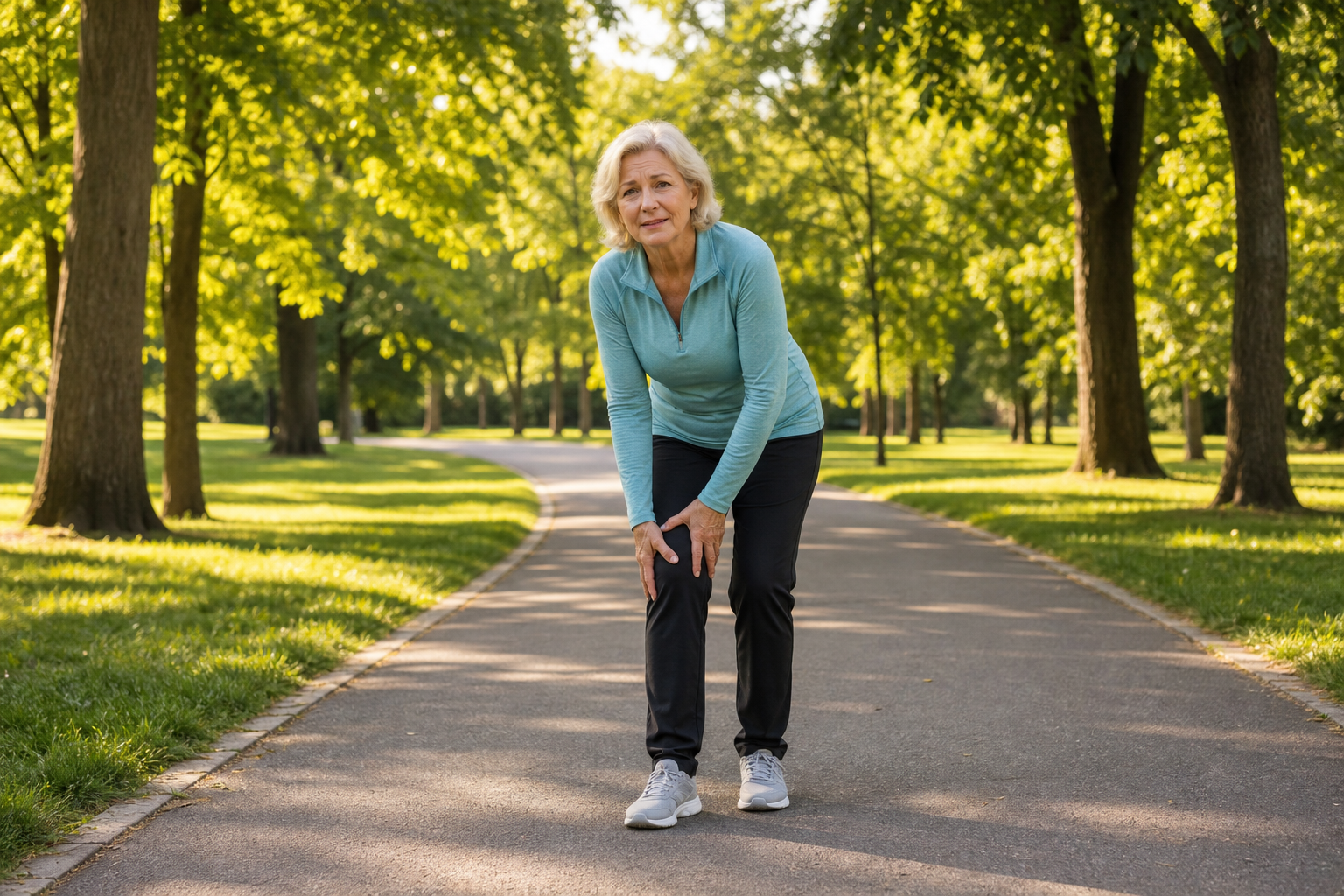
I’ll never forget the first time my own mother-in-law hobbled into my kitchen, clutching her knee and wincing. “It’s just old age,” she grumbled. But here’s the thing: the pain that sent her limping isn’t just about birthdays adding up. If you’re a woman over 60, joint pain is almost a rite of passage — but the causes (and the right fixes) are a whole lot more interesting than most people realize.
The Daily Struggle: More Than Just ‘Wear and Tear’
Look, I’m not going to sugarcoat it. If you’re reading this, you’re probably sick of being told to “just keep moving” or “take an ibuprofen.” But if you’re nodding along, you’re not alone — over 66% of women over 60 report joint pain in one or more areas, according to the National Health Interview Survey (NHIS, 2022).
What they don’t always mention: how pain isn’t just physical. I’ve had readers share stories about missing out on grandkids’ soccer games or skipping book club because their hands just won’t cooperate with the teapot. It messes with your independence, your mood, and yes — your sleep, too. That’s something the pamphlets rarely mention.
The Science: What’s Really Going On Under the Hood?
Here’s where it gets interesting. Most “joint pain causes in women over 60” articles stop at osteoarthritis — and sure, it’s a biggie. Joint cartilage does get thinner and rougher over time. But the truth? There’s a tangle of factors at work, and they don’t all show on an X-ray.
1. Osteoarthritis (OA): The Obvious Culprit—But Not the Only One
This is the classic “bone-on-bone” pain. The numbers are huge: the Framingham Study found that by age 65, over half of women show radiographic evidence of OA in their knees, even if they aren’t all limping. Cartilage breaks down, bone spurs form, and movement gets stiff and achy.
But OA isn’t just a destiny thing. Genetics, prior injuries, even how you walk — they all tweak your risk and your joint “wear.”
2. Hormones: The Menopause Connection
Most articles won’t tell you this, but estrogen drop is a real game-changer. Estrogen helps keep inflammation in check; as it declines after menopause, inflammation can spike… and so can joint pain. The Journal of Rheumatology (2019) highlighted that post-menopausal women have a notably higher prevalence and severity of knee and hand OA than same-aged men.
Some studies are even exploring HRT (hormone replacement therapy) for joint pain. But — and this is big — it’s not for everyone, and the risks are real. Definitely talk to your doctor if you’re considering this route.
3. Autoimmune Causes: Silent and Sneaky
Rheumatoid arthritis (RA), lupus, and psoriatic arthritis? They’re far less common than OA but much more aggressive. RA affects three times as many women as men, often first appearing in the 50s or 60s. It’s not just the joints—fatigue, low-grade fevers, and weird rashes can come, too. I once interviewed a woman who thought her morning stiffness was “just age,” but it was actually early RA. Don’t ignore sudden swelling or red, warm joints — see a rheumatologist pronto.
4. Weight Gain After 60: The Elephant in the Room
Here’s a fact most folks tiptoe around: after menopause, women often gain an average of 8-12 pounds (NHANES 2017 data). Every extra pound puts four additional pounds of pressure on your knees, per the Arthritis Foundation. That’s why sometimes, even a modest weight drop (think 5-10%) can make a world of difference in pain.
5. Muscle Loss (Sarcopenia): Why Joints Have to Pick Up the Slack
Starting in your 50s, women lose up to 1% of muscle mass per year. Less muscle? More stress on the joints and tendons, especially around the knees and hips. Strength training (even with soup cans!) can help. I know, the idea of starting “weightlifting” at 65 sounds a little wild, but the benefits are huge.
6. Other Undercover Causes
- Old Injuries: That high school ski accident? It might come back to haunt you decades later.
- Gout: Not “just a man’s disease”—postmenopausal women are at risk, especially with changing kidney function.
- Medication Side Effects: Aromatase inhibitors (for breast cancer), statins, and some blood pressure meds can all cause or worsen joint pain.
Making Sense of the Pain: How It Feels and What It Means
Here’s what I’ve learned, after years of talking with patients and experts: pain isn’t one-size-fits-all. Is it stiff in the morning, or worse after activity? Is it burning, stabbing, or just a dull ache? Those details matter when you’re figuring out what’s really going on.
And don’t dismiss flare-ups. I remember a reader who swore her hands hurt more after gardening, but not after knitting. Turns out, repetitive pinching is much harder on thumb joints than gentle gripping. Sometimes it’s not the obvious triggers.
What Actually Helps? Science-Backed Relief (and a Few Surprises)
Alright, here’s the part you really care about: what can you do today that actually makes a difference? Not gonna lie, there’s no one-size miracle. But real progress comes from layering small wins — and some are easier than you’d think.
1. Move (Even When You Don’t Want To)
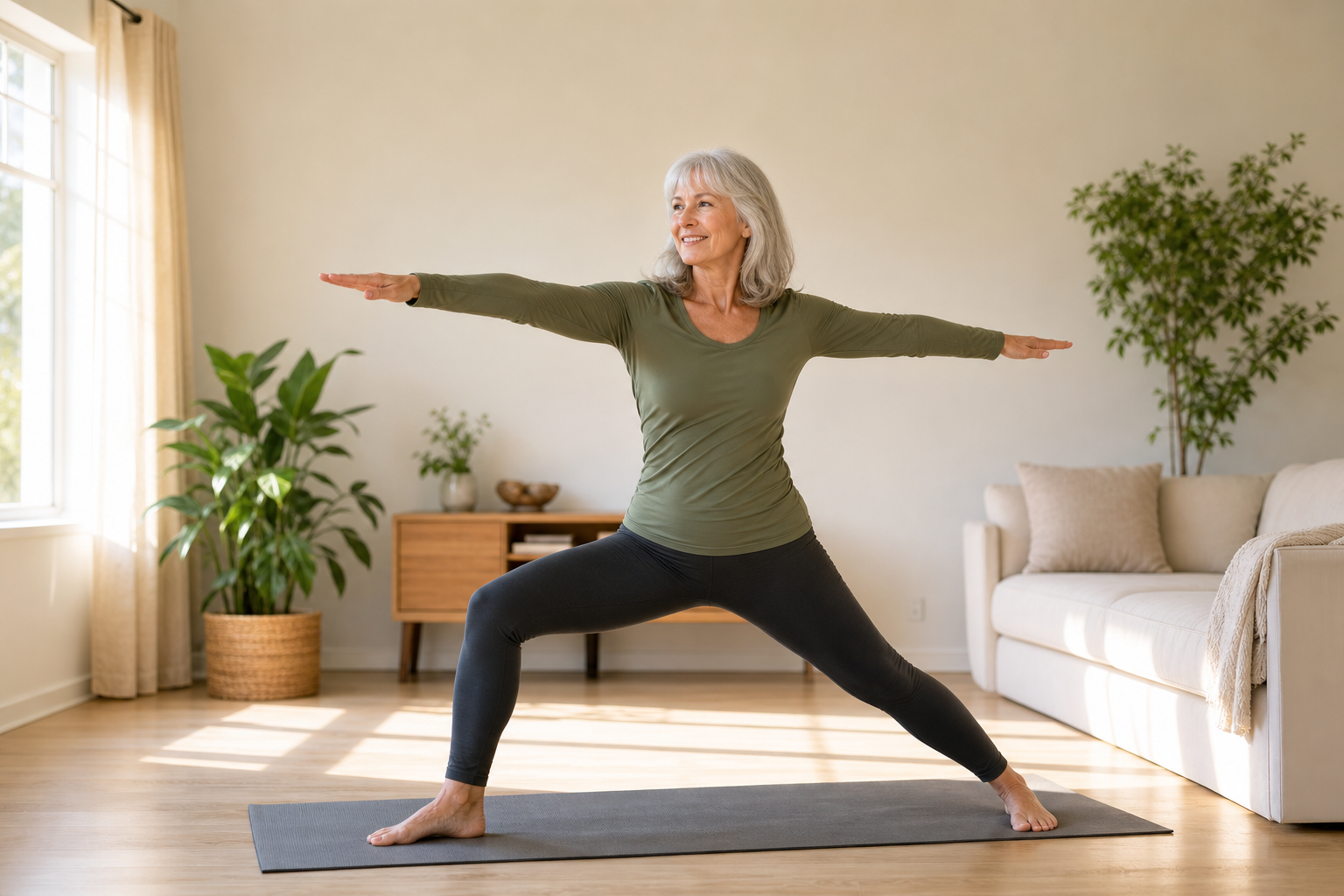
It’s a cliché for a reason: movement keeps joints lubricated, nourished, and less stiff. But high-impact isn’t required. Tai chi, swimming, gentle yoga, or even daily strolls all show up, again and again, in the research (see BMJ, 2020 meta-analysis). The goal isn’t CrossFit — it’s consistency. Five to ten minutes here and there beats one big effort and a week of regret.
2. Heat and Cold: The Old-School Winners
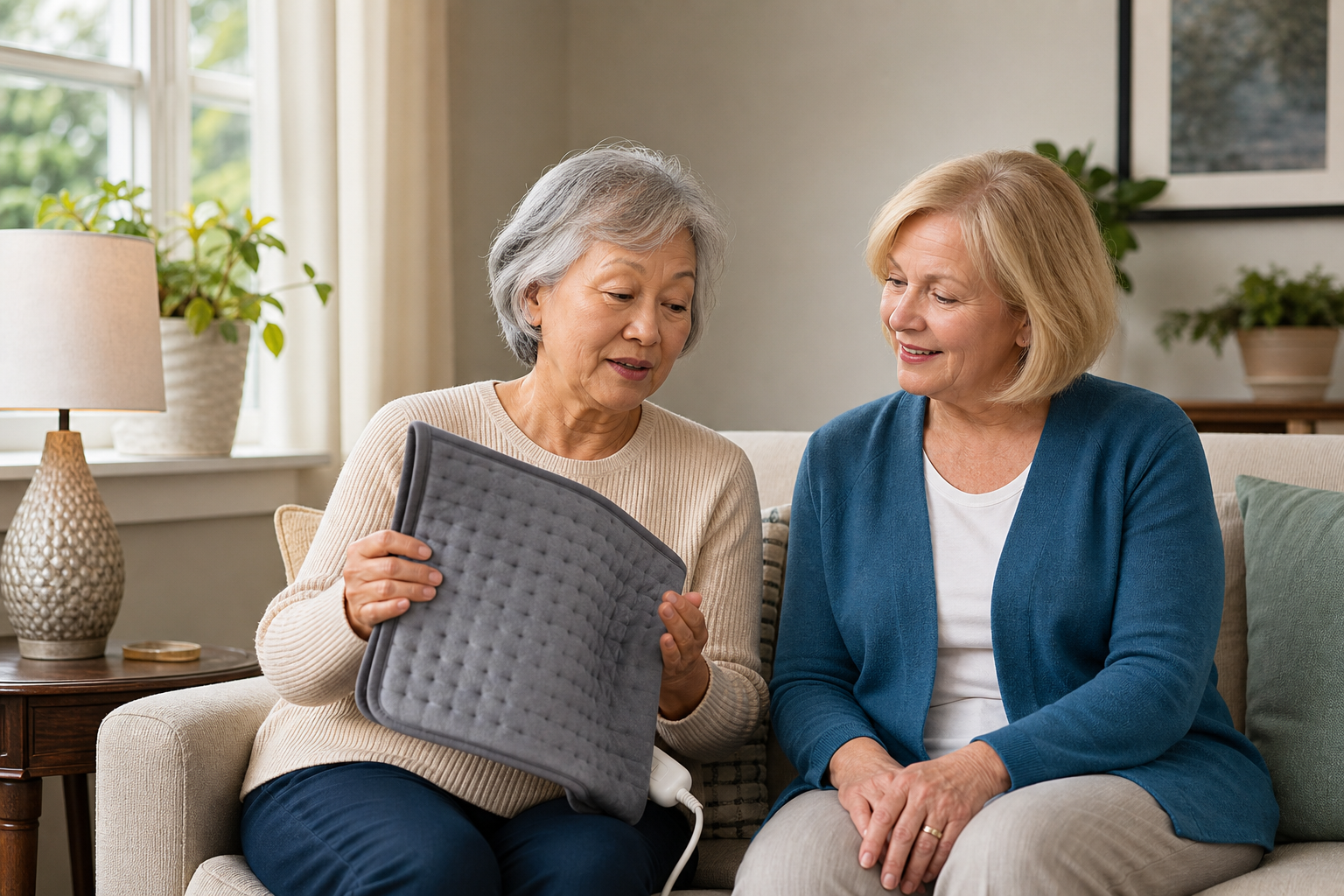
I’ll be honest: my own go-to is a Pure Enrichment PureRelief XL Heating Pad. The moist heat option is a game-changer for deep joint aches—plus, the extra-large size covers both knees at once. For swelling or sharp flare-ups, an old bag of frozen peas will do, but many love reusable gel packs.
3. Compression and Support
If you’re struggling with knees that feel weak (or give way on stairs), a supportive sleeve can do wonders. I’ve tried a lot of these over the years; the Modvel Compression Knee Brace is a reader favorite for a reason: affordable, sold as a pair, and — this matters — they actually stay put thanks to the silicone strips. These aren’t just for workouts; I know women who wear them for gardening, walks, or even just around the house for a little confidence boost.
4. Gentle Strengthening Exercises
You don’t need a gym or personal trainer. Honestly, some of the best results I’ve seen come from simple at-home routines. The book Treat Your Own Knees by Jim Johnson is a fantastic (and affordable) self-help guide with research-backed exercises. My physical therapist friends swear by its master plan for building strength and flexibility—especially if stairs or standing from a chair have become a challenge. And it won’t bore you to tears—clear drawings, easy instructions, all that good stuff.
5. Supplements: Hype vs. Hope
Let’s have the supplement talk. The evidence for glucosamine and chondroitin? Mixed. The 2016 MOVES trial (published in Annals of the Rheumatic Diseases) found a daily combo of 1500mg glucosamine sulfate and 1200mg chondroitin matched celecoxib (a prescription anti-inflammatory) for knee pain relief in moderate OA. But some women get zero benefit. If you do try a supplement, choose a USP-verified brand and give it at least 2-3 months to see if it helps. And — this is important — always talk to your doc before starting, as supplements can interact with medications.
6. Diet: The Anti-Inflammatory Edge
I know it sounds like a wellness cliché, but food can nudge pain up or down. Omega-3s (like wild salmon or chia seeds), colorful fruits and veggies, and less processed sugar may help cool inflammation. The Mediterranean diet isn’t magic, but several Arthritis & Rheumatology studies (2017-2023) suggest it can reduce symptoms, especially in RA.
7. Managing Mood and Sleep
This one gets overlooked, but pain is harder to manage when you’re exhausted or anxious. Cognitive behavioral therapy (CBT), sleep hygiene tricks (like keeping screens out of the bedroom), and making time for something joyful—yes, even if it’s just a cozy mystery audiobook—really do help take the edge off.
Comparing Options: What’s Worth Trying (and What’s Overhyped)
I get this question a lot: “Do I really need shots or surgery?” Here’s my honest answer — for most women over 60, the best results come from stacking small interventions. Physical therapy, heat, supportive braces, maybe a vetted supplement… then talking to your doctor if pain is severe or sudden. Steroid shots and surgery are last resorts, not first steps.
And don’t forget: what works for your neighbor or sister may do zip for you. Track your own patterns in a notebook or on your phone. Did that new knee brace help you walk farther? Are you sleeping better with an evening heat routine? These clues are gold.
The Truth About ‘Miracle Cures’
I know this is unpopular, but beware of anyone promising rapid, total pain reversal. If a cream or supplement sounds too good to be true, it probably is. Pain relief is about stacking realistic wins — not magic bullets.
The Takeaways: What I Wish Every Woman Over 60 Knew
- You’re not doomed to pain. Yes, aging ups the odds, but you have more say than you think.
- Layer your solutions. Movement, support, a little diet cleanup, and better sleep all add up — far more than any single product.
- Get help when you need it. Sudden swelling, redness, or loss of function? Don’t wait — see your doctor. It could be something more serious than “just age.”
If you’re still reading (bless you!), here’s my message: be gentle with yourself. Try new things, keep what works, and toss what doesn’t. And always remember — your story isn’t over just because your knees creak. Reach out, experiment, and keep moving forward. You’ve got this.
Karen Whitfield is a veteran health journalist who has covered arthritis and joint health for outlets including Everyday Health, Prevention, and Arthritis Today. She’s passionate about realistic, research-backed relief that puts patients first.