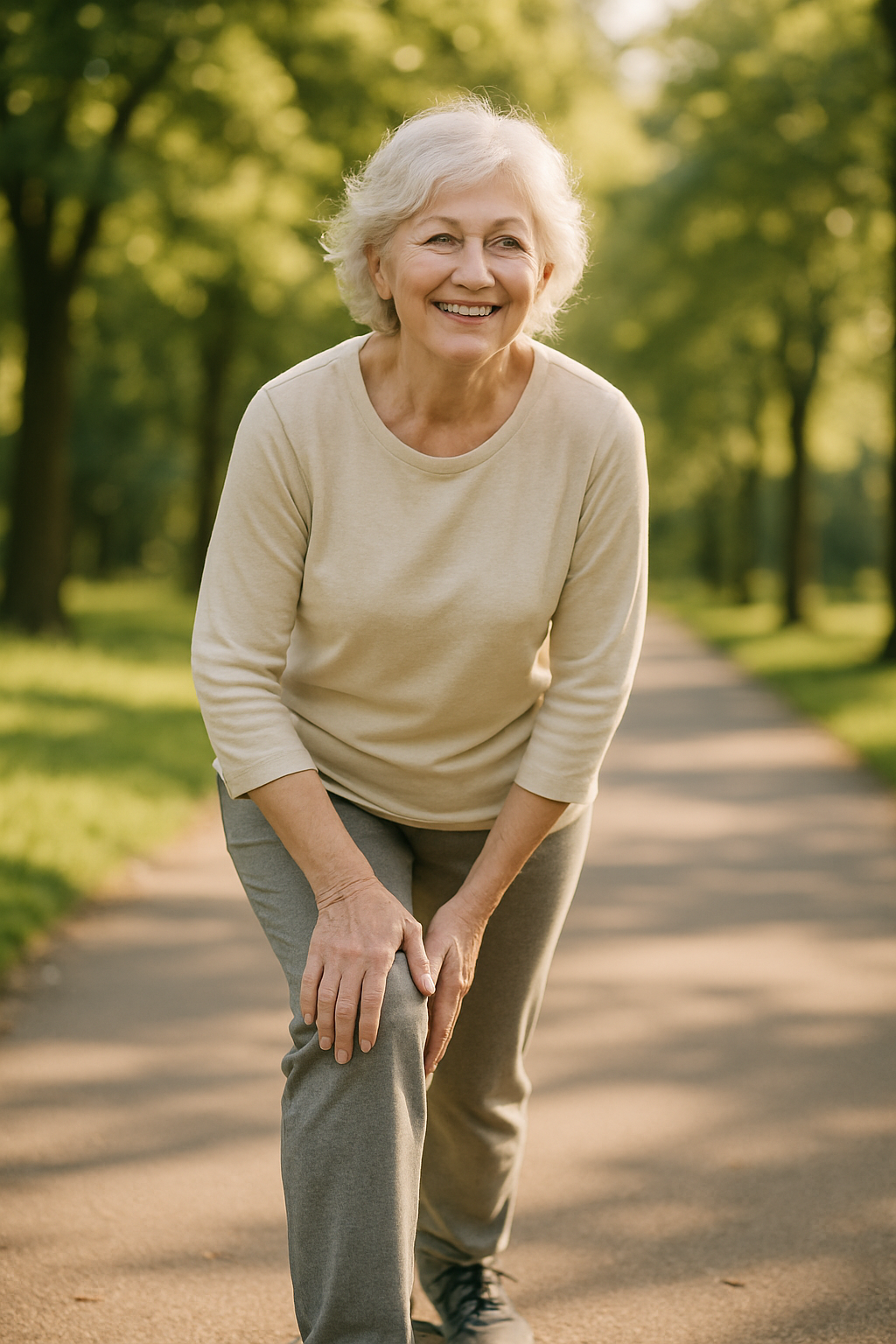
Why Do My Joints Hurt More After 60? Let’s Get Real
I was enjoying a coffee with my neighbor Linda last week when the conversation turned — as it often does these days — to knees, hips, and the mysterious pains that seem to show up overnight. She looked at me, a little exasperated, and said, “James, is this just my life now? I turned sixty and my body’s warranty expired?”
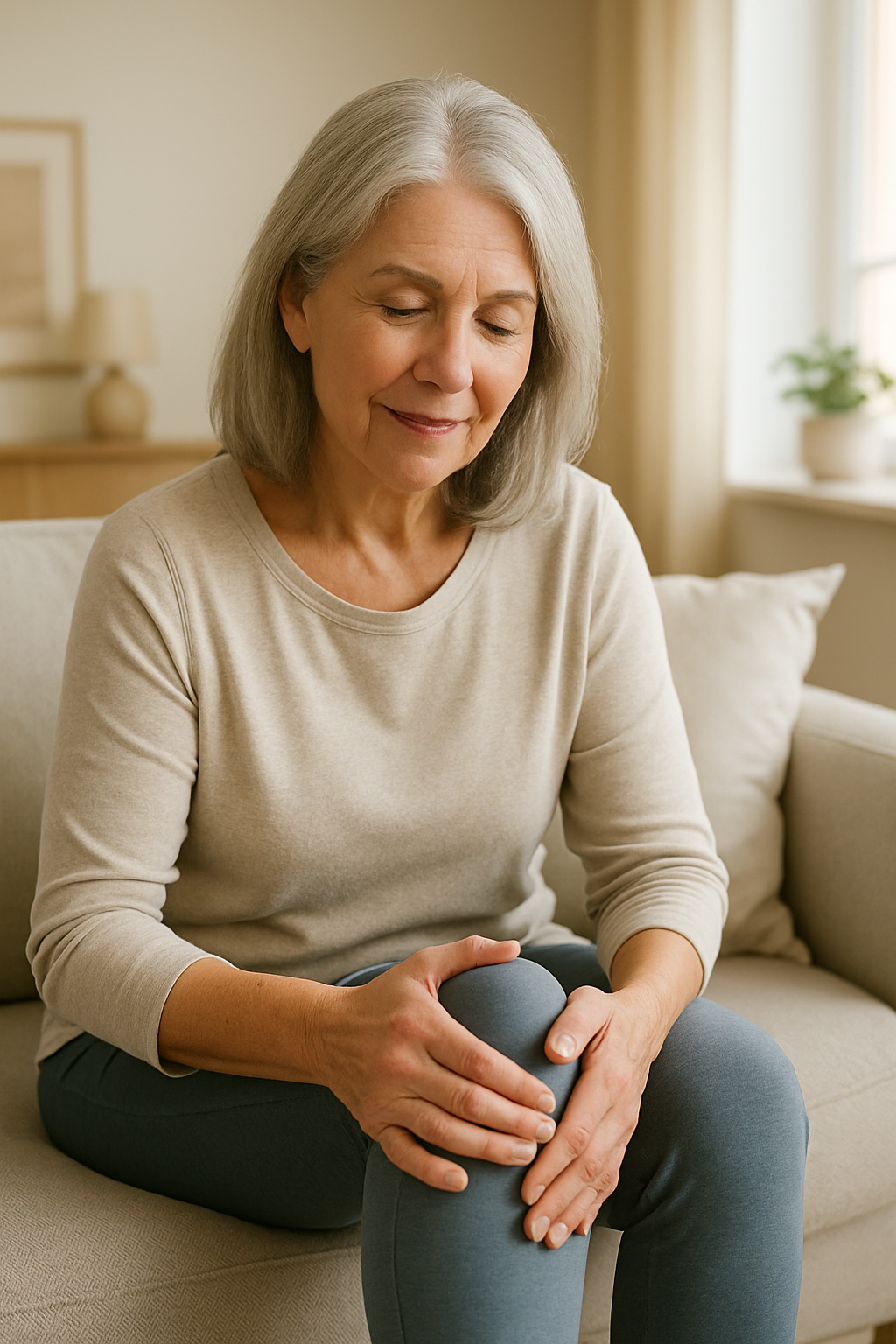
I get it. I’ve spent years in clinics and gyms, working with women who tell me the same thing: "It’s like my joints forgot how to be joints." But here’s the thing: joint pain isn’t inevitable. And it’s almost never caused by just one thing. There are real, research-backed reasons why women over 60 notice more joint aches — and, believe it or not, there are equally real things you can do about it. No magic-wand promises here, just the science and what’s actually worked for my clients (and, occasionally, for my mother-in-law — she’s my most honest critic).
What’s Actually Causing Joint Pain in Women Over 60?
The Hormone Drop: Estrogen Isn’t Just About Hot Flashes
Let’s start with the quiet culprit: estrogen. Most people associate it with menopause, but few realize just how much it matters for your joints. There’s actually a 2021 meta-analysis in Arthritis & Rheumatology showing that postmenopausal women have significantly higher rates of knee and hand osteoarthritis. Why? Estrogen helps maintain cartilage volume and keeps inflammation in check. When estrogen drops, your joints lose a layer of protection. So, if you feel like your hands and knees went downhill after menopause, you’re not imagining things.
Cartilage: The Cushion That Gets Thinner (But Not Gone)
Here’s a stat that raised my eyebrows: By age 60, over 50% of women show radiographic evidence of knee osteoarthritis, according to the Framingham Osteoarthritis Study. Cartilage thins as we age — not just from wear and tear, but also from slower cellular repair. It doesn’t help that so many of us spent decades in unsupportive shoes or did high-impact sports with little guidance. The result? Cartilage breaks down faster than it rebuilds.
Inflammation: The Slow Burn
If you wake up stiff every morning, you’re probably feeling the effects of low-grade inflammation. And here’s where it gets interesting: Chronic inflammation can be both a cause and a result of joint pain. Studies in the Journal of Rheumatology show women over 60 have higher levels of circulating inflammatory markers (think CRP and IL-6). It’s the real reason achiness seems to move from joint to joint. (If you’re nodding along, you’re not alone.)
Past Injuries: The Ghosts of Twisted Ankles Past
I can’t tell you how many women I’ve treated who had a “minor” knee injury in their thirties, only to have it come back with a vengeance decades later. Old ligament strains, sprains, and even fractures can change your joint mechanics. Over time, these micro-changes add up. It’s called post-traumatic osteoarthritis — and it’s more common than you think. According to BMJ 2015, women with previous joint injuries are 4x more likely to develop significant pain by their sixties.
Muscle Weakness (Yes, Really)
Strong muscles act like natural shock absorbers for your joints. But muscle mass declines after menopause (the fancy term is sarcopenia). This is NOT just about looking toned — it’s about function. Weak hips make knees work harder. Weak thighs leave cartilage unprotected. The more this cycle continues, the more joints ache. This is why, in almost every client over 60, I see a direct link between muscle loss and rising joint discomfort.
Other Factors That Make Joint Pain Worse
- Body Weight: Each extra pound puts ~4 extra pounds of pressure on your knee with every step. Yikes.
- Genetics: Some families just get handed a rougher deck when it comes to cartilage genes.
- Lifestyle Habits: Sitting too much, not enough stretching, and — believe it or not — overdoing certain exercises without proper form.
- Diet: High sugar and processed food intake ramp up joint inflammation (per 2022 Nutrition Reviews study).
But I promised you honest advice, not a list of things to worry about. So let’s talk real-world solutions. Because, as I tell my clients: You might be over 60, but your joints don’t have to act their age.
What Actually Helps? Solutions I Trust (and Use)
1. Move, But Move Smart
I know — your instinct might be to rest. But here’s the paradox: inactivity makes joint pain worse. The trick is choosing the right movements. Walking (ideally on forgiving surfaces), water aerobics, and simple home-based strength routines can help maintain cartilage health and keep pain in check.
If you’re feeling lost or intimidated by ‘exercise,’ I genuinely recommend Treat Your Own Knees by Jim Johnson, a book I’ve given to half my family. It’s clear, research-backed, and doesn’t overload you with jargon. (I wish every knee patient got a copy at discharge.)
2. Targeted Support: Not All Braces Are Equal
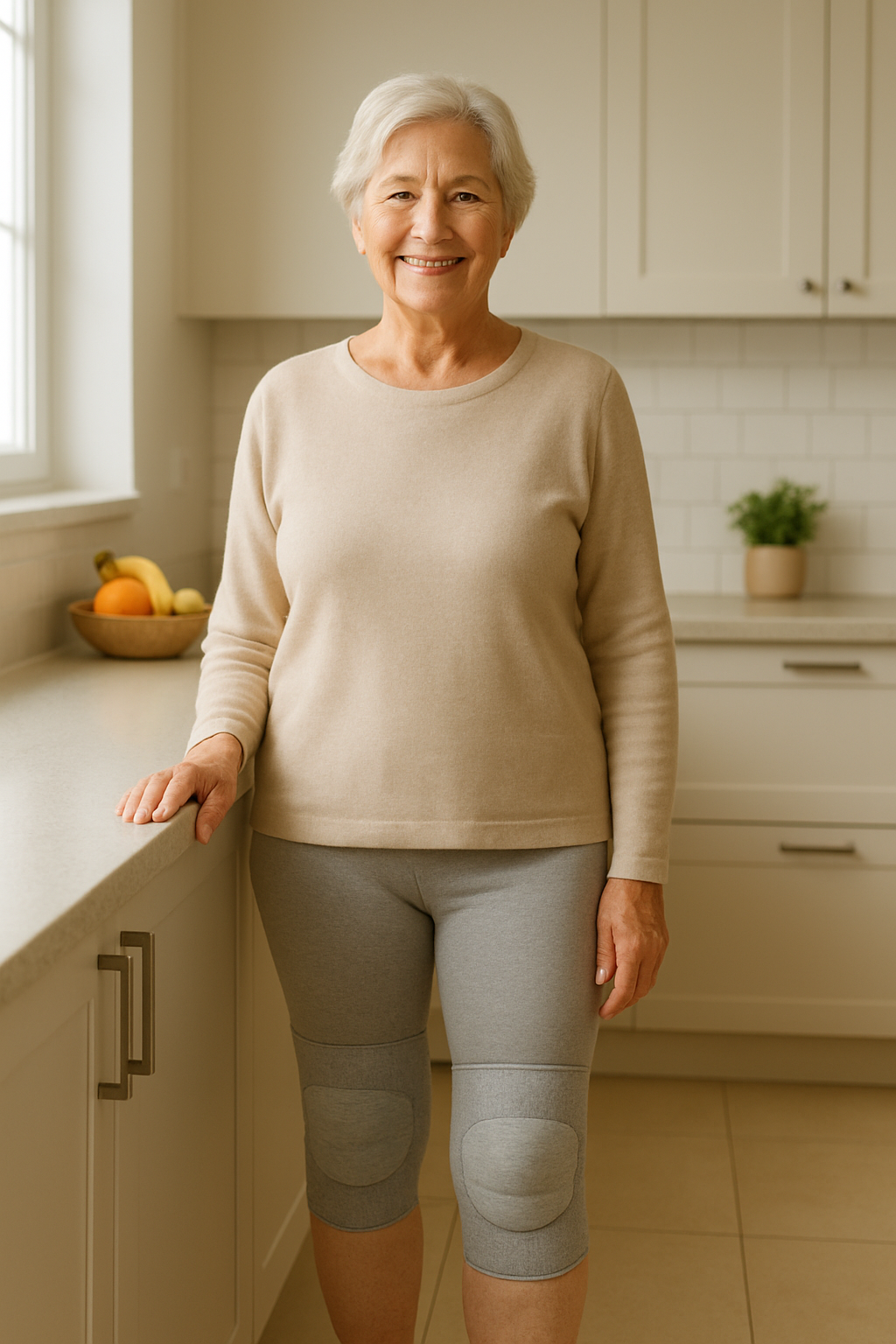
Here’s where a lot of people get tripped up: the right brace can offer real relief, but the wrong one just ends up in your sock drawer. What you want is gentle compression, breathability, and anti-slip. I’ve personally seen a lot of success with the Modvel Compression Knee Brace — it’s affordable, comes as a pair, and (crucially) stays put during walks or errands. Quick tip: A brace won’t cure arthritis, but it can make bad days a lot more manageable.
3. Heat Therapy: The Old-School Solution That Works
This one’s close to my heart (and my mother-in-law’s). When her knees act up, she’ll grab her extra-large heating pad and let the warmth soak in for 15-20 minutes. The science? Heat increases blood flow, relaxes tight muscles, and temporarily blocks pain signals. A 2023 review in European Journal of Pain found that moist heat — as opposed to dry — was more effective for both stiffness and discomfort.
If you’re on the hunt for something reliable (and large enough to cover both knees or your low back), the Pure Enrichment PureRelief XL Heating Pad is my gold standard. The moist heat option is a game-changer, especially on cold mornings.
4. Supplements: Sorting Real Evidence from Hype
I get at least three emails a month asking about glucosamine and chondroitin. Here’s my honest take: The research is mixed, but some women (especially those with early arthritis) do notice mild to moderate improvement, particularly at the 1500mg glucosamine sulfate dose. Just be wary of wild claims — and always check with your doctor, especially if you’re on blood thinners or have diabetes. And remember: these aren’t painkillers. They’re slow-acting (think months, not days), and for many, their biggest benefit is in slowing progression, not reversing damage.
5. The Forgotten Fix: Sleep Quality
This surprised even me: a 2019 study in the Journal of Pain showed women over 60 who got less than 6 hours of sleep reported 53% higher joint pain scores. Why? Poor sleep ramps up inflammation and lowers your pain threshold. The fix isn’t always easy, but simple steps like establishing a wind-down routine, keeping your bedroom cool, and limiting late caffeine do add up (even if you roll your eyes at ‘sleep hygiene’ like I used to).
6. Small Diet Tweaks
I’m not about to tell you to swear off all carbs — that’s not realistic (and let’s be honest: bread is delicious). But there is good evidence for an anti-inflammatory eating pattern. Think more salmon, berries, leafy greens, and nuts. And if you can swap out sugary snacks for whole foods even a few times a week, your joints will thank you. (Check out the Mediterranean diet research in 2022’s Nutrition Reviews if you’re a science nerd like me.)
What About Medications and Injections?
Look, sometimes Tylenol, NSAIDs, or even steroid injections are necessary — especially during bad flare-ups. But these are band-aids, not cures. My advice? Use them for those really tough days, not as a crutch. And always loop your physician in before starting new meds or upping your dose. (Side effects in our 60s are a whole different ballgame compared to our 30s. Trust me — I’ve seen more than one client get tripped up by a "harmless" over-the-counter pill.)
Physical Therapy: Not Just for Athletes
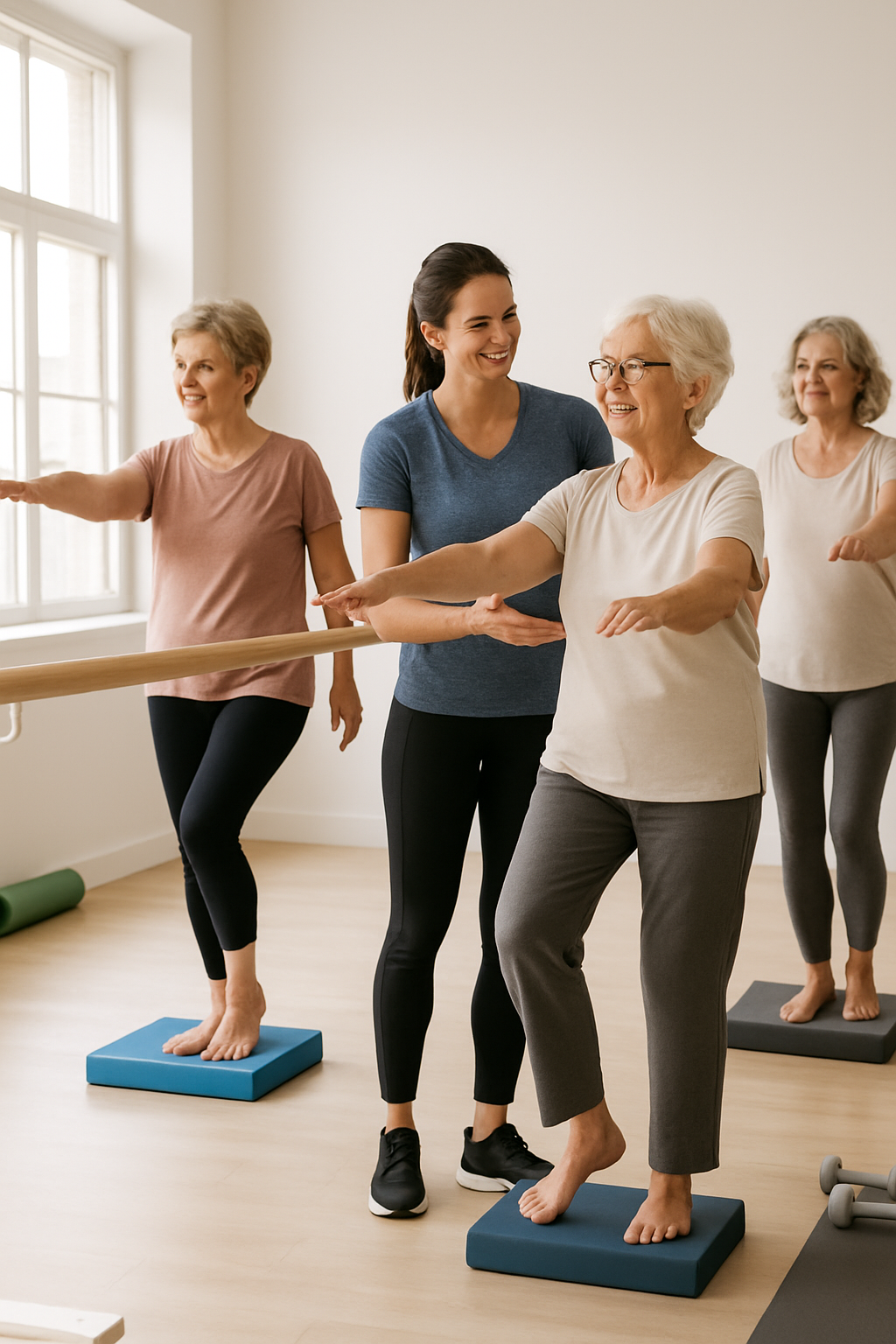
If your pain is making it hard to do basic things — standing up, walking the grocery aisles, getting out of a chair — ask your doctor for a physical therapy referral. A good PT makes all the difference by identifying weak spots, teaching you safer movement strategies, and helping you build strength without overdoing it. I know — no one loves “yet another appointment,” but the payoff is worth it. Some of my proudest moments as a therapist have come from helping women over 60 regain the confidence to return to their hobbies.
Let’s Bust a Few Myths (And Share Hard Truths)
- Myth: “If my joints hurt, I should avoid all exercise.”
Truth: Smart movement prevents further decline. Rest makes you stiffer. - Myth: “Supplements work instantly.”
Truth: Most take 2-3 months to notice any effect, and only help some people. - Myth: “Surgery is inevitable.”
Truth: Fewer than 10% of people with knee or hip arthritis need joint replacements before age 70, per 2022 JAMA.
Practical Takeaways I Share With My Clients
- Daily gentle movement (walking, stretching, resistance bands) is more powerful than you think.
- Compression and heat support can make bad days less miserable — especially when used proactively.
- Good sleep and small dietary tweaks lower inflammation (and pain) over time.
- Stay curious. Every body is different — what helps your friend might not help you. Track what works and what doesn’t.
- Don’t be afraid to ask for help (from your doctor, a therapist, or even thoughtful products).
I know some of this isn’t what you want to hear, but — and I say this as gently as possible — the magic fix doesn’t exist. But small changes, stacked together, really do make a difference. I’ve seen it happen again and again, from clients who could barely climb stairs to women who return to gardening, hiking, or chasing grandkids. Progress is possible at any age.
What’s Next? Your Joints, Your Story
Here’s what I tell Linda, and what I’ll tell you: aging brings challenges, but you’re not powerless. The science gets clearer every year — we understand joint pain (and its causes for women over 60) better than ever. And that means better, more personalized solutions.
If you’re reading this, you’ve already taken the most important step: paying attention to your body and seeking answers. That’s how real change starts.
Stay curious. Experiment. Be your own advocate. And if you ever feel stuck, know you’re in good company — I’m happy to answer your questions (and share my mother-in-law’s latest knee adventure stories) anytime.
— James Chen, MS, CSCS
Joint health columnist, evidence nerd, and lifelong student of movement