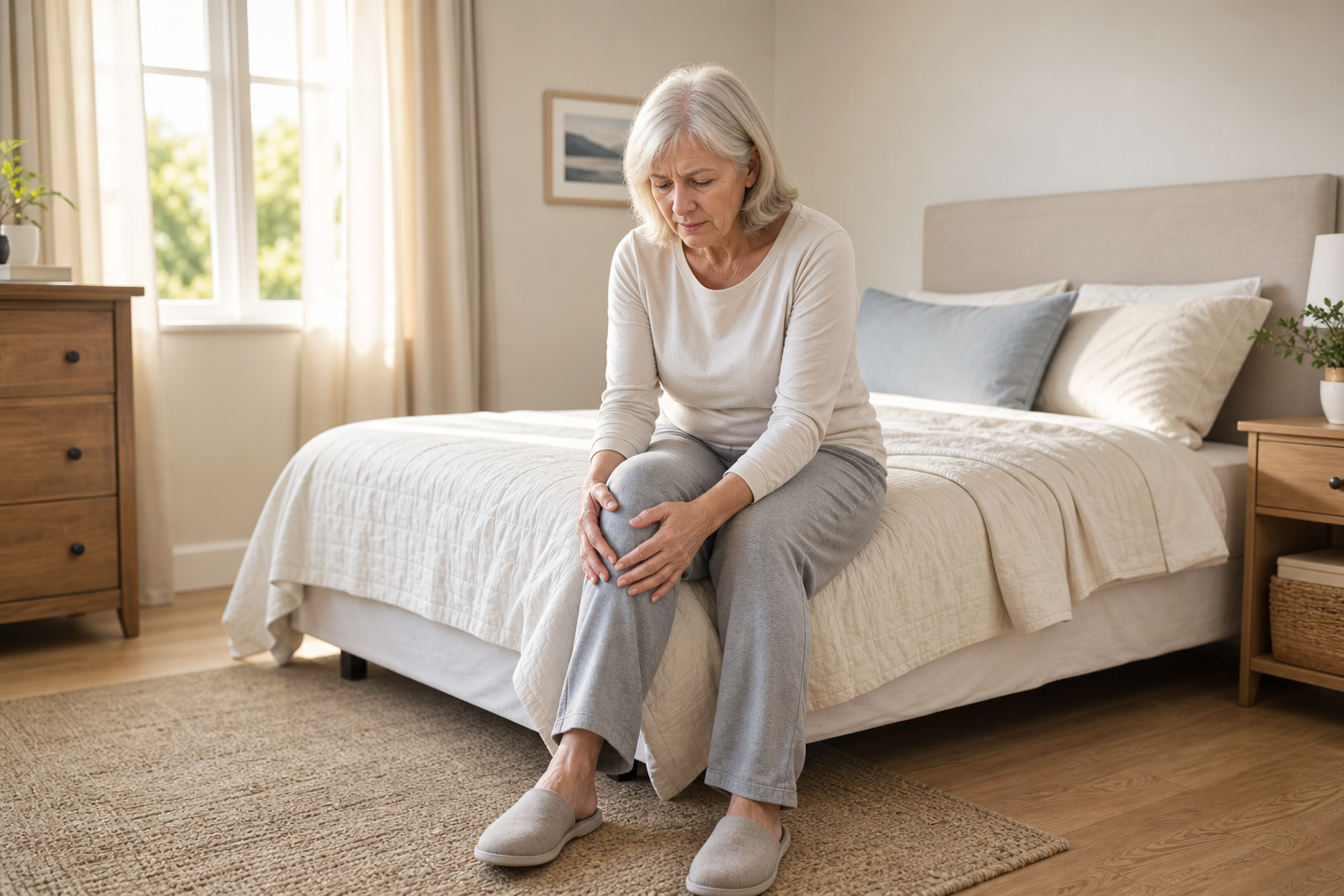
Why Joint Pain Hits Harder for Women Over 60 (And What Most People Miss)
I still remember a patient—let’s call her Linda—who came to me genuinely exasperated: “Sarah, I exercise and eat my greens, so why do my knees and fingers ache every morning?” If you’ve ever wondered the same thing, trust me, you’re far from alone. Nearly 69% of women over 60 report recurring joint pain, according to the Arthritis Foundation. But here’s the thing: it’s not just a normal part of aging you have to grin and bear.
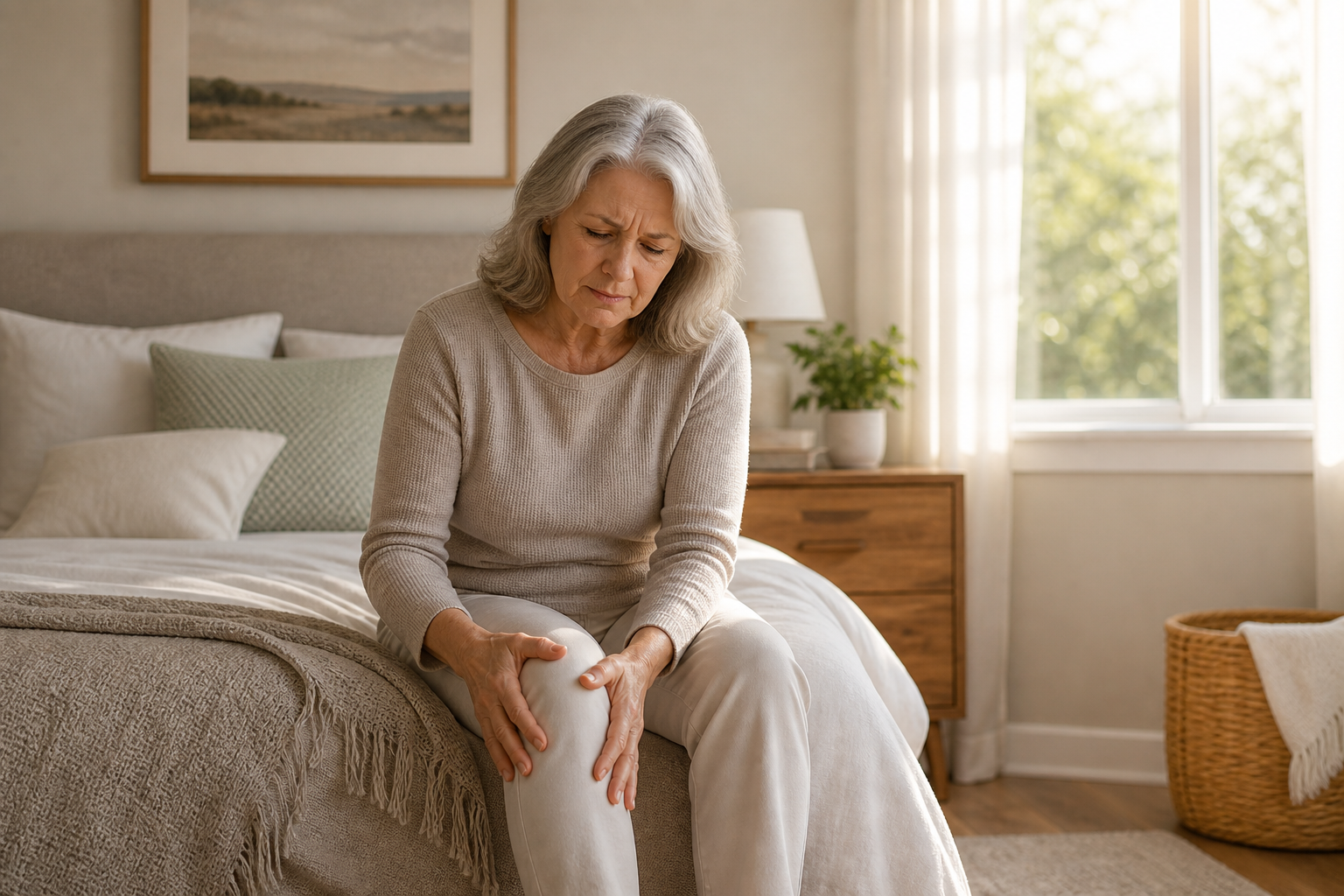
The Daily Frustration—And Why It’s Not “All in Your Head”
Let’s level with each other. Joint pain can be maddeningly unpredictable. Maybe your hips are fine all week until you take that one flight of stairs. Or your hands rebel when you’re trying to open a stubborn jar (my sister-in-law jokes she’s at war with peanut butter lids). It can be sharp, achy, or come and go. But no matter the type, it chips away at your confidence and independence. I’ve seen patients cancel trips, skip gardening, and even dread grocery shopping because of it.
That hit to your quality of life? It’s real. And it’s not just you being “sensitive.” Research from BMJ in 2021 found that women’s pain thresholds can drop after menopause—which means discomfort can genuinely feel more intense than it did at 40 or 50.
The Science: What Causes Joint Pain in Women Over 60?
Here’s where most advice falls short. People say, “It’s just arthritis!”—but the reality is much more nuanced. Let’s unpack the main culprits, and I’ll share a few things your doctor probably didn’t mention at your last physical.
1. Osteoarthritis: The Wear-and-Tear Culprit
Osteoarthritis is, hands-down, the single most common cause of joint pain in women over 60. But it’s not just “old age.” Years of use (or overuse) gradually wear down the cartilage—the smooth tissue that cushions your joints. Once that shock absorber gets thin, bones rub together. That’s where the grinding, popping, and morning stiffness come from. According to Arthritis & Rheumatology, women over 60 are nearly twice as likely as men to develop osteoarthritis in the knees and hands.
And here’s the kicker: hormonal shifts play a major role. Estrogen helps protect cartilage, so when menopause hits and those levels drop, your joints lose a critical layer of defense.
2. Rheumatoid Arthritis: An Immune System Swerve
If your joint pain is symmetrical (say, both wrists or both knees swell and ache), don’t ignore it. Rheumatoid arthritis (RA) is an autoimmune condition—a real curveball where your body’s defense system starts attacking healthy joint tissue. RA is much less common than osteoarthritis, but it’s way more common in women (especially after 50). If you have morning stiffness lasting longer than 45 minutes, or you notice redness, swelling, or systemic symptoms like fatigue, talk to your doctor or a rheumatologist. Early treatment can make a world of difference.
3. Osteoporosis: The Silent Weakener
Here’s something a lot of my own patients find surprising: osteoporosis can cause joint pain, too! Not directly, but weak bones can change your posture and the way you move, putting extra strain on surrounding joints. Women lose bone density up to 20% faster after menopause, per Journal of Bone & Mineral Research. Compression fractures in the spine or subtle micro-fractures in the hips can mimic joint pain.
4. Bursitis and Tendinitis
Ever have a sudden flare-up—shoulder, elbow, or hip—that seems to arrive out of nowhere? It might not be “arthritis” at all. Bursitis (inflammation of the fluid pads that cushion your joints) and tendinitis (inflamed tendons) are both extremely common in women over 60. These conditions can feel like a dull ache, sharp twinge, or burning pain, often triggered by repetitive motion (think gardening, knitting, or pickleball tournaments).
5. Weight, Activity, and Genetics—The “Silent Factors”
Look, nobody loves talking about weight, but it matters. Every extra pound places about 4 additional pounds of pressure on your knees, according to a 2012 study in Arthritis Care & Research. But activity level is just as crucial—a sedentary lifestyle causes muscles to weaken, which means the joints have to pick up the slack. Genetics also plays a role. If your mother or grandmother struggled, your risk goes up. That doesn’t mean it’s inevitable—it just means knowledge is power.
“But My Labs Are Normal!”—The Underdiagnosed Causes
Here’s where things get interesting (and a little frustrating, honestly). I’ve lost count of how many women in their 60s say, “Sarah, my doctor says everything’s fine, but I still hurt.” A few under-the-radar culprits I see in my practice:
- Vitamin D Deficiency: Affects up to 60% of women over 60 (per Endocrine Society), leading to increased muscle and joint pain.
- Low Thyroid (Hypothyroidism): Subtle joint swelling and stiffness can be an early clue, especially if you’re also fatigued or cold all the time.
- Old Injuries and Scar Tissue: Sprained your ankle in your 30s? That area can become a “weak link” decades later.
- Medication Side Effects: Certain cholesterol meds, aromatase inhibitors (breast cancer treatments), and even some antibiotics can trigger joint pain as a side effect. Not many people talk about this, but it’s real.
One More That’s Overlooked: Sleep Problems
If you’re not sleeping well, your body can’t repair itself. Even a few bad nights can ramp up pain sensitivity, per a 2020 Sleep Medicine review. And yes—restless legs, hot flashes, and bathroom trips all conspire against women over 60. (A reader named Dana emailed me last month; she swore addressing her sleep hygiene did more for her knees than half the creams she’d tried. She might be on to something!)
How Joint Pain Actually Feels—And Why It’s Different for Women
Not all pain is created equal. Women tend to describe deeper, more diffuse aches—sometimes with burning or sharpness—while men’s joint pain is often sharper and better localized. There’s even evidence (see that 2021 BMJ study) that women’s nerves are wired to register inflammatory signals more strongly. In other words: your pain is real, and it’s not “just aging.”
The New Science: What Actually Helps (Beyond Just “Take Tylenol”)
If you’ve tried over-the-counter painkillers, you know how quickly they hit a ceiling. And, to be blunt, long-term reliance on NSAIDs comes with real risks—especially for blood pressure, kidney, and GI health. So, what actually works? Here’s what I recommend after 12 years in the clinic (and sifting through mountains of research):
- Movement (Gentle, Consistent): The more you move, the less you hurt—counterintuitive, but true. Low-impact activities like walking, water aerobics, and tai chi can strengthen muscles without stressing joints. A reader (shout-out to Shirley in Milwaukee) swears by chair yoga, and there’s solid research to back her up: a 2018 Annals of Internal Medicine study found a 30% reduction in pain scores for women over 60 who did tailored movement routines three times a week.
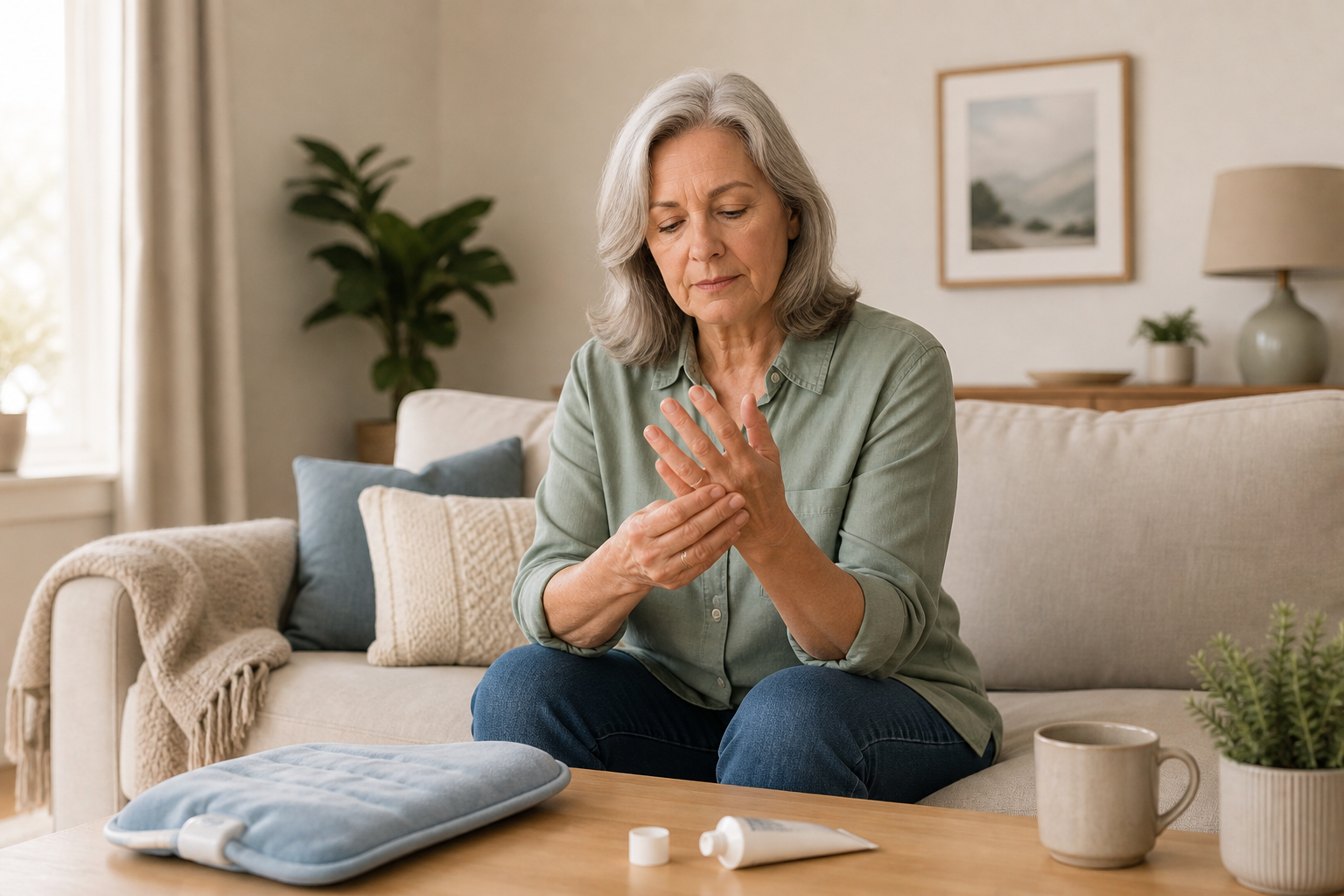
- Heat Therapy: This has been a total game-changer for many patients, especially in the morning or before bed. Moist heat penetrates deeper than dry, easing stiffness and prepping joints for movement. The Pure Enrichment PureRelief XL Heating Pad is a favorite because it covers broader areas (hips, knees, back), and the auto shut-off means you can relax without worry.
- Compression Support: Not gonna lie—I was skeptical about knee sleeves and braces for years. But after reviewing dozens (and seeing the real-life difference), I’ve changed my tune. The trick is consistency and the right fit. The Modvel Compression Knee Brace is affordable (so you can grab a pair), actually stays up, and has racked up more than 75,000 reviews. If you’re nodding along, you’re not alone—these are especially useful for stabilizing during errands or walks.
- Hands-On Therapy: Physical therapy isn’t only for post-surgical recovery. Targeted exercises can rebuild strength and flexibility, retrain balance, and gradually restore confidence. Don’t have access to a PT? A book I often recommend is Treat Your Own Knees by Jim Johnson—simple, research-backed moves that really do make a difference.
- Supplements: Here’s where it gets a little controversial. Glucosamine and chondroitin (at around 1500mg daily) have mixed evidence—some women swear by them, others notice no change. The Journal of Rheumatology 2016 review found modest improvements, especially in knee osteoarthritis. My advice? Give it a 3-month trial, track your pain, and discuss with your healthcare provider. (Not all brands are created equal—look for USP verification.)
- Topical Relief: Creams or roll-ons with menthol or capsaicin (think Biofreeze) can blunt pain signals for a few hours. They’re not a cure, but for acute flare-ups, they’re safe and effective.
Don’t forget—always talk to your doctor before starting new supplements, and if your joint pain is sudden, severe, or comes with swelling or fever, get checked ASAP.
Beyond the Basics: Addressing the Root Causes
Now, here’s the real kicker: most women over 60 are juggling more than one cause. Maybe it’s mild osteoarthritis and some old injury scar tissue. Or a bit of vitamin D deficiency layered on top of menopause-driven changes. This is why a “one-size-fits-all” approach usually fizzles out.
Here’s what I tell my patients: start a symptom journal. Track when pain is worst, what helps, and what seems to trigger it. Over a month, patterns emerge. Did you water the garden before your hands flared up? Did sleeping with a pillow between your knees reduce your hip pain? This detective work matters more than any fancy MRI.
Hormone Changes: The Unspoken Driver
I know it’s not a popular topic, but yes—postmenopausal hormone drops can amplify pain and slow recovery. Some women benefit from hormone replacement or alternative therapies—discuss this with your MD or gynecologist. A 2019 Maturitas review found that estrogen therapy modestly reduced joint stiffness, though the risks and benefits are highly individual.
What Doesn’t Work (No Matter What the Internet Says)
Let’s get this out of the way: there’s a lot of snake oil out there. Copper bracelets, miracle magnets, and sketchy “detox” teas—skip them. There’s just no solid science, and your wallet deserves better.
And I’ll be honest—long-term steroid shots or frequent NSAID use are more of a band-aid than a solution. They can help in the short term (especially during big flares), but overuse can damage cartilage or harm your stomach, kidneys, or blood pressure. Always use these under medical supervision.

Takeaways: How to Outsmart the Pain—And Keep Living Fully
If you remember nothing else, remember this: joint pain in women over 60 is rarely just aging. It’s a complex mix of wear-and-tear, hormones, nutrition, genetics, and lifestyle—and you have more control than you think. Here’s what I wish every woman knew:
- Pain isn’t “normal,” even after 60. If it’s limiting you, it’s worth investigating.
- Movement is your ally—not your enemy. Even gentle stretching or walking can help.
- Tools like compression braces, heat pads, and joint-friendly exercises aren’t “crutches”—they’re bridges to a better quality of life.
- Track your pain and share your patterns with your healthcare team. You’re your own best advocate.
- Stay open-minded but skeptical with new products and supplements—some help, some are hype.
If you’re struggling, reach out—whether it’s to your doctor, a physical therapist, or even a supportive friend. I read every email from readers, and I know firsthand how isolating chronic pain can feel. But small changes add up. You might just surprise yourself with what your body can still do.
—Dr. Sarah Mitchell, DPT
Senior Health Editor, JointReliefReviews.com