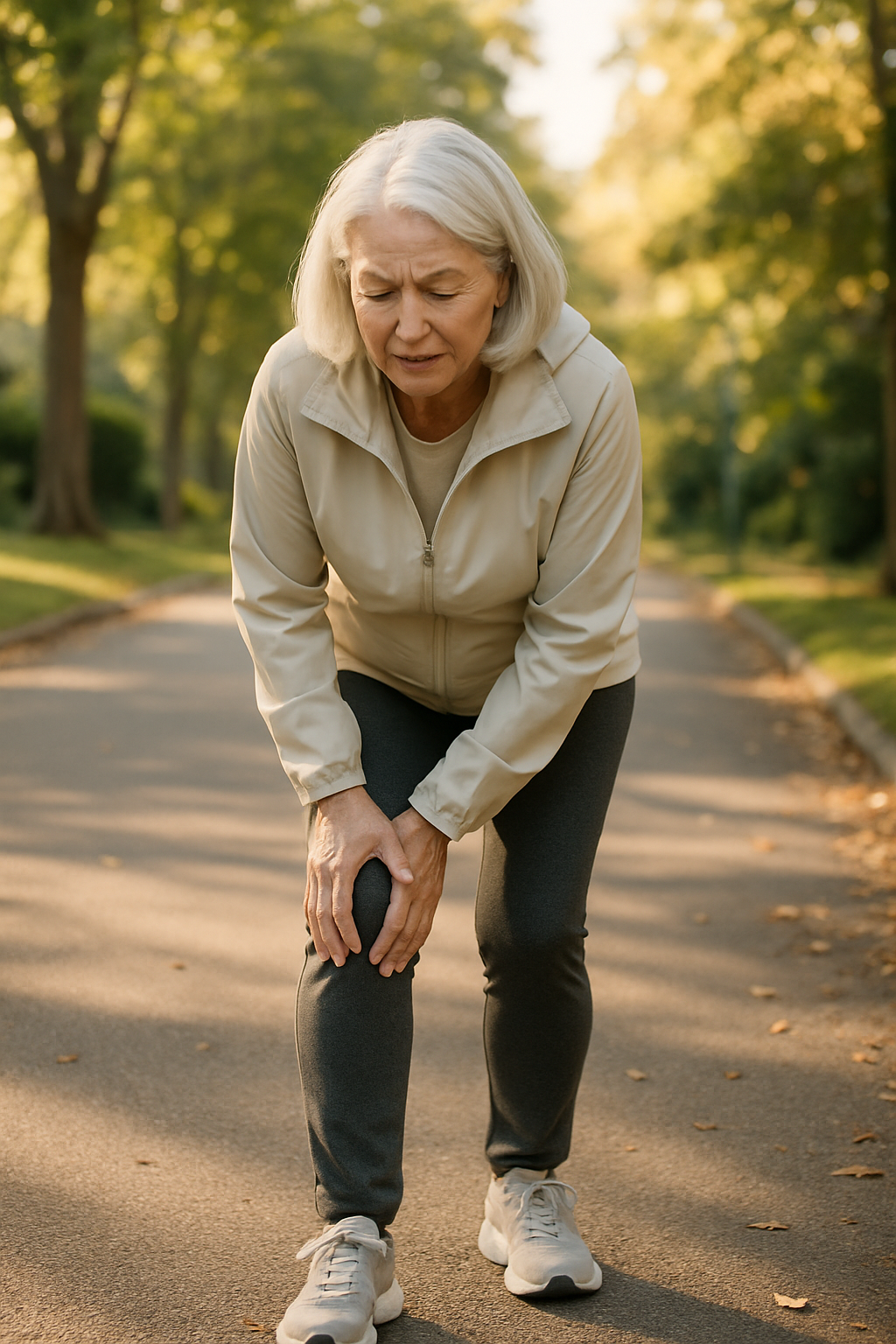
Why Does Joint Pain Seem to Show Up—Or Get Worse—After 60?
I’ll never forget the call I got from my old neighbor, Linda, a couple years ago. She was 67, active her whole life, and suddenly, just walking her dog around the block had become a production. Her knees were stiff, her fingers ached in the morning, and she found herself searching for "joint pain causes in women over 60" at 2am.
If that sounds familiar, know this: You are definitely not alone. According to a 2022 study published in Arthritis & Rheumatology, nearly 60% of women over age 60 report chronic joint pain. That’s not a typo. And most of my clients underestimate how much it can impact everything—from gardening to sleep. The real kicker? Most popular articles just skim the surface when it comes to the why.
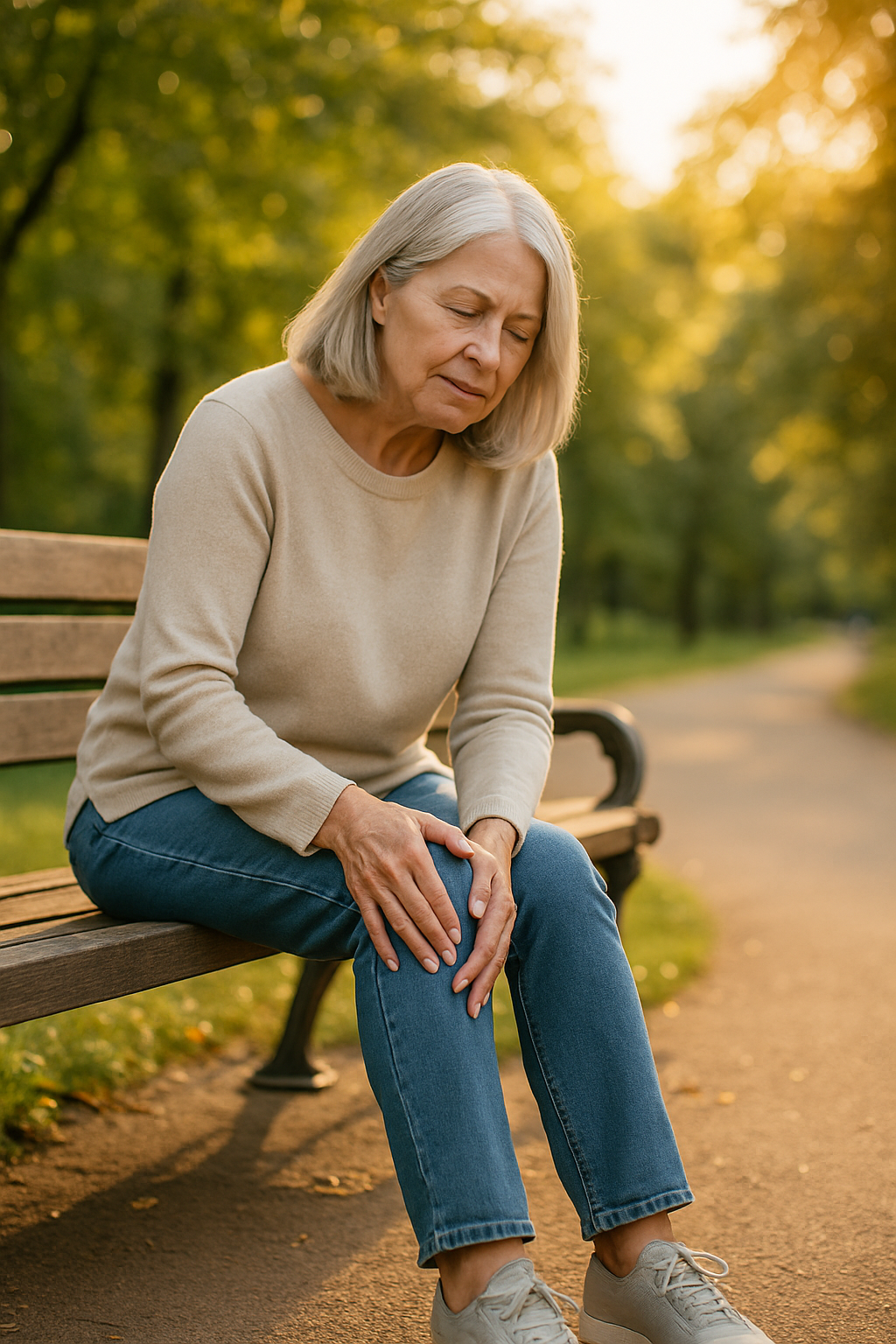
Let’s Get Real: The Daily Frustration (& Why You Deserve Better Answers)
Here’s the thing: Joint pain isn’t just about the discomfort itself. It’s about the fear of losing your independence, the annoyance of having to plan your day around your body, and the creeping anxiety that maybe this is just “how it is” now. I see it every week in my clinic, and I hear it from readers who write to me in the middle of the night: “Is this normal? Should it hurt this much to stand up after a movie? Am I the only one?”
Absolutely not. But you do deserve to understand the real causes—and more importantly, the realistic options for relief.
The Science: What’s Actually Behind Joint Pain in Women After 60?
Okay, I’ll be blunt: there’s no single culprit. If you’re looking for a neat-and-tidy answer, medicine will disappoint you here (and I’d be suspicious of anyone who says otherwise). Instead, here’s what the research and my own experience suggest:
1. Osteoarthritis (OA)
This is the big one, and it’s not just 'wear and tear.' Recent studies (see: BMJ 2023) have shown that the hormonal changes of menopause—specifically the drop in estrogen—can accelerate cartilage breakdown. Most women I see with OA experience morning stiffness and pain that worsens with activity and improves with rest. The knees, hips, hands, and lower back are the classic problem zones.
2. Inflammation (the Silent Aggravator)
Here’s where it gets interesting. Even if you don’t have a diagnosis like rheumatoid arthritis, low-grade inflammation can creep up with age. The Cleveland Clinic published a 2021 review showing that women are more prone to chronic, low-level inflammation after menopause. Why? Estrogen is anti-inflammatory, and as it wanes, the balance tips toward more joint swelling and soreness.
3. Past Injuries—Even Ones You Forgot About
Your body keeps the score. An old ankle twist from 1978? It can come back to haunt your gait (and your knees or hips) decades later. This isn’t just my anecdotal hunch—research in The Journal of Rheumatology (2020) estimates that 35% of post-menopausal women with knee pain had a significant injury history. Scar tissue, altered mechanics, and "favoring" one side can all add up over the years.
4. Weight Fluctuations
I know—nobody loves this topic. But every extra pound puts about four pounds of extra pressure on the knees. The Women’s Health Initiative tracked over 10,000 women for a decade and found that those who gained over 10% of their body weight after 55 had almost double the risk of developing troublesome knee pain by 65.
5. Other Medical Conditions
There are dozens of less obvious contributors: thyroid dysfunction, vitamin D deficiency, even certain medications. I’ve seen clients chalk everything up to "just aging," only to discover that treating their low thyroid or vitamin D brought noticeable relief. (Always discuss new pain with your doctor—sometimes the cause is less obvious than you’d think.)
What Does Joint Pain Actually Feel Like (and When Should You Worry)?
Joint pain in women over 60 is rarely just “pain.” It can be:
- A stiff, grinding ache in your knees after sitting for a bit
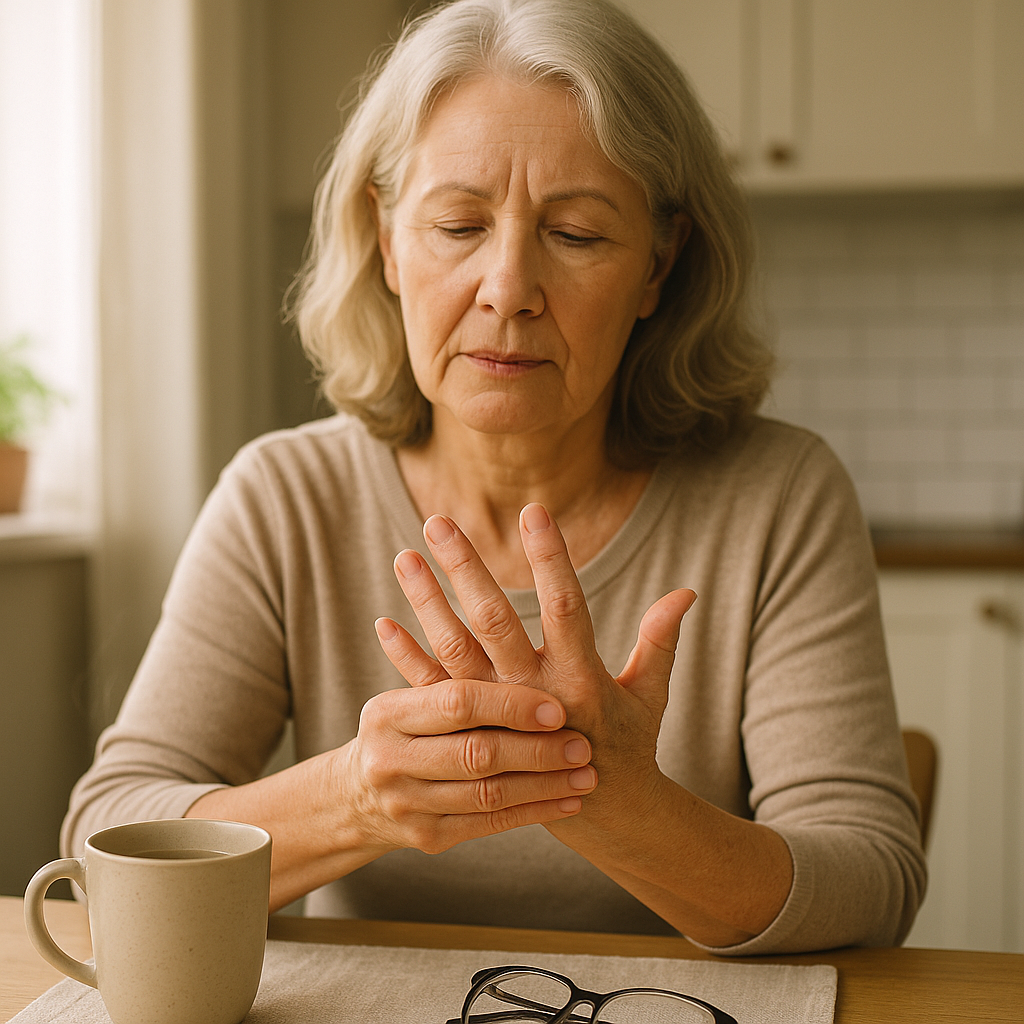
- Soreness and swelling in the fingers (hello, rings that won’t come off!)
- Sharp, stabbing pain with certain movements
- A nagging throb that keeps you awake at night
- Or even mild, background discomfort that just never seems to quit
The real warning flags? Red, hot, swollen joints; pain that wakes you up every night or is rapidly worsening; or sudden inability to move a joint. These require quick medical attention.
Digging Deeper: Menopause and Joint Health—What Most Articles Miss
Look, most mainstream advice barely mentions menopause. But in my experience—and backed by studies in Menopause (the journal, not just the life event)—the hormonal shifts of your 50s and 60s are a game-changer for joints. Estrogen doesn’t just influence hot flashes—it’s involved in cartilage hydration, collagen integrity, bone strength, and even pain modulation. Loss of estrogen means less cushioning and more friction in your joints. That’s not a scare tactic, it’s biology.
And here’s a fact: Research in 2022 found that women who began hormone replacement therapy within five years of menopause saw a 28% reduction in new-onset knee pain versus non-users. HRT isn’t for everyone, but it’s an under-discussed factor in joint health. Talk to your doctor if you’re curious—this is one area where “one-size-fits-all” advice falls flat.
So, What Can Actually Help? (And What’s Overhyped?)
I’ve reviewed dozens of products and "miracle cures" over the years. Here’s my honest, practical take—no snake oil.
Movement (Yes, Even When It Hurts)
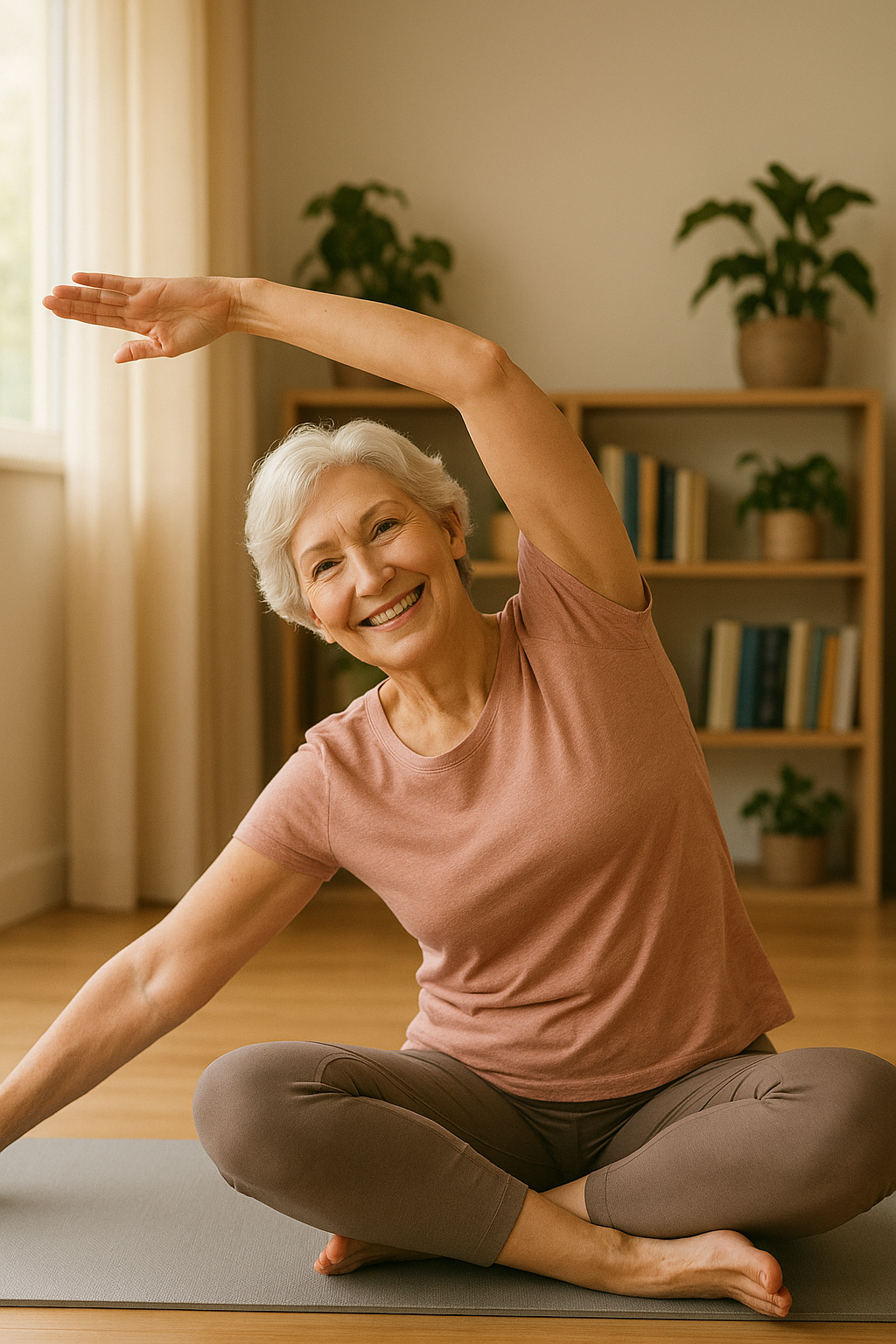
This is tough love. When you’re hurting, the last thing you want is to move. But gentle, regular exercise—even chair yoga or water aerobics—lubricates the joints, helps maintain cartilage, and keeps your muscles strong enough to support your frame. I’m a huge fan of evidence-based home routines, and one of my favorite resources is Treat Your Own Knees by Jim Johnson, PT. It breaks down research-backed moves you can do every day to build strength and flexibility—even if you’re new to exercise. (And yes, it really is as straightforward as it sounds. My mother-in-law swears by the simple quad sets from this book!)
Compression and Support
I know knee braces aren’t glamorous, but a well-designed sleeve can be a game-changer for everyday comfort or gardening sessions. For those looking for something affordable and surprisingly comfy, I frequently recommend the Modvel Compression Knee Brace. Over 75,000 reviews can’t all be wrong, and (not gonna lie) I’ve seen clients wear these out dancing. The anti-slip silicone strips are a lifesaver for folks who find most sleeves just end up bunched around their ankles by noon.
Heat Therapy—Still Underrated
I wish more people knew how powerful a plain old heating pad can be. Moist heat increases blood flow, loosens stiff muscles, and can make it easier to move in the morning. I keep a PureRelief XL Heating Pad in my office because the XL size actually covers both knees—or the entire lower back—at once. (Extra bonus: it shuts off automatically, so you won’t accidentally roast yourself during an afternoon nap.)
Supplements: Promise vs. Proof
Here’s where I get picky. Glucosamine, chondroitin, and MSM have some evidence—especially when taken at the clinically studied dosages (think 1500mg glucosamine sulfate daily). But not all brands are created equal, and not everyone sees dramatic improvement. In the Journal of the American Medical Association (2022), about 60% of patients with mild to moderate knee OA reported at least "some" benefit from a daily supplement, versus about 40% with placebo. Worth trying for a few months, but manage your expectations, and always check with your doc if you take other meds.
Diet and Inflammation
If you’re nodding along with morning puffiness or finger swelling, here’s a sneaky culprit: ultra-processed foods. Diets higher in sugar, red meat, and industrial seed oils can quietly stoke inflammation. On the flip side, Mediterranean-style eating—think olive oil, leafy greens, berries, salmon—has been linked to lower markers of joint inflammation. No need to go full rabbit: even swapping white bread for whole grain and adding an extra serving of veggies daily can make a difference over time.
Don’t Ignore Sleep (Seriously)
Unpopular opinion: One bad night of sleep can make your joints ache more the next day. This isn’t just my observation; a 2021 study in Sleep Medicine found that postmenopausal women with insomnia reported 30% higher levels of daily joint pain. If pain is keeping you up, mention it to your doctor. Sometimes, treating pain at bedtime (with heat, gentle stretching, or as-needed medications) can improve both your sleep and pain over the long run.
When to See a Pro
If you’re finding that your pain is progressing, causing you to limp, or interfering with things you love—don’t tough it out alone. Physical therapy can help you retrain movement patterns, strengthen stabilizing muscles, and learn tricks (like using a cane correctly) that can restore independence.
A Few Controversies—And What Most Folks Won’t Tell You
This might ruffle some feathers, but here goes:
- Not all joint pain is inevitable after 60. Genetics matter, but so does lifestyle. I’ve seen women in their late 70s with almost zero pain—because they stayed active, managed weight, and addressed problems early.
- Surgery isn’t always the last resort you think it is. Some people wait far too long, suffering needlessly. If your x-rays match your pain and you’ve tried conservative care, joint replacement can restore quality of life. But don’t let anyone rush you, either.
- Topical treatments can help—sometimes. Menthol-based roll-ons like Biofreeze give short-term relief for overworked joints (I use them after long days on my feet), but don’t expect miracles. They’re a tool, not a cure.
Practical, Expert-Backed Takeaways
- Start with gentle movement, daily—consistency matters more than intensity.
- Try support gear (like compression sleeves) for flare-ups or longer days on your feet.
- Use moist heat for stiff joints, especially first thing in the morning or after activity.
- Be skeptical of miracle pills, but evidence-backed supplements (at correct doses) are worth considering for a trial period.
- Address weight and dietary factors—small changes add up.
- If pain is escalating, waking you up, or limiting your life: advocate for yourself, and get a specialist’s opinion.
Final Thoughts (And a Bit of Encouragement)
I’ve spent over a decade in physical therapy, and if there’s one message I want every woman over 60 to hear, it’s this: You are not your X-ray. Joint pain is hugely common, but it’s not a sentence. The earlier you address it—gently, consistently, realistically—the better your odds of staying active, independent, and feeling like yourself.
Stay curious, stay kind to your body, and don’t be afraid to ask for help. You’ve got this—and if you want to share your own story or ask for tailored advice, drop me a line. I read every message.
Written by Dr. Sarah Mitchell, DPT
Senior Health Editor, JointReliefReviews.com. Over 12 years in clinical practice—helping women reclaim mobility, comfort, and peace of mind.