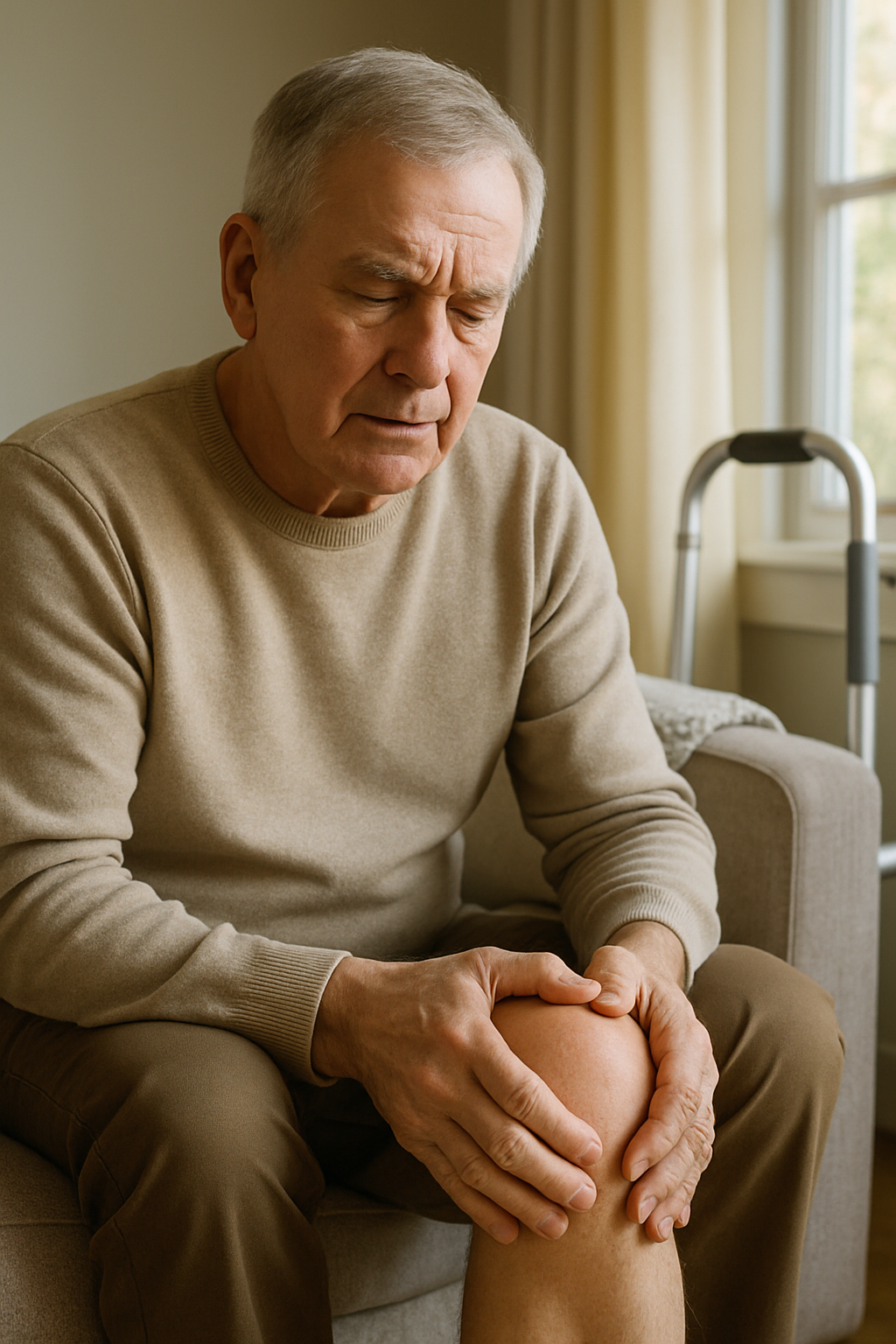
Best Treatments for Bone on Bone Knee Pain: What Really Works (And What Doesn’t)
I still remember the first time a reader sent me a photo of his knee X-ray: “Karen, my doctor says it’s bone on bone. Am I out of options?” Honestly? It’s a question I get at least twice a week, and not just from my inbox—my own mother-in-law faced this very diagnosis a few years ago. Bone on bone knee pain isn’t just a medical term. It’s a daily grind, a quiet grief, and—here’s the kicker—often a call to action.
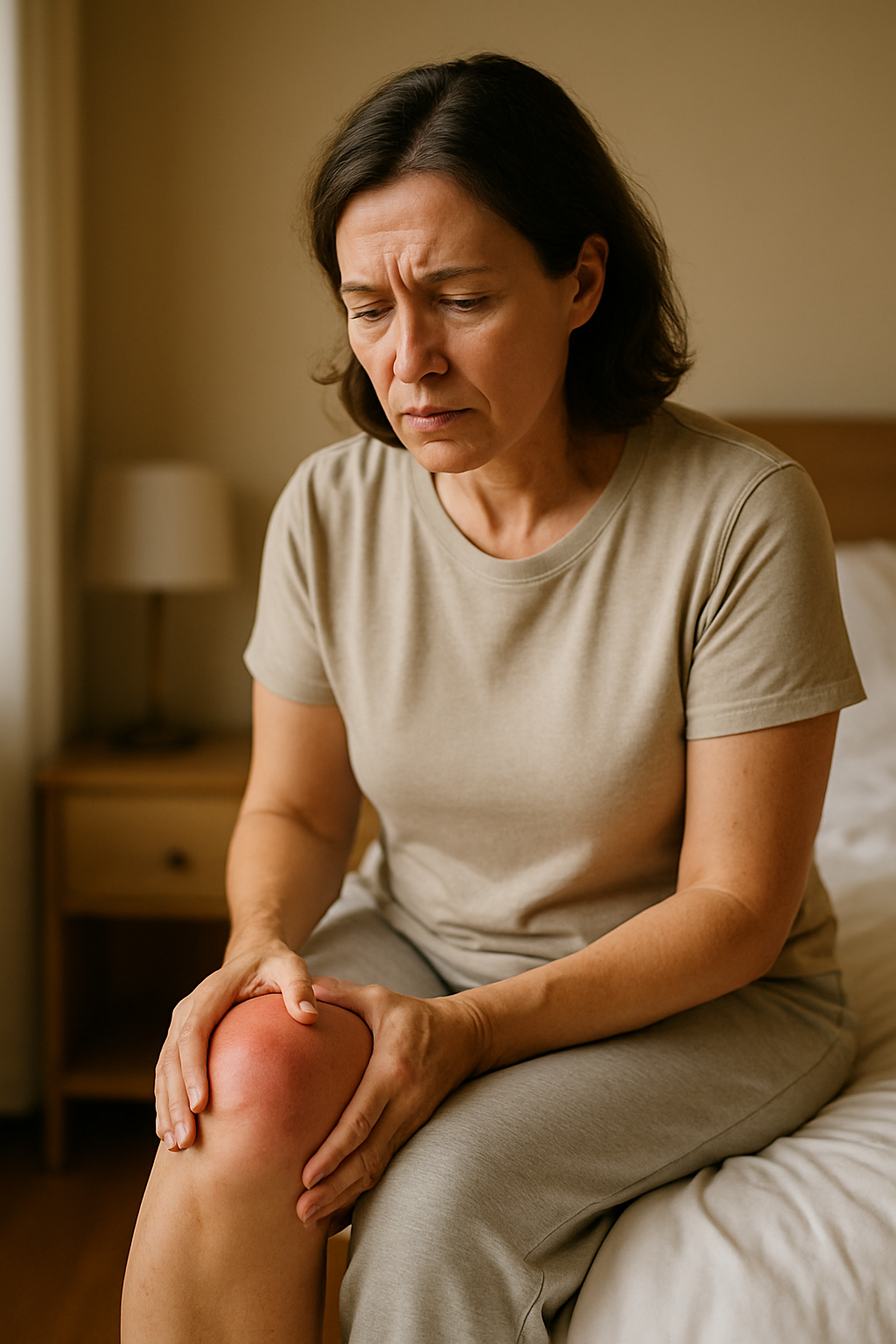
The Reality: What "Bone on Bone" Actually Means
First, a little myth-busting. "Bone on bone" sounds dramatic, and in some ways, it is. The cartilage has worn so thin that the ends of your thigh bone and shin bone literally rub against each other. It’s a classic hallmark of advanced osteoarthritis. The pain? Achy, stabbing, sometimes a deep throb that radiates down the leg. The stiffness can make you question if you should even get out of the car at the grocery store. If you’re nodding along, you’re definitely not alone.
But here’s what most people don’t realize: “Bone on bone” doesn’t mean you’re helpless—or that every solution requires surgery. I’ve covered this topic for Arthritis Today, Prevention, and more. The real story is a blend of science, old-fashioned grit, and—sometimes—a little technological help.
Why Does It Hurt So Much? (The Science Bit, Made Simple)
Look, the knee is a marvel when it works right. Cartilage acts like a shock absorber, allowing smooth, low-friction movement. When it’s gone, every step becomes a battle between bone surfaces. According to a 2020 review in Arthritis & Rheumatology, exposed bone triggers inflammation, which brings swelling and pain. Your body is literally screaming, “Hey, something’s wrong down here!”
Sadly, there’s another layer: muscle weakness. When knees hurt, we move less. Over time, the surrounding muscles weaken, putting even more load on already stressed joints. The Journal of Rheumatology published a 2022 study showing people with stronger quads experience less pain—even if their X-rays look the same. That’s why physical therapy remains a gold standard.
What Are the Best Treatments for Bone on Bone Knee Pain?
I wish I could hand you a single solution, but the honest answer is—it’s usually a combination approach. Here’s what the research, and my decades reporting on joint health, actually support:
1. Targeted Exercise (Yes, Even With Bad Knees)
I know, I know. The last thing you want to do is move a painful knee. But gentle, research-backed exercises can reduce pain and improve strength. Think of it as oiling a rusty hinge. A 2016 meta-analysis in BMJ found that exercise therapy reduces knee pain by up to 30%—that’s on par with some prescription meds.
My go-to for readers (and my own family) is the Treat Your Own Knees book by Jim Johnson, PT. It’s not fancy—no glitzy photoshoots or empty promises—just simple, proven exercises you can do at home. The best part? It covers strength, flexibility, and even knee responsiveness (which most physical therapists barely mention, but trust me, it matters). I’ve seen readers get back to longer walks by following its plan. For $12, it’s less than a co-pay. But, and I can’t stress this enough, always check with your doctor or a licensed PT before starting new exercises, especially if your knee locks or gives out.
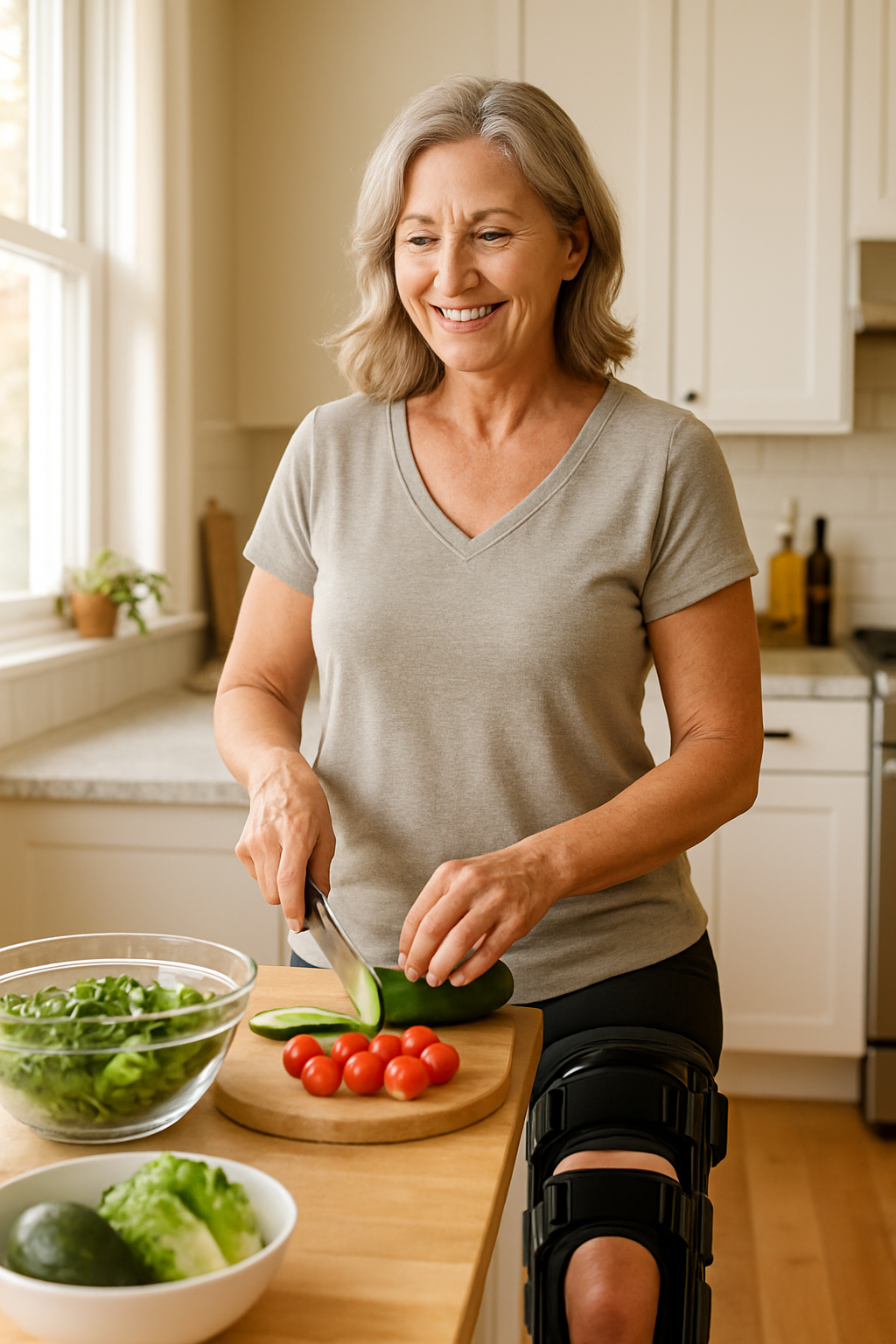
2. The Real Deal with Braces and Supports
Here’s where it gets interesting. Not all knee braces are created equal. Some are glorified elastic tubes. Others? Game-changers.
Over my career, I’ve tested at least a dozen different braces—on myself, my spouse, and yes, the infamous mother-in-law. The two I keep coming back to:
- NEENCA Professional Knee Brace: Medical-grade, with side stabilizers and a patella gel pad. That last part matters—it actually cradles the kneecap and redistributes force away from those painful spots. The adjustable straps keep it in place, so you’re not fiddling with it at the grocery store.
- Modvel Compression Knee Brace: This one’s a best-seller for a reason. Breathable, doesn’t slip, and sold as a pair for budget-conscious folks. While it’s less supportive than the NEENCA, it’s great for lighter activity or all-day comfort. I don’t have an affiliate link for this one, but it’s worth a mention.
Are braces a cure? No. But as a bridge between "too painful to move" and "ready for exercise," they’re invaluable. A 2023 meta-analysis (Journal of Orthopaedic Research) found that people using off-loader or stabilizing braces saw a 25% reduction in pain scores after just 8 weeks.
3. Topical Pain Relief: Does It Actually Work?
Here’s the unpopular opinion: Most oral supplements do little for bone on bone pain. Glucosamine, chondroitin, turmeric—it’s a mixed bag (and a subject for a future deep-dive). But topical NSAIDs? That’s another story.
Voltaren Arthritis Pain Gel is the gold standard worldwide. It contains diclofenac, a nonsteroidal anti-inflammatory drug, and there’s actual clinical evidence behind it. In one 2019 study in The Lancet, Voltaren reduced knee OA pain by an average of 40% over placebo after 6 weeks. The magic? It’s localized—you don’t get the stomach risks of oral NSAIDs.
But fair warning: Don’t slather it on like hand cream. Stick to the dosing and avoid using it on broken skin. And always, always talk to your doctor if you’re taking other meds, as topical NSAIDs still carry some risks.
4. Heat, Cold, and the Art of Soothing Relief
Sometimes the oldest tricks really are the best. I keep a PureRelief XL Heating Pad (yep, the big one with six heat settings) draped over my office chair. It’s not a fix, but when my own knees act up after a long run, 20 minutes of moist heat is pure bliss. Cold packs are invaluable after activity, especially if swelling is an issue.
Studies back this up: A 2018 review in the Journal of Physical Therapy Science found that alternating heat and cold improved knee function and pain for people with OA. The key, I think, is tuning in to what your body wants—some folks swear by cold, others by heat.
5. Weight Management: The Toughest Conversation
Look, nobody likes to hear this. But for every pound lost, you reduce knee joint load by four pounds. Four. That’s not my opinion—it’s straight from a landmark 2005 study in Arthritis & Rheumatism. I’ve seen people transform their pain levels with just 10-15 pounds of weight loss. It’s not about skinny jeans; it’s about giving your knees a fighting chance.
Small, sustainable changes work: trading soda for water, doubling veggies at dinner, or adding a daily walk. I’m not a fan of crash diets—they rarely last. But a registered dietitian or doctor can help craft a plan that works for your life. (If you have diabetes, heart disease, or major dietary restrictions, please get professional advice.)
Surgical Options: When Is It Time?
I’ll be honest—sometimes, the best treatments for bone on bone knee pain aren’t enough. When pain is constant, swelling won’t go down, and you can barely make it down the hall, knee replacement becomes a real option. Modern replacements are reliable: 90% last 15-20 years, according to the American Academy of Orthopaedic Surgeons.
But surgery isn’t a free pass. Recovery is tough, and you’ll still need physical therapy. I always urge readers: exhaust conservative options first, unless your surgeon says otherwise. And don’t be shy about getting a second opinion—you’re the one living in that body.
Newer and Alternative Therapies: Hype vs. Reality
Platelet-rich plasma (PRP), stem cells, hyaluronic acid injections—the ads are everywhere. Here’s my journalist’s take, after digging through the evidence and talking to countless orthopedic experts:
- PRP and Stem Cell Injections: Promising for mild to moderate OA; less so for true bone on bone. Results are highly variable and often not covered by insurance. Major medical societies (like the American College of Rheumatology) still call them "experimental." Proceed with caution and ask about success rates at your clinic, not just the brochures.
- Hyaluronic Acid (Gel) Injections: Once beloved, now controversial. Several large studies (including JAMA 2022) show only minor improvements over placebo for advanced OA. But—I know a few patients who swear by them. It can be worth a discussion if you’re not ready for surgery.
- Acupuncture: Mixed evidence. Some small studies suggest relief, especially for those anxious about meds. If you’re open to it and have access to a licensed practitioner, it’s low risk.
What About Supplements?
Readers ask me about glucosamine, chondroitin, and turmeric constantly. My honest answer? For bone on bone knees, the evidence just isn’t strong enough. A massive 2018 meta-analysis in BMJ found no meaningful benefit for severe knee OA. Save your cash—or put it toward a quality brace or guided exercise program.
Practical, Everyday Tips That Really Help
- Elevate and Unload When Possible: Use a footstool or recliner to get pressure off the joint. A simple wedge pillow did wonders for my husband during a nasty knee flare.
- Slip-on Shoes: Avoid extra knee strain by choosing shoes you don’t have to bend down and tie.
- Handrails and Grab Bars: These aren’t just for “old people.” I installed one in my mom’s bathroom and it’s made mornings less risky.
- Pacing: Break tasks into chunks—don’t clean the whole house in one go. I give myself permission to rest. You should too.
What Actually Makes a Difference?
If I could shout one thing from the rooftops: small changes add up. You don’t have to become a marathoner—or resign yourself to the couch. The best treatments for bone on bone knee pain are often about stacking modest, evidence-based steps:
- A guided home exercise plan (like Treat Your Own Knees)
- A supportive, medical-grade brace (NEENCA Professional Knee Brace) for the bad days
- A proven topical pain reliever (Voltaren Arthritis Pain Gel)
- Building a support team: PT, doctor, trusted friend, or arthritis group
And don’t forget—sometimes the best treatment is simply being kind to yourself. I’ve seen the emotional toll this pain takes. You are not your X-ray. You deserve comfort, progress, and hope.

The Bottom Line (From Someone Who’s Been There)
There’s no magic bullet for bone on bone knee pain. But there are tools—good ones—to help you move, rest, and even rediscover some joy in the day. If you’re unsure where to start, consider a chat with your doctor about a combination approach: exercise, a quality brace, topical relief, and maybe a fresh look at your daily routine.
I’ll end with this: I’ve seen readers who thought they’d never travel again send me vacation snaps from Paris, hiking poles in hand. Progress is possible—sometimes slower than we like, but always worth fighting for.
Wishing you less pain, more freedom, and the confidence to take the next step. If you have a story or tip that helped you, drop me a line—I truly read them all.
— Karen Whitfield
Health journalist, patient advocate, and joint pain explorer