The Truth About Sleep Positions For Hip and Knee Joint Pain: What Really Works (and What Makes It Worse)
Finding a comfortable sleep position with hip or knee pain can feel impossible. As a veteran joint health journalist, I’ll walk you through what works, what doesn’t, and how a few real-world tweaks (plus the right supports) can make all the difference.
Karen Whitfield
Verified Health Writer
The Truth About Sleep Positions For Hip and Knee Joint Pain: What Really Works (and What Makes It Worse) - featured image
The Night I Learned About Joint Pain (the Hard Way)
I still remember my first real experience with night-time joint pain. It was a muggy July night, and I’d just spent the afternoon gardening with my mother-in-law (she’s 71, and frankly, puts my weeding skills to shame). That night, I crawled into bed, exhausted—and within an hour, my left hip throbbed with every tiny movement. Sleep? Forget it. Like so many of you, I tossed, I turned, I tried every position. Nothing worked.
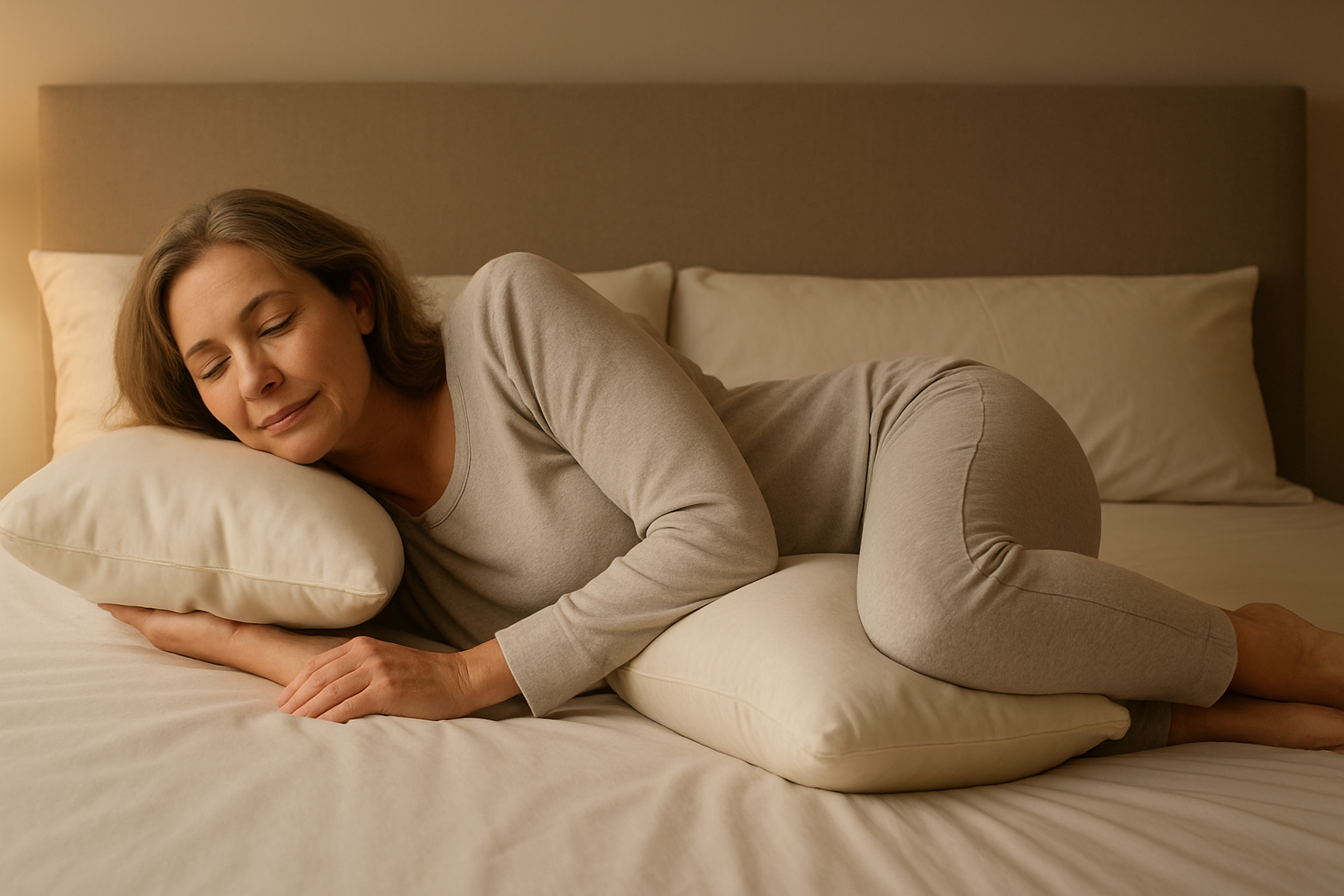
Woman using pillow between knees for hip and knee pain in bed
And here’s the thing: I’m a health journalist who’s spent years interviewing rheumatologists, physical therapists, and real people living with joint issues. But it wasn’t until that night that I truly understood how maddening sleep can be with sore hips or knees. If you’re nodding along, you’re not alone. A 2021 study in Arthritis Care & Research found that over 55% of people with hip or knee osteoarthritis report disrupted sleep at least three nights a week. That’s more than half of us, awake at 2 a.m., cursing our mattress or our anatomy.
Why Sleep Positions Matter So Much for Joint Pain
Let’s cut through the usual advice: not all sleep positions are created equal—especially if your joints are cranky. The way you lie at night changes the pressure and alignment on your hips, knees, and even your lower back. I’ve spoken with dozens of orthopedic specialists for Arthritis Today and Everyday Health over the years, and the consensus is clear: the wrong position can inflame tissues, reduce circulation, and set you up for a miserable morning.
On the flip side, get it right—and you might finally wake up feeling rested, not wrecked. But there’s a lot of misinformation out there (Pinterest, I’m looking at you), and some “classic” sleep hacks can actually make things worse. Here’s what you need to know.
Side Sleeping: The Classic—With a Caveat
Side sleeping is hands-down the most popular position for people with hip and knee pain. It makes sense: less direct pressure on your joints, natural fetal curl, and an easy habit for most of us. But here’s the kicker—if you just flop onto your side, you’re likely stacking your knees and ankles, which can twist your hips and torque your knee joint.
What’s the fix? Pillows are your best friend here. Place a soft, supportive pillow between your knees (not too thick, not too flat). I tell my readers to imagine their knees and ankles floating, parallel, with the pillow’s help. This reduces stress on the inner knee (medial collateral ligament, for you anatomy buffs) and keeps your hip in line. Bonus: it’s great for your low back, too.
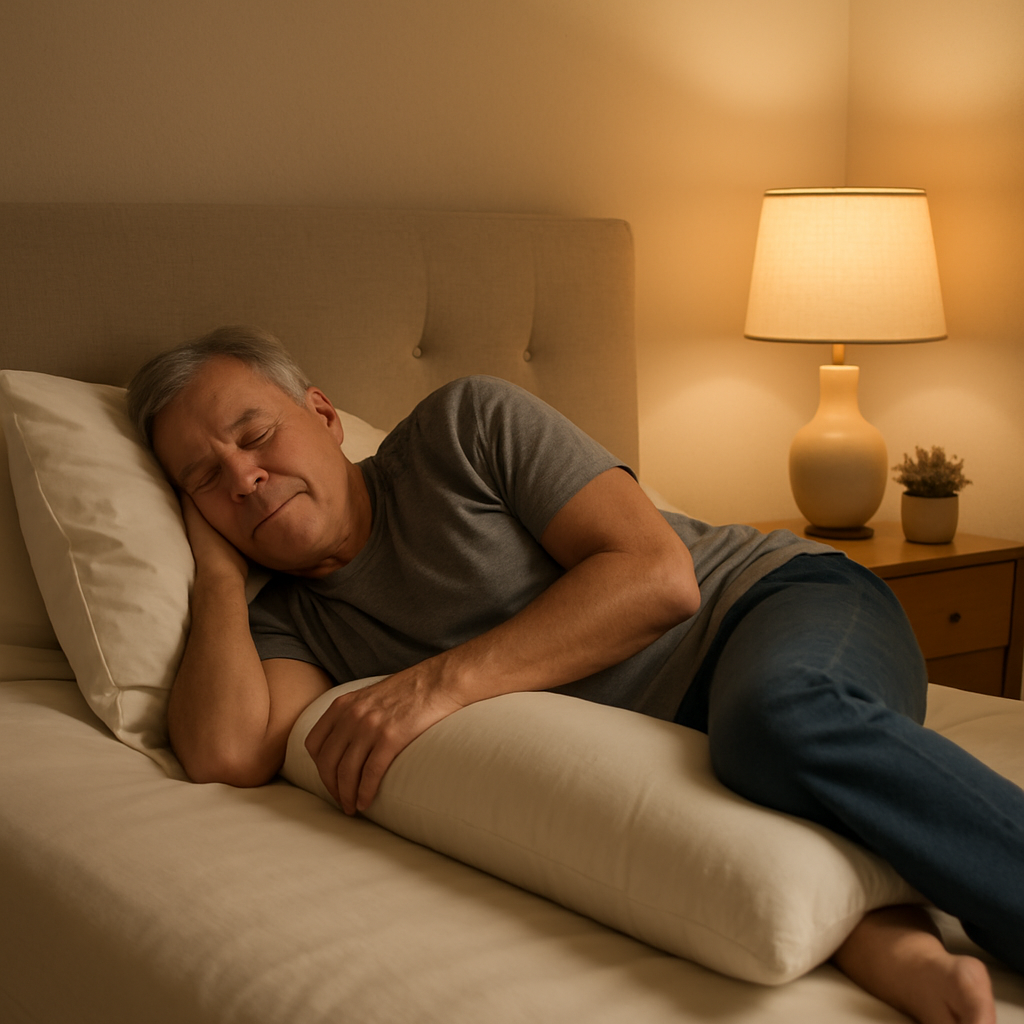
Personal note—my go-to trick is grabbing one of those long, squishy body pillows. My husband jokes that I cuddle it more than him, but my hips and knees thank me every morning. Side sleepers often swear by this setup for a reason.
Which Side Is Better—Left or Right?
This one’s surprisingly controversial at arthritis conferences. There’s some evidence (see the 2018 Journal of Rheumatology review) that sleeping on your “good” side gives your painful hip a breather. But if both sides hurt, rotate carefully and use extra pillows behind your back for gentle support. And if you have heartburn or reflux, left-side sleeping may help digestive comfort—two birds, one pillow.
The Back Sleeper’s Guide: Pros, Cons, and Smart Tweaks
Look, I know “sleep on your back” is the kind of advice that gets eye rolls. But it can work wonders for joint pain—if you do it right. Lying flat creates a neutral spine, and you avoid squishing your hips or knees against the mattress. The problem? For many, it’s just not cozy, and without support, your lower back can sag, while your legs rotate out (putting pressure back on the hips).
Here’s what helps: position a small pillow or rolled-up towel under your knees. This little tweak flattens the lumbar curve and reduces pull on hip flexors. In clinic studies (like the 2020 paper in BMC Musculoskeletal Disorders), patients with knee pain reported significant improvement with knee support in this position. I’ve tried it myself during post-hiking soreness—genuinely transformative.
But don’t force yourself to back-sleep if it aggravates snoring or sleep apnea. Comfort is king, and fighting your natural sleep habits rarely ends well.
The Big No-No: Stomach Sleeping
If you’re a stomach sleeper… I get it. It can feel cozy, and sometimes it’s the only way folks can drift off. But for hip and knee joint pain, this position is basically public enemy number one. Stomach sleeping forces your hips into extension and twists the knees outward, straining ligaments and inflaming bursa around the joint. I’ve spoken with multiple physical therapists who say roughly half of their chronic hip pain patients sleep this way. It’s a hard habit to break, but worth trying if pain is ruining your nights.
If you absolutely must stomach sleep, place a thin pillow under your pelvis and another under the ankles. This can limit how much your hips and knees sag into awkward angles. But honestly—if you can transition to side or back sleeping, your joints will likely thank you.
Pillow Science: What Actually Works?
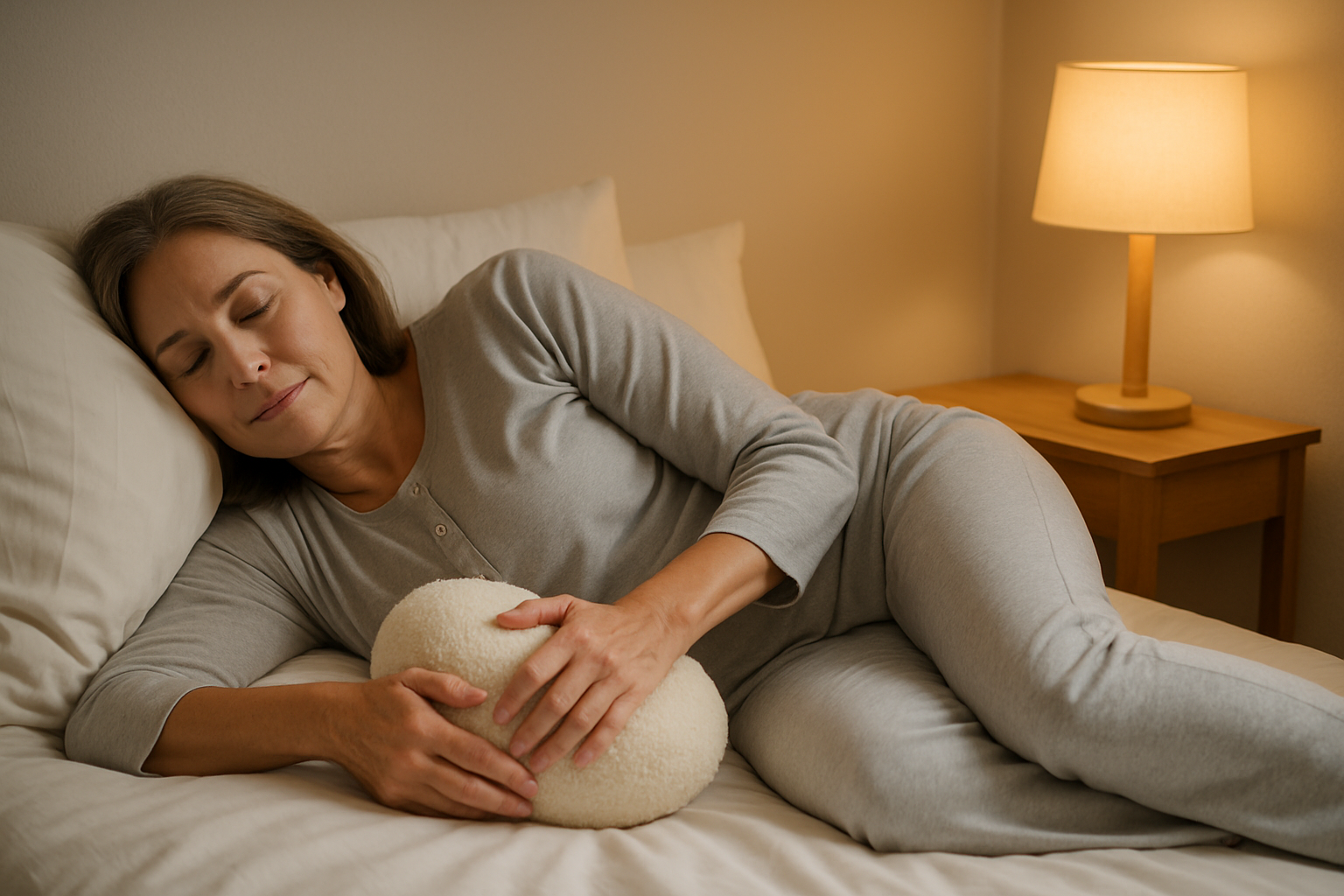
You’ve probably seen those “orthopedic” pillows that promise the moon. Some are genuinely helpful, others… overpriced fluff. What matters most is height and support. Too-thick pillows push your legs apart unnaturally; too-thin ones do nothing. I usually tell people: try a regular bed pillow, fold it in half. If that feels good, you might not need a fancy specialty model at all.
But for those who want consistent support without fussing with pillows all night, compression knee braces can sometimes help, especially if you tend to move a lot in your sleep. One that’s become a bit of a staple among my readers—and genuinely affordable—is the Modvel Compression Knee Brace. It’s soft, comes as a pair (so both knees get TLC), and the anti-slip design means you won’t wake up digging around for it at 2 a.m. I’ve tried these after long writing jags when my knees ache—surprisingly effective for gentle, all-night support without feeling constrictive.
Senior man side sleeping with body pillow supporting knees and ankles
Extra Tips for Better Joint-Friendly Sleep
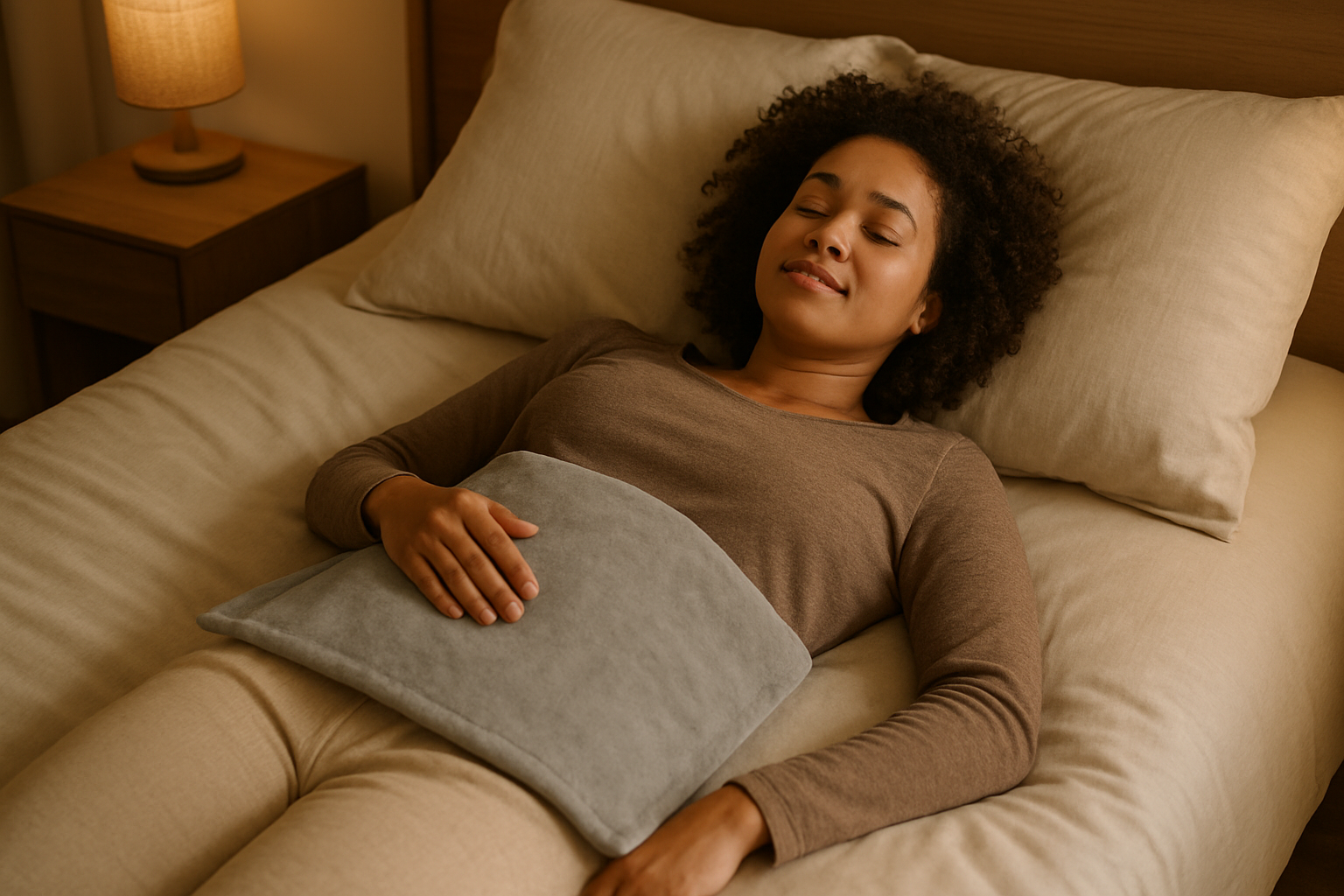
Heat before bed. A little warmth can soften tight muscles and soothe achy joints. My favorite is the Pure Enrichment PureRelief XL Heating Pad—it’s wide enough to drape over both hips or knees, plus the moist heat option does wonders for deeper tissue relief.
Mattress reality check. I know, I know—mattresses are expensive. But if yours sags in the middle or is older than your college student, it may be time for an upgrade. Studies out of Spain (see Sleep Health, 2015) found that medium-firm mattresses reduce musculoskeletal pain better than ultra-soft or ultra-firm options.
Stretch it out. Gentle stretches before bed—think hamstring and quad stretches, easy hip openers—can help reset muscle tension and ease you into sleep. Don’t go hard; the goal is relaxation, not a late-night yoga class.
Consider topical pain relief. I’m a fan of non-greasy creams like Voltaren Arthritis Pain Gel (diclofenac sodium, FDA-approved), applied before bed. Several of my readers swear it knocks down pain enough to actually fall asleep—sometimes that’s all you need to get those precious few hours.
Don’t ignore mental stress. Anxiety and pain feed off each other. I’ve had readers who found guided sleep meditations or calming music (even just 10 minutes) made enough difference to let their body relax properly.
Quick disclaimer: None of these tips replace actual medical care. If you’re experiencing severe, constant pain or sleep loss despite making changes, talk to your doctor, ideally one who specializes in joint or sleep medicine. Sometimes prescription medication, injections, or physical therapy is needed—and that’s OK.
How Do Sleep Positions Affect Healing?
This is one of those nerdy questions I get from readers who, like me, want the "why" behind the advice. Here’s what the science says: At night, your body ramps up tissue repair and reduces inflammation (thank you, circadian rhythms). But positions that compress or twist sore joints can actually delay healing, making inflammation worse. In a 2019 BMJ Open trial, patients who used optimal side or back sleeping with support reported not just better sleep, but lower pain scores after two weeks. The takeaway? You’re not just making yourself comfortable—you're helping your body actively recover.
One overlooked benefit: supported sleep positions can reduce tossing and turning, so you spend more time in deep, restorative sleep phases. That’s when growth hormone and natural anti-inflammatory processes are doing their best work. (No, you don’t need eight pillows tucked everywhere—just the right support in the right places.)
What About After Surgery or a Flare-Up?
If you’ve had knee or hip surgery, or you’re in the middle of an arthritis flare, sleep becomes a whole new challenge. I remember interviewing an orthopedic nurse who said her patients always do better with very consistent pillow placement and a bit of gentle compression. If your doc hasn’t given specific sleep instructions, ask! Certain surgeries require you to avoid certain positions. For a non-surgical flare, the same basic principles apply, but you may want softer pillows or more frequent position changes. The key is listening to your body each night—a little experimentation is part of the process.
Woman using heating pad on hip at night to relieve joint pain
Takeaways—And A Few Things Most Articles Won’t Tell You
Here’s what I wish someone had told me years ago: There is no “perfect” position that works for everyone, every night. Bodies change, pain shifts, and what worked last month may need tweaking. The goal isn’t to achieve some mythical sleep posture, but to find what lets you wake up with less pain. For most, that means side or back sleeping with smart pillow placement, compression support if it helps, and a touch of warmth before bed. Try one change at a time, and give each a week before judging results.
And don’t discount the little things: a better pillow, a quick stretch, a new brace, even calming music. Over years of writing—and testing these hacks myself—I’ve seen that small, simple tweaks add up to real, lasting relief. Not every night will be magical, but you can absolutely get better, more restful sleep—even with cranky hips and knees.
If you have your own pain-night story, or a product that made a difference, send it my way. I love learning from fellow joint warriors.
Here’s to better, pain-free sleep. You—and your joints—deserve it.
— Karen Whitfield, veteran health journalist specializing in joint pain relief and arthritis research
Get More Joint Pain Relief Tips
Download our free guide with exercises, supplement recommendations, and a 7-day action plan.