
How to Reduce Joint Inflammation Naturally: What Actually Works (And What’s Overhyped)
I’ll never forget the afternoon I watched my mother-in-law knead her aching knuckles after just 30 minutes of gardening. She looked at me, half-joking, half-desperate, and said, “Mike, you fix backs for a living. Can't you fix these ridiculous hands?”

If you’re nodding along—or rubbing a sore knee as you read—know this: you are absolutely not alone. According to the CDC, almost one in four adults in the U.S. report doctor-diagnosed arthritis. Every week in my clinic, I meet smart, active people who are struggling not just with pain, but with the unpredictability and frustration of joint inflammation.
That Daily Struggle—It's Real
Here’s the thing: Joint inflammation isn’t just about pain. It’s about the little betrayals—knowing you need your hands or knees, and not being sure they’ll cooperate on any given day. I’ve seen patients rethinking weekend hikes, skipping pickleball games, or even dreading basic chores. The mental toll? As real as the physical one.
And let’s be honest: The typical advice (“just lose weight, move more, try yoga!”) doesn’t always help when you’re already wincing getting out of bed.
What’s Really Happening Inside Inflamed Joints?
Let’s break down the science—minus the jargon. Joint inflammation, whether it’s from arthritis, old injuries, or autoimmune conditions, is your body’s immune response going a little haywire. White blood cells flood the area, releasing cytokines and enzymes meant to repair—but often causing more swelling, redness, heat, and pain.
Over time, chronic inflammation can wear down cartilage (that smooth, cushiony stuff at the ends of your bones). And that’s where it gets tricky: You’re not just fighting pain. You’re fighting a process that can become self-perpetuating.
What triggers this? Genetics, obesity, repetitive stress, old injuries, certain foods, autoimmune quirks—the usual suspects. But here’s where it gets interesting: Recent research is showing that your daily habits, from what you eat to how you move (or don’t), can have a surprisingly big impact on inflammation chemistry at the joint level.
What the Research Actually Says
Look, there’s a tsunami of advice online about “anti-inflammatory diets” and “miracle supplements.” But if you’re like most of my readers, you want to know what actually works—the stuff with real science behind it. So let’s dig in.
- Diet: Several studies—including a 2015 meta-analysis in Annals of the Rheumatic Diseases—have linked Mediterranean-style eating with reduced markers of joint inflammation. More olive oil and veggies, less processed junk.
- Movement: Even gentle movement helps the body clear inflammatory byproducts from joints. A 2018 Arthritis & Rheumatology study found that people with knee OA who walked at least 3,000 steps/day reported 30% less pain after 12 weeks.
- Supplements: The evidence is mixed, but a 2022 systematic review showed that 1,500mg/day of glucosamine sulfate plus 1,200mg chondroitin can modestly reduce pain and swelling for many with osteoarthritis.
But here’s the catch—none of these are overnight fixes. Consistency matters, and not every “remedy” is worth your money or patience.
The Natural Inflammation Game Plan: No Magic Bullets, Just Real Relief
1. Rethink Your Plate (But Don’t Get Obsessed)
If I had a dollar for every time a patient asked if nightshades or gluten are evil, I’d have a beach house by now. The truth? For most of us, the real game-changers are simple:
- Eat more omega-3s (think fatty fish, walnuts, flaxseed). A 2017 BMJ review linked higher omega-3 diets to fewer arthritis flare-ups.
- Load up on colorful produce. Polyphenols in berries and leafy greens can dampen inflammatory signals.
- Cut back on ultra-processed foods, soda, and sugar. These drive up C-reactive protein, a blood marker for inflammation.
You don’t have to go “all in” on a restrictive diet. Even swapping one sugary snack for a handful of almonds, or adding salmon once a week, moves the needle.
2. Keep Moving, Even When It’s Tempting to Freeze Up
This is a biggie. I know—the last thing you want to do when your joints are stiff is exercise. But regular, gentle movement keeps synovial fluid circulating (think: natural joint oil), and helps flush away inflammatory debris.
Tai chi, water aerobics, even brisk walking—these can be game-changers. For my patients with knee pain, I often recommend compression support. I’ve personally tested the Modvel Compression Knee Brace (it comes as a pair, and the breathable fabric actually stays put). Several of my arthritis-prone runners swear by it. Just remember: Talk to your doctor before ramping up new activities, especially if you have underlying conditions.
3. Heat, Cold, and Smart Pain Management
Here’s where I get a lot of questions—should you ice, heat, or both? The answer: both have their place. Icing helps with acute swelling after a flare or injury. But for chronic stiffness, nothing beats moist heat. I keep a Pure Enrichment PureRelief XL Heating Pad in my clinic because it covers more area and delivers deep, consistent warmth. The moist heat in particular penetrates deeper into achy joint tissues—that’s not just a marketing gimmick; there’s actual research behind it (Clinical Rehabilitation, 2021).

For those who want to avoid medication, topical relief like menthol rubs or roll-ons are also gaining traction. That said, always double-check ingredient lists for skin sensitivities—and don’t apply heat and menthol at the same time.
4. The Truth About Supplements—Sorting Hype from Help
I’ll be honest—this is where I see the most confusion (and wasted money). Glucosamine and chondroitin have the best evidence base, but they’re not miracle pills. In my clinic, patients who benefit usually stick with them for at least 3-6 months, and about 50% notice a real difference. The rest? Sometimes it’s a bust. MSM (methylsulfonylmethane) and turmeric are also backed by some studies, especially when paired with other joint-support ingredients.
For those looking for an all-in-one option, the Vimerson Health Glucosamine Chondroitin Turmeric MSM & Boswellia covers all the big players. Over 43,000 positive reviews isn’t everything, but that many people can’t all be placebo, right?
If you’re considering any supplement, consult your physician—especially if you’re on blood thinners, have diabetes, or take other anti-inflammatories. Supplements can interact with medications in ways that aren’t always obvious.
Deep-Dive: Lifestyle Tweaks That Turn Down the Inflammation Dial
Sleep: Your Anti-Inflammatory Secret Weapon
Here’s something most articles skip: sleep deprivation directly ramps up pro-inflammatory cytokines. The Journal of Clinical Sleep Medicine (2019) tracked arthritis patients and found those sleeping under 6 hours a night had higher pain and CRP levels. Prioritize sleep hygiene—cool, dark room; regular schedule; quit screens an hour before bed. It’s boring advice, but it’s real.
Stress: Yes, It Matters (No, You Don’t Need to Meditate on a Mountain)
Chronic stress keeps your adrenals pumping out cortisol, which can disrupt immune balance and worsen inflammation. You don’t need to become a yogi, but even 5 minutes of deep breathing, guided relaxation, or a walk outside can help. I have a patient who swears by tending his tomato plants—find your version of that.
Body Weight: The Unpopular Conversation
I know this is unpopular, but every extra pound puts about four pounds of added pressure on your knees. You don’t have to be skinny—just shifting even 5% of your body weight (that’s 10 lbs if you’re 200) can significantly reduce joint pain, according to a 2018 Arthritis Care & Research study.
Hydration and Joint Health
Dehydrated joints hurt more. That’s not just an old wives’ tale. Synovial fluid is mostly water, and when you’re even mildly dehydrated, it can get sticky. Aim for half your body weight in ounces daily (so if you’re 150 lbs, that’s about 75 ounces).
Comparing Common Natural Approaches: What’s Hype, What’s Help?
I get this question a lot—especially from folks frustrated by the "miracle cures" on TV. Here’s my honest breakdown:
- CBD creams: Some people swear by them, but research is limited. Can help with surface pain but unlikely to impact true inflammation deep in joints.
- Epsom salt baths: Great for sore muscles, weak evidence for joint inflammation specifically. Still, it feels good, so no harm in trying.
- Essential oils: Nice for relaxation and mood, but don’t bank on these for inflammation.
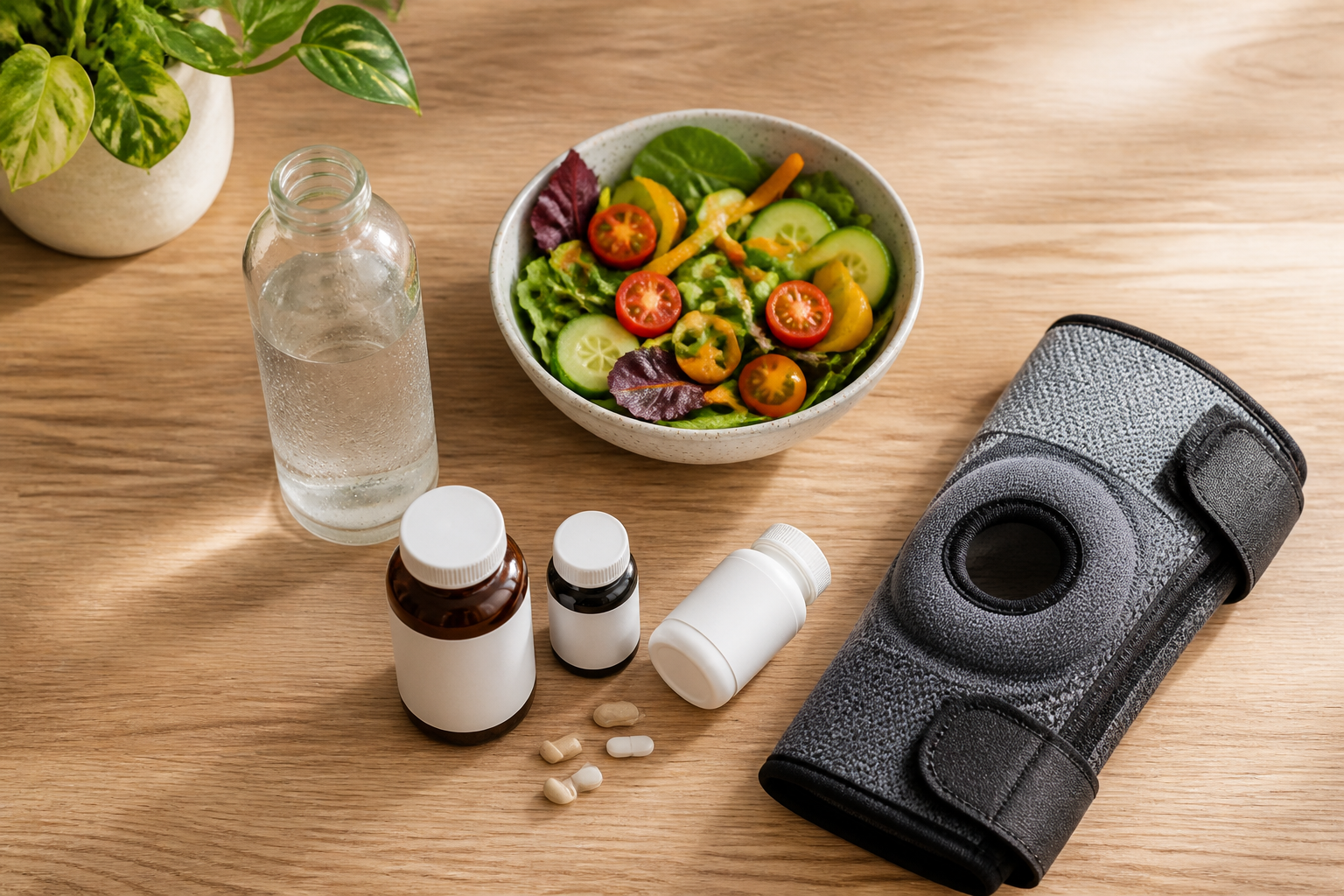
- Compression supports: Multiple studies show they can improve proprioception and reduce mild swelling. Modvel Knee Braces (sold as a pair) are patient favorites in my clinic — budget-friendly and durable.
- Supplements: As mentioned, glucosamine/chondroitin/MSM combos like the Vimerson Health formula are among the few with real evidence.
- Diet and movement: Still the heavy hitters. No supplement, cream, or brace beats daily habits.
Quick-Start Checklist: Reduce Joint Inflammation Naturally
- Prioritize omega-3s, colorful veggies, and whole foods
- Move daily, even if it’s gentle
- Use moist heat or compression as needed
- Consider a trial of a quality joint supplement, checking with your doctor first
- Protect your sleep and find small ways to reduce stress
- Stay hydrated
What I Tell My Patients (And My Family)
I wish there were a pain-free magic cure. But there’s not. Your best ally is a layered approach: eat smart, move gently, use smart supports, and (if you want) layer in a supplement with some decent science behind it. And if you ever feel lost, reach out to a health professional who will actually listen—too many of my patients have spent years feeling dismissed.
If you found this helpful or have your own tip that changed your joint health, I’d love to hear from you. Some of the best advice comes from real people walking (sometimes limping) this path. Here’s to easier mornings, longer walks, and hands that can garden a little longer.
Dr. Michael Torres, DC, is a practicing chiropractor and certified nutrition counselor with a passion for making science accessible. He’s spent over a decade helping people manage pain, stay active, and avoid unnecessary medications. As always, talk to your physician before making significant changes to your health routine.