
Heat vs Cold Therapy for Joint Pain: The Real Story from the Clinic Floor
Three years ago, a patient—let’s call her Janet—hobbled into my office after gardening. Her knees were screaming. She’d alternated ice and heat for days, but nothing stuck. "Sarah, I don’t know what I’m doing anymore. Should I stick with ice or break out the heating pad?" she sighed. Turns out, most folks are as confused as Janet.
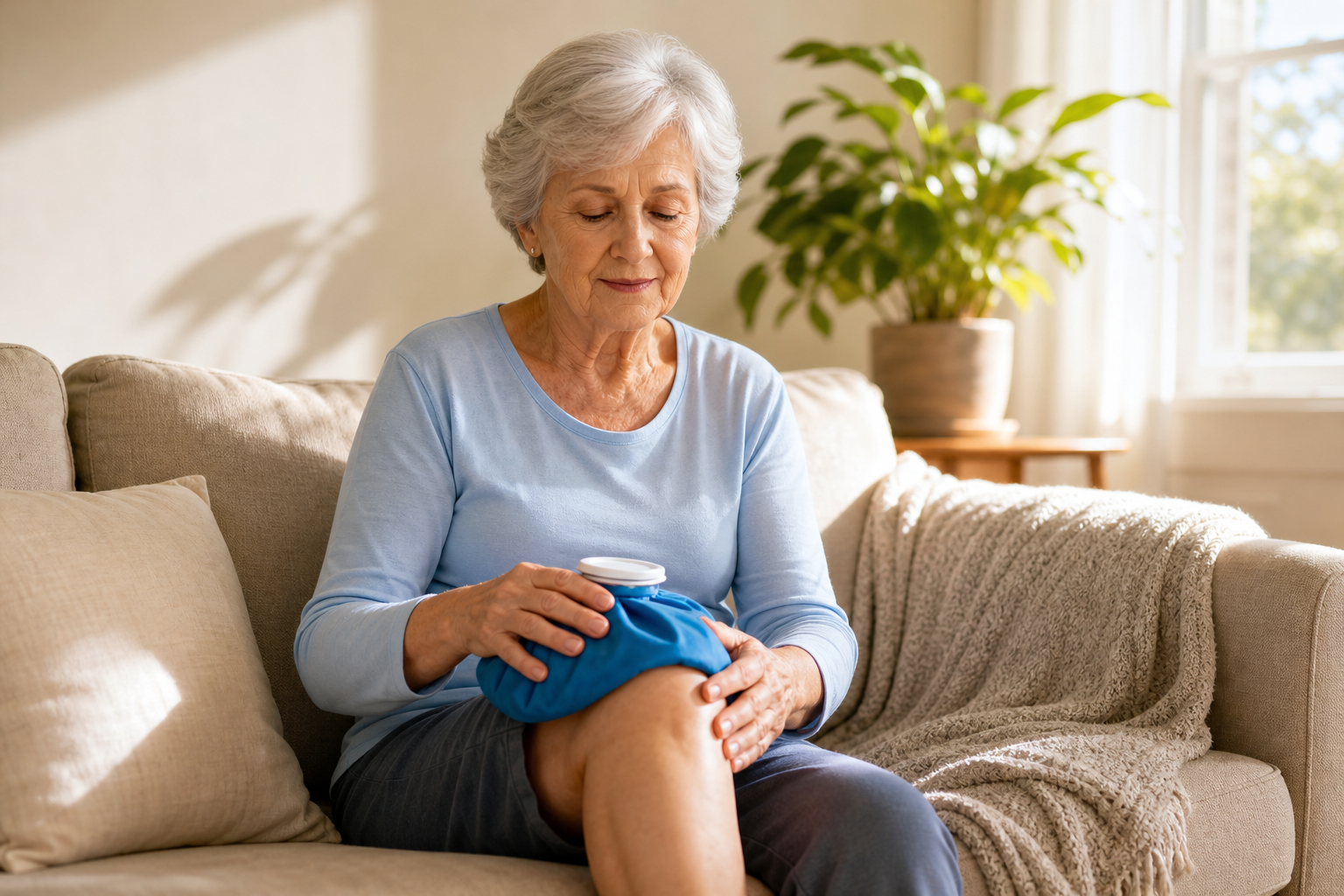
And honestly? The answer isn’t as simple as the internet makes it sound. In nearly every session—especially during flare-ups or after long walks—I get asked: Is heat or cold better for joint pain? Look, even my own mother-in-law has called me from CVS, lost in the aisle, holding a giant heating pad in one hand, an ice wrap in the other.
The Daily Struggle: Why This Feels So Frustrating
If your joints ache every time the weather shifts, you know the drill. Mornings are stiff. By afternoon, pain ramps up just when you’re finally moving. Maybe you tried YouTube stretches or borrowed a neighbor’s fancy reusable ice pack—sometimes it helps, sometimes it makes things worse. The unpredictability is maddening. That “am I actually making it worse?” doubt creeps in.
Joint pain isn’t just physical. It’s the mental tug-of-war, the constant recalculating: Is this soreness, swelling, or actual injury? Should I cancel my plans, or can I fix this in ten minutes with the right tool?
Here’s the Science—Broken Down Without Medical Jargon
Let’s clear the air. Joint pain is rarely one-size-fits-all, and neither is the solution. Here’s the core principle: Cold fights swelling, heat soothes tightness. That’s the over-simplified version, but there’s more nuance.
Cold therapy (cryo for us clinic nerds) constricts blood vessels. That slows circulation, calms inflammation, and dulls nerve endings—hence, you feel less pain (see Arthritis & Rheumatology, 2017). It also helps minimize bruising and swelling after acute injuries.
Heat therapy? Think cozy warmth. Heating pads, hot baths. Heat dilates blood vessels, boosting flow and helping your body flush out metabolic junk. This relaxes muscles, loosens stiff joints, and makes movement feel safer. The Journal of Rheumatology, 2020, found moist heat (like a steamy towel or a pad with moist settings) improves knee osteoarthritis symptom scores by up to 35% after two weeks.
But—and here’s where folks get stuck—sometimes people use the right therapy at the wrong moment. That’s when symptoms backfire.
When to Use Heat vs Cold: My Simple Rules from 12 Years in Physical Therapy
- Use Cold If: Your joint is hot, swollen, or recently injured (think within the last 48 hours). Sprained your ankle? Fell on your wrist? Woke up and your knee doubled in size? Ice is your ally.
- Use Heat If: Stiffness, chronic aches, or muscle tightness is the main issue. If your pain is dull, deep, and worsens with inactivity (like first thing in the morning), heat helps loosen things up.
- Avoid Heat On: Fresh injuries or active inflammation. Heat can actually make swelling worse.
- Avoid Cold If: Your joints are already stiff, especially in the morning. Cold increases stiffness.
The real kicker? Some folks have issues with both—inflammation and stiffness—sometimes on the same day. You’re not imagining it.

What the Research Actually Says—Not Just Old Wives’ Tales
Skim most health websites and you’ll see a generic "apply cold for the first 48 hours, then switch to heat." But real life doesn’t always follow textbook timelines.
For chronic knee osteoarthritis, a 2019 randomized trial in Clinical Rehabilitation compared moist heat packs vs. cold gel packs applied twice daily. Both worked, but heat led to faster improvement in function by day seven. That said, cold therapy was better at reducing swelling in the short term.
And here’s something most articles won’t tell you: Many patients feel drawn to one or the other. In the clinic, I’ve seen folks religiously use their trusty ice packs while their spouse can’t get through a morning without their heating pad. There’s a psychological comfort piece—as old as time, honestly.
So, listen to your body. Yes, science matters. But so does lived experience.
How I Coach My Patients: Real-World Application, Not Just Theory
Most of my recommendations come down to three words: timing, temperature, safety. Let’s get practical.
- Ice: 10-20 minutes, no direct contact with skin (wrap in a towel), every 2-3 hours if dealing with acute swelling. Stop if skin gets numb or mottled.
- Heat: 15-30 minutes, moist heat ideal, check skin every 10 minutes for redness. Never sleep with a heating pad on.
If you’re tired of fussing with microwaved rice socks or leaking gel packs, you might consider a modern heating pad. I genuinely like the Pure Enrichment PureRelief XL Heating Pad—especially the moist heat feature. (Full disclosure: I use this in my own house, and my husband has commandeered it for his back.) With six temperature options and auto shut-off, it’s both safe and convenient.
On the cold side, reusable packs are handy, but don’t underestimate a simple bag of frozen peas in a pinch. As long as you protect your skin, the effect is the same.
When Heat and Cold Can Both Help—Yes, Even Back-to-Back
Here’s where it gets interesting: alternating heat and cold (contrast therapy) can be a game-changer for some chronic joint problems. This method ramps up circulation, flushes waste, then calms inflammation. For stubborn knees or post-surgical joints, I’ll sometimes prescribe 10 minutes heat, then 10 minutes cold, repeat once.
But talk to your doctor before trying contrast therapy if you have diabetes or circulation issues. You need healthy skin sensation to stay safe.
A reader emailed me just last week about using contrast therapy for hand arthritis—she found her swelling (and morning stiffness) finally budged when she switched routines. Everyone’s different, but if you’re stuck in a rut, give it a shot (with your doctor’s OK).
Other Tools to Make Heat & Cold Work Better
Look, your therapy is only as good as your tools. I’ve reviewed dozens of heating and cooling products over the years. Some are clunky; others, genuinely helpful.
For heat, XL pads or wraps with adjustable settings make targeting sore spots much easier. Moist heat pads, like the Pure Enrichment PureRelief XL Heating Pad (yes, plugging it again—because patients love it), provide deeper muscle relief with less drying of your skin compared to old-school electric blankets.
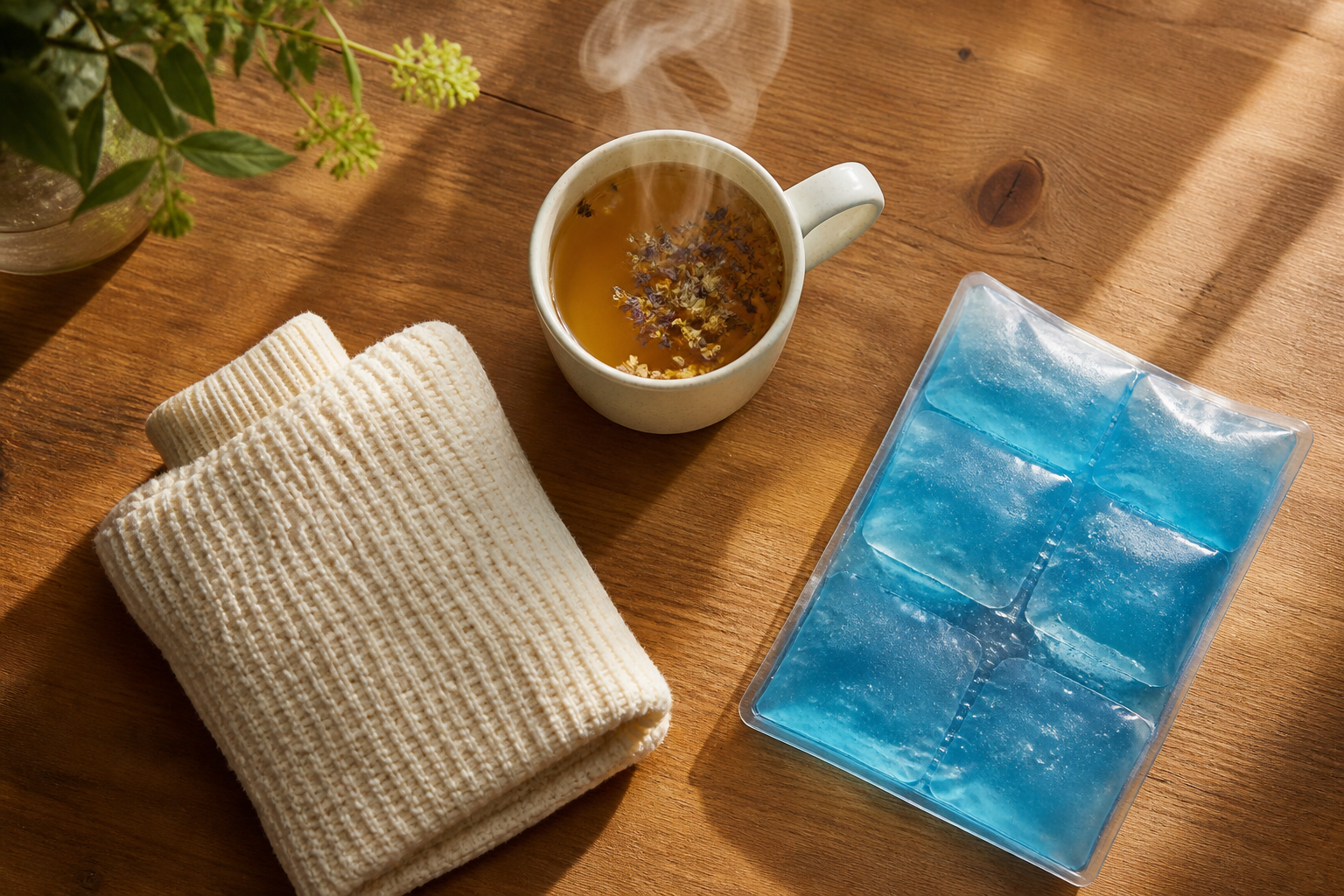
For cold, flexible gel packs are great for knees and elbows. If joint pain is a daily guest, keep two in the freezer—one always ready. I have a patient who labeled hers "Lefty" and "Righty" to keep them in rotation. Whatever works!
If arthritis pain lingers even after icing and heating, topical gels can dial down the ache without popping another pill. Voltaren Arthritis Pain Gel is FDA-approved, non-greasy, and popular both in the clinic and online. Diclofenac sodium targets local inflammation in a way that complements heat or cold (don’t combine right away—wait 30+ minutes between applications).
Limitations, Safety, and My Honest Opinion
Let me be blunt: Heat and cold therapy aren’t miracle cures. They’re tools, not fixes. They help manage symptoms, buy you time, and sometimes make tough days bearable enough to get through your to-do list. But if you rely on them daily for weeks, something bigger is crying out for attention—joint injections, PT, medication, or (rarely) surgery might be needed.
And one more thing: if you have neuropathy, Raynaud’s, or poor skin sensation, use extra caution. I’ve seen burns and frostbite from well-meaning DIY therapy. Always check your skin, and never fall asleep with an ice pack or heating pad on.
How Heat and Cold Fit Into a Bigger Pain Management Plan
Here’s the thing: Heat and cold are best as part of a toolkit. In my clinic, I always pair them with movement—even if it’s gentle. If your knees are swollen, ice, then gentle stretching. If you’re stiff, apply heat before a walk or exercise. Over time, movement remains the real medicine. (I know this is unpopular with folks looking for quick fixes!)
If you’re someone who needs a step-by-step plan and clear exercises, check out Treat Your Own Knees by Jim Johnson. It’s affordable, no-nonsense, and research-backed—the same plan I’ve handed to countless patients over the years when they’re ready to level up from heat and cold alone.
So—Which Is Better, Heat or Cold?
Here’s my clinical take: neither is universally "better." It depends on the cause, timing, and your body’s quirks. Don’t be afraid to experiment (safely), and trust your instincts. If one method makes things worse, stop and reassess. If you ever notice increased swelling, redness, or new numbness, that’s a "call your doctor" moment.
If you’re nodding along because you’ve tried it all, remember you’re not alone. Even after a decade in practice, I’ve seen patients unlock relief with the most basic interventions—sometimes, it’s just about doing the right thing at the right time.
Takeaways: My 5 Most-Shared Joint Pain Relief Tips
- Use cold for swelling, redness, or new injuries (10-20 min, up to 3x/day).
- Use heat for stiffness and chronic aches (15-30 min, moist heat is best).
- Never apply directly to bare skin—protect yourself from burns and frostbite.
- Alternate heat and cold for stubborn, mixed issues (with your doctor’s blessing).
- Pair therapy with gentle movement for best long-term results.
Give yourself grace as you experiment. Joint pain ebbs and flows, but having reliable tools on hand—like a good heating pad, a trusty ice pack, and maybe a topical gel—makes each day just a bit easier.
Wishing you comfort and movement, today and every day. If you’ve got a technique or tool that’s worked wonders, drop me a note—I’m always learning from you, too.
Dr. Sarah Mitchell, DPT
Senior Health Editor, JointReliefReviews.com
12+ years treating osteoarthritis & chronic joint pain