The Real Truth About the Best Treatments for Bone on Bone Knee Pain
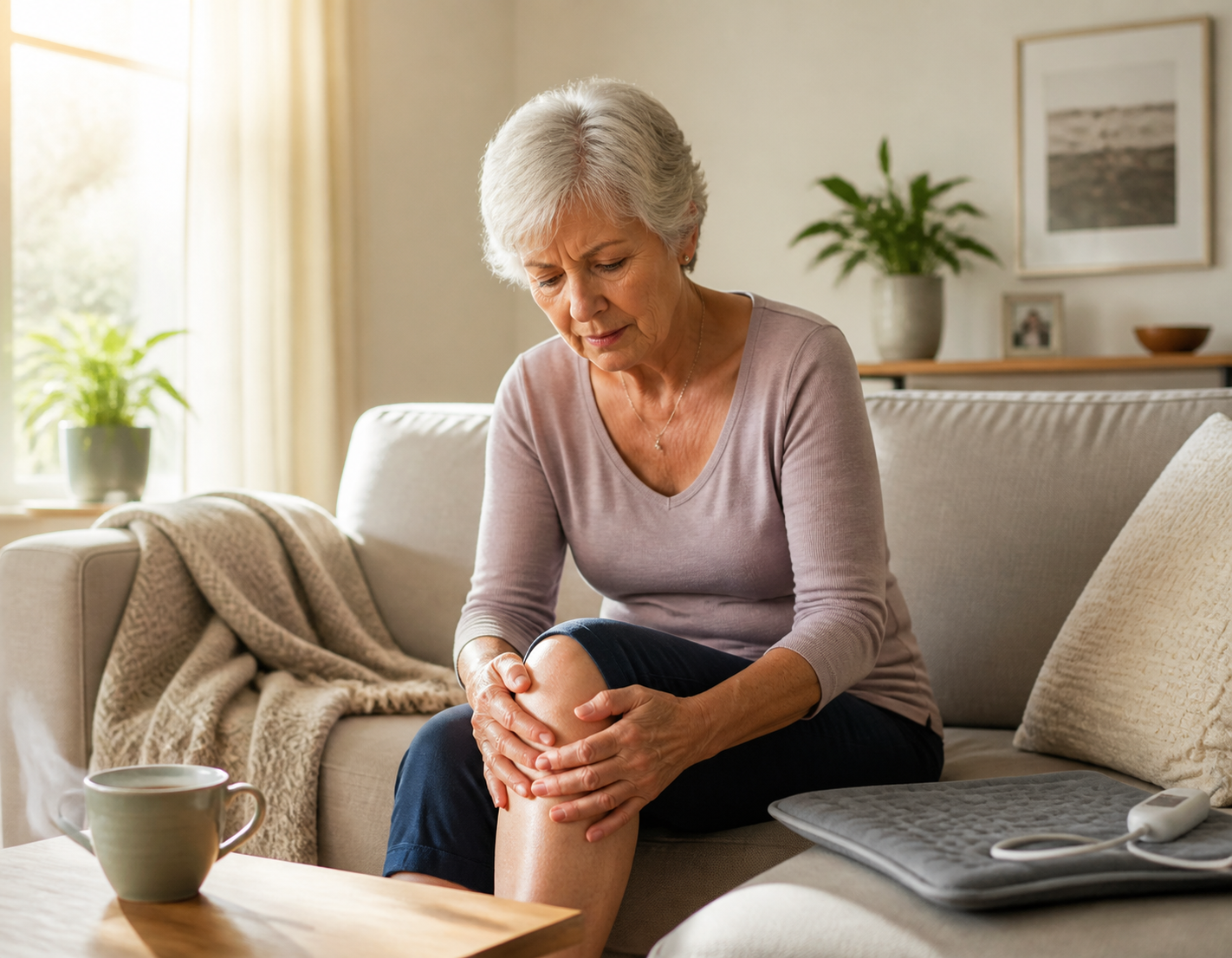
I’ll never forget the voicemail from my friend Linda last winter: sobbing, frustrated, barely able to walk from the kitchen to her living room. Her orthopedist had just told her she had “bone on bone” knee arthritis—and that phrase alone can send a chill down your spine. If you’re reading this, you’ve probably been there or know someone who has. Let’s be honest: it’s more than pain. It’s stairs you dread, nights you can’t sleep, plans you cancel, and a nagging voice asking, “What now?”
Why Bone on Bone Knee Pain Feels So Different (and So Unforgiving)
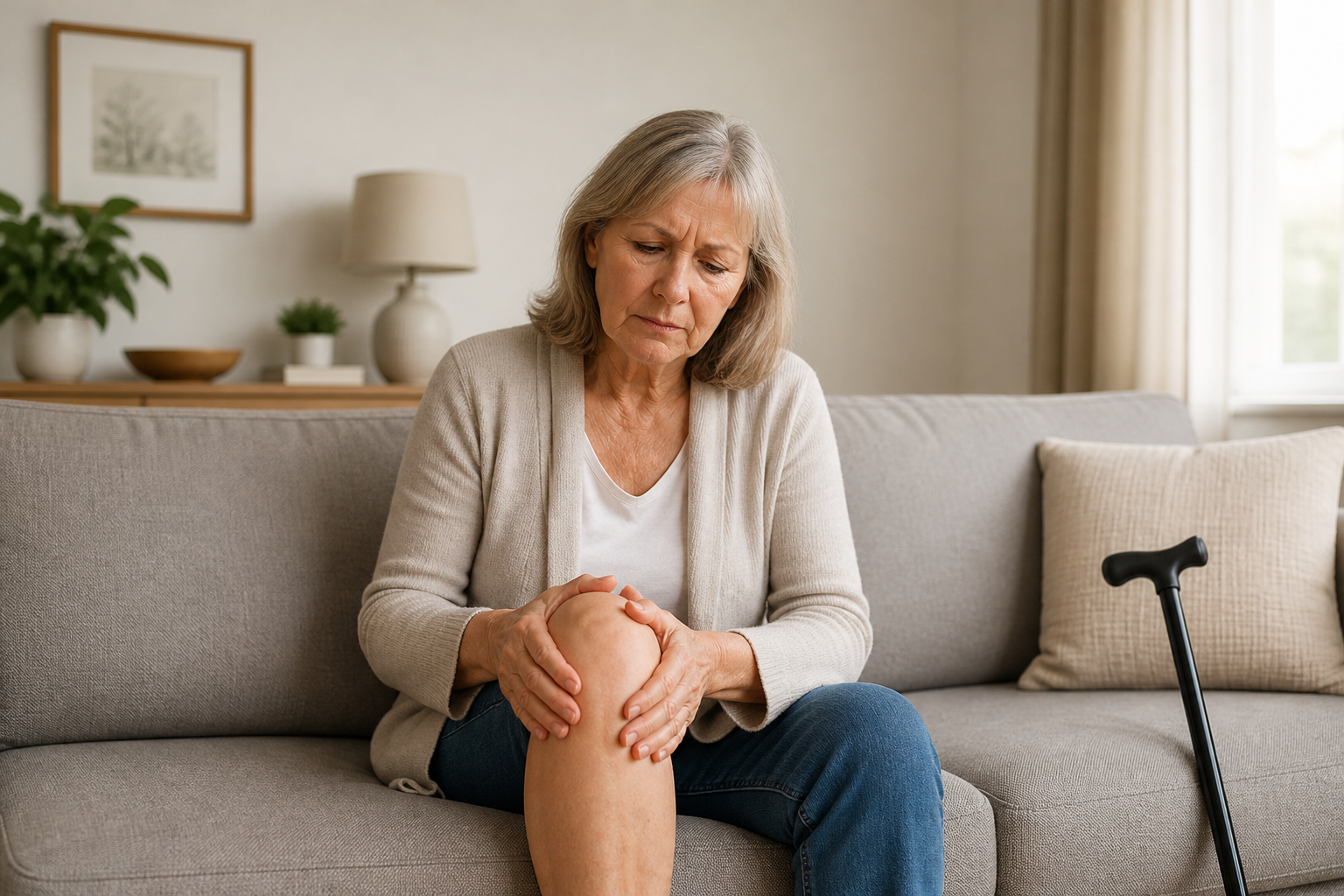
Here’s the thing: “Bone on bone” isn’t just a catchy phrase doctors throw around. It means the protective cartilage in your knee (think: the shock absorber) has almost completely worn away. So now, it’s literally bone grinding on bone. That’s not just uncomfortable—it’s the reason some folks describe the pain as a deep, relentless ache, often with sharp, stabbing moments when you move just wrong.
If you’ve ever heard that awful, crunching sound when standing or walking, that’s called crepitus. It can be downright unsettling. I had a reader email me last month asking if her knees were about to “snap in half.” Rest easy—they won’t—but the sound is real, and so is the pain.
Here’s where it gets frustrating: There’s no magic cure to regrow cartilage (despite what some flashy supplement ads say). But that doesn’t mean you’re doomed to a life of misery—or that joint replacement is your only option.
The Research: What Actually Helps with Bone on Bone Knee Pain?
Let’s separate hope from hype for a minute. Over the last decade, I’ve covered hundreds of studies from publications like Arthritis & Rheumatology and the Journal of Orthopaedic Research. Here’s what the science (and real patients) say helps:
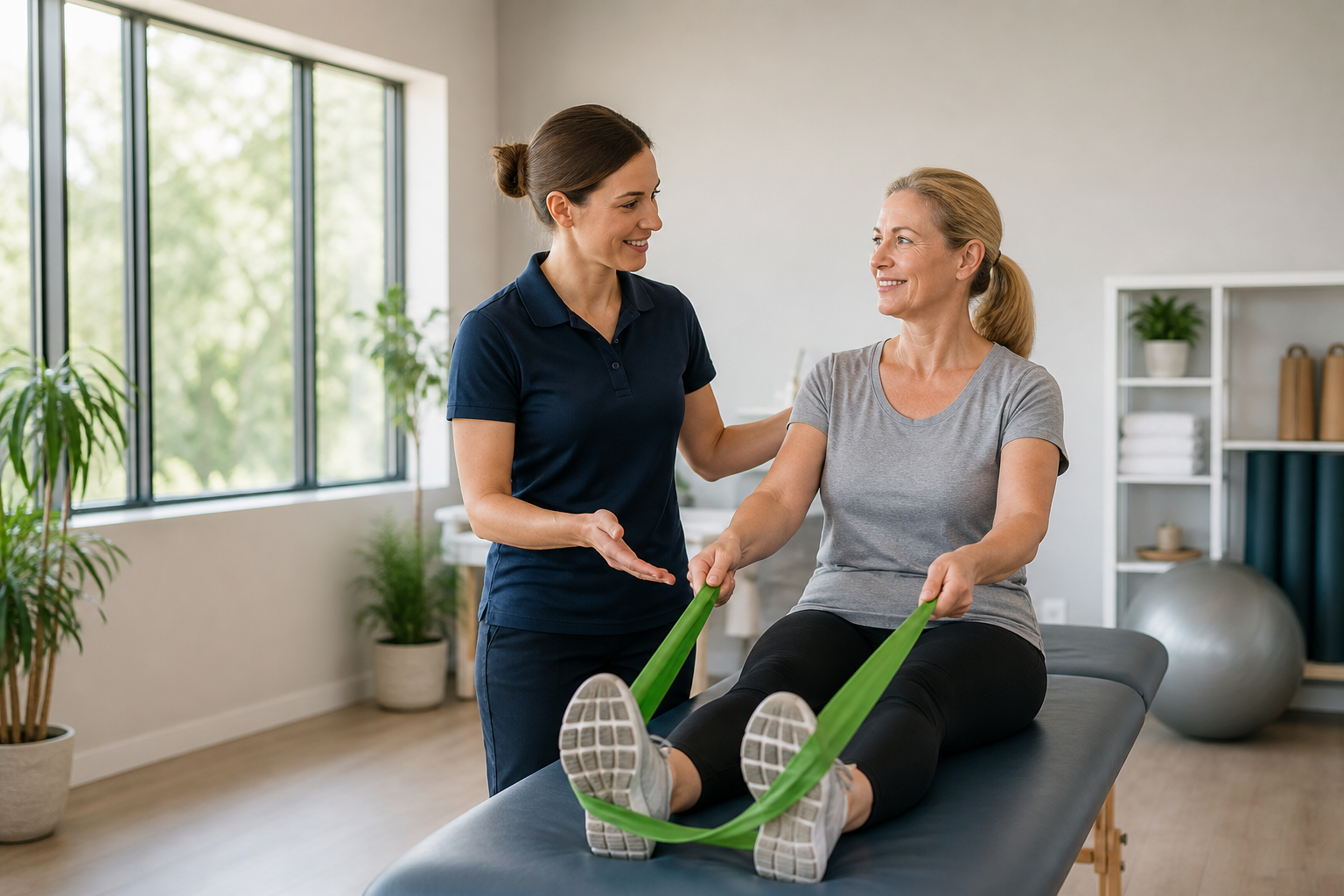
- Physical Therapy: Consistently shown to reduce pain and improve function—even in severe knee osteoarthritis. A 2020 BMJ meta-analysis found that targeted strengthening and movement retraining can delay or even prevent the need for surgery.
- Weight Management: I know, I know—easier said than done. But dropping just 10% of your body weight can cut knee pain nearly in half, according to a 2013 study in Arthritis Care & Research. It’s not about perfection, it’s about what’s realistic for you.
- Medications (NSAIDs and Topicals): Over-the-counter NSAIDs like ibuprofen and naproxen, plus topical options, can help—but always talk to your doctor, especially if you have heart, stomach, or kidney issues.
- Bracing and Supports: Not gonna lie—I was skeptical about knee braces until I saw the data. Some are gimmicky, but medical-grade options can offload the knee and reduce pain significantly, especially during movement.
- Heat and Ice: Simple, but still effective. Heat can relax tight muscles and increase blood flow, while ice dulls pain and swelling. Even after all these years, my own go-to on a bad knee day is a big heating pad and an episode of Murder, She Wrote.
What about injections? Steroids, hyaluronic acid, and even platelet-rich plasma (PRP) are all on the table. But here’s the rub: their benefits are often short-term, and results vary wildly. I’ve talked to patients for whom a cortisone shot was a life-saver, and others who got little more than a hefty bill. If you’re considering injections, ask your doctor about the expected duration of relief—and the risks.
Practical Solutions for Daily Relief
If you’re nodding along, you’re not alone. I get emails every week from folks desperate for concrete steps, not just “stay active” platitudes. Here’s what I find truly makes a difference, both personally and in the research:
Move—But Smarter, Not Harder
This is where so many people get tripped up. “Bone on bone” doesn’t mean you should stop moving; it means you need to strengthen the muscles that support your knee so the joint itself (and the remaining cartilage) isn’t overloaded. Targeted exercises—think straight leg raises, gentle squats, step-ups, and bridges—really do help. But if you’re not sure where to start, or every YouTube video seems designed for 22-year-olds in spandex, I usually recommend Treat Your Own Knees by Jim Johnson. It’s grounded in real physical therapy science, with clear illustrations and simple routines. My mother-in-law swears by it (and after her results, I do too).
Support: The Case for (the Right) Knee Braces
Look, not all braces are created equal. Some make you look like a Transformer and do about as much as a bandage. But there are a few that combine medical-grade support with real-world comfort. The NEENCA Professional Knee Brace is a standout for bone on bone cases. It’s got actual side stabilizers (not just stretchy fabric), a patella gel pad to ease pressure on the kneecap, and adjustable straps. Plus, it’s not nearly as bulky as you’d think. I tested it on a 4-mile city walk—big difference in stability, less of that “giving way” sensation.
Heat, Ice, and Topical Relief
Don’t underestimate old-school comfort. On flare-up days, extra-large heating pads (like the PureRelief XL) can help your muscles relax and let you get out of bed without cursing. For actual joint inflammation, an ice pack post-activity does wonders. And for topical relief? I’ve been impressed by Voltaren Arthritis Pain Gel. It’s FDA-approved, clinically proven in multiple studies (2018, 2020 in Journal of Pain Research), and doesn’t come with the stomach risks of oral NSAIDs. Yes, it has a mild scent, but nothing overwhelming.

The Bigger Picture: When Is Surgery the Right Answer?
I know this isn’t a popular opinion, but I don’t believe anyone should rush into knee replacement surgery—even with bone on bone pain—unless they’ve truly exhausted conservative options. Here’s the honest truth: Joint replacement does offer major long-term relief for many, but it’s a big deal. Months of rehab, the risk of complications, and (rarely) lasting stiffness or pain.
There are certain red flags, though: Severe night pain, inability to walk even short distances, or knees that buckle or give way regularly. In those cases, talk to your orthopedic surgeon about next steps. But don’t let anyone pressure you on a timeline—this is your body, your quality of life.
What About Alternative Therapies—Worth a Shot?
I get asked about acupuncture, turmeric, CBD, and endless supplement blends more than anything else. Here’s what the evidence says, straight up:
- Acupuncture: Modest pain reduction in some short-term studies, but effects aren’t dramatic. Worth trying if you have access—a few patients I know swear by it for short-term flare-ups.
- Supplements (Glucosamine, Chondroitin): The 1500mg glucosamine sulfate/1200mg chondroitin combo has shown only small, inconsistent benefits for established bone on bone arthritis in most studies (see 2016 Annals of the Rheumatic Diseases review). Save your money for proven relief.
- CBD and Topical Rubs: Limited research. Some folks find mild symptom relief, but placebo effect may play a big role.
- Turmeric / Curcumin: Mild anti-inflammatory effect, but not strong enough to replace standard therapies. Fine as part of a broader plan.
Bottom line? If you want to try these, do so alongside (not instead of) mainstream strategies—and talk to your doctor to make sure there aren’t interactions or false promises.
Daily Life Hacks That Actually Make a Difference
Here are a couple of tips I always share with readers and family alike:
- Don’t Ditch Activity Entirely: Motion is lotion for your joints. Even gentle walking or cycling keeps the joint healthier than total rest.
- Adjust Your Environment: Grab bars in the bathroom, a sturdy chair with arms for getting up, slip-resistant shoes. These little tweaks minimize flare-ups (and falls).
- Pacing: If you’re like me, you tend to power through chores and then crash. Try breaking up tasks—clean one room, then rest. It’s not laziness, it’s smart energy management.
One thing I almost never see in mainstream articles: learning to anticipate your triggers. Some folks find that cold, damp weather ramps up stiffness; others notice a flare after salty foods or poor sleep. Keep a quick journal for a week or two. Sometimes you’ll spot patterns that let you preempt your worst days.
How to Talk to Your Doctor (and What to Ask)
Here’s a hard truth: Not all doctors are equally up-to-date on knee osteoarthritis research. I’ve seen patients get brushed off with “it’s just aging” or pushed toward surgery too quickly. Here are a few questions I suggest taking to your next appointment:
- What specific conservative measures can I still try for my bone on bone knee pain?
- Am I a candidate for injections? If yes, what are the risks/benefits?
- Do you have a referral for a physical therapist with knee arthritis expertise?
- What signs should make me consider surgery sooner?
And—this is important—if you don’t feel heard, get a second opinion. Patient advocacy isn’t just a buzzword; it’s how you get the best care.
Takeaways: What I’d Tell My Own Family About Bone on Bone Knee Pain
I want to wrap with what I wish I could have told Linda (and my readers) years earlier. First, “bone on bone” isn’t a sentence—it’s a serious challenge, but you do have options. Here’s what moves the needle most in real life:
- Lean into consistent, research-backed exercises—tools like Treat Your Own Knees are a fantastic, affordable place to start.
- Support that joint! Braces like the NEENCA Professional Knee Brace can be a game-changer for mobility and confidence.
- Don’t underestimate topical options: Voltaren Gel offers real, clinically proven relief—without the gut risks of oral painkillers.
- Tweak your daily routine and home layout to make movement safer and smoother.
- Stay curious! If a treatment sounds too good to be true (cartilage ‘regrowth’ supplements, I’m looking at you), check the research—or ask someone who will.
And finally—be gentle with yourself. Flare-ups happen. Plans change. Progress is rarely linear. But with the right toolkit (and maybe a good heating pad), there is a path to more good days than bad. If you’ve tried any of these strategies, email me—your stories help shape what I write next.
Health Note: Always talk with your doctor before starting new treatments, especially if you have pre-existing conditions or take medications. No single solution is perfect for everyone—your plan should be as individual as you are.
Wishing you better, stronger tomorrows—
Karen Whitfield
Veteran Health Journalist, JointReliefReviews.com