Managing Chronic Joint Pain Without Surgery: What Actually Works?
I’ll never forget the morning my mother-in-law hobbled into my kitchen, clutching her coffee mug like the handle might save her knees. "James, if you tell me to get another shot or pill, I'm moving in with you," she groaned. We both laughed, but I knew it wasn’t really funny. About 1 in 4 adults over 50 lives with chronic joint pain, according to 2022 CDC data. For many, the pain isn’t just background noise—it’s a daily obstacle course.

Maybe you know this story all too well: knees that creak and resist, hips that bark at every step, shoulders that sabotage your golf swing. You want to keep moving, but you’re bombarded by ads for injections, surgeries, and miracle gadgets. And you’re not alone if the idea of surgery makes your stomach twist. In my years as a strength coach and physical therapist, I’ve seen the hesitation—and frankly, I get it.
The Real Struggle: Pain, Fear, and Frustration
Here’s the thing: chronic joint pain doesn’t just hurt your body. It messes with your confidence, your hobbies, your sleep, and even your relationships. One reader wrote to me last week, frustrated because every walk with her grandchildren ended with her icing both knees. Another told me she skipped her book club because her hands couldn’t hold the wine glass without aching.
Doctors often reach for the quick fixes—NSAIDs, steroid injections, prescriptions. Sometimes, those work for a bit. But long-term? Study after study (like the 2021 Arthritis & Rheumatology review) tells us the risks can add up, and sometimes the relief fades. And surgery? It does help some, but it’s not a universal fix—and it comes with cost, downtime, and no guarantees.
The Science: Why Joints Hurt and What Actually Helps
Let’s demystify a couple of things before we look at solutions. Most chronic joint pain—think osteoarthritis, old injuries, or even those “overuse” aches—is the result of slow, ongoing inflammation and cartilage wear. The cartilage thins, the joint gets rough, and the nerves start sending those familiar zingers with every step or squeeze.
But it’s not all doom and gloom. Since the mid-2000s, research has shifted toward non-surgical interventions. Why? Because—if you’ll let me nerd out for a second—the body actually adapts. Cartilage can’t regrow like skin, but the right kinds of movement, support, and pain management can dramatically improve how joints feel and function. The Journal of Rheumatology, in a landmark 2019 meta-analysis, showed that combining strength exercise, weight management, and smart pain relief beat out surgery for most mild-to-moderate cases.
Movement Really IS Medicine (But Not the Way You Think)
Here’s where almost everyone goes wrong: "If it hurts, I’ll avoid moving." Makes sense—but it backfires. Lack of movement causes muscles around the joint to weaken, which means more instability and—ironically—more pain. A 2020 BMJ study followed adults over 55 with knee arthritis and found those who did simple, daily strength and flexibility exercises reported 28% less pain after six months, even though their X-rays hadn’t changed.
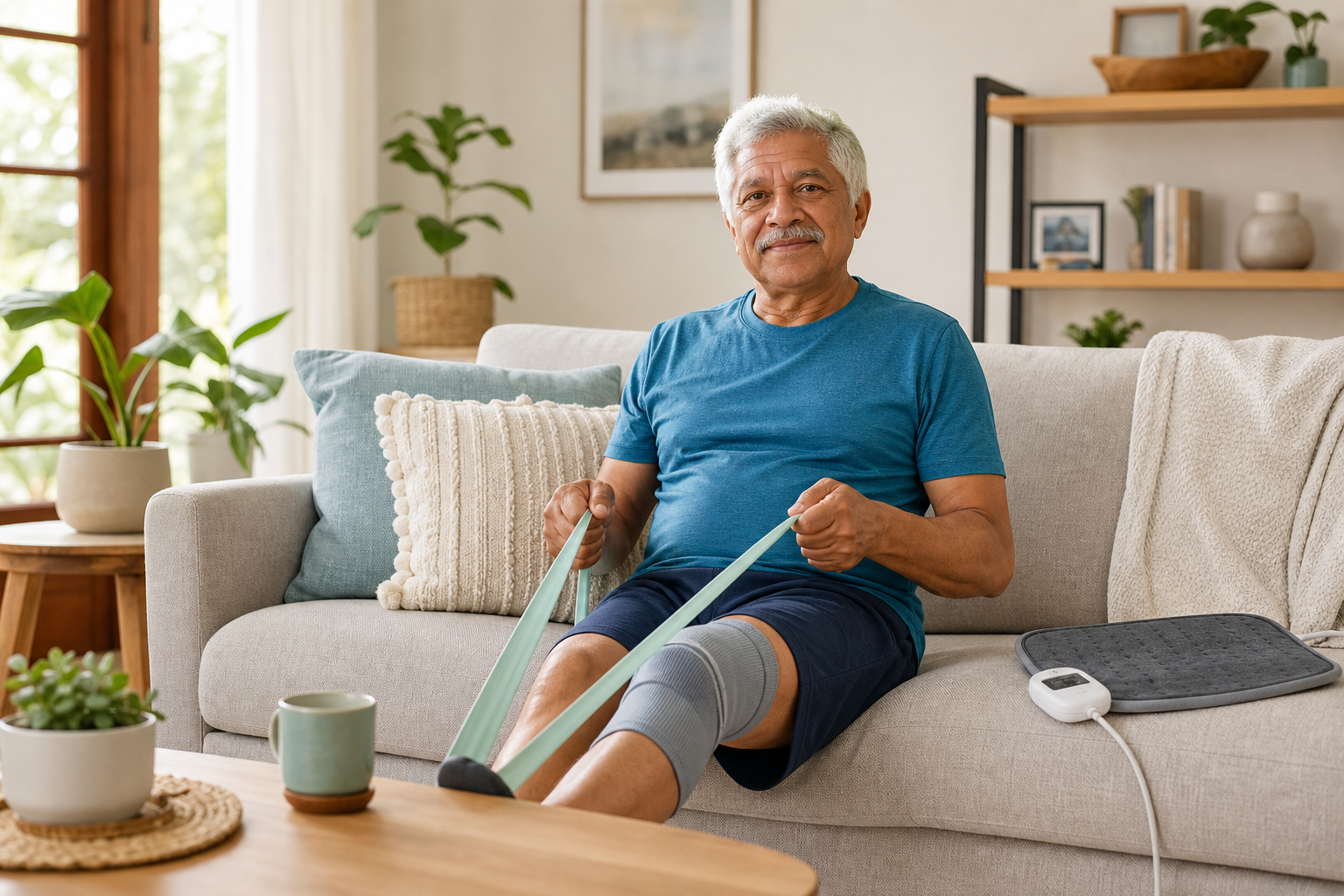
It’s not about running marathons. It’s about gentle, consistent motion. Think: chair squats, resistance bands, water aerobics, or guided routines from books like Treat Your Own Knees (one of the most practical, research-based manuals I’ve reviewed, and one I recommend to clients who want real, home-based guidance).
Supporting Your Joints—Literally
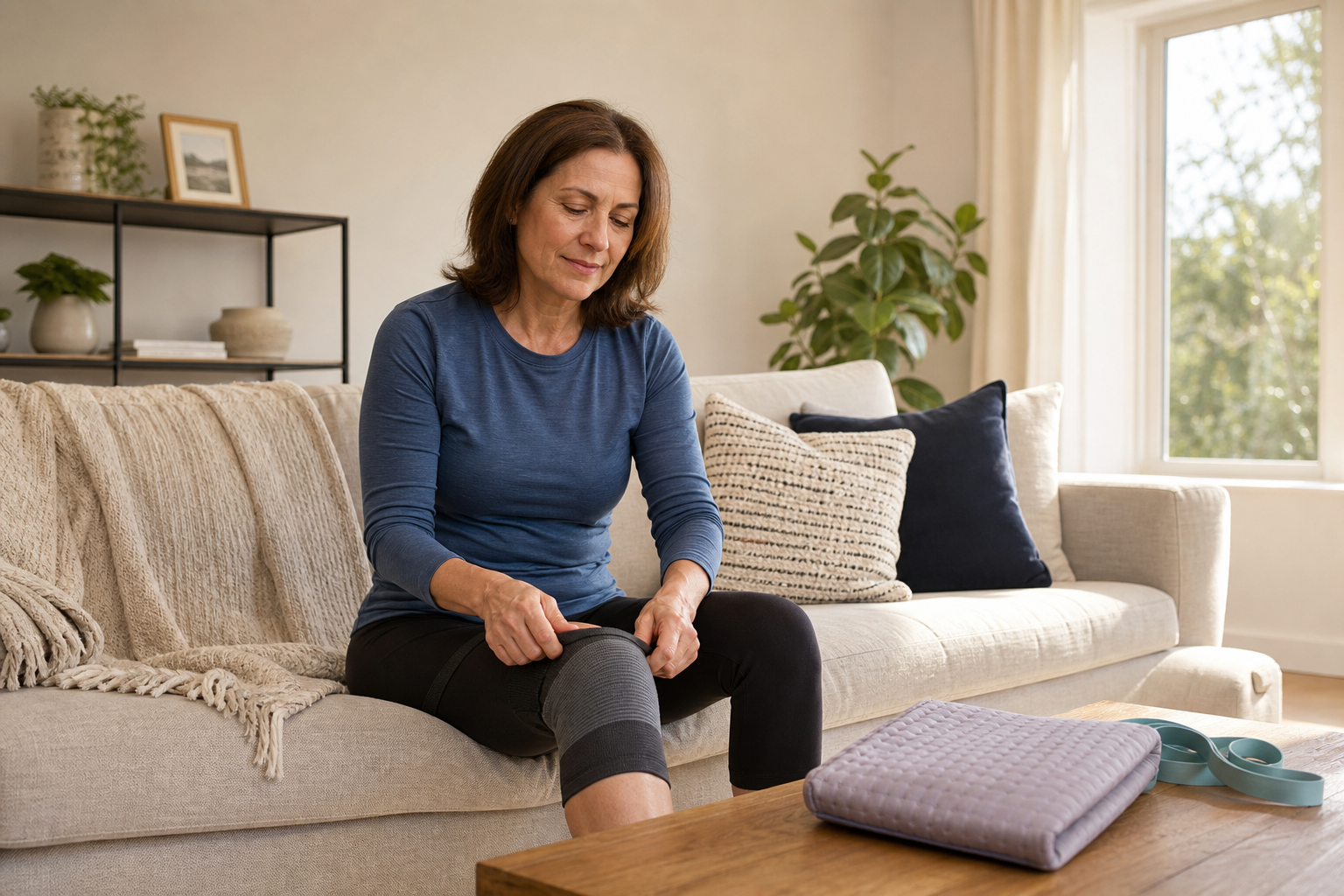
Sometimes, a little external support makes all the difference. I’ll be honest—years ago, I thought compression sleeves were pretty much expensive socks. But after reviewing dozens, I’ve come around. Why? Consistent studies—including a 2018 Journal of Orthopaedic Research paper—show that firm, non-restrictive compression helps reduce swelling and boosts proprioceptive feedback (that's your body’s sense of where the joint is in space, which is crucial for balance and stability).
The Modvel Compression Knee Brace is a no-frills favorite—sold as a pair, no goofy patterns, and the anti-slip silicone means they stay put during walks or light workouts. Over 75,000 Amazon reviews (and a few of my own clients) back me up here. If you find sleeves uncomfortable, go for a lighter, breathable model—just avoid anything that cuts off circulation. And always check with your doctor before trying new supports if you have vascular issues.
Managing Pain Without Surgery: What Works, What’s Overhyped
Let’s be real—pain relief isn’t a one-size-fits-all deal. Here’s what the evidence (and a decade of practitioner experience) says about the most common options:
- Heat & Cold: Old-school, but effective. Heating pads (look for the XL, moist-heat kind like the Pure Enrichment PureRelief XL Heating Pad) relax muscles, boost blood flow, and take the edge off stiffness. Cold packs help after overdoing it—think swelling or sharp flare-ups. Alternate as needed. Just don’t use them longer than 20 minutes at a time.
- Topical creams & roll-ons: I know, some sound gimmicky. But menthol-based options like Biofreeze actually have solid research behind them, especially for hands, knees, and shoulders. They don’t address the underlying problem, but for quick relief? Game-changer for many.
- Supplements: The supplement aisle is a minefield. Here’s the straight talk: Glucosamine sulfate (1,500mg/day) combined with chondroitin has *some* support for knee arthritis (see the 2016 Annals of the Rheumatic Diseases review), but results are mixed—about 40% of users report meaningful relief. MSM may help with swelling. If you want to try it, stick with trusted brands like Nature Made and give it at least 3 months. And, again—talk to your doctor, especially if you’re on blood thinners.
Look, there’s no shame in needing pain relief. The key is using these tools to stay active—not as a substitute for movement.
Lifestyle Tweaks That Actually Matter
This is where the magic happens—not in the "miracle cures," but in the small, boring, consistent stuff. Here’s what I see work, over and over:
- Weight management: Dropping just 10 pounds can reduce knee joint load by 40 pounds per step (Arthritis Care & Research, 2018). Not about being skinny—about giving your joints a break.
- Sleep: Chronic pain messes with sleep, and poor sleep increases pain sensitivity. It’s a vicious cycle. Prioritize good sleep hygiene—dark, cool room, consistent schedule—even 30 extra minutes helps.
- Anti-inflammatory diet: Think Mediterranean: berries, fish, nuts, olive oil. The evidence is strongest for overall inflammation—not magic, but it helps. Bonus: you’ll probably feel better all around.
- Physical therapy/Guided exercise: Don’t have access to a PT? Grab a copy of Treat Your Own Knees or look for online group classes for arthritis. Structure beats willpower every time.
The Deep Dive: Surgery Isn’t the Only Way (and Sometimes Not the Best)
Here’s a spicy take: I know this is unpopular, but surgeons don’t always have all the answers for chronic joint pain—not for the everyday, non-traumatic stuff. A 2017 BMJ trial compared arthroscopic knee surgery to placebo procedures (yes, literally, just poked the skin) and found no significant difference at one year. Even for severe arthritis, the American Academy of Orthopaedic Surgeons recommends exhausting non-surgical strategies first.
Why? Because the risks—anesthesia, infection, blood clots, even "phantom pain"—are real. And the rehab can be brutal. I’m not anti-surgery. Sometimes it’s the only way out, especially after falls, fractures, or severe mechanical issues. But for most folks with gradual, wear-and-tear pain? You have options.
Want a real-world example? My client Susan, age 68, was told she’d "need both knees replaced." She committed to six months of daily home exercises, used compression sleeves, adjusted her walking, and lost 8 pounds. She’s not running marathons, but she walks her dog every day now and says, "The pain went from a constant 7/10 to a 3. I feel in control again." That’s why I do this work.
What About Injections, PRP, and Gels?
Platelet-rich plasma (PRP) and hyaluronic acid injections are hot topics. Here’s the reality: the science is mixed. Some folks get relief, others don’t. The effects often last 3-6 months, if at all, and they’re rarely covered by insurance. Steroid shots can help short-term but, used too often, may actually speed up cartilage damage. Always ask your doctor about risks and benefits before diving in.
The bottom line? Make the basics your foundation, and view these as last resorts—not first stops.

Key Takeaways: You Can Manage Chronic Joint Pain Without Surgery
- You’re not doomed to a life of pain—or a hospital gown. Non-surgical strategies (strengthening, support, smart pain relief) work for a surprising number of people.
- It’s about combining approaches: movement + support + healthy habits + the right at-home tools.
- Compression sleeves like the Modvel Compression Knee Brace and guided resources like Treat Your Own Knees are affordable, evidence-backed, and don’t require a trip to the OR.
- Every little bit counts, and progress is often measured in walks taken, stairs climbed, and hobbies reclaimed—not X-rays.
- Always talk with your healthcare provider before starting new therapies, especially if you have other medical conditions or take prescription medications.
Managing chronic joint pain is a marathon, not a sprint. There are good days and "why did I get out of bed?" days. I’ve seen people go from hopeless to hopeful with a few simple changes—and a dash of patience. If you’ve got questions, shoot me an email (I really do read them). Here’s to easier movement and less pain—no scalpel required.
James Chen, MS, CSCS
Exercise Scientist & Certified Strength Coach
Contributor, JointReliefReviews.com