Heat vs Cold Therapy for Joint Pain: Real Answers from a Joint Specialist
I’ll never forget a patient of mine, Linda, who walked into my clinic one February afternoon clutching two things: a microwavable heat pad in one hand and an ice pack in the other. She plopped them on my desk and said, “James, my knees are killing me after pickleball. Which one should I use? The internet says both.”
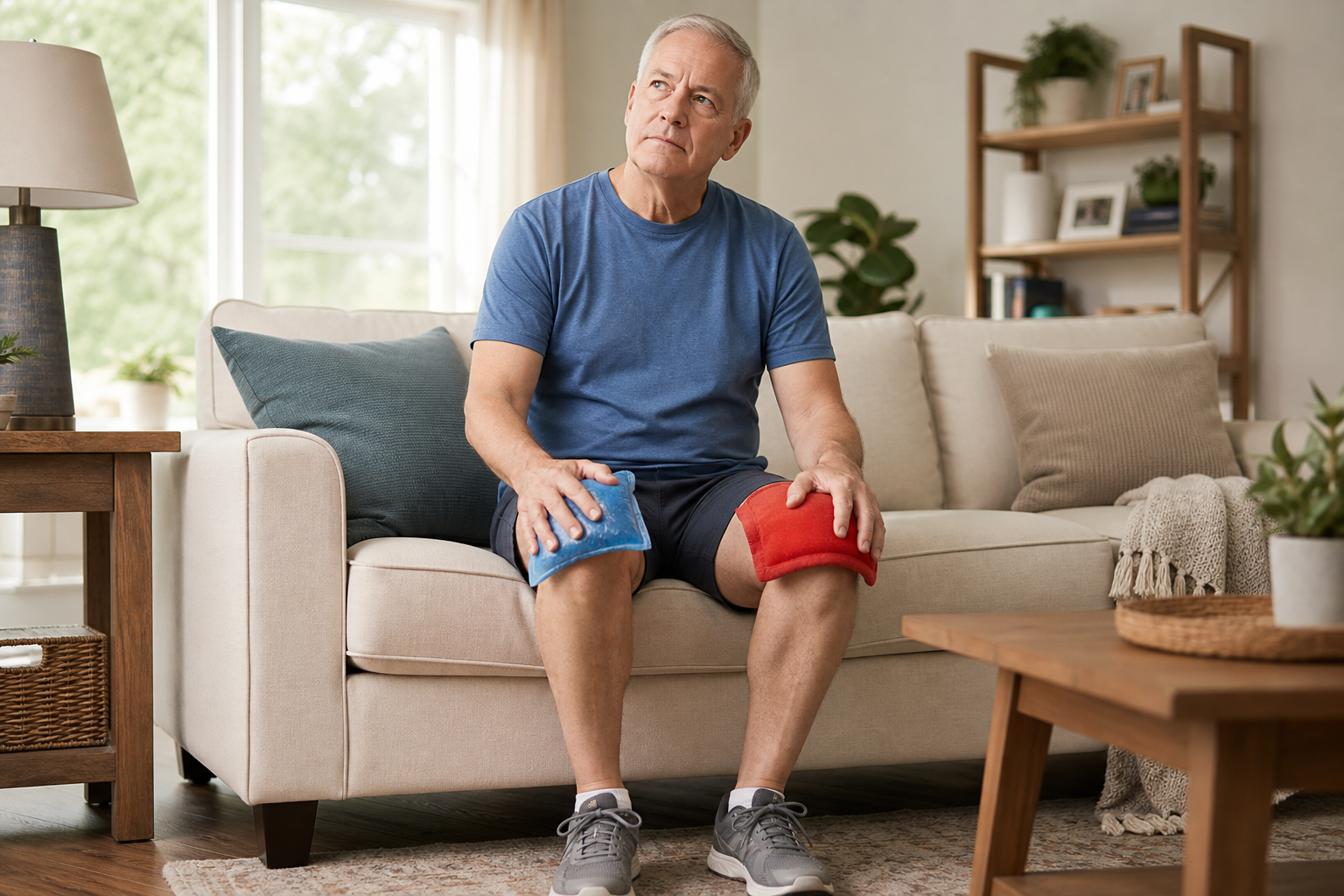
If you’re nodding along, you’re not alone. I get this question at least three times a week, both from clients and from friends who text me after a weekend gardening binge leaves their joints barking. There’s a lot of conflicting advice out there—and frankly, a fair amount of misunderstanding, even among professionals. I see folks flip-flop between heat and ice on a whim, or, worse, avoid both out of confusion.
Why Is Joint Pain So Stubborn?
Look, joint pain isn’t just a nuisance. For millions of adults over 50, it’s a daily companion. Whether it’s arthritis creeping into your hands, an old sports injury that flares up on rainy days, or just the slow wear-and-tear that comes with time, sore joints can hijack your energy and independence. Trust me—I’ve seen it in my clinic and in my own family (my mother-in-law swears her knees predict the weather better than any app).
And here’s the kicker: the same joint pain can behave totally differently from one person to the next. Some folks swear by ice, others only get relief with deep heat. Is it just personal preference...or is there actual science to guide us?
The Science: How Heat and Cold Actually Affect Your Joints
Let’s cut through the internet noise. Here’s what heat and cold really do, according to research published in journals like Arthritis & Rheumatology and the Journal of Orthopaedic & Sports Physical Therapy:
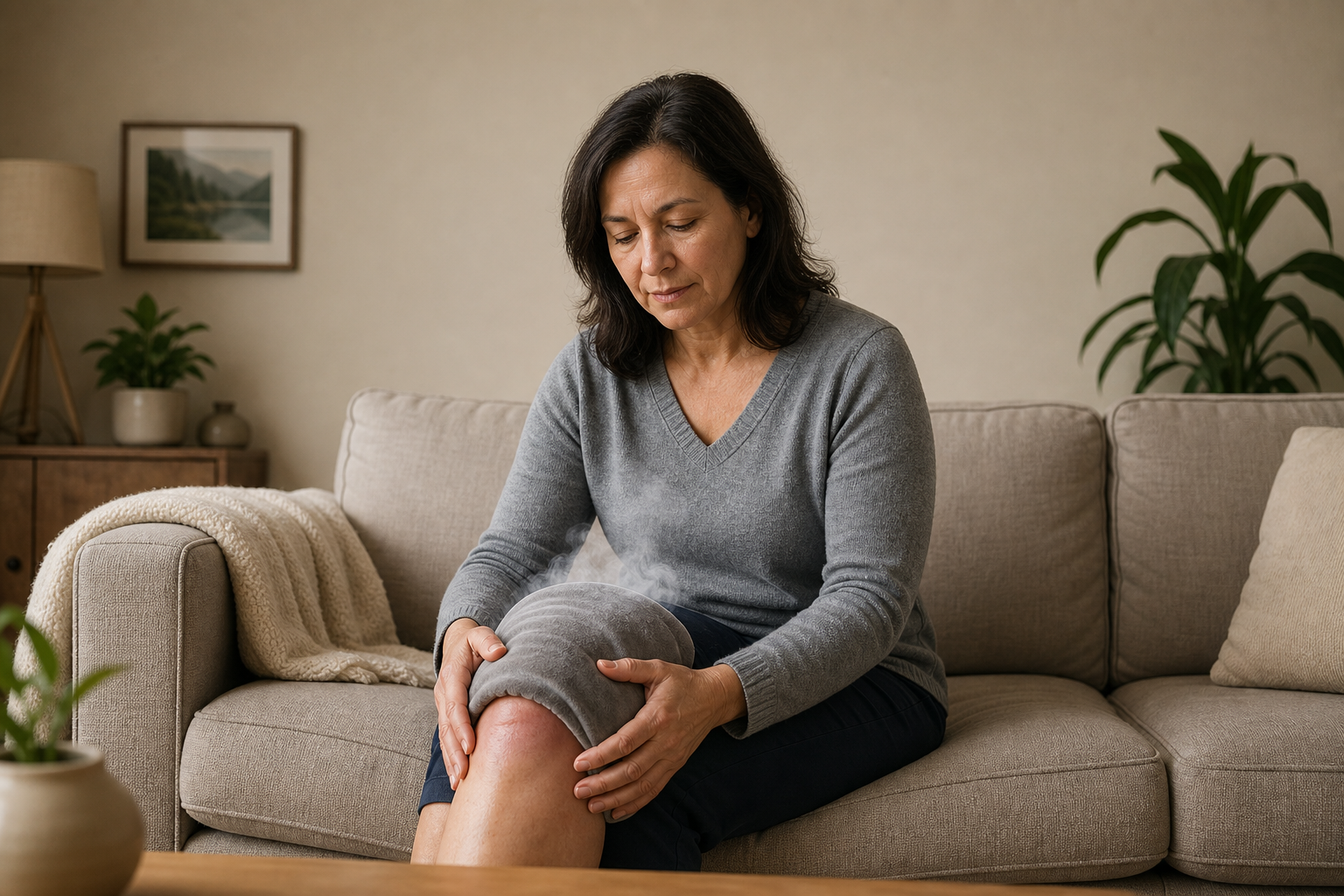
- Heat Therapy (think: heating pads, warm baths) dilates blood vessels, increases blood flow, relaxes tight muscles, and can actually reduce joint stiffness—especially in chronic conditions like osteoarthritis.
- Cold Therapy (ice packs, cold compresses) constricts blood vessels, numbs sharp pain, and reduces swelling. It’s especially effective right after an acute injury—like a sprain, strain, or flare-up of inflammation.
But here’s where it gets interesting: The benefits aren’t just “hot for old pain, cold for new pain.” There’s more nuance, and—spoiler alert—some overlap.
Clinical Evidence: What Do Studies Say?
Let’s get specific. A 2017 review in BMJ Open analyzed dozens of trials on heat and cold therapies for knee osteoarthritis. The takeaway? Both modalities provided significant pain relief versus placebo—but heat was slightly better at improving stiffness and overall mobility in chronic cases.
On the flip side, a 2015 study in the Journal of Rheumatology found that cold therapy (specifically gel ice packs) cut pain scores by up to 25% during acute inflammatory episodes. In my experience, that drop is noticeable—especially if you catch the flare early.
If you like numbers: for chronic osteoarthritis, 20 minutes of moist heat (think a heating pad or warm bath) once or twice daily reduced pain by an average of 30% in older adults (BMJ, 2017). That’s not “miracle cure” territory, but for something so simple and safe, it’s worth your time.
Real-World Application: When to Use Heat vs Cold?
Here’s the thing: Most articles won’t tell you this, but the answer isn’t always “just use what feels best.” There are real guidelines—though sometimes you do have to listen to your own body above all.
- Use heat for chronic, nagging pain, stiffness, and tension. Think osteoarthritis, old injuries, or mornings when your knees feel glued together.
- Use cold for recent injuries, swelling, or sudden inflammation. Did you twist your ankle, wake up with a hot, puffy joint, or overdo it at the gym? Ice is your friend.
And a little nuance: If you have a joint that’s both stiff and puffy (say, after an aggressive weekend of yardwork), start with cold to settle the swelling, then switch to gentle heat a day or two later to loosen things up. I call this the “ice first, heat later” protocol, and it’s saved more than a few of my clients from lingering soreness.
One important caveat: Always talk to your doctor if you have circulation problems, neuropathy (reduced sensation), or any medical condition affecting skin or nerves. Both cold and heat can cause harm in these cases, even when used correctly.
Practical Tips for Heat Therapy
I’ll be honest—I was skeptical about heating pads until I tried one of the newer XL models myself last winter. The difference is real, especially for larger joints like hips or for covering both knees at once.
- Moist heat penetrates deeper than dry heat. Think microwavable pads, steamy towels, or a warm bath. Don’t underestimate the power of moisture.
- Aim for 15–20 minutes per session. Longer is rarely better and can even cause burns—trust me, I’ve seen it happen.
- Always use a protective layer (towel or clothing) between your skin and the heat source. Never nap with a heating pad. Safety first!
My go-to recommendation for folks who want an easy, reliable at-home solution? The Pure Enrichment PureRelief XL Heating Pad. It’s extra-large (great for covering wide areas like low back or both knees), has a moist heat setting, and built-in auto shut-off. Not gonna lie—I bought one as a Christmas gift for my father-in-law last year, and now he won’t stop raving about it to his bowling team. With six temperature settings and a machine-washable cover, it just makes life simpler and safer.
Bonus: When Heat Might Be a Bad Idea
Don’t use heat if you have active inflammation (hot, red, swollen joint), recent sprains, or open wounds. And if you’re on blood thinners or have nerve damage, please check with your physician or physical therapist first.
Practical Tips for Cold Therapy
Cold works best within the first 48 hours after an injury or flare-up. It numbs pain, controls swelling, and can help you get ahead of that throbbing ache before it spirals.
- Apply cold packs for 10–15 minutes at a time, then give your skin a break—at least an hour between sessions to avoid frostbite or nerve injury.
- Never put ice directly on your skin. Always wrap it in a thin towel or cloth.
- If you have Raynaud’s or issues with circulation, skip the ice. Opt for other pain relief (like topical gels or gentle compression) instead.
And here’s something I see a lot: People overdo it with cold, thinking “more is better.” But longer exposure can actually damage tissues, especially in older adults with thinner skin or less fat cushioning the joints.
Supplements & Topicals: A Helpful Add-On?
I get asked all the time if creams, gels, and supplements are worth trying alongside heat and cold therapy. The short answer: sometimes yes, sometimes no. But there are a few standout options with legitimate research behind them.
For topical relief, Voltaren Arthritis Pain Gel has become my go-to for osteoarthritis-related joint pain. It’s FDA-approved, non-greasy, and contains diclofenac sodium—shown in the 2020 Annals of Internal Medicine review to offer significant relief for hand and knee OA with far fewer systemic side effects than oral NSAIDs. I use it myself on marathon clinic days when my thumbs start barking.
Supplements? The data is mixed, but if you want to try something, look for a comprehensive blend like Glucosamine Chondroitin Turmeric MSM & Boswellia by Vimerson Health. Multiple studies (see Arthritis Care & Research, 2016 for glucosamine and chondroitin; Phytotherapy Research, 2019 for boswellia and turmeric) suggest at least modest benefits for chronic joint pain—especially at doses around 1500mg glucosamine sulfate daily. And let’s be real: For less than a dollar a day, it’s a low-risk, maybe-high-reward add-on.
What If Both Options Feel Good?
Sometimes, especially with chronic pain, alternating heat and cold is what finally unlocks a new level of relief. I call this “contrast therapy,” and there’s actual research (see European Journal of Applied Physiology, 2018) showing that cycling between 3–5 minutes of warm compress and 1–2 minutes of cold can help with pain, blood flow, and flexibility.
This can be as simple as starting your morning with a warm shower, then later in the day, icing an inflamed joint after a long walk. Or you can get fancy with dedicated hot/cold packs sold at pharmacies. It’s not a miracle, but it’s a sensible, low-risk routine you can do at home.
Expert Insights: What Most People Get Wrong
Here’s what I wish more people understood: The goal of heat and cold therapy isn’t to “cure” joint pain. It’s to manage symptoms so you can stay active, independent, and happy. Heat and cold are tools—simple, yes, but when used wisely, they help you move better, sleep better, and avoid over-relying on pills.
And—controversial opinion alert—sometimes people get so focused on gadgets or supplements that they neglect the basics: gentle movement, stretching, and regular check-ins with their healthcare provider. I love a good heating pad, but it’s not a replacement for walking, strengthening, or getting expert help when things go sideways.
Takeaways: The Real-World Heat vs Cold Cheat Sheet
- Heat for stiffness, chronic soreness, and old injuries. Great before gentle exercise.
- Cold for acute injuries, swelling, and inflammatory flare-ups. Use soon after pain starts.
- Alternate if it helps—just don’t overdo either, especially if you have sensitive skin or numbness.
- Supplements and topicals can help, but think of them as bonus tools—not silver bullets.
I hope this clears up some of the confusion and gives you practical, research-backed answers you can actually use. And if in doubt, consult your doctor or physical therapist—I’ve seen far more harm from guesswork than from asking ‘one more question.’
Here’s to joints that keep moving (and let you get back to pickleball, gardening, or whatever else you love). Stay curious, stay moving—and if my mother-in-law’s knee starts acting up, maybe I’ll let you know which trick worked best this time.
Author: James Chen, MS, CSCS
James Chen holds a Master's in Exercise Science and is a Certified Strength & Conditioning Specialist. He writes about evidence-based approaches to joint health and mobility for adults over 50.