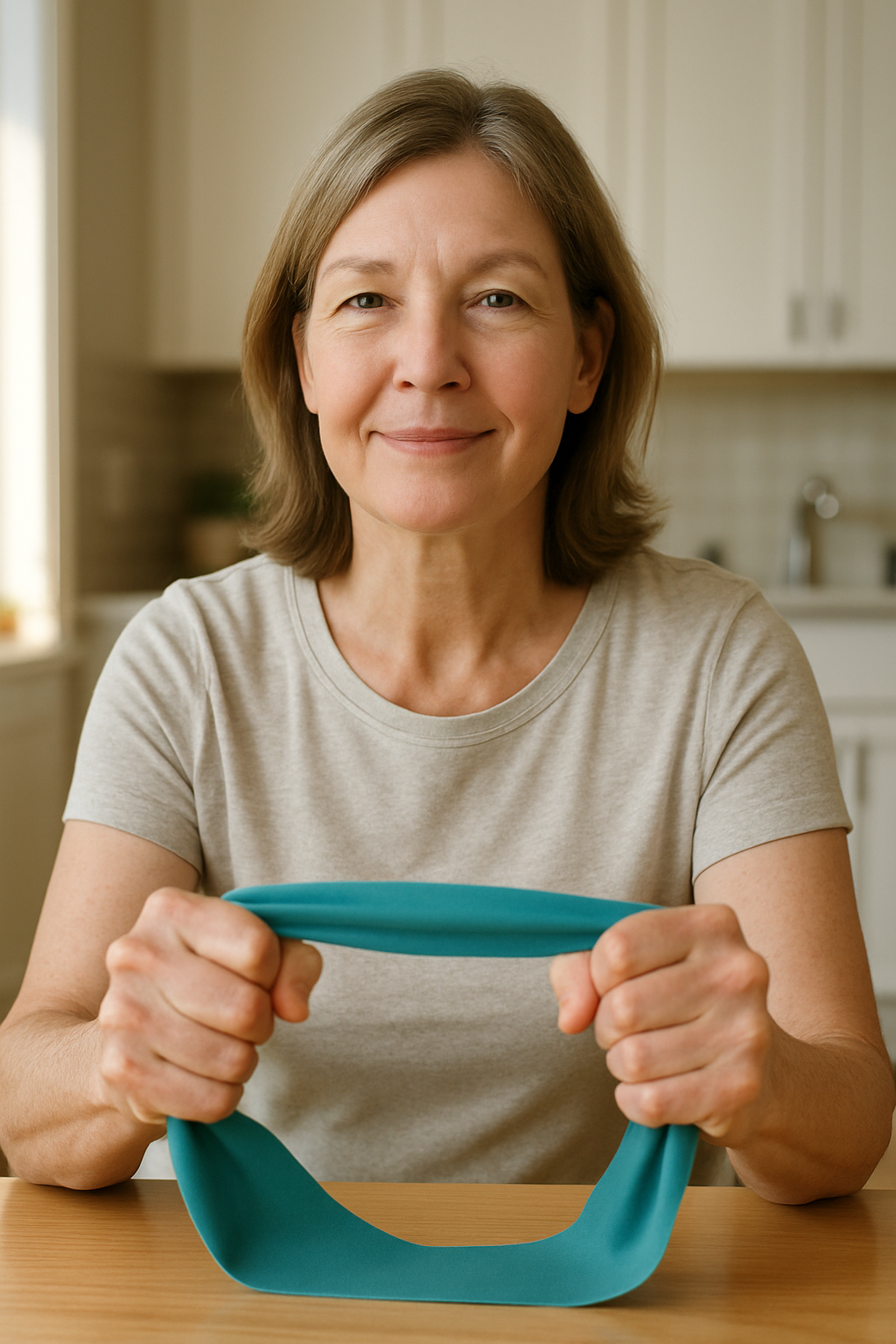
Why Finger Joint Arthritis Isn’t Just “Getting Older”
I’ll be honest — I used to think my own sore knuckles were just a sign of aging. My mother-in-law would joke that her “crooked fingers” were the price of a life well-lived. But here’s the thing: finger joint arthritis isn’t inevitable, and you’re not just stuck with it.
In my years as a physical therapist and later as a trainer, I’ve worked with dozens of folks who felt betrayed by their own hands. Buttoning a shirt? Suddenly a ten-minute ordeal. Opening a jar? Practically an Olympic sport. A 2022 BMJ analysis put the prevalence of hand osteoarthritis in adults over 55 at nearly 40%. That’s not a small crowd.
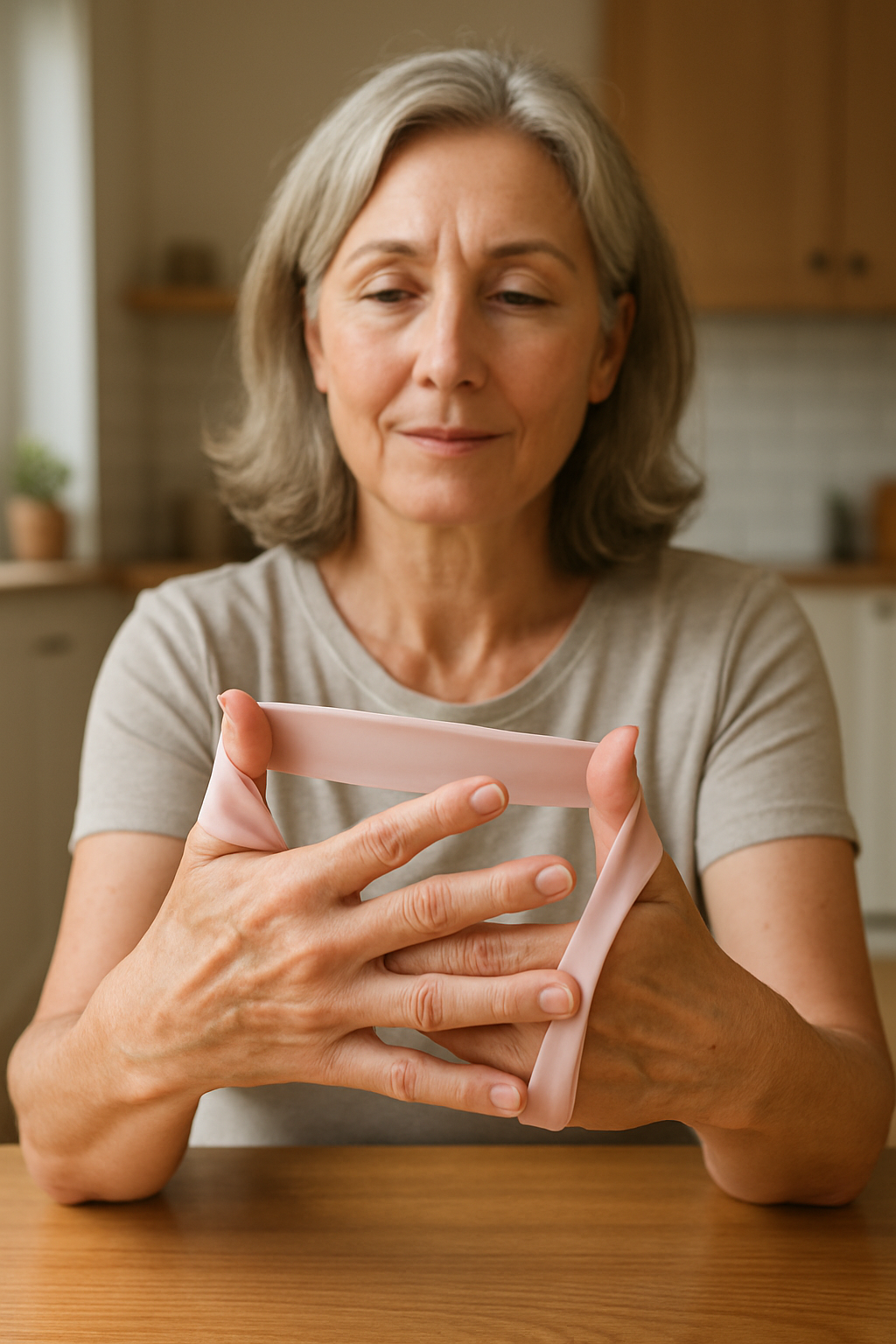
Is There Actually Hope?
Look, I know you might be skeptical. I was too. Painful, swollen joints feel like a one-way street. But there’s real, clinical evidence that targeted hand exercises can slow progression, reduce pain, and even build back some of that lost dexterity. The trick is consistency — and working smart, not just hard.
The Daily Struggle: It’s More Than Pain
If you wake up and wince at your stiff fingers every morning, you’re not imagining it. Joint inflammation kicks in overnight. Those first movements are brutal. But you might also feel:
- Frustration — when a zipper or button turns victory into defeat
- Embarrassment — shaking hands when your knuckles look swollen
- Fear — of dropping dishes, spilling coffee, or losing independence
I remember one reader emailing me about canceling her pottery classes. “What’s the point if my fingers won’t cooperate?” she wrote. And honestly? That broke my heart. Because gentle movement often helps more than rest. (Yes, even when you’d rather keep your hands in a warm pocket!)
Let’s Get Into The Science: What Actually Works?
First, let’s separate fact from fiction. No, squeezing a stress ball all day isn’t a miracle cure. And no, you don’t need an arsenal of expensive gadgets. The basic goals are:
- Reduce stiffness by mobilizing the joint capsule
- Boost strength in the small intrinsic muscles (think lumbricals, interossei)
- Maintain or improve flexibility — especially extension
- Promote blood flow for healing
The 2014 Journal of Rheumatology randomized trial showed that a daily 10-minute hand exercise routine cut finger stiffness and pain by over 20% in just 6 weeks. That’s a big deal. Even more, people reported better grip strength and easier daily tasks.
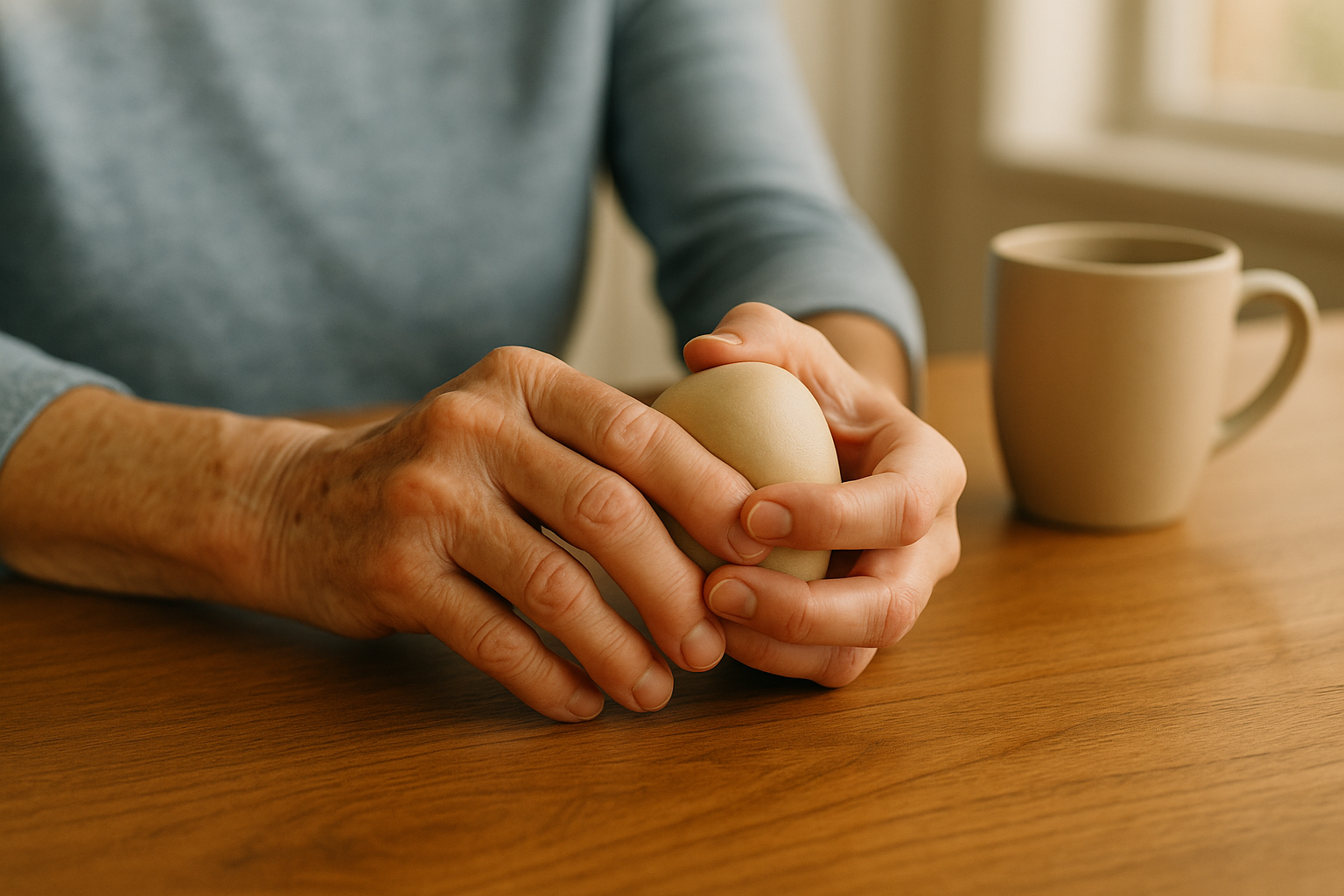
My Go-To Hand Exercises (and How to Do Them Safely)
I always tailor routines, but here are five of my core picks—simple, effective, and you can do them while watching TV. Start slow; if you have a bad flair-up or recent surgery, clear any exercise with your doctor first.
- Tendon Glides: Hold your hand up, fingers straight. Bend the tips into a hook, then a full fist, then flatten out again. Repeat 8-10 times. (Great for synovial fluid movement.)
- Thumb Opposition: Touch your thumb to each fingertip one by one, forming an “O.” This sounds basic, but it’s huge for opening jars and handling coins.
- Finger Lifts: Place your hand flat on a table. Lift each finger one at a time, hold for 3 seconds. You’ll feel muscles you never knew you had.
- Putty Squeeze: Use therapy putty or a soft ball. Squeeze, release, repeat. Not gonna lie, this one gets tiring quick — but the results speak for themselves.
- Wrist Flexor Stretch: Straighten your arm, palm up. Gently pull fingers back with the other hand (don’t yank!). Hold for 20-30 seconds—helps relieve forearm tension that impacts fingers.
If you’re nodding along, you’re not alone. Many of my clients are surprised how much easier daily life feels after a few weeks. But — and this part matters — don’t push through sharp pain. Mild discomfort is okay, but real pain means you should stop and consult a professional.
How Often? And What About Flare-Ups?
Here’s where it gets interesting. The Arthritis Foundation suggests daily movement — but intensity and volume matter. During a flare-up, I recommend reducing reps and focusing on gentle range-of-motion, not strengthening. On “good” days, you can push a bit more.
And yes, mornings are usually roughest. A warm towel or heating pad for 5 minutes can make a world of difference before you start. (Which brings me to a quick tip: a quality heating pad like the Pure Enrichment PureRelief XL Heating Pad covers both hands at once — my clients swear by this in cold weather.)
Why Strengthening Small Muscles Matters
Most people think of grip as a “whole hand” thing. But it’s actually dozens of little muscles, tendons, and ligaments working together. The Arthritis & Rheumatology 2019 review found that targeted strengthening of these small muscles can delay joint deformity and boost overall function. It’s not magic — it’s just good science.
And let’s be blunt: hand surgery isn’t a magic fix. Outcomes are unpredictable, and even the best surgeons will tell you that prehab (exercise before surgery) improves recovery. Don’t wait till you “need” surgery to work on your hand strength.
Supportive Tools: Which Are Worth It?
Now, there are a million gadgets out there. Some are helpful; others are just collecting dust in my old equipment bin. I only recommend a couple, based on real-world feedback and science.
- Therapy Putty: You can buy medical-grade putty, but even a soft tennis ball works in a pinch. Resistive work is key.
- Compression Gloves: Mild compression can reduce swelling and provide gentle warmth. (Just don’t wear them all day — your skin needs to breathe.)
- Heating Pads: As mentioned, a good heating pad can kickstart mobility each morning and soothe end-of-day aches. That’s why I like the Pure Enrichment PureRelief XL Heating Pad.
- Simple household tools: Jar openers, ergonomic utensils, even a rolled-up towel as a support can help offload stress during bad days.
And if you want a longer-term game plan? I’m a fan of practical guides that walk you through at-home routines — something like Treat Your Own Knees by Jim Johnson. Yes, it’s knee-focused, but the approach to progressive resistance and daily management applies across all joints — fingers included. I’ve lent my copy out more times than I can count.
No gimmicks or empty promises, just clear exercise drawings and research-based advice. (And at $11, it’s a lot cheaper than most therapy visits.)

What NOT to Do: Common Mistakes That Sabotage Progress
Most articles won’t tell you this, but not all exercise is good exercise. Here’s what I see people do wrong:
- Overdoing it: Treating every exercise like a bodybuilding contest. More isn’t better; consistency beats intensity.
- Ignoring swelling: If your knuckles are pink, hot, or much bigger than normal, rest is priority #1.
- Skipping warm-ups: Cold joints are stiff joints. Heat or gentle massage first, always.
- Using the wrong tools: Squeezing a hard ball when you already have pain? That’s a recipe for more inflammation.
- Doing only “grip” exercises: Pinch, extension, and fine motor control matter too — especially for buttoning or tying shoes.
And most important: Talk to your doctor or hand specialist if you have severe deformity, sudden loss of motion, or shooting pain. Some conditions (trigger finger, severe RA) need more than exercise alone. Don’t “tough it out.”
Bonus Research: What About Supplements and Diet?
This one’s a little controversial. I’ve seen plenty of folks spend big bucks on glucosamine or chondroitin. But the 2018 BMJ meta-analysis wasn’t kind — the average pain reduction from supplements was barely better than placebo. Fish oil (2 grams daily) might help a bit with general inflammation, but don’t expect miracles. Food-wise, focus on anti-inflammatory staples: fatty fish, berries, olive oil, leafy greens. Real food beats pills every time in my book.
Putting It All Together: My Real-World Routine
Here’s a simple “Monday through Sunday” template I share with clients. Take 10 minutes, morning or evening. Adjust as needed:
- Warm-up: 5 minutes with a heating pad or under warm water
- Tendon glides: 8-10 reps
- Thumb opposition: 5 slowly on each hand
- Putty or soft ball squeeze: 10 reps
- Finger lifts: 3 each finger
- Stretch: Gentle wrist/finger extension
On “bad” days, do half the reps. If you miss a day? No guilt — just start again. Consistency, not perfection, is the key.
Final Takeaways: Tiny Steps, Big Impact
Look, I get it. Arthritis in your fingers feels unfair. You want your hands back — for crafts, for gardening, for hugging your grandkids. And while no routine is a magic bullet, the evidence (and my own practice) is clear: targeted hand exercises work. Not overnight, but week by week, you’ll feel real change.
Try a warm-up with the PureRelief heating pad. If you want a step-by-step plan, check out Treat Your Own Knees. Use what works, skip what doesn’t, and always listen to your body.
Questions about a trickier finger or a stubborn joint? Drop me a note — I read every email. Here’s to hands that move, create, and connect — for years to come.
James Chen, MS, CSCS
JointReliefReviews.com