
CBD Oil for Joint Pain and Inflammation: What Actually Works?
If you’ve ever hobbled out of bed and winced at that morning knee pain, you know how relentless joint inflammation can feel. I still remember my patient, Linda, who came in clutching a bottle of CBD oil she'd bought after seeing an ad on late-night TV. She looked at me, half-hopeful, half-skeptical, and asked: “Does this stuff actually help? Or am I just tossing money down the drain?”
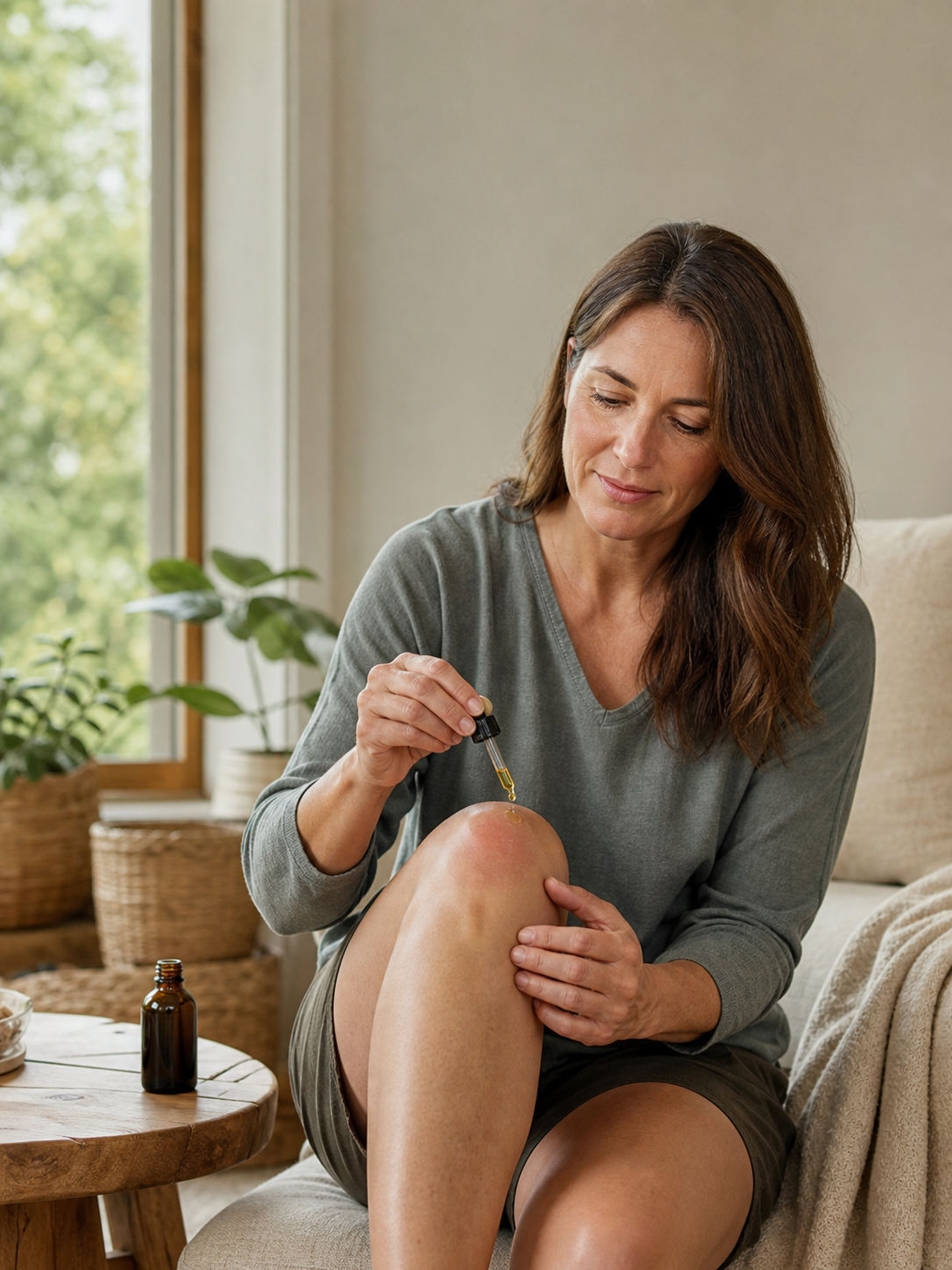
If you’re nodding along, you’re not alone. Joint pain isn’t just an ‘old person problem.’ According to the CDC, nearly 1 in 4 adults in the U.S. deals with doctor-diagnosed arthritis—and that doesn’t count those of us with undiagnosed aches, sports injuries, or the creeping reminders of past sprains. Sometimes the pain is mild, sometimes it’s the kind that wakes you up at night and makes walking the dog feel like scaling Everest.
The Daily Reality: More Than Just Pain
Here’s the thing: joint inflammation isn’t just about discomfort. It can steal your sleep. It can torpedo your motivation to exercise (even when you know you should). It can make you grouchy and short-tempered—I’ve seen it firsthand in my clinic, and frankly, I’ve felt it myself after a long day on my feet.
Some of my patients come in after trying the works: ice packs, heating pads, turmeric, NSAIDs, you name it. Others are desperate to avoid prescription painkillers. That’s where the CBD oil conversation often begins.
CBD Oil: The Hype, the Hope, and the Hard Facts
Let’s cut through the noise. If you’ve read a dozen online articles, you already know CBD (cannabidiol) is everywhere—from tinctures to gummies to balms. It’s legal in most states, non-intoxicating (unlike THC), and marketed as a miracle for everything from anxiety to acne.
But joint pain and inflammation? That’s where things actually get interesting.
What Is CBD Oil—And How Might It Help?
CBD is one of over 100 cannabinoids found in the cannabis plant. Unlike THC, it won’t get you high. Most CBD products used for joint pain are derived from hemp and come in the form of oils, capsules, creams, or gummies.
The science isn’t just hype: there are actual mechanisms by which CBD could help. Our bodies have what’s called the endocannabinoid system—a complex network of receptors (CB1 and CB2, if you want to get nerdy) involved in regulating inflammation, pain, and immune response. CBD may interact with these receptors, potentially modulating pain signals and tamping down inflammatory processes.
Does that mean it works for everyone? Absolutely not. But a handful of studies suggest it’s more than a placebo.
What the Research Really Shows (No Fairy Tales)
Here’s where I get frustrated reading most articles—they toss around ‘studies show’ without actually citing anything. So, let’s get specific:
- A 2020 double-blind, placebo-controlled trial in Arthritis Care & Research evaluated topical CBD for knee osteoarthritis. People using CBD reported significant improvements in pain versus placebo, although the effect was moderate. Doses varied—most used 250–500mg applied daily.
- Animal studies (see European Journal of Pain, 2016) suggest CBD applied to the skin lowers inflammation markers in rats with arthritis. But rats aren’t humans, so take it with a grain of salt.
- Another 2018 review in Frontiers in Pharmacology highlighted CBD’s anti-inflammatory effects, noting its ability to reduce cytokine production and oxidative stress, both major players in chronic pain.
But here’s the kicker: Large, long-term, high-quality human trials are still sparse. Most data is short-term and often mixed. Some people get real relief, others don’t notice much. I’ve had patients swear by it, and others who went right back to their heating pads.
What Types of Joint Pain Might Benefit?
CBD oil seems most promising for:
- Osteoarthritis: Early clinical trials and plenty of anecdotal evidence suggest pain and stiffness reduction.
- Rheumatoid Arthritis: Some laboratory studies (but not big human trials) indicate anti-inflammatory action, but talk to your rheumatologist first—especially if you’re on immunosuppressants.
- Exercise-related Joint Soreness: A few recent papers hint CBD could reduce post-workout inflammation, though most evidence here is self-reported.
- Chronic Overuse/Old Injuries: The anti-inflammatory properties may offer relief for lingering aches.
Still, if you have an undiagnosed joint problem, persistent swelling, or new redness/heat, see your doctor before dabbling with CBD (or anything else, for that matter). Safety first—always.
How to Use CBD Oil for Joint Pain: A Physical Therapist’s Perspective
Alright, practical advice time. I’ve seen patients do everything wrong with CBD: taking way too little (then giving up), mixing it with other supplements without checking for interactions, or using sketchy brands with questionable ingredients.
Forms and Dosage—What Matters More Than You Think
- Topical (cream, balm, gel): Great for targeting one or two small joints—knees, hands, elbows. Faster onset. Most evidence for joint relief is here. Typical dose: 200–500mg total in the tube/jar, applied 2-3x a day.
- Oral (oil/tincture, capsules, gummies): Systemic effect—better if you have widespread pain (think: both knees, hands, and back). Oil is fastest-acting, gummies and capsules are slower but steadier. Usual starting dose for adults: 15–30mg/day, titrating up as tolerated.
Look, more isn’t always better. Side effects (drowsiness, digestive upset) usually show up at higher doses—above 100mg/day. I typically advise patients to start low and go slow. And yes, always run new supplements past your doctor, especially if you’re on other meds (CBD can interact with certain blood thinners and antidepressants).
What to Look for in a Quality CBD Product
Not gonna lie—this is the wild west. The FDA doesn’t regulate CBD the way it does prescription meds, so some products are rock solid; others, not so much. If you want my honest opinion (and believe me, I’ve tested at least a dozen brands myself), here’s your checklist:
- Third-party lab testing: Any reputable brand should post independent COA (Certificate of Analysis) showing exact CBD content and confirming no heavy metals or pesticides.
- Clear labeling: You should see how much CBD per serving (in mg), and whether it’s full-spectrum, broad-spectrum, or isolate (full/broad-spectrum may offer more ‘entourage effect’—mildly better results in some studies).
- Transparent sourcing: U.S.-grown, organic hemp is ideal. If a company won’t tell you where it sources plants, that’s a red flag.
- Reasonable price: CBD isn’t cheap, but you shouldn’t pay $150 for a tiny bottle, either. Typically, a solid topical or 30-day oral supply runs $25–$70.

Adding CBD to Your Joint Pain Toolbox: What Works Best?
I’m a big believer in not putting all your eggs in one basket. No single supplement is a magic wand. But CBD oil can be a helpful tool—especially in combination with proven self-care strategies and (if needed) other over-the-counter supports.
My Go-To Joint Pain Strategies (With CBD or Without)
- Daily gentle movement: Even on ‘bad’ days, try basic range-of-motion exercises. I love the routines in Treat Your Own Knees (the illustrations are spot-on and the exercises are PT-approved).
- Compression gear: For knees or wrists, a good sleeve can cut swelling. Patients rave about the Modvel Compression Knee Brace—especially for workouts or long walks. It’s affordable and doesn’t slip down (a pet peeve of mine with lesser sleeves).
- Heat and cold: Still gold standards for flare-ups. The PureRelief XL Heating Pad is my go-to for deep, stubborn aches—especially before bed. Moist heat can make a surprising difference.
If you’re considering CBD, try pairing it with these supports rather than relying on it alone. In my experience, the combo gets the best results.
What About Combining CBD With Other Supplements?
Here’s where I see some confusion. People often mix CBD with glucosamine/chondroitin, turmeric, or omega-3s. No evidence says you can’t—but always check for interactions and don’t double up on anti-inflammatories if you’re already on prescription meds. For some, a ‘stacked’ approach is fine. For others, simpler is safer.
Potential Side Effects—What to Watch Out For
CBD is generally well-tolerated, but it’s not risk-free. In clinical studies, fewer than 10% of users reported drowsiness, mild stomach upset, or dry mouth. More rarely, it can interact with medications (especially blood thinners and certain epilepsy drugs). Start low, monitor your response, and loop in your healthcare provider if you have liver disease or take other daily prescriptions.
CBD Oil vs. Traditional Pain Relief: How Does It Stack Up?
Here’s the honest truth—no single approach works for everyone. Some of my patients feel way more relief from topical Voltaren gel or classic NSAIDs, while others swear by CBD oil or creams. When you look at the research side-by-side, topical NSAIDs like diclofenac (the star ingredient in Voltaren) actually have the biggest evidence base for osteoarthritis. But for those sensitive to NSAIDs, or just wanting to avoid them long-term, CBD is a legit alternative to try.
What you won’t hear in most ads: If you have severe, constant pain, or fast-progressing joint swelling, see a medical professional before changing up your regimen. Supplements (even CBD) are not a substitute for real medical care.

Takeaways: Is CBD Oil Worth It for Joint Pain?
Look, I know there’s a lot of hype—and some genuine hope—around CBD oil for joint pain and inflammation. My take? If you’re struggling with mild to moderate joint aches, especially from arthritis or overuse, it’s reasonable to give CBD a careful try—ideally with a topical cream or oil first. Set reasonable expectations, keep your doctor in the loop, and always look for quality and transparency in the products you pick.
If you’re curious, start with a well-reviewed topical applied to your sore joints 2-3 times daily for 2–3 weeks, then reassess. Pair it with gentle exercise, maybe a bit of compression support (I’m still a fan of the Modvel brace), and you may notice a real difference. Just remember: nothing works for everyone, but small, smart tweaks can add up over time.
Still have questions? Email me or ask your physical therapist—you deserve clear answers, not marketing doublespeak. And if you find a combo that works, don’t keep it secret; share with a fellow joint-pain sufferer. We’re all in this together.
Dr. Sarah Mitchell, DPT
Senior Health Editor, JointReliefReviews
12+ years clinical PT experience | Osteoarthritis, joint pain & mobility specialist