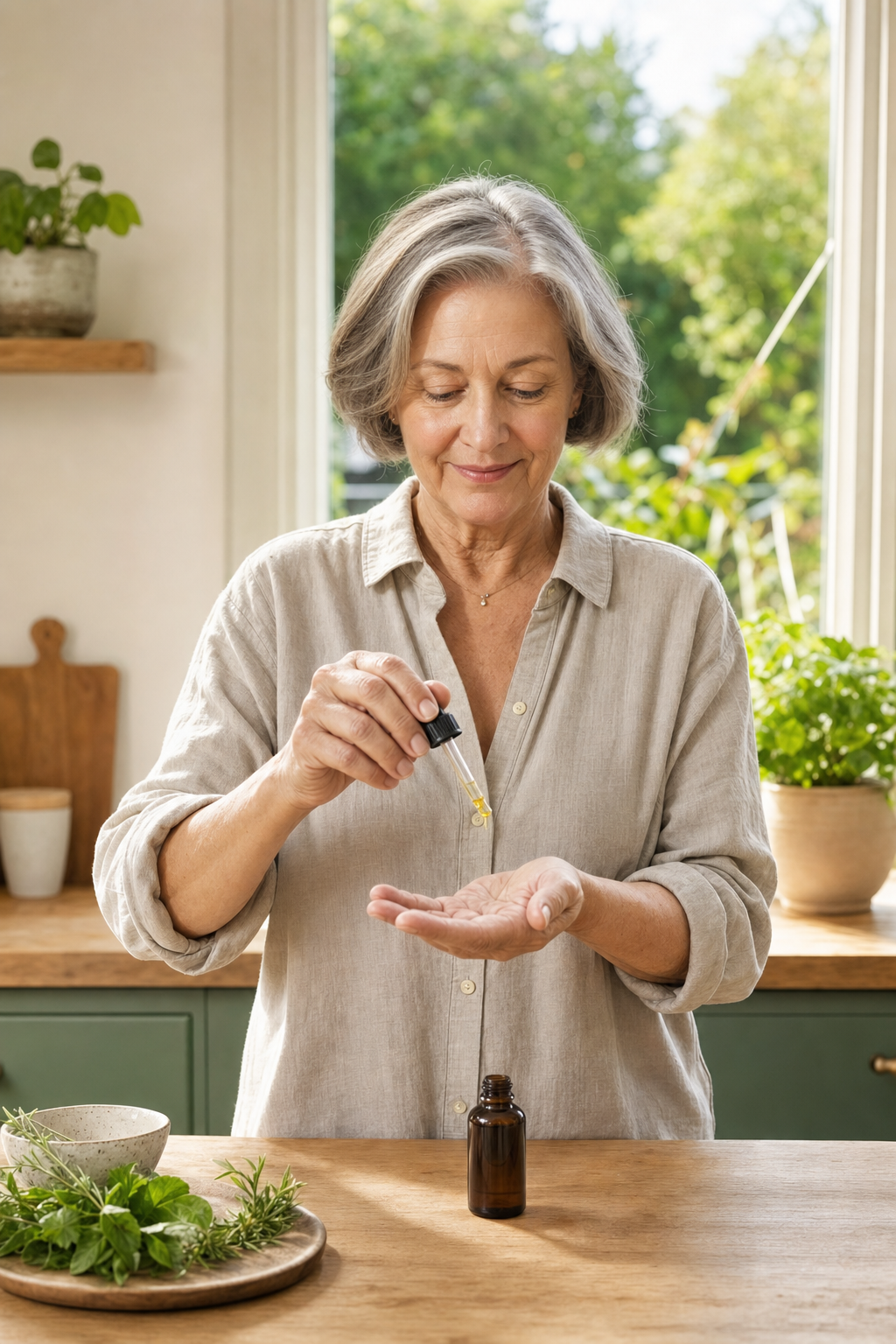
CBD Oil for Joint Pain and Inflammation: Can It Really Help Sore Knees and Stiff Hands?
Three years ago, a friend of mine — let’s call her Linda — showed up at book club with a bottle of CBD oil and a confession: she’d tried everything for her stubborn thumb arthritis, and, in a moment of desperation, she bought this new "miracle" online. Did it work? She said after a week, her pain faded enough to garden again. Was it the CBD? The placebo effect? Or just a lucky week?
That’s the million-dollar question, isn’t it? I’ve covered arthritis for more than a decade, and trust me, there’s always a new "game-changer" promising pain-free mornings. Glucosamine. Turmeric. Copper bracelets. Now, it’s CBD oil. The buzz is everywhere — and not just in online ads. I hear about it from readers, neighbors, rheumatologists, even my own mother-in-law (who claims it “saved” her knees, though she’s also sworn by cherry juice and acupuncture).
Here’s the thing: Joint Pain Isn’t Just About the Pain
Let’s be brutally honest — joint pain and inflammation can turn the simplest joy into an ordeal. Gardening, picking up a grandchild, even opening a stubborn jar. If you’re nodding along, you’re not alone. About 58 million Americans live with arthritis pain, according to the CDC. Morning stiffness, swelling, the unpredictable dull ache after a day on your feet. These are more than inconveniences. They chip away at quality of life, and, if you’re like most readers who write to me, you’ll try almost anything for real relief.
But with CBD everywhere (from coffee shops to pharmacy shelves), sorting hype from hope is nearly impossible. So, what’s the actual science behind CBD oil for joint pain and inflammation? Is it the real deal, or just another expensive bottle gathering dust in the medicine cabinet?
What Is CBD Oil, Really?
Let’s get this out of the way: CBD (cannabidiol) is one of more than 100 compounds found in the cannabis plant. It won’t get you high — that’s THC’s job. CBD you see in creams and oils is usually extracted from hemp, a cannabis cousin with barely a whiff of THC (under 0.3% by law).
Unlike prescription pain relievers or NSAIDs, CBD is marketed as a wellness supplement. You’ll find it in tinctures, capsules, topical creams, and even gummies. The FDA hasn’t approved it for arthritis or most pain conditions, which means companies walk a fine line with their claims. Still, anecdotally, millions swear by it.
Why Do People Think CBD Might Help Joints?
It comes down to the endocannabinoid system (ECS) — a network in your body that helps regulate pain, inflammation, and immune function. CBD interacts with ECS receptors, possibly reducing inflammatory responses. That’s why researchers began looking at it for conditions like arthritis, chronic pain, and even autoimmune diseases.
But — and this is a big caveat — most CBD research is still in its infancy, especially for humans. You’ll find lots of animal studies and tiny pilot trials. Real, gold-standard trials? Fewer than you’d hope.
What Does the Research Actually Say About CBD Oil for Joint Pain?
Here’s where science gets a bit murky — and why I urge readers to be cautious. That said, there is real data worth discussing.
- Animal Studies: A 2016 study published in the European Journal of Pain found that topical CBD reduced joint swelling and pain in rats with arthritis. The dose? About 6.2 mg per day, applied as a gel. Compelling, but rats aren’t people.
- Small Human Trials: In a 2020 randomized study in Arthritis Care & Research, CBD didn’t significantly outperform placebo for knee osteoarthritis pain — but the trial used oral CBD, and some experts argue the dosage (20-50 mg/day) was on the low side.
- Chronic Pain Evidence: A 2022 meta-analysis in BMJ concluded that cannabinoids (including CBD) may offer modest pain relief in chronic pain, but the effect sizes were small, and evidence quality was low. The catch? Most studies combined CBD with THC, so it’s tough to untangle which is doing what.
- Patient Surveys: According to a 2019 Arthritis Foundation poll, 29% of arthritis patients reported using CBD, and most said it helped with pain and sleep. Does that prove it works? No — but it shows there’s demand.
I know this is unpopular, but: If anyone tells you CBD is a cure-all for arthritis or joint inflammation, they’re overselling. Still, the science suggests it’s worth a try for some people — especially as a part of a broader pain management plan, not a magic bullet.
How Might CBD Oil Work for Joints?
Let’s break it down. Theoretically, CBD may help:
- Reduce certain inflammatory markers (like cytokines)
- Dampen nerve pain signals in the brain and spine
- Ease muscle tension around stiff joints
- Promote better sleep (which can reduce pain perception long-term)
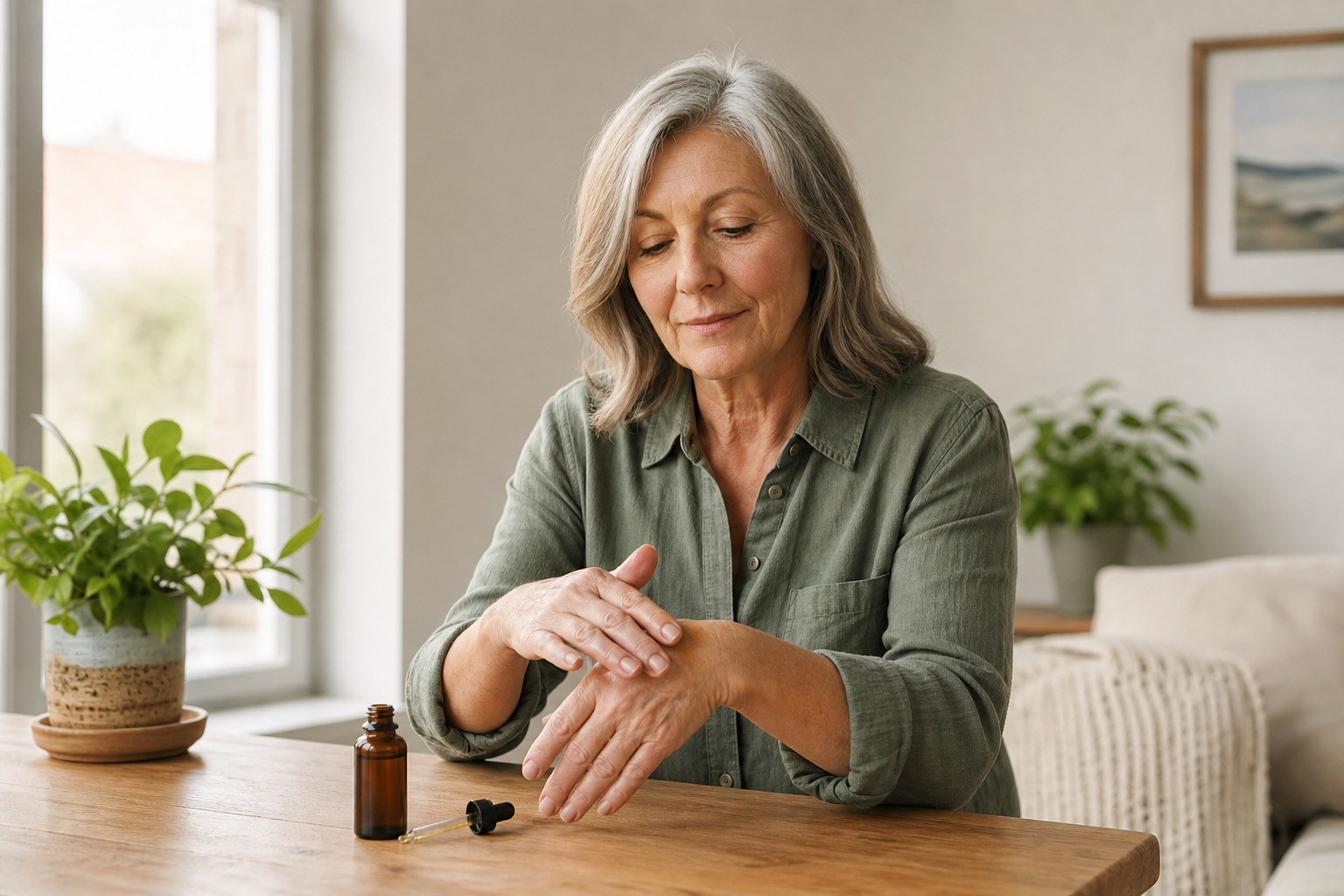
But here’s where it gets interesting: Some researchers suspect that topical CBD (oils or creams applied directly to sore joints) may work better for arthritis than oral versions, simply because it targets the area. The skin is loaded with ECS receptors. In my experience, readers report faster relief from topicals than tinctures, especially for knees, hands, and elbows.

How Do You Actually Use CBD Oil for Joint Pain?
I’ll be honest — the Wild West of CBD dosing makes my head spin. There’s no FDA-approved dosage, and studies use everything from 5 mg to 200 mg daily. For joint pain, most experts recommend starting low and slow. Here’s what I tell readers:
- Topical CBD: Apply a pea-sized amount of oil, salve, or cream to the affected joint up to 3-4 times daily. Massage in gently. Look for reputable brands that publish third-party lab results for purity and potency.
- Oral CBD: Start with 10-20 mg per day (tincture or capsule), increasing slowly. Monitor for improvement over 1-2 weeks. Higher doses (40-60 mg/day) may help some, but this varies wildly by body weight and metabolism.
And — I can’t stress this enough — you must talk to your doctor before starting CBD, especially if you take blood thinners, anti-seizure drugs, or have a liver condition. CBD can affect how other meds are metabolized. My own mother’s rheumatologist was surprisingly open to it, but he insisted on regular bloodwork. That’s good medicine.
What Side Effects or Risks Should You Watch For?
Most people tolerate CBD well, but there are real side effects: dry mouth, drowsiness, mild diarrhea, and (rarely) changes in liver enzymes. Some users complain of dizziness, especially with higher oral doses. Topical CBD is less likely to cause trouble, but skin irritation is possible.
The bigger issue is quality control. The CBD market is loaded with unregulated products. Some have less CBD than claimed (or none at all), while others are contaminated with pesticides or heavy metals. That’s a mess. You want third-party lab testing and clear labels — period. If a product makes wild claims or hides its sourcing, run.
Mixing CBD With Other Joint Pain Remedies
Look, CBD isn’t the only tool in the arthritis toolbox. In fact, most doctors recommend a “multi-modal” approach: gentle exercise, occasional NSAIDs, heating pads, physical therapy, and — yes — supplements like turmeric or glucosamine for some folks. The best results usually come from layering strategies.
For example, I have readers who swear by using a Pure Enrichment PureRelief XL Heating Pad after applying CBD cream. The moist heat boosts circulation, and the CBD works on local inflammation. Or, some alternate CBD with a clinically proven topical like Voltaren Arthritis Pain Gel (which contains diclofenac sodium, a real heavy-hitter for arthritis flares).
There’s no shame in combining therapies — and, in my view, that’s how most people get the biggest bang for their buck.
Choosing a Quality CBD Oil for Joint Pain: What to Look For
Truth time: I’ve reviewed dozens of CBD products, and the difference in quality is staggering. Here’s my honest checklist:
- Full-spectrum or broad-spectrum hemp extract (contains minor cannabinoids and terpenes, not just isolated CBD)
- Third-party lab certification (look for a QR code or batch number you can check online — if it’s not there, skip it)
- Clear CBD concentration (in mg per serving, not vague claims like “high potency”)
- No wild claims about curing arthritis or other diseases
- Transparent company info — sourced from USA or EU grown hemp, ideally organic
- Free from artificial fragrances or parabens in topicals
Honestly, expect to pay $30 to $70 for a month’s supply of a decent topical or tincture. The ultra-cheap stuff? It’s usually not worth it.
Real Life: What Do Users Actually Experience With CBD Oil?
This is where I lean on the patient stories I hear every week — and I have to say, it’s a mixed bag. Some people report dramatic reductions in morning stiffness, especially with twice-daily topical use. Others say the effect is subtle but noticeable: less throbbing after gardening, fewer "bad days" overall. And for a stubborn subset, CBD does…well, nothing except lighten the wallet.
I wish I could guarantee results. I can’t. But for mild-to-moderate joint pain, especially in the hands, knees, and shoulders, the risk/benefit ratio makes CBD worth a careful try. For severe inflammatory arthritis (like RA or psoriatic), you still need a rheumatologist and likely prescription meds — CBD won’t replace those.
What About Other Natural Options? Should You Stack Supplements?
CBD isn’t your only over-the-counter anti-inflammatory. Turmeric, boswellia, and omega-3s have a lot more clinical research for arthritis. In fact, a blend like Glucosamine Chondroitin Turmeric MSM & Boswellia can be a good companion for those who want to support overall joint health alongside CBD. Just be careful not to overload your system — too many supplements can backfire.
The Real Bottom Line (From Someone Who’s Tried Almost Everything...)
Here’s my measured take. CBD oil is not snake oil, but it’s not a miracle, either. Small but real numbers of people do experience less joint pain and better mobility, especially when using third-party tested products, starting with modest doses, and layering it with other proven therapies. Quality and patience make all the difference — and so does setting realistic expectations.
If you’re tired of the cycle of pain and disappointment (and your doctor gives the green light), a reputable CBD oil or cream might just be worth a spot in your medicine cabinet — right alongside your heating pad, ice pack, and the dog-eared copy of Arthritis Today.

Key Takeaways for Anyone Considering CBD Oil for Joint Pain
- CBD isn’t a cure, but it may modestly reduce joint pain and inflammation for some people.
- Topical CBD is often better tolerated — and may work faster for localized pain.
- Always check for third-party lab results and clear dosage labeling.
- Discuss CBD with your doctor, especially if you take prescription meds for blood clotting or seizures.
- Layer CBD with other evidence-based therapies for the best shot at relief.
If you give CBD oil a try, keep a symptom journal for a few weeks. Track pain, mobility, sleep. Sometimes, the improvement is gradual — and it’s easy to forget just how many better days you have until you see it on paper. And as always, send me your stories or questions. I genuinely love hearing what works — and what doesn’t — in the real world. There’s no one-size-fits-all answer, but there is hope.
Stay curious and be kind to those joints. We only get one set!
— Karen Whitfield, veteran health journalist & joint pain survivor