CBD Oil for Joint Pain and Inflammation: Hype, Hope, and What the Science Really Says
I was standing in the pharmacy aisle last fall, debating whether to grab a bottle of ibuprofen for yet another night of creaky knees, when a woman in her sixties leaned over and whispered, "Have you tried CBD oil yet? My bridge partner swears by it." Not gonna lie: I rolled my eyes—at the time, I’d written off CBD as just another wellness craze. Flash forward to now, and you can’t swing a yoga mat without hitting a CBD product promising pain relief, better sleep, and joint comfort.

Joint Pain: It’s Not Just You (And It’s Not Just Age)
If you’re reading this, chances are joint pain isn’t some abstract concept—it’s a daily fact of life. I hear from readers every week: knees that feel like rusty hinges, fingers that refuse to grip the coffee mug, hips that ache after half an hour at the garden bench. Chronic joint pain affects nearly one in four American adults, according to the CDC. And while arthritis is the classic culprit, inflammation from injury, autoimmunity, or just plain overuse can wreak havoc on anyone, at any age.
Look, I’ve covered arthritis research for over a decade—writing for publications like Everyday Health and Arthritis Today—and I wish I could say there’s an easy fix. There isn’t. But here’s the thing: the game has changed in the last five years. Traditional treatments (NSAIDs, corticosteroids, physical therapy) still have their place, but more and more folks—maybe like you—are asking if natural alternatives like CBD oil could dial down the pain without the classic side effects.
What Exactly IS CBD Oil, Anyway?
I get this question a lot—usually from people who picture a college dorm room and a Bob Marley poster. Let’s set the record straight: CBD (cannabidiol) is a compound extracted from hemp or cannabis plants. It’s non-psychoactive—meaning it won’t get you high, unlike its close cannabis cousin, THC.
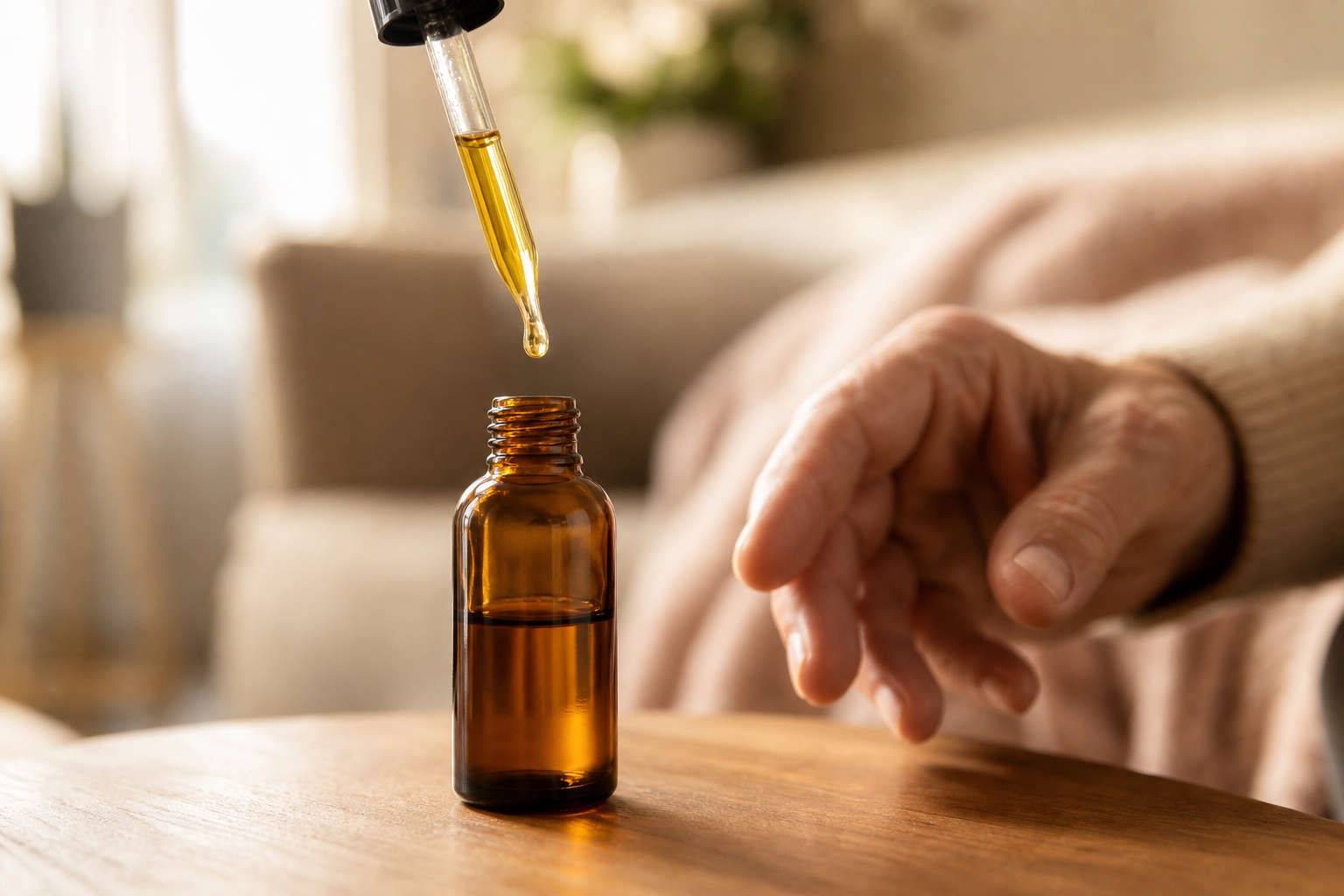
Most CBD oils sold over the counter are derived from industrial hemp and contain less than 0.3% THC. They come as tinctures (drops under the tongue), capsules, gummies, or even topical creams. And—here’s the kicker—they’ve exploded in popularity: U.S. sales of CBD products topped $4.6 billion in 2023, according to Statista.
Can CBD Oil Really Help with Joint Pain and Inflammation?
This is where I have to get a bit science-y, but stick with me. The human body has something called the endocannabinoid system (ECS), a network of receptors and signaling molecules that help regulate pain, inflammation, mood, and more. CBD interacts (indirectly) with these receptors—especially CB2 receptors found on immune cells—helping to modulate inflammation and pain.
But does that translate to real-world relief when your knees are barking or your knuckles are throbbing? Let’s break it down:
- Animal Studies: Multiple studies in European Journal of Pain (2016) and Journal of Experimental Medicine (2012) showed that CBD reduced inflammation and pain behaviors in rodents with arthritis. Promising, but rats aren’t people.
- Human Research: This is where things get tricky. Large, gold-standard clinical trials are still scarce. But smaller studies, like the 2020 randomized trial in Clinical Rheumatology, found that topical CBD application improved pain scores in people with peripheral neuropathy. Other research in Arthritis Care & Research (2019) surveyed arthritis patients and found that 79% reported CBD improved their pain or physical function.
- What About Osteoarthritis? Anecdotal reports are all over the place, but as of 2024, the American College of Rheumatology officially states that "there is not enough high-quality evidence to formally recommend CBD for arthritis pain." That said, I’ve spoken with rheumatologists who acknowledge that some patients experience moderate relief, especially with topical products.
I know, it’s a mixed bag. Most articles won’t tell you this, but: the research is promising, but still preliminary. If you’re nodding along, you’re not alone—most of my readers say, "I’ll try anything once." Just do it smartly. More on that below.
Potential Benefits of CBD Oil for Joint Pain
So why does CBD keep popping up in arthritis and joint pain discussions?
- Anti-inflammatory action: CBD is believed to reduce the levels of pro-inflammatory cytokines (think: TNF-alpha, IL-6), which drive joint swelling and damage (source: Frontiers in Pharmacology, 2020).
- Pain modulation: CBD may dial down pain signals by acting on vanilloid (TRPV1) and serotonin receptors, not just cannabinoid ones. That’s why some people feel less achy within 30-60 minutes of dosing.
- Minimal side effects: Unlike NSAIDs, which can upset the gut and raise blood pressure, CBD is generally well-tolerated. A 2017 WHO report called it "safe and non-addictive" at typical doses (10-100mg/day).
But—and here’s where I ruffle feathers—not everyone feels better. There’s the placebo effect at play, and some folks need much higher doses (which gets expensive fast). I’ll be honest: for every friend who swears CBD changed their life, another says it did nothing.
How to Use CBD Oil Safely for Joint Pain
Ready to try it? Start simple, start slow. And always—seriously, always—talk to your doctor before starting CBD, especially if you’re on blood thinners, seizure meds, or have liver issues. CBD can interact with common drugs, even grapefruit (no joke).
- Start low, go slow: I generally recommend starting with 10-20mg CBD per day. Increase by 5-10mg per week, max. Some people need 50-100mg daily for joint relief—others feel better at lower doses.
- Choose reputable brands: Look for products that are third-party tested, with clear labels showing CBD content (in mg), THC content (should be <0.3%), and a batch number you can check online.
- Delivery method matters: Tinctures (drops under the tongue) and softgels offer systemic effects—think whole-body inflammation. Topical balms and roll-ons can be great for targeting knees, hands, or elbows.
- Track your results: Use a pain journal. I know, it sounds tedious, but jotting down your pain score (0-10) for a week before and after starting CBD gives you real data. I’ve had readers realize their sleep improves even if their pain doesn’t budge—which is still a win!

Natural Solutions That Can Boost (or Replace) CBD Oil
CBD is not a silver bullet, and—if I’m being really candid—it works best as part of a larger joint health plan. Here’s what I recommend to my own family members (and, yes, what I try to follow myself):
- Exercise that doesn’t hurt (but helps): Gentle movement lubricates joints. Swimming, walking, or yoga—whatever feels good and doesn’t spike your pain the next day. If you need extra support, something like the Modvel Compression Knee Brace can reduce pain during activity. (I wore these during a family trip to Scotland—life-saver on those castle stairs!)
- Heating pads for stiffness: Applying heat can help ease morning stiffness or post-exercise soreness. The Pure Enrichment PureRelief XL Heating Pad is a favorite among readers for its huge coverage and moist heat option. It’s not a miracle, but it’s a comfort. (My mother-in-law swears it’s her best friend in February.)
- Supplements with a track record: Glucosamine, chondroitin, turmeric, and boswellia have real data behind them—though results are mixed. If you’re curious, I’ve reviewed combinations like Vimerson Health’s Glucosamine Chondroitin Turmeric MSM & Boswellia. A 2019 BMJ meta-analysis found a small but significant benefit for glucosamine (1,500mg/day) in knee osteoarthritis, especially if you give it a few months.
- Topical NSAIDs: If CBD topicals don’t cut it, FDA-approved gels like Voltaren are worth a try for localized joint pain—though you’ll want to watch for skin irritation and stick to dosing guidelines.
One more thing: Mind your expectations. CBD won’t regrow cartilage or "cure" arthritis, but for some, it’s a meaningful layer of relief—especially for sleep or mood. If cost is a concern (some CBD oils are $60+ per bottle), it makes sense to try a small size first.
Where the Research Stands (and What’s Next)
Here’s where things get interesting. Big-name rheumatology groups (the ACR, the European League Against Rheumatism) are paying attention. Clinical trials are underway right now, looking at CBD—alone and combined with THC—for osteoarthritis, rheumatoid arthritis, and even lupus. I’ve spoken to several researchers who are cautiously optimistic but frustrated by legal red tape and the flood of low-quality, under-labeled products muddying the waters.
As of 2024, the FDA has not approved any CBD oil products for joint pain or arthritis. That’s a sticking point—regulation is spotty, so you have to do a little homework. Third-party testing is a must. And be wary of any CBD brand making outlandish claims ("cures arthritis overnight!"). If it sounds too good to be true, you know the rest.
CBD Oil versus Traditional Pain Relief: How Does It Stack Up?
Some days, when my hands are stiff or my knees are especially cranky, I still reach for the tried-and-true: a heating pad, topical NSAIDs, and gentle stretching. But on restless nights, I’ll use a low-dose CBD tincture—and usually sleep a bit easier. Here’s how I think about it:
- CBD Pros: Fewer GI side effects, low addiction risk, gentle mood-lifting properties.
- CBD Cons: Expensive, works for some but not all, possible drug interactions, uncertain dosing rules.
- NSAID Pros: Fast-acting, highly effective for many, cheap and accessible.
- NSAID Cons: Gut upset, increased blood pressure, long-term risks (especially if you’re over 65).
- Supplements: Slow burn—think months, not days—but with generally excellent safety profiles.

Takeaways: Is CBD Oil Worth Trying for Joint Pain?
I know this is unpopular among some CBD evangelists, but here’s my bottom line: CBD oil can be helpful for joint pain and inflammation—for some people. The science isn’t a slam dunk (yet), and it takes patience, trial and error, and a willingness to pay out-of-pocket. But if you’re frustrated with the status quo and eager for a gentler option, it’s a reasonable experiment—especially layered with movement, heat, and proven supplements.
Just promise me you’ll:
- Check with your doctor about interactions (seriously!)
- Start with a low dose and journal your progress
- Buy from reputable, well-labeled brands with third-party test results
And if you strike gold? Let me know. I love hearing real-world stories—nothing beats a neighbor’s wisdom or a reader’s honest review. And if it doesn’t work out, take heart: You’ve got plenty more arrows in the joint pain relief quiver.
Here’s to fewer aches, brighter mornings, and—if you’re lucky—a little less creaking on the stairs tomorrow. If you have any questions or want to share your story, my inbox is always open.
Stay well,
Karen Whitfield
Veteran Health Journalist & Joint Relief Reviewer